






Manila Bulletin
 Business
Trade & Industry
USDA: Philippines wheat demand stays strong despite higher input costs for bakers
Business
Trade & Industry
USDA: Philippines wheat demand stays strong despite higher input costs for bakers
Business
Trade & Industry
USDA: Philippines wheat demand stays strong despite higher input costs for bakers
USDA: Philippines wheat demand stays strong despite higher input costs for bakers
Published Dec 25, 2025 12:00 am
|
Updated Dec 24, 2025 01:53 pm


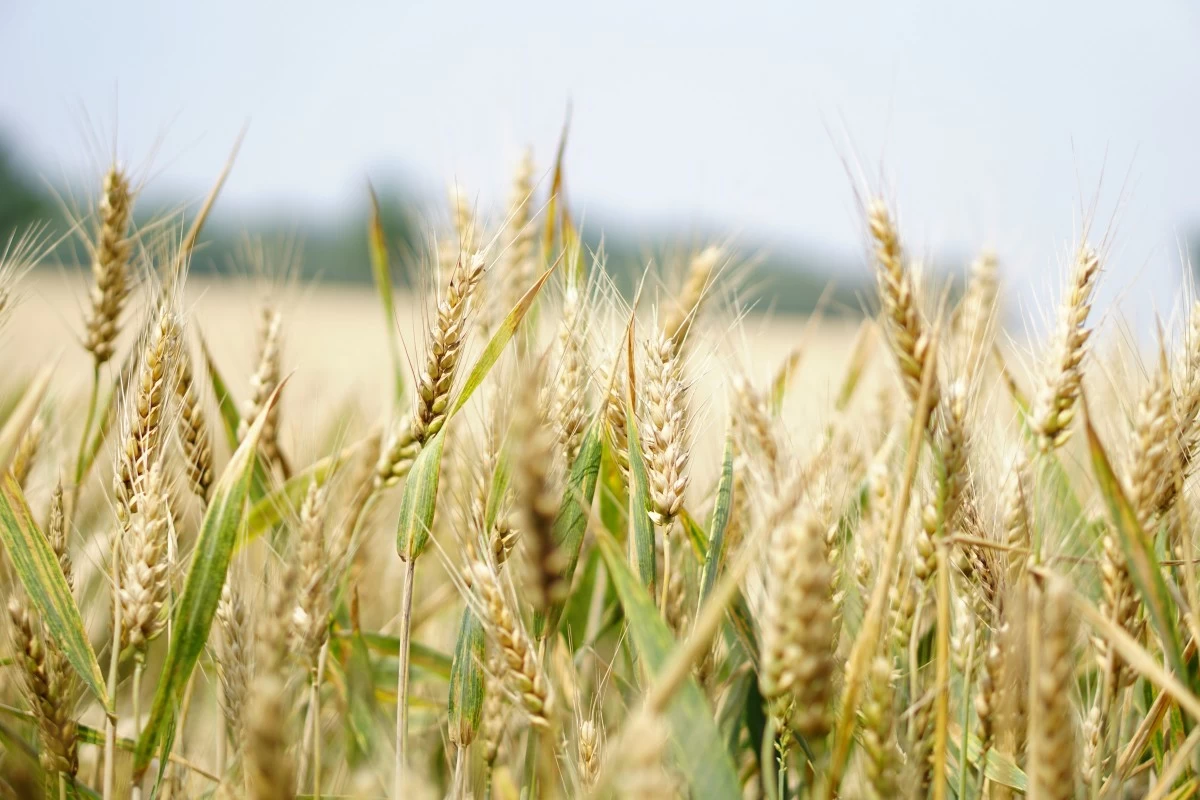
(Pexels)
The Philippines will import significantly more wheat in the market year (MY), driven by continued demand for wheat-based products such as bread and pasta, according to a report by the United States Department of Agriculture (USDA).
The USDA, through its Foreign Agricultural Service in Manila, revised its projection for the country’s wheat imports to 7.4 million metric tons (MT) in MY 2025-2026, up from an initial 7 million MT projection.
The foreign agency starts the wheat marketing year in July and ends in June of the following year.
Taking into account the 6.35 million MT in imported wheat recorded in MY 2024-2025, the updated estimate would be 16.5 percent higher.
Since the country does not produce wheat, it relies exclusively on imports to meet its wheat requirements. It primarily imports milling wheat for human consumption and feed wheat for animal feed.
Total consumption for both types of wheat is anticipated to reach 6.9 million MT in MY 2025-2026, up 6.2 percent from 6.5 million MT during MY 2024-2025.
Regarding wheat milling, the USDA said consumption growth is supported by rising demand for products such as bread, pasta, and biscuits, primarily driven by the country’s growing population and rising incomes.
Yet, the foreign agency expects growth to be relatively stable on the back of higher prices for bread and bakery products.
“These price increases are mainly due to higher input costs for bread and bakery products, including raw materials such as sugar, butter, and eggs, as well as energy sources used in baking, particularly liquefied petroleum gas (LPG),” the USDA said.
“As a result, this upward pressure on consumer prices is expected to moderate growth in milling wheat consumption for MY 2025/26,” it added.
Based on the report, food, seed, and industrial (FSI) consumption could increase by 5.56 percent to 3.8 million MT, up from 3.6 million MT in the previous market year.
The US is the main supplier of milling wheat to the Philippines, accounting for 82 percent of the market from July to October, followed by Canada at 12 percent and Australia at six percent.
Meanwhile, feed and residual consumption is projected to reach 3.1 million MT in MY 2025-2026, up from 2.9 million MT in the prior year.
The USDA said the increased demand for feed wheat is driven by the higher demand from the animal feed industry, but it expects growth to be moderated due to declining import prices for corn.
As an industry practice, feed wheat is used as a substitute for feed corn when feed wheat prices are more favorable.
From February to August, feed wheat was found to be consistently cheaper than corn. But import prices of feed wheat later exceeded those of corn by $6.46 and $10.11 per MT, respectively.
“Industry contacts emphasize that the relative pricing of feed wheat remains the primary factor influencing its use in feed mixes,” the USDA said.
Based on data from July to October, Australia was the primary supplier of feed wheat to the Philippines, accounting for over 99 percent of the market.
Trade data showed that 2.65 million MT of wheat arrived in the same period, with feed wheat accounting for 52 percent, milling wheat at 45 percent, and other wheat products accounting for the remaining three percent.