






Manila Bulletin
 Business
Trade & Industry
Gov't issues implementing guidelines for law extending land lease to 99 years
Business
Trade & Industry
Gov't issues implementing guidelines for law extending land lease to 99 years
Business
Trade & Industry
Gov't issues implementing guidelines for law extending land lease to 99 years
Gov't issues implementing guidelines for law extending land lease to 99 years
Published Dec 25, 2025 04:08 pm


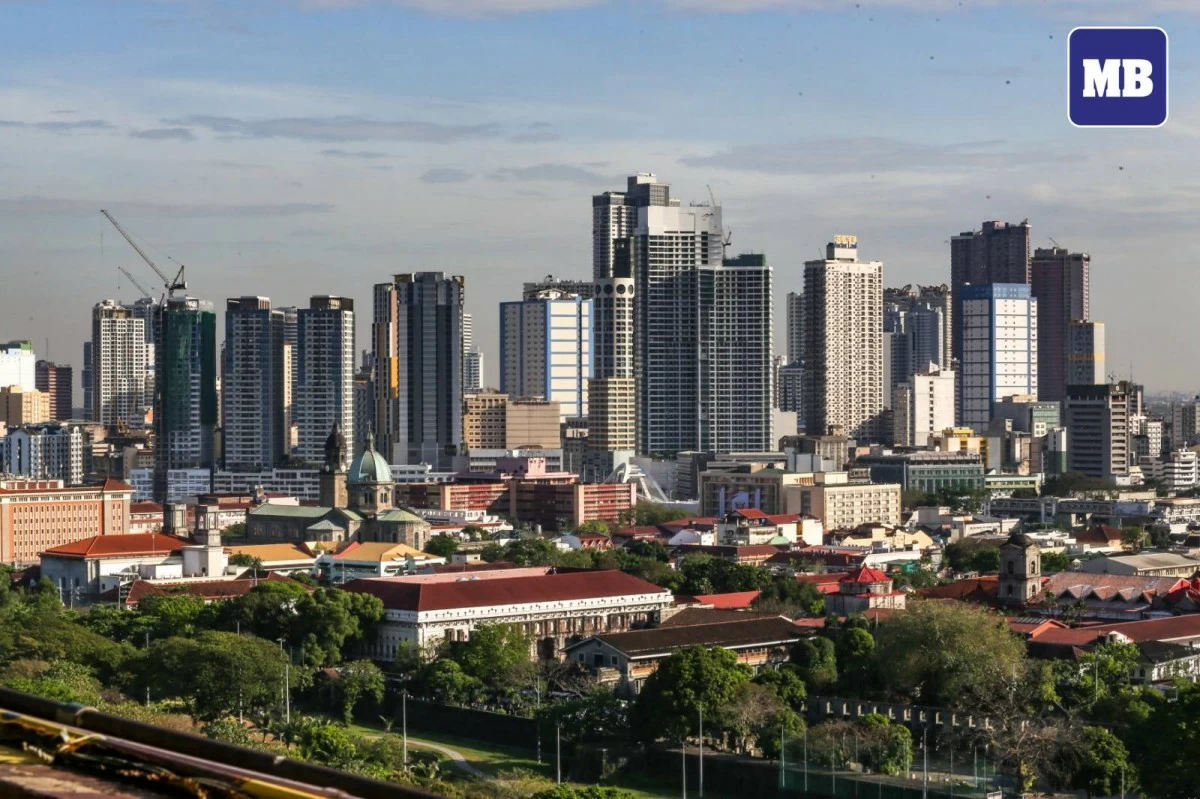
The government has issued the implementing rules and regulations (IRR) for the recently signed law that extends lease periods for private lands by foreign investors to 99 years, in a bid to make the country a top investment destination.
The Department of Trade and Industry (DTI) and the Land Registration Authority (LRA) signed the IRR last week to outline the specific measures of Republic Act (RA) No. 12252, which amended the Investors’ Lease Act.
RA 12252, which was enacted in September, extends the long-term lease of private lands by foreign investors from the previous maximum period of 75 years to an aggregate of 99 years.
Trade Secretary Cristina Roque expects the issuance of the law’s IRR to bring much-needed stability to the country’s regulatory environment amid economic headwinds.
“Our goal is to establish the Philippines as a top global investment destination. This signing [of the IRR] provides the long-term security our investors need and proves that we are serious about creating a more competitive and business-friendly nation,” Roque said.
By offering longer leasehold terms, the DTI Secretary said the government could attract a steady flow of long-term capital, as well as advanced technology and global expertise.
Based on the IRR, foreign investors seeking to lease private lands must first have an approved and registered investment, with the leased area used solely for the investment.
For the tourism sector, the lease of private lands remains limited to projects with an investment of not less than $5 million, of which 70 percent must be infused into the project within three years from the signing of the lease.
The IRR said the 70 percent covers pre-development and pre-operating expenses, the cost of land and land improvements, buildings, leasehold improvements, working capital, machinery and equipment, inventory, and other current and noncurrent assets.
In addition, it stated that the lease shall be terminated if the investor withdraws its registered investment before the lease expires or if the property is used for unauthorized purposes.
Consistent with this, the President has the authority to impose a shorter lease period for investors engaged in industries considered critical infrastructure, in the interest of national security.
Moreover, foreign lessees seeking renewal must demonstrate that they have made “social and economic contributions to the country.”
The IRR requires the annotation of lease contracts on land titles, making the lease binding on the public while also serving as another layer of legal protection.
It also further improves the ease of doing business in the country by outlining a step-by-step compliance process and establishing specific timelines for government agencies to act on applications.
These new reforms will officially take effect on Jan. 4, 2026.
Once these measures are in place, Trade Undersecretary Ceferino Rodolfo said the country will unlock more investment opportunities moving forward.
The latest data from the Philippine Statistics Authority (PSA) showed that investments registered with the country’s investment promotion agencies (IPAs) reached ₱824.7 billion in the first nine months, down 47.8 percent from ₱1.58 trillion recorded in the same period last year.