







A quiet kind of wonder: Traveling through Japan in the Christmas season
Published Dec 25, 2025 03:48 pm


Even at the height of the Christmas holidays—when shopping districts overflow with locals and tourists alike—Japan feels remarkably calm. People move with purpose but without urgency. There is no roar of rowdy crowds, no jostling commuters pushing past one another. Instead, there is an extraordinary stillness, a sense of order that feels almost surreal for a country so densely populated.
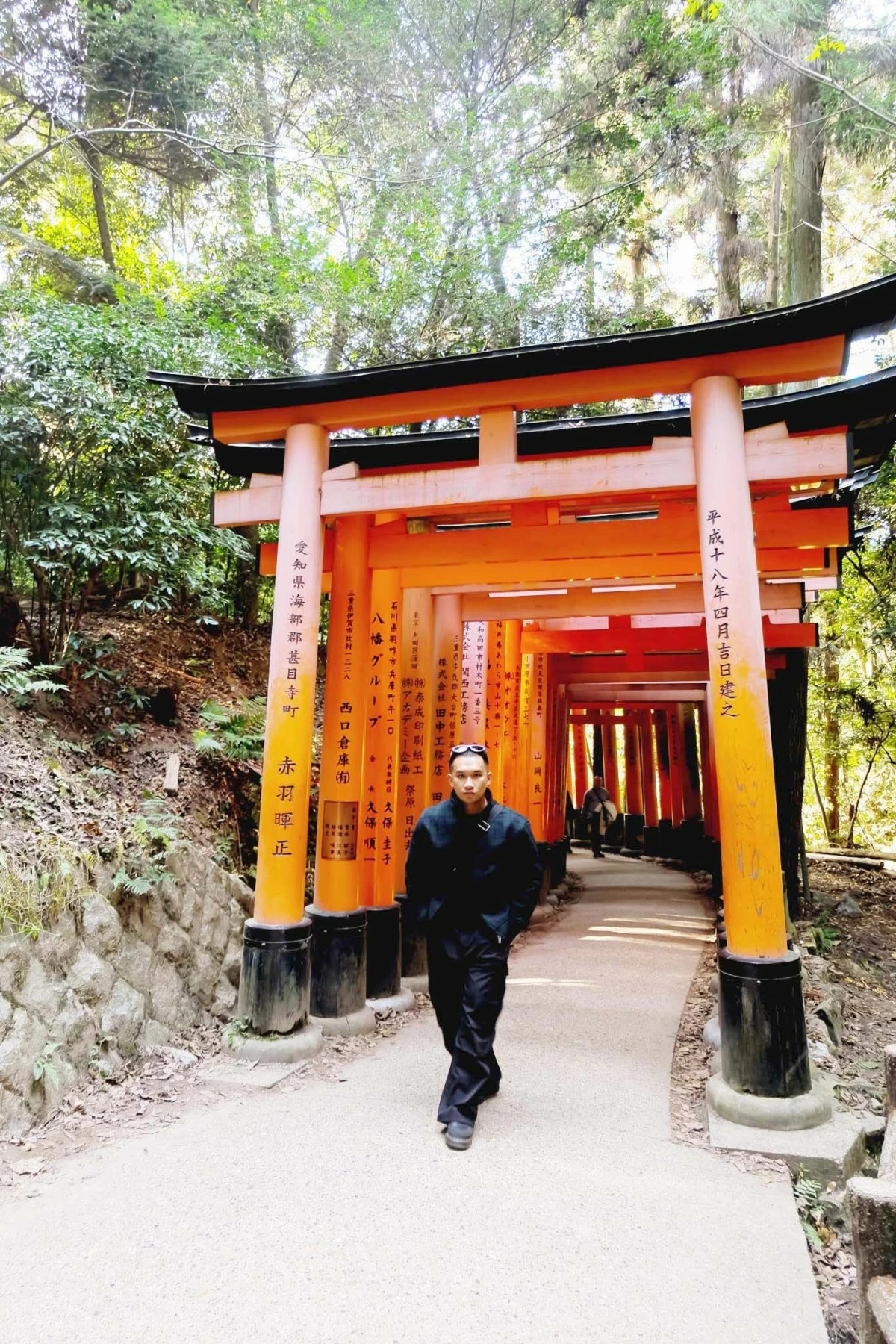
THE AUTHOR at the entrance of Fushimi Inari Taisha.
I felt this most clearly at the end of each long day. No matter how crowded the trains were, the atmosphere inside remained hushed. Phones were silenced, conversations subdued. The quiet offered an unexpected kind of peace, a moment to breathe after hours of walking, exploring, and absorbing new sights.
I later learned that this calm is rooted in deeply held cultural values. Japanese society observes meiwaku—the idea of avoiding inconvenience or disturbance to others—as well as wa, or harmony. These principles shape everyday behavior, especially in shared spaces. What struck me was how naturally visitors seemed to adapt. Without signs or reminders, even tourists appeared to fall into step with the rhythm of respect.
We spent nine full days in Japan beginning Dec. 8, traveling through Osaka, Kyoto, and Tokyo—three cities known for their popularity, especially during the holiday season. With visitors arriving from around the world, I expected congestion and chaos. Instead, I found serenity.
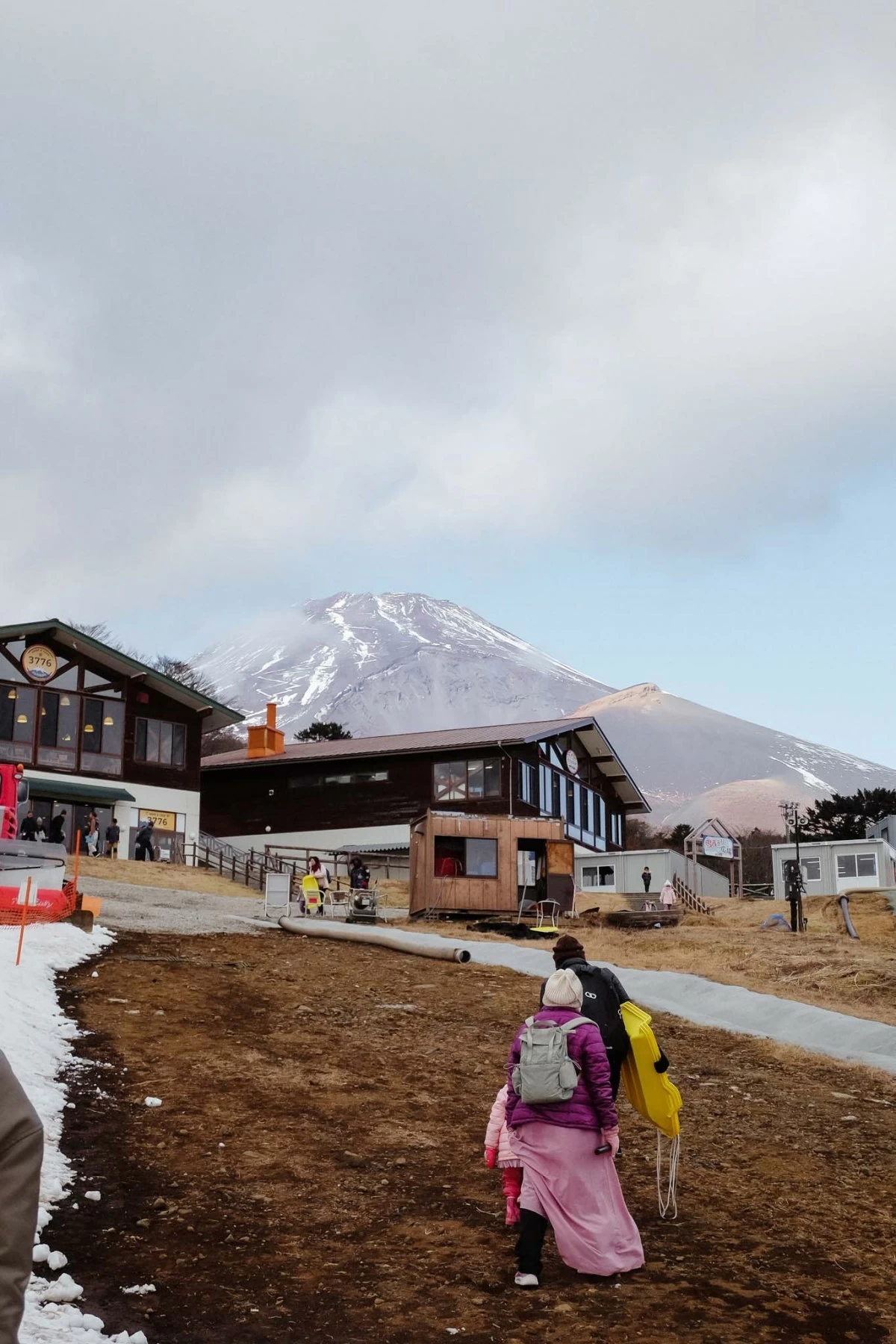
A FAMILY WALKS at a ski resort at the foot of Mt. Fuji (at the background).
Our first stop was Osaka. Universal Studios Japan was packed, with wait times stretching up to an hour and a half for some rides. Yet the experience never felt stressful. Lines moved patiently, and the staff maintained warmth and enthusiasm throughout the day.
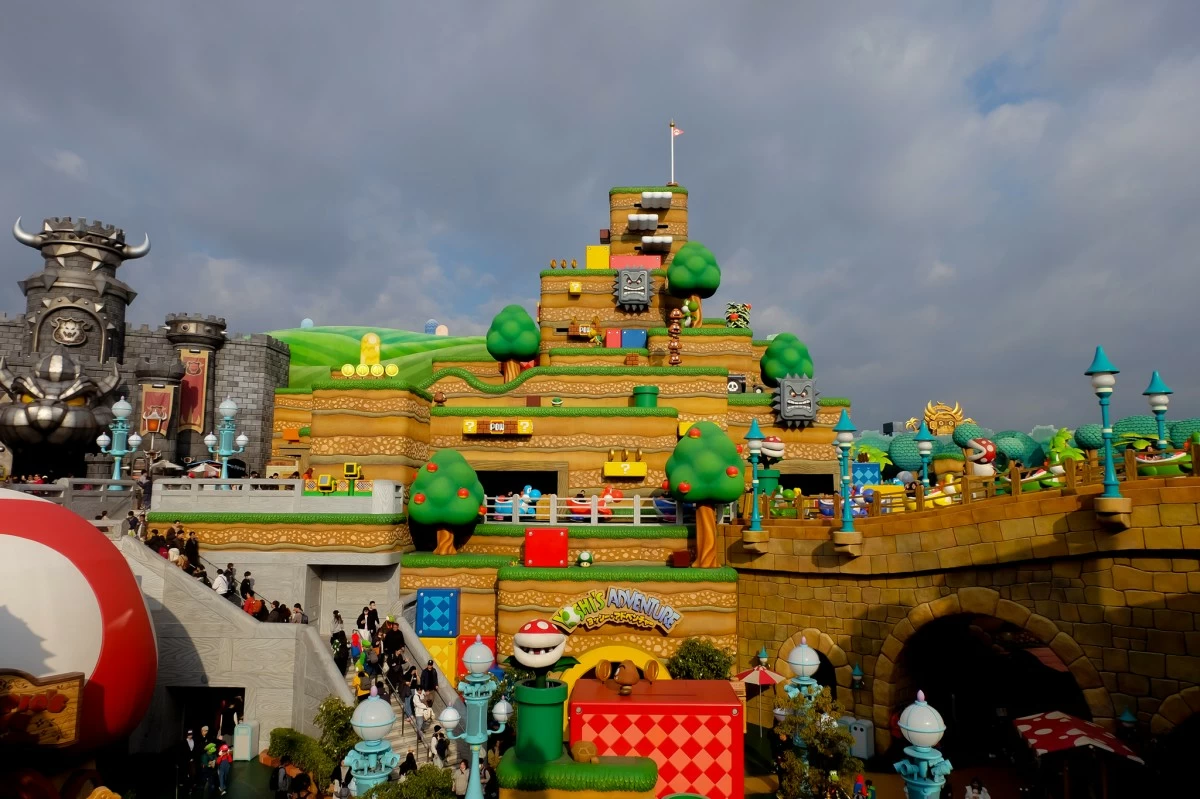
As I entered Super Nintendo World wearing a Harry Potter–inspired outfit, one cheerful staff member grinned and shouted, “Gooooo, Gryffindor!” in a playful, exaggerated Mario accent. It was a small moment, but it captured something essential about Japan’s hospitality: efficiency paired with genuine delight.
We also visited Osaka Castle, a striking reminder of Japan’s feudal past. Built in 1583 under the orders of Toyotomi Hideyoshi—a powerful shōgun and daimyō—it once served as a military base and a symbol of ambition during Japan’s unification. Today, the castle stands not only as one of Japan’s most famous landmarks, but as a bridge between centuries, blending history with modern city life.
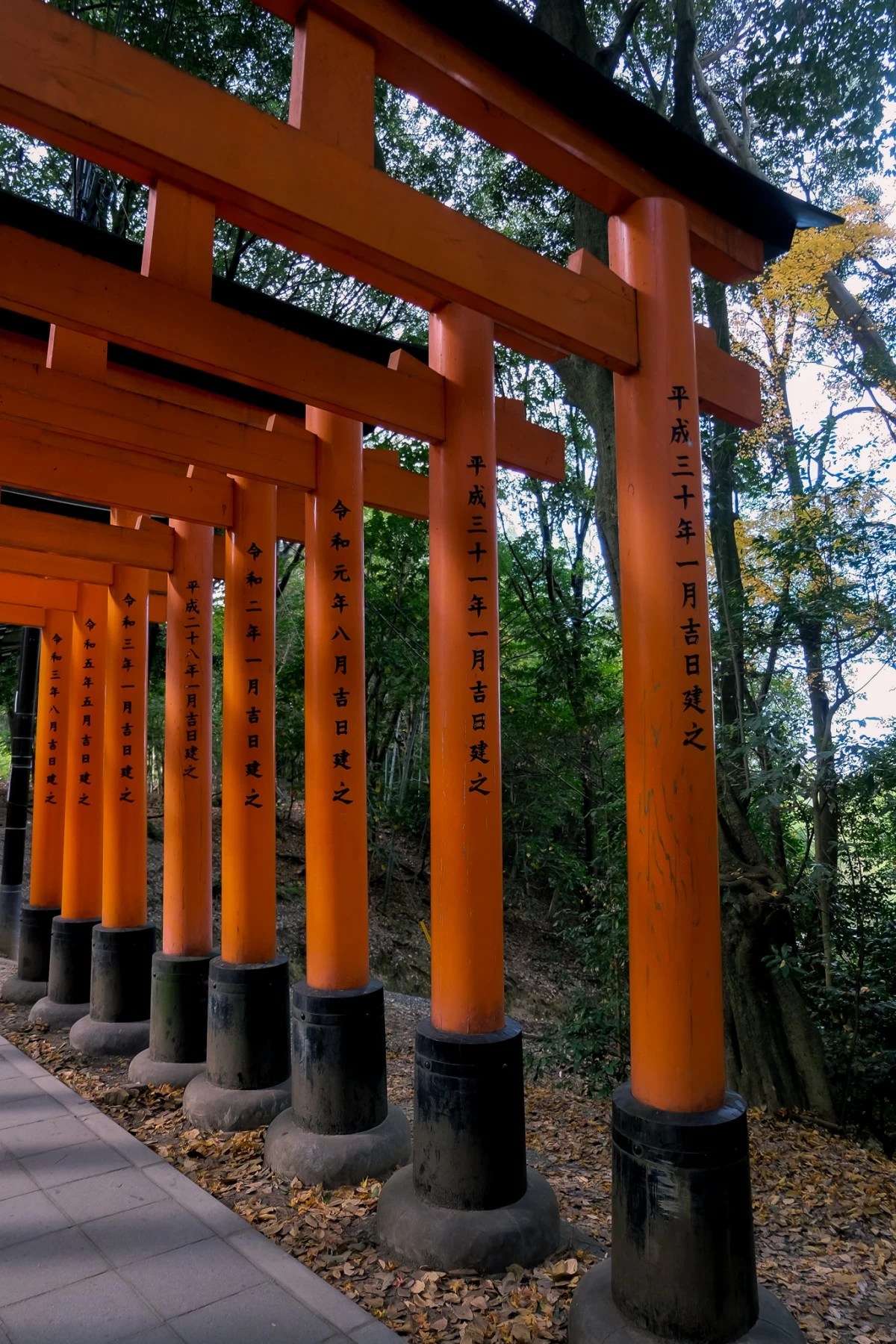
From Osaka, we traveled to Kyoto, where history and spirituality feel deeply intertwined. At Fushimi Inari-taisha, the thousands of vermilion torii gates climbing the forested slopes of Mount Inari create one of Japan’s most iconic images. While many visitors come for photographs, fewer know that these gates are donations from individuals and businesses, forming a pathway into the sacred realm of the kami—the deities honored in Shinto belief.
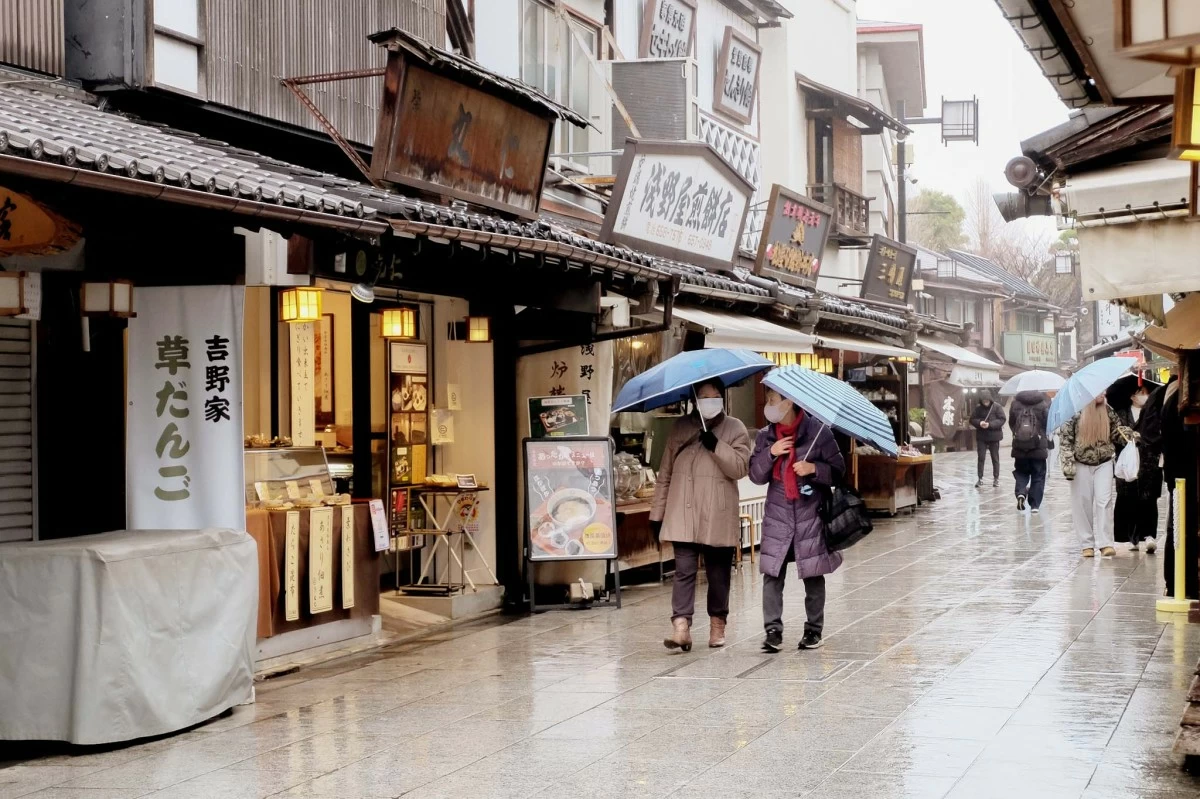
TOURISTS EXPERIENCE the old Tokyo as they walk on the streets of Shibamata, a neighborhood in Katsushika ward in Tokyo that reminds of infrastructure during the time of Emperor Showa (Hirohito).
Fushimi Inari is the head shrine dedicated to Inari, the kami associated with foxes, fertility, rice, agriculture, industry, and prosperity. Walking beneath the gates, I felt not only awe at their scale, but a quiet reverence, as though each step carried the weight of centuries of faith and gratitude.
Our final destination was Tokyo, a city I had visited once before during summer. Seeing it again in winter revealed a different personality. Tokyo dazzles with its towering buildings, sprawling train networks, shopping centers, pubs, and neon-lit streets—made even brighter by holiday decorations. Yet beneath this modern energy, the city preserves pockets of the past.
On our last full day, we traveled an hour from Tokyo Station to Shibamata, a neighborhood often overlooked by tourists. Described by many as a “time capsule,” Shibamata feels frozen in the era of Emperor Shōwa (Hirohito), from the 1920s to the 1980s.
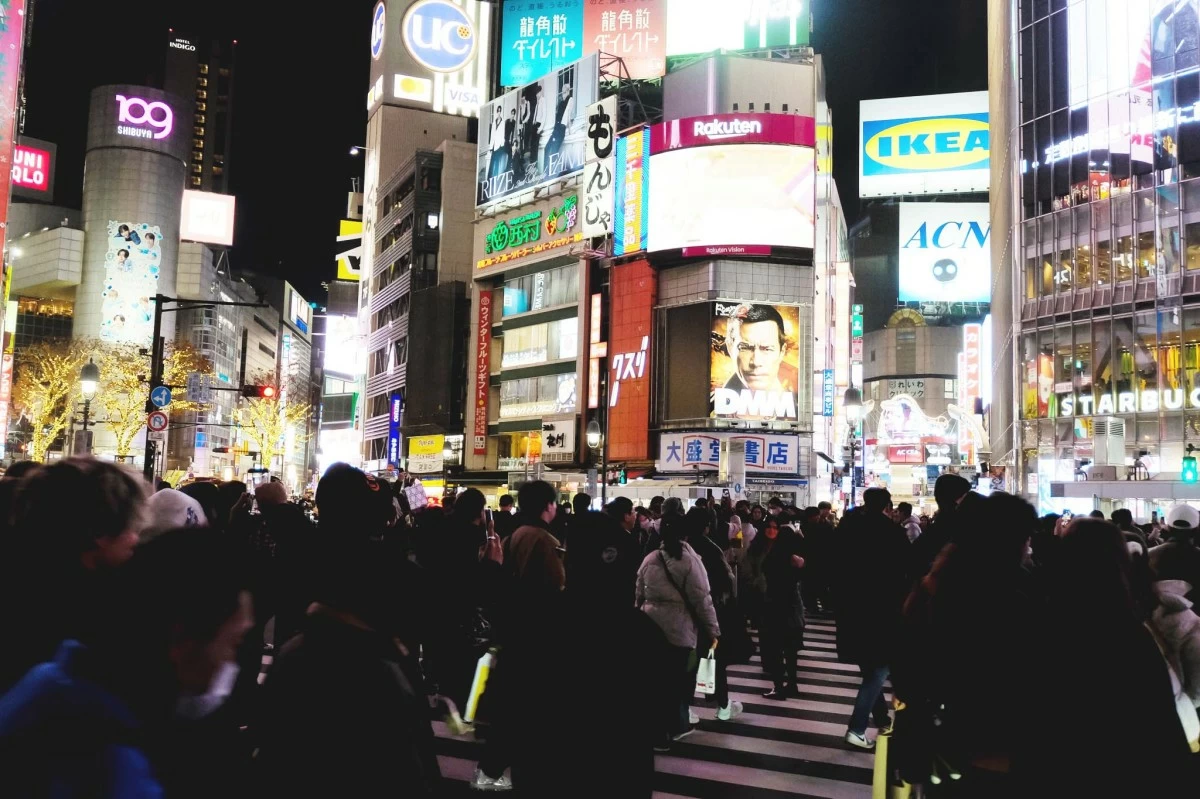
PEOPLE SCRAMBLE at the iconic Shibuya Crossing in Tokyo, where up to 3,000 individuals cross every turn of the green light.
From the station, we walked through quiet, nostalgic streets toward Shibamata Taishakuten, a Buddhist temple that anchors the neighborhood. Along the way, vendors sold traditional snacks, rice cakes, and handmade souvenirs. The pace was slow, the atmosphere intimate—offering a glimpse of Tokyo as it once was, before the rush of modernity.
Japan’s tourism continues to grow despite global challenges, including regional diplomatic tensions that have discouraged some travelers. In November alone, the country recorded a 10.4 percent year-on-year increase in visitors, surpassing a record 36.87 million tourists in 2024.
Yet what Japan offered me went beyond numbers or famous landmarks. It showed me something that felt almost unreal: a country that is populated yet quiet, busy yet serene. In a world that often equates movement with noise, Japan revealed the beauty of harmony—and left me carrying its calm long after the journey ended.