






Manila Bulletin
 Business
Trade & Industry
Philippines corn imports to surge 16% amid typhoon-driven crop losses—USDA
Business
Trade & Industry
Philippines corn imports to surge 16% amid typhoon-driven crop losses—USDA
Business
Trade & Industry
Philippines corn imports to surge 16% amid typhoon-driven crop losses—USDA
Philippines corn imports to surge 16% amid typhoon-driven crop losses—USDA
Published Dec 24, 2025 12:00 am
|
Updated Dec 23, 2025 12:29 pm


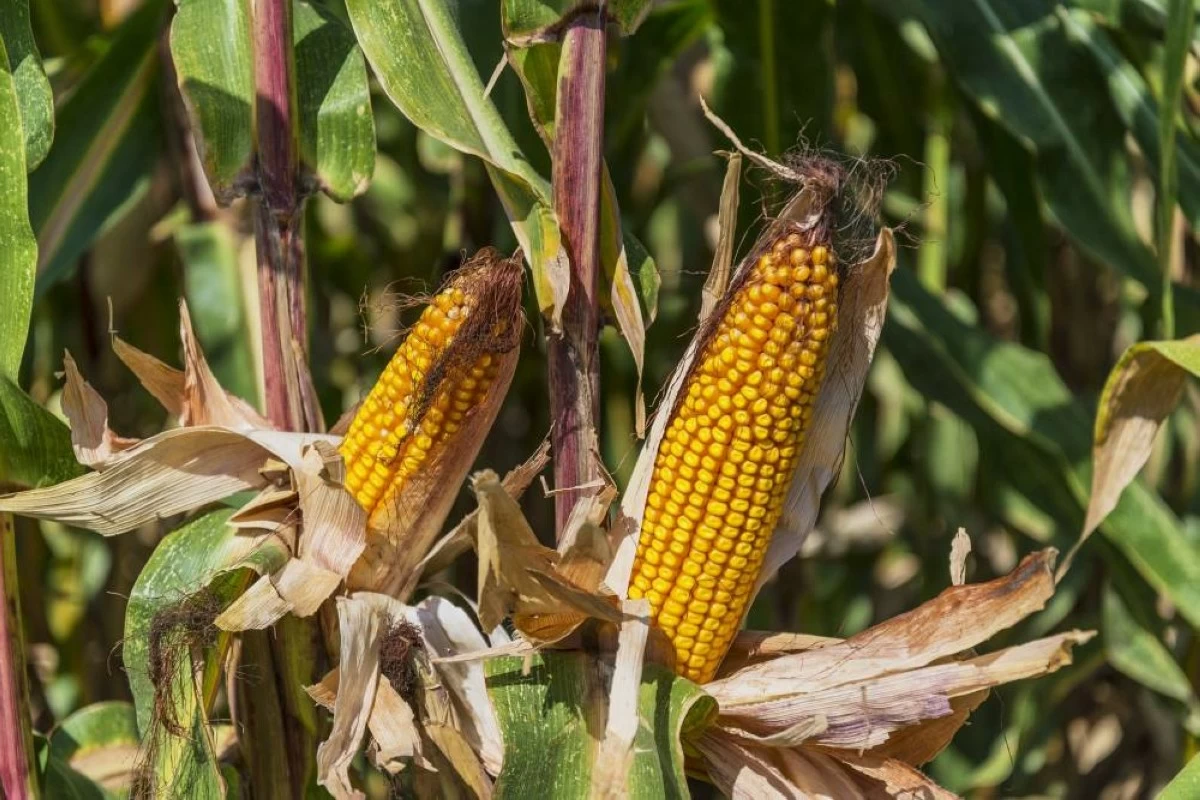
(Pixabay)
The Philippines is expected to ramp up corn imports by as much as 16.5 percent in the current market year (MY) following a decline in local production due to recent typhoons, according to the United States Department of Agriculture (USDA).
In a report by its Foreign Agricultural Service in Manila, the USDA expects the country’s corn imports to reach 1.85 million metric tons (MT) in MY 2025-2026, compared to 1.76 million MT in the previous year.
The current marketing year started in July and will end in June next year.
The new estimate is 5.7 percent higher than USDA’s initial forecast of 1.75 million MT.
Projected higher corn imports are attributed to lower local output following the impact of several typhoons from July to November.
The USDA anticipates corn production will decline to 8.27 million MT in MY 2025-2026 from its previous estimate of 8.35 million MT, which is higher than 8.33 million MT in the previous market year.
A higher output for MY 2025-2026 was expected initially following strong yields in the second quarter, supported by favorable weather conditions and sustained government support.
This upward trajectory was offset in the third quarter, as the corn industry suffered around 71,000 MT of damage from typhoons.
“Cagayan Valley, the country’s leading corn-producing region, was particularly hit hard by these typhoons during this period,” the report read.
Apart from output decline, higher imports are also expected to support the increase in the country’s corn consumption.
The USDA has revised its projection of total corn consumption to 10.15 million MT from the previous estimate of 10 million MT upward.
The increase in demand for the commodity is fueled by higher feed and residual use, reflecting the continued growth in the broiler, layer, and pet food industries.
While feed millers continue to prefer locally produced corn for its yellow color, the report noted that they remain open to using more imported corn provided that prices are favorable and customer specifications for color are met.
The USDA also pointed to the gradual recovery of the hog population, which is a key driver for the increase in animal feed, behind the increase in consumption.
Data from the Philippine Statistics Authority (PSA) showed that the country’s local swine population has grown to 9.11 million heads by Oct. 1, compared to 8.75 million heads on Jan. 1.