






 Philippines
National
Gatchalian says corruption loophole in unprogrammed funds removed in 2026 budget
Philippines
National
Gatchalian says corruption loophole in unprogrammed funds removed in 2026 budget
Gatchalian says corruption loophole in unprogrammed funds removed in 2026 budget


At A Glance
- The chairman of the Senate Committee on Finance pointed to the Strengthening Assistance for Government Infrastructure and Social Programs (SAGIP), which previously housed lump-sum funds for government infrastructure projects and social services.
Senator Sherwin Gatchalian said a corruption loophole that was lodged under the Unprogrammed Appropriations (UA) has been removed in the proposed 2026 national budget.
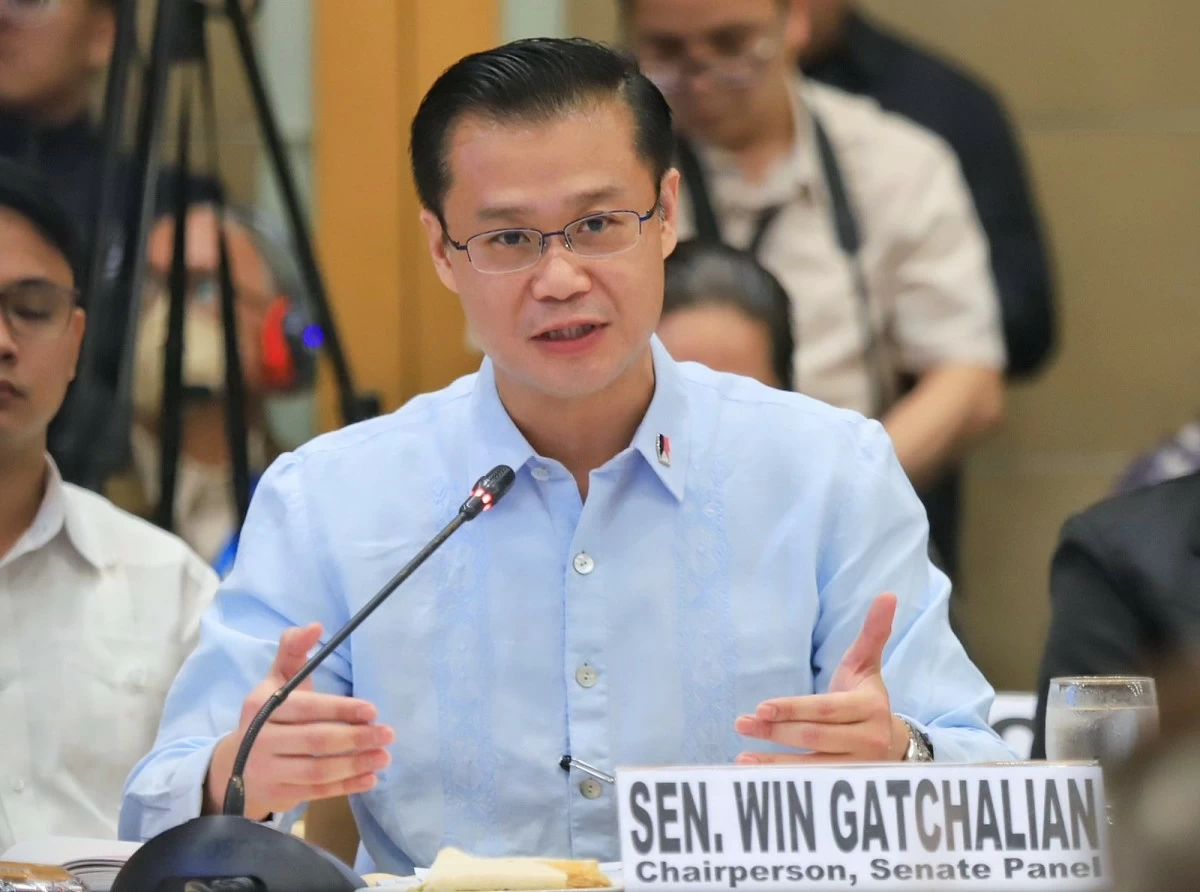
Gatchalian said this was approved by the bicameral conference committee when they reconciled the disagreeing provisions of the P6.793-trillion proposed national budget next year.
The chairman of the Senate Committee on Finance pointed to the Strengthening Assistance for Government Infrastructure and Social Programs (SAGIP), which previously housed lump-sum funds for government infrastructure projects and social services.
“Unprogrammed Appropriations have many parts, and SAGIP is one of them. This is where lump-sum funds used to be placed, such as for flood control projects, which became the root of corruption investigations,” Gatchalian explained.
“This is what we said before that we would remove, and we have removed it in the 2026 budget,” he said.
SAGIP was funded with more than ₱50-billion in 2023, ₱225-billion in 2024, and ₱160-billion this year. It was only in 2024 that funds for flood control were included under SAGIP, amounting to ₱86.93-billion.
“So with the new form of Unprogrammed Appropriations, there is no longer any source of corruption,” the senator stressed.
Gatchalian, however, reiterated that the Unprogrammed Appropriations (UA) component of the budget is not illegal.
Gatchalian also pointed out that under UA, there are still other components such as foreign-assisted projects which requires counterpart funding from the Government of the Philippines (GOP).
“This is actually included in UA because there are still projects that are still under negotiation and others that have not yet had contracts signed,” he explained.
“These projects are not certain to push through, and it is not fiscally prudent to put them under Programmed Funds because they are tentative obligations of the government,” he stressed.
Aside from foreign-assisted projects, programs covered by the UA include appropriation for the AFP Modernization Program.