







Pag-IBIG housing: Building dignity, one home at a time
Published Dec 22, 2025 12:05 am
|
Updated Dec 21, 2025 04:21 pm


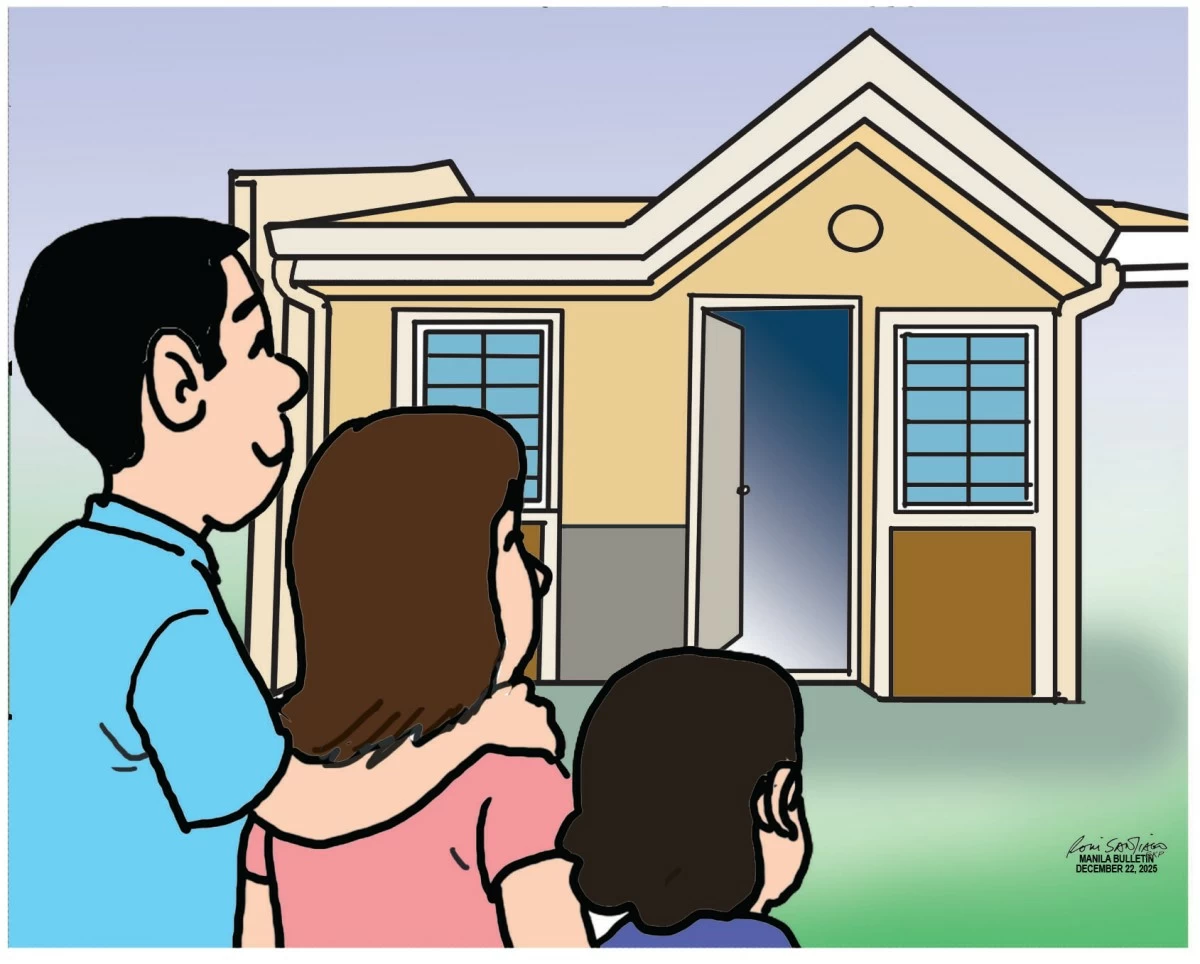
The partnership between the Pag-IBIG Fund, under the Department of Human Settlements and Urban Development (DHSUD) and Megawide Construction Corp., to fast-track the delivery of 7,143 housing units under the Expanded Pambansang Pabahay para sa Pilipino (Expanded 4PH) Program marks an encouraging milestone in the government’s continuing effort to address the country’s housing backlog. This represents significant progress, not merely in terms of numbers, but in terms of dignity and quality of life.
Housing has long been recognized as both a social necessity and an economic multiplier. For millions of Filipino workers, especially Pag-IBIG members who faithfully contribute a portion of their hard-earned income over decades, the dream of owning a decent home often remains elusive. Rising land costs, inflation-driven construction expenses, and limited access to affordable financing have conspired to push formal housing beyond reach. It is against this backdrop that the Pag-IBIG–Megawide initiative deserves attention and support.
The planned housing developments, initially located in Dasmariñas, Cavite, although designed to be priced below prevailing market rates, are notably equipped with amenities typically associated with higher-priced residential projects. This combination of affordability and livability sends an important message. Socialized and affordable housing need not be synonymous with cramped, poorly planned, or substandard living conditions.
By tapping the strengths of the private sector—particularly Megawide’s track record in large-scale, efficient construction—the government demonstrates that public-private partnerships can be leveraged not only for infrastructure like airports and expressways, but also for something far more personal: the Filipino family home.
Speed, quality, and sustainability matter. All three significant elements figure prominently in the partnership between Pag-IBIG and Megawide.
The Expanded 4PH Program reflects a broader policy shift, from treating housing merely as shelter to recognizing it as a foundation for human development. A well-built home in a properly planned community improves health outcomes, enhances productivity, strengthens family bonds, and provides children with a stable environment in which to grow and learn. These benefits ripple outward, contributing to stronger communities and, ultimately, a more resilient economy.
For Pag-IBIG members, the initiative resonates deeply with the Fund’s core mandate. Most contributors are working Filipinos who see Pag-IBIG not only as a source of housing finance, but also as a vehicle for disciplined savings and long-term security. Aligning housing delivery with this lifetime savings framework reinforces trust in public institutions. Moreover, it assures members that their contributions are being translated into tangible, life-enhancing outcomes.
Equally significant is the symbolic value of the project. At a time when public confidence in large government programs is often tested, successful execution of initiatives like Expanded 4PH can help restore faith in the state’s capacity to deliver. Transparent partnerships, realistic pricing, and visible results on the ground matter more than grand promises.
The challenge, of course, lies in scaling up, in ensuring that similar projects are rolled out across regions, adapted to local needs, and supported by transport links, schools, healthcare, and employment opportunities. Housing cannot exist in isolation. It must be integrated into a broader vision of inclusive urban and regional development.
The Pag-IBIG–Megawide partnership offers a promising template. If sustained and replicated, it could help turn the long-held aspiration of “a home for every Filipino family” into a lived reality—one that affirms not only the right to shelter, but the right to a decent and hopeful life. In building homes, the government builds futures. And that is an investment that yields returns far beyond bricks and mortar.