







Navigating slowing growth amid climate risks
Published Dec 22, 2025 12:05 am
|
Updated Dec 21, 2025 04:30 pm


FROM THE MARGINS
When we visited typhoon-ravaged coastal barangays last month, there were signs of struggle everywhere. Fishing boats leaned to one side, roofs patched hastily with tarpaulin, and some community halls — used for schooling, meetings, and emergency shelters — still bore the scars of recent typhoons. These were not just images of recovery, but snapshots of a broader story unfolding across the country.
The Philippine economy, as measured by gross domestic product (GDP) growth, slowed to four percent in the third quarter — the slowest quarterly expansion in 4.5 years. Analysts pointed to weak infrastructure spending amid ongoing investigations, typhoon damage, and sluggish global demand as key factors. But beneath the numbers lies a more pressing reality: climate change is reshaping the economic landscape, threatening the livelihoods of the most vulnerable, and testing the resilience of Filipino communities.
This is where the story of growth, inclusion, and resilience intertwines. Slowing growth is not just a macroeconomic headline; it is a lived experience for families who rely on small-scale farming, fishing, and microenterprises. When a storm destroys a roof, erodes a coastline, or floods a rice field, the immediate cost is tangible: lost income, damaged assets, and mounting debt. The long-term cost is equally real: hesitation among investors, reduced productivity, and rising inequality.
Government: Steering policy and resilience financing
At the national level, the Department of Finance and the Bangko Sentral ng Pilipinas have been developing climate and disaster risk finance and insurance (CDRFI) strategies. Initiatives for green infrastructure investments are also slowly taking shape. These must be pursued, especially since during our field visits, community leaders and local officials often spoke of the urgent need for pre-arranged financing for disasters and climate-resilient infrastructure.
There must also be policies and programs for transparent climate-budget tracking, resilient project planning, and incentives for green growth — such as renewable energy, climate-smart agriculture, and resilient housing. Without these, the economy may continue to falter under the pressure of typhoons, shifting rainfall, and rising seas.
Microfinance: Empowering the base of the pyramid
Walking through the barangay, we met women who run small sari-sari stores and informal fish trading operations. Many have turned to microfinance institutions (MFIs) for loans and savings, not just to survive, but to invest in small resilience measures: reinforced roofs, solar lanterns, or water pumps for drought prone months.
MFIs are increasingly offering climate-aware products: micro-loans for climate-proofing homes, renewable energy, or small-scale irrigation, plus insurance to protect livelihoods from storms and floods. These initiatives do more than prevent poverty; they nurture financial resilience that allows communities to rebound quickly and sustain local economic activity even when disasters strike.
Private sector: Investing in resilient growth
Beyond microfinance, I noticed that many local businesses are also beginning to see the risks and opportunities in climate adaptation. Shipping companies, fish processors, and small manufacturers are assessing supply chains, diversifying sources, and investing in green technology.
Renewable energy projects, resilient warehouses, and climate-smart agriculture are not just sustainability gestures — they are investments that protect profits while contributing to the broader economy. When the private sector aligns its incentives with climate resilience, it creates a multiplier effect, protecting jobs, income, and economic momentum.
Civil society: Giving voice and agency
Civil society organizations play a vital role, acting as watchdogs, educators, and facilitators. They help communities access climate finance, understand insurance, and organize local adaptation projects like mangrove restoration or community-led flood mitigation.
By bridging the gap between government programs, private initiatives, and the daily realities of residents, civil society ensures that resilience is not just a policy slogan, but a lived practice.
Toward a collaborative future
While on field, I saw a young mother carrying her baby while hauling sandbags to reinforce her home. It struck me that these ordinary people are the true foot soldiers of resilience. Every reinforced roof, every climate-smart loan, every community initiative is a small yet powerful act of resistance against the twin threats of economic stagnation and climate disaster.
Slowing growth and climate risk are intertwined challenges that cannot be solved in isolation. The government must continue to prioritize climate-resilient infrastructure, transparent budgeting, and policy incentives for green growth. MFIs must scale inclusive, climate-aware financial services that empower households to protect and invest in their livelihoods. The private sector must embed resilience in operations and invest in climate-smart solutions. Civil society must ensure that communities — especially the most vulnerable — have voice, agency, and access to resources.
The Philippines’ challenge is clear: to transform slowing growth into resilient, inclusive growth. Success depends on collaboration, speed, and vision. The question is no longer whether action is needed. It is how fast, and how effectively, every sector can align. For the communities I met, every day counts—and every foot soldier matters.
* * *
Climate change is the environmental challenge of this generation, and it is imperative that we act before it’s too late.” — John Delaney
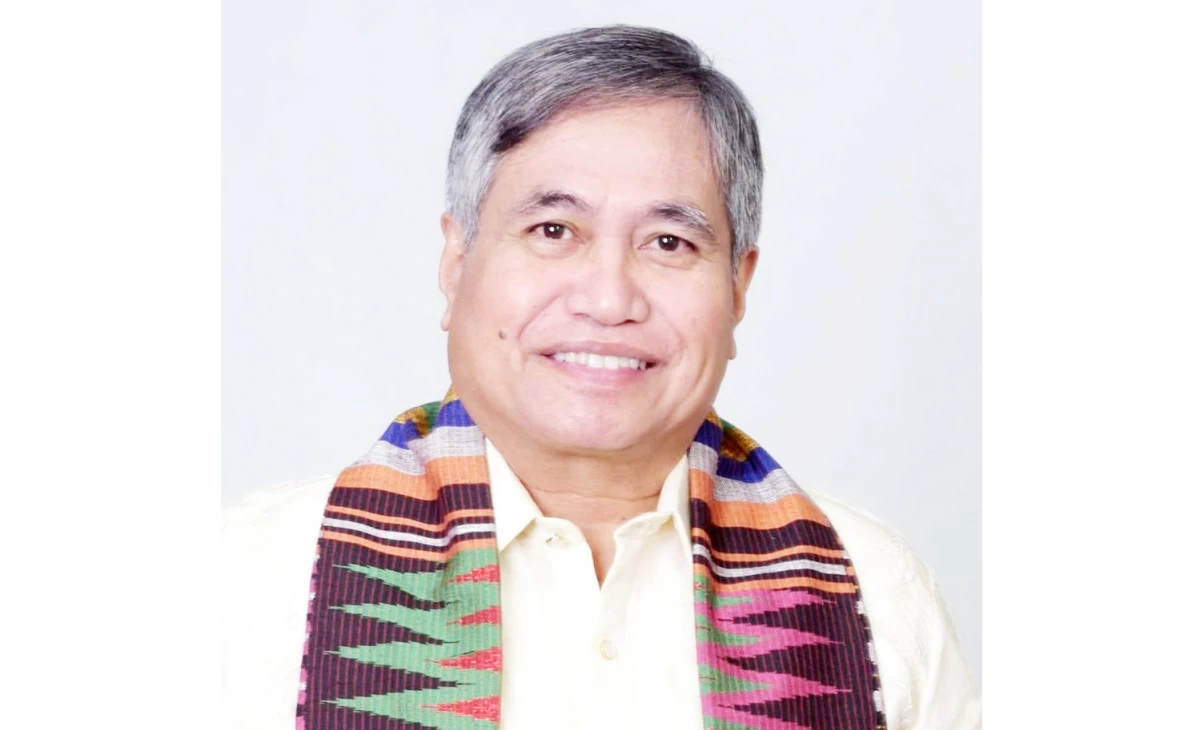
(Dr. Jaime Aristotle B. Alip is a poverty eradication advocate. He is the founder of the Center for Agriculture and Rural Development Mutually-Reinforcing Institutions (CARD MRI), a group of 23 organizations that provide social development services to eight million economically-disadvantaged Filipinos and insure more than 27 million nationwide.)