







Holiday wishes and traditions
Published Dec 22, 2025 03:52 pm


In celebration of the season, we invited our esteemed Heads of Missions to take part in a special holiday edition of Embassies at Work. This issue highlights not only their heartfelt wishes for the Filipino people but also the cherished traditions they bring from their home countries.
We asked them to reflect on two festive questions:
If you could become Santa Claus for a day, what gift would you give the Filipino youth?
Recognizing their dedication to engaging with young Filipinos, we looked forward to hearing their inspiring thoughts on this question.
What is one traditional dish you prepare for Christmas in your home country, and what makes it special?
Through this, we hoped to give our readers a glimpse into the rich culinary traditions that make the holidays meaningful across cultures.
Our ambassadors graciously obliged, sharing their answers as a way of sending warm wishes to the Filipino people. Their reflections not only convey goodwill but also offer our readers a window into the diverse traditions celebrated around the world.
With our best wishes for the holidays, we are delighted to present what our dear ambassadors had to say. May their words bring joy, inspiration, and a deeper appreciation of the season’s spirit.
SINGAPORE
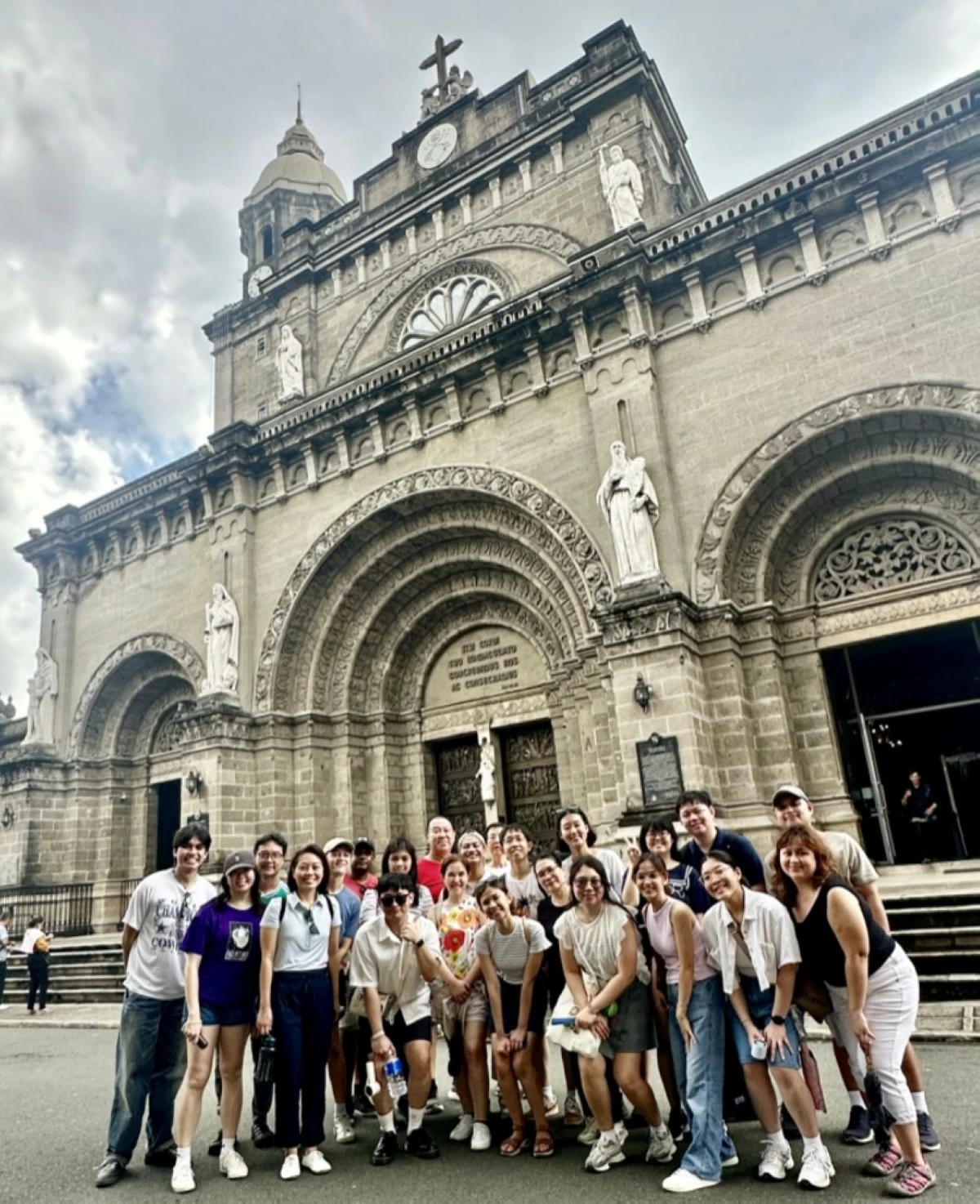
Ambassador See Sin Yuan Angelita Constance (4th from left) with the official embassy family in front of the Manila Cathedral in Intramuros, Manila City
If I’m Santa Claus for a day, I would bring a sack full of curiosity, energy, and adaptability—wrapped in shiny, colourful paper! Our youth are growing up in an exciting fast-changing world and these qualities will help them stay open rather than overwhelmed. Curiosity keeps learning fun, energy drives them moving forward, and adaptability helps them find their feet even when the ground shifts. I have met so many talented Filipino youths. They already have a natural spark; my wish is that they keep it alive and growing.
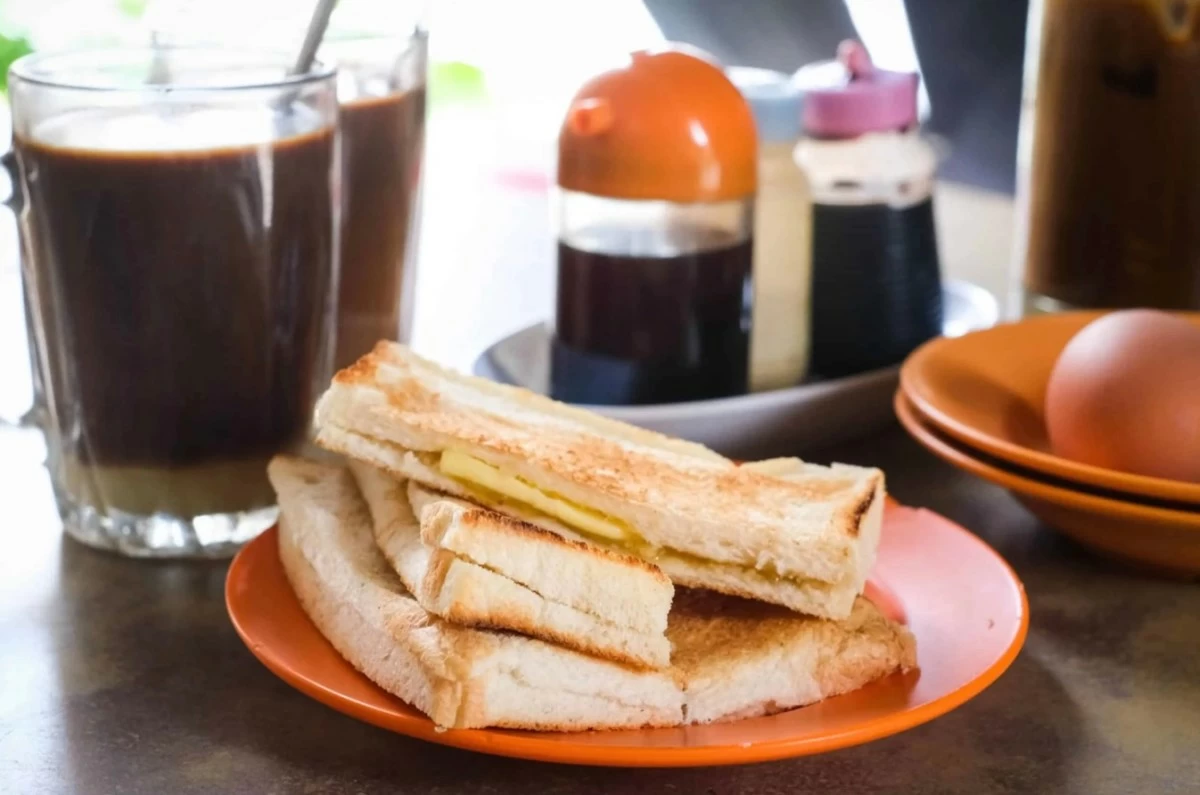
In Singapore, we don’t have a dish that is a Christmas tradition. What many of us enjoy all year round is something very simple— Kaya toast and kopi, which you can find in our heartland coffee shops. Kaya is a fragrant coconut-and-egg jam, usually enjoyed with crisp toast, a thick slab of butter, and a cup of kopi (local coffee). It is loved across generations and communities, reflecting Singapore’s multicultural society, which feels very much in the spirit of Christmas.
New Zealand

If I could be Santa Claus for a day, I’d give Filipino youth greater access to life‑changing opportunities — especially as New Zealand and the Philippines celebrate 60 years of friendship and move toward a Comprehensive Partnership in 2026. This includes the exciting expansion of Manaaki New Zealand Scholarships from 16 to 44 slots, giving more young Filipinos the chance to study at universities in New Zealand, grow, and bring home skills that uplift their communities. It’s a gift that doesn’t just brighten one Christmas — it strengthens our people‑to‑people ties for generations.
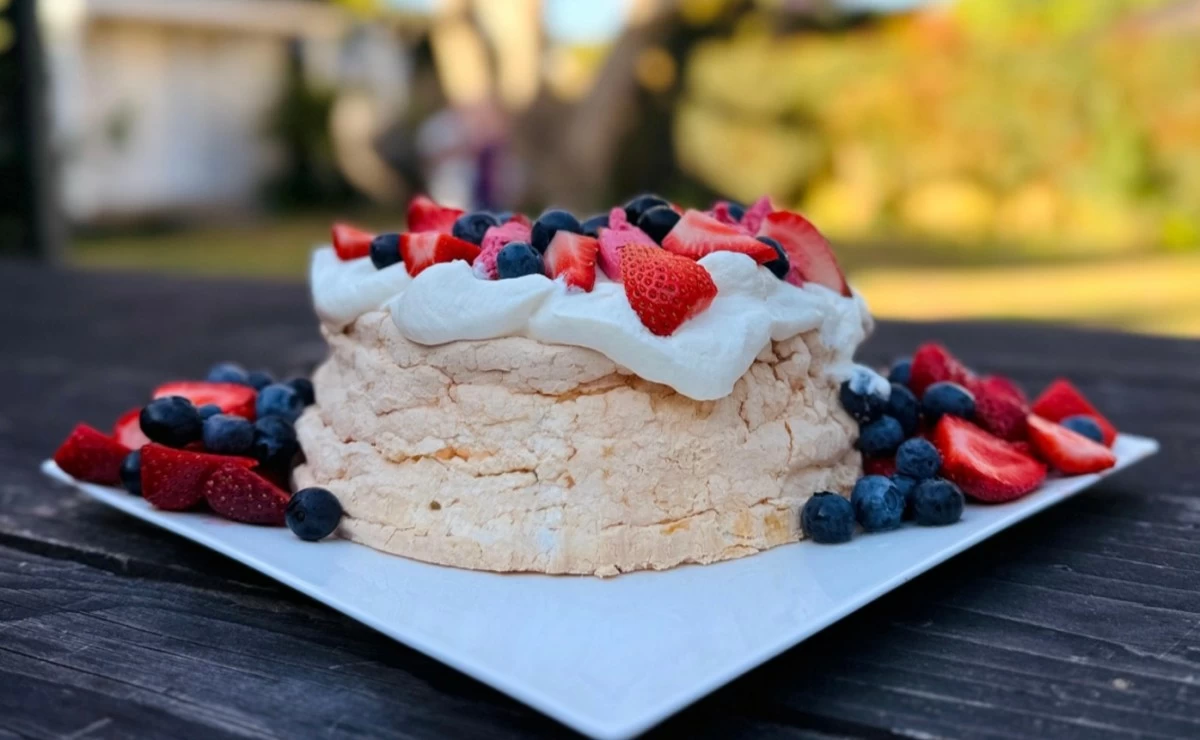
One traditional dish I love preparing for Christmas is pavlova — a favourite kiwi dessert that’s crisp on the outside, fluffy inside, and topped with clouds of cream and colourful New Zealand fruit like kiwi. It’s basically summer on a plate. Here I get to share a sweet piece of New Zealand’s festive tradition with friends and family in Manila, and their reactions ‘Ang sarap!’ always make it feel like my pavlova has officially passed the holiday vibe check.
NORWAY
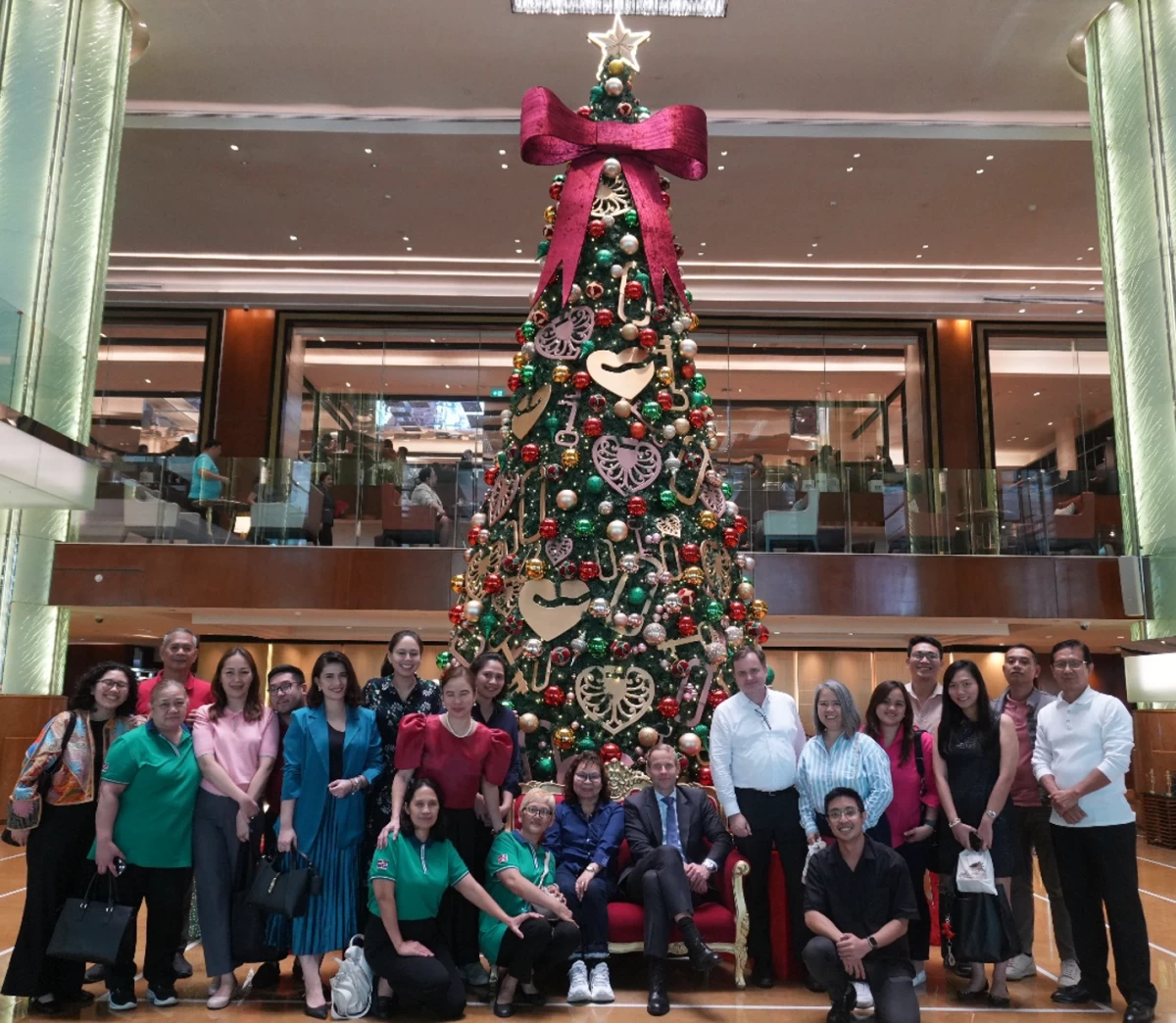
Ambassador Christian Halaas Lyster (seated, right) with his 'secret power'—the dedicated embassy staff who make his diplomatic work efficient, seamless, and successful.
As Santa for a day, I would gift the Filipino youth a future where peace is felt in every barangay.
I would wrap that peace with equality and open doors of opportunity, so that every young person —whatever their gender, faith, or zip code — has the same chance to learn, to lead, and to be heard.
When Filipino youth have peace, equality, and opportunity, they won’t just imagine a better tomorrow for themselves and for the Philippines — they will build it.
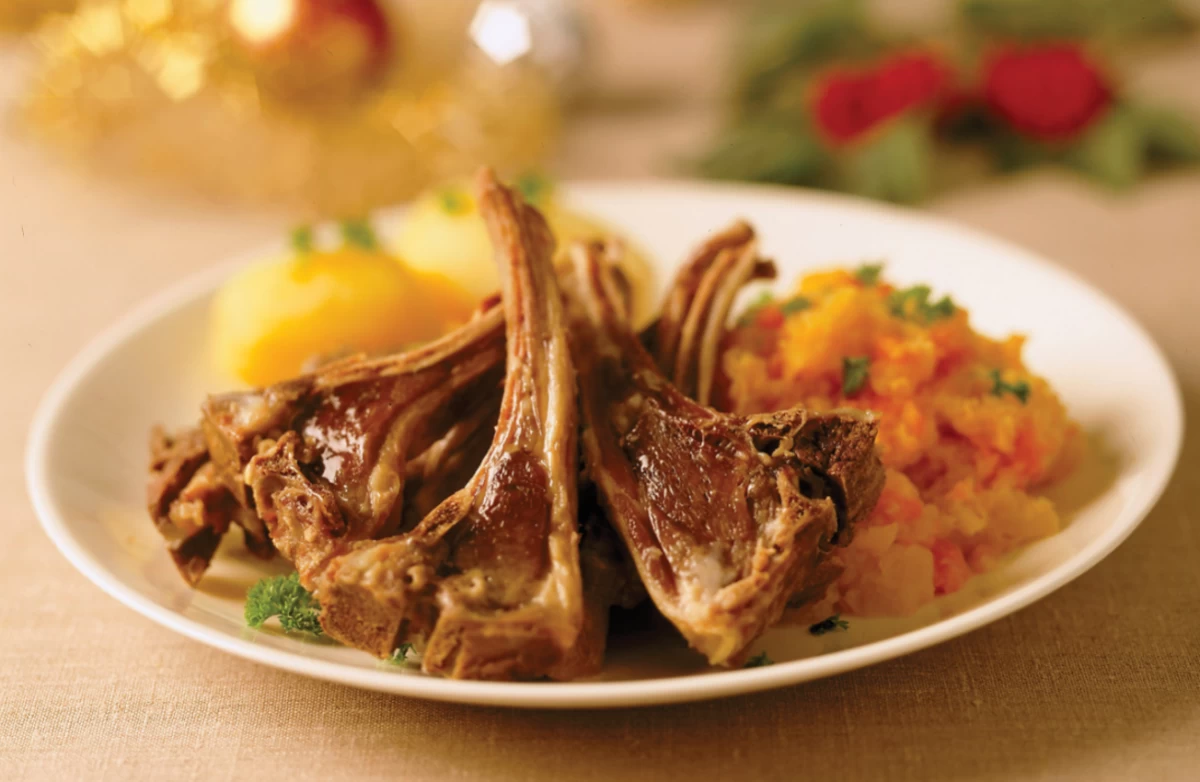
I would prepare Pinnekjøtt (literally ‘stick meat’), a traditional Norwegian Christmas dinner of salt-cured, dried, and sometimes smoked lamb ribs, famously steamed over birch branches to become tender and flavorful, served with potatoes, sausages, and puréed rutabaga (kålrotstappe). It tastes great and since you steam the meat for a long time the aromas fill the house and gives me a true feeling of Christmas. Like Noche Buena in the Philippines, Christmas Eve in Norway is not just about the food—it’s about gathering family and reflecting on gratitude.
IRELAND
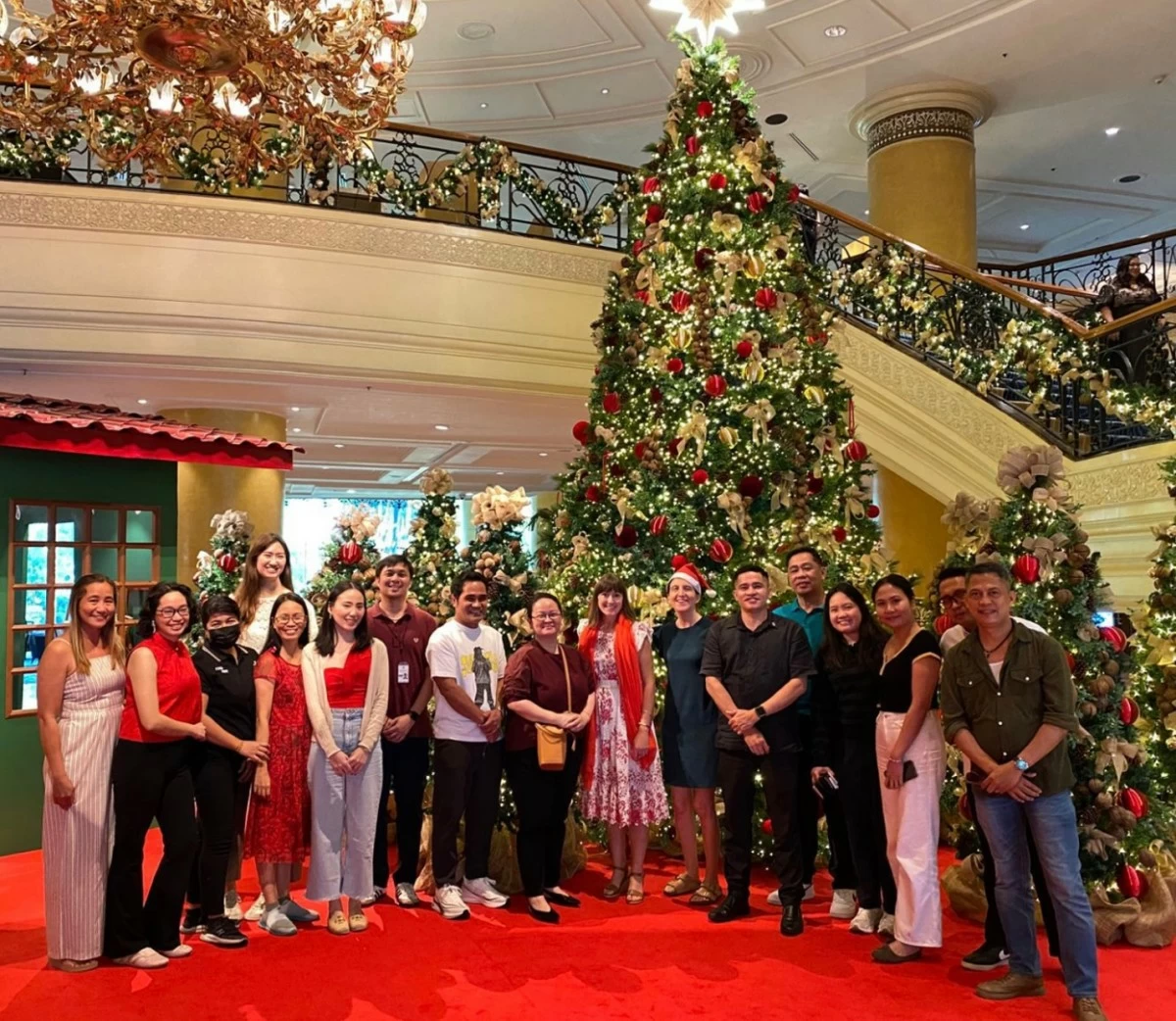
Ambassador Emma Hickey (8th from right) together with the dedicated embassy team whose commitment and hard work drive the mission’s success
Did you know that St. Nicholas, the Saint that is said to have inspired Santa Claus, is believed to be buried in Ireland, in Co. Kilkenny? If I was lucky enough to be Santa for a day, I would give the Filipino youth a sackful of presents, as they all deserve to be on Santa’s nice list! Firstly, a healthy planet as they are not the cause but rather then inheritors of our climate crisis. Secondly, the right to quality education for all so they can go on and achieve their ambitions; and thirdly, health and happiness for all their families and loved ones in 2026.
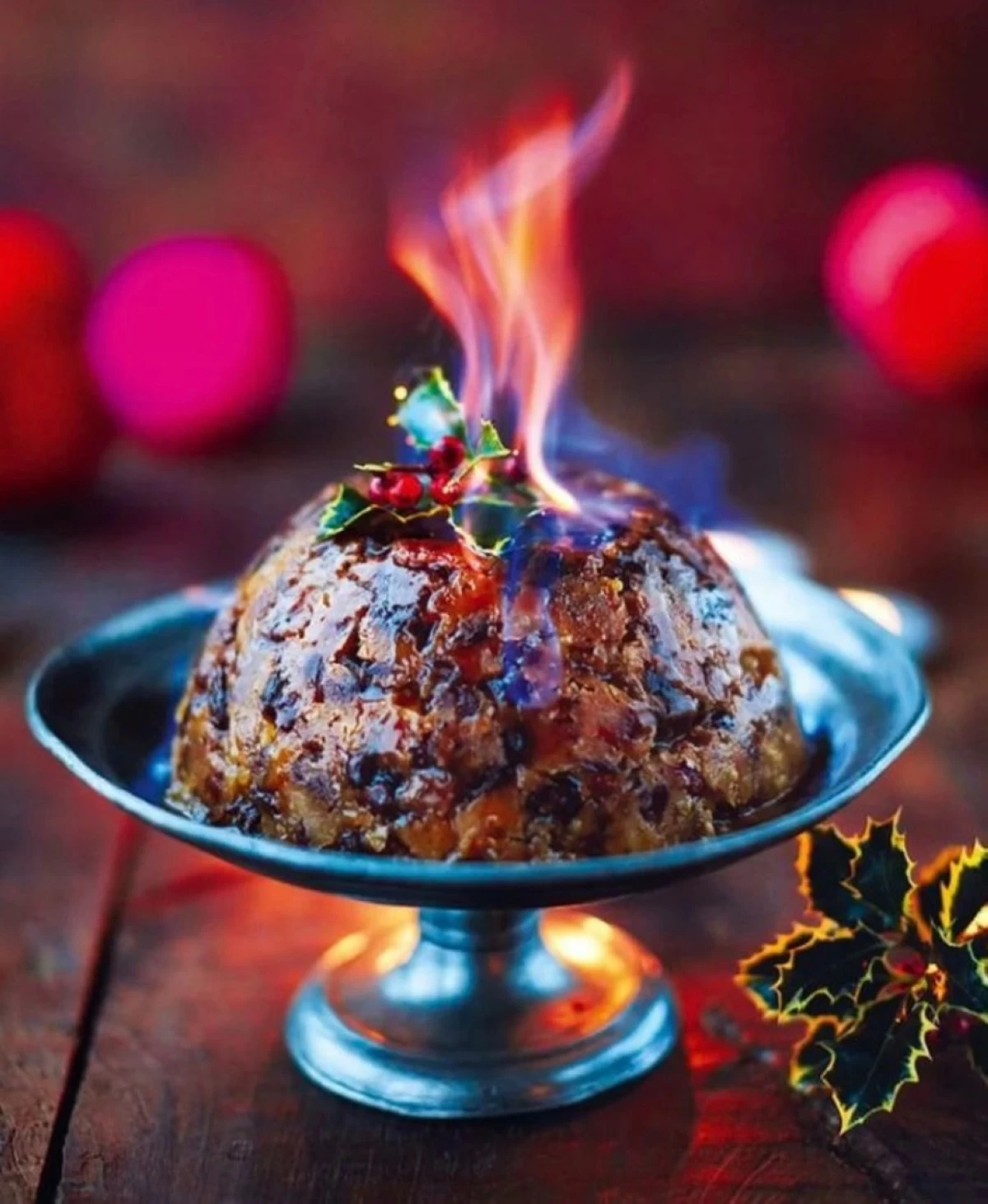
Every Christmas I make Irish Christmas pudding with my family, with a recipe passed down by my granny. Christmas dinner is never complete in my home until the pudding is set on fire! We make the pudding several weeks in advance to allow the flavors of Irish whiskey, dried fruits and spices to mature. On Christmas day we serve it with fresh Irish cream and brandy butter before falling into a food coma. May I wish all Manila Bulletin readers, ‘Maligayang pasko/Nollaig Shona dhaoibh,’ from the Embassy of Ireland!
AUSTRALIA
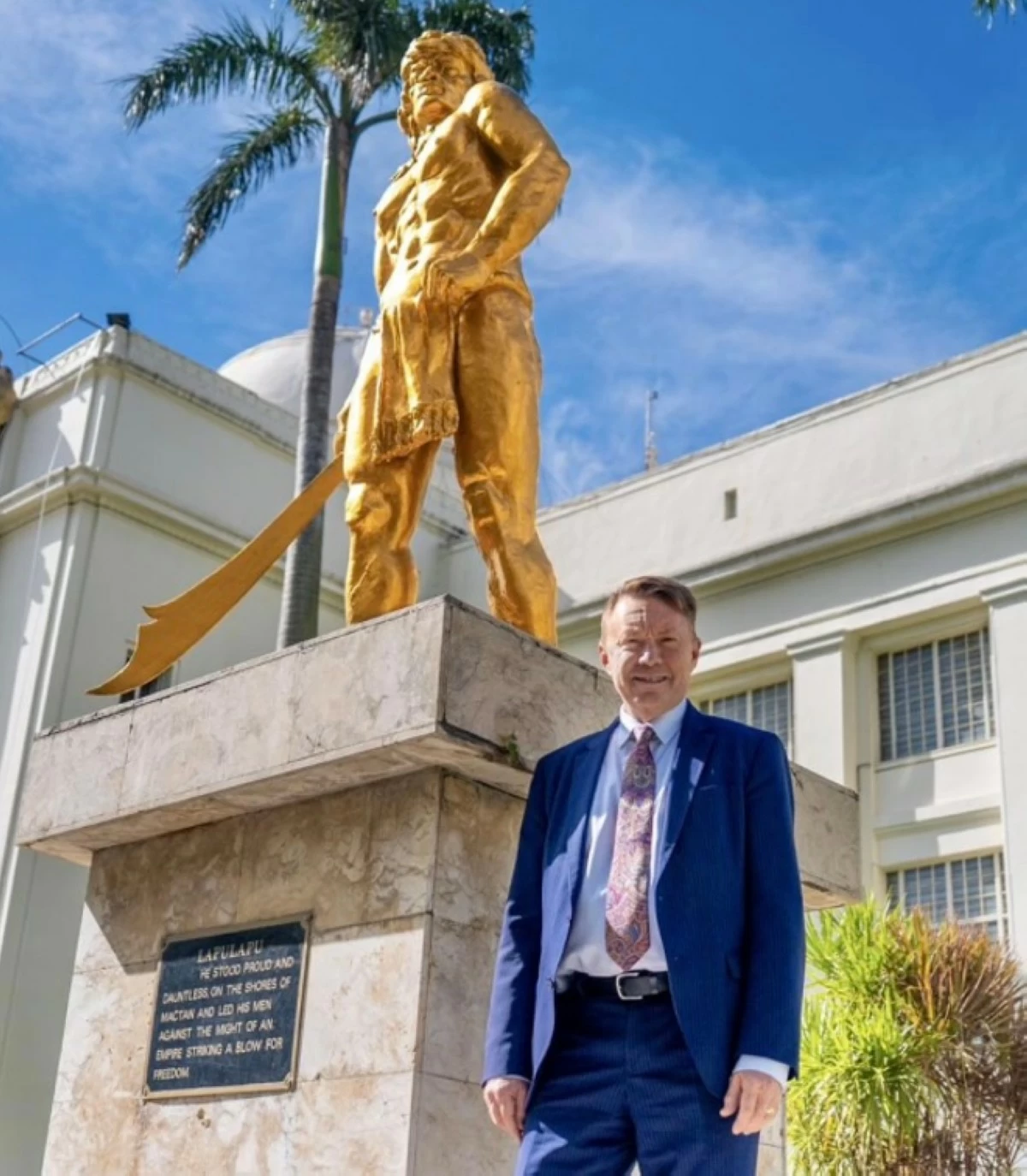
Ambassador Marc Innes-Brown at the iconic statue of Lapu-Lapu during his recent visit to the historic Cebu Provincial Capitol
As a parent, I know how important education is for the future of our children. That is why if I were Santa Claus for a day, I would gift Filipino youth with school supplies and books for the year ahead. One book I would include is Mga Batang Cyber Smart ay Cyber Safe, a children’s book delivering vital messages to children around online safety. The book was recently translated into Tagalog in an initiative led by our Australian Federal Police team here at the Embassy in Manila. We’re delivering the book to more than 57,000 primary schools across the country, but if I were Santa Claus for a day I’d make sure each child had their own copy.
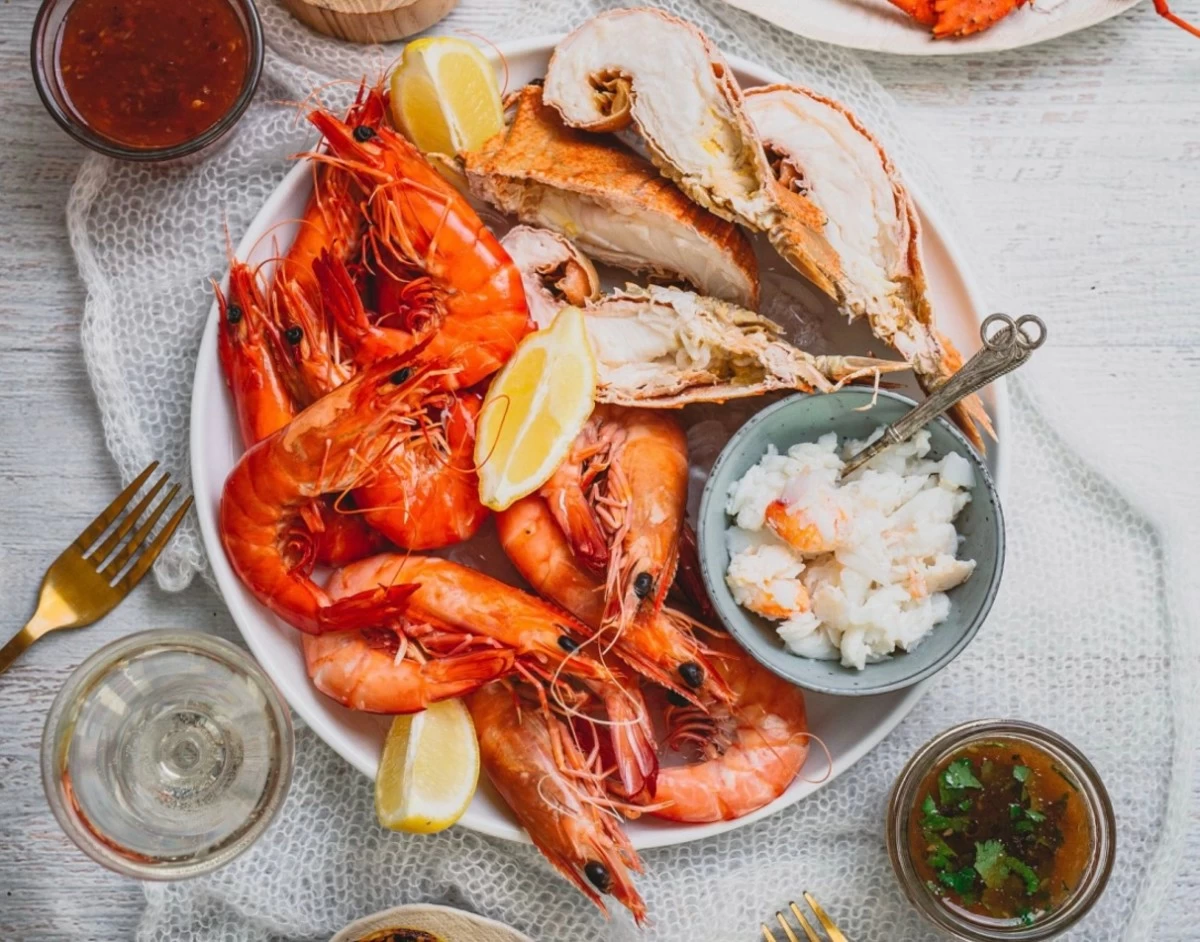
Seafood is a Christmas staple for families across Australia, including mine. Prawns, whether served cold or freshly barbequed, are part of Christmas lunches in all corners of the country. With most of Australia’s population living near the coast, we rely on our oceans as a vital food source year-round – something we share with the Philippines!
HUNGARY
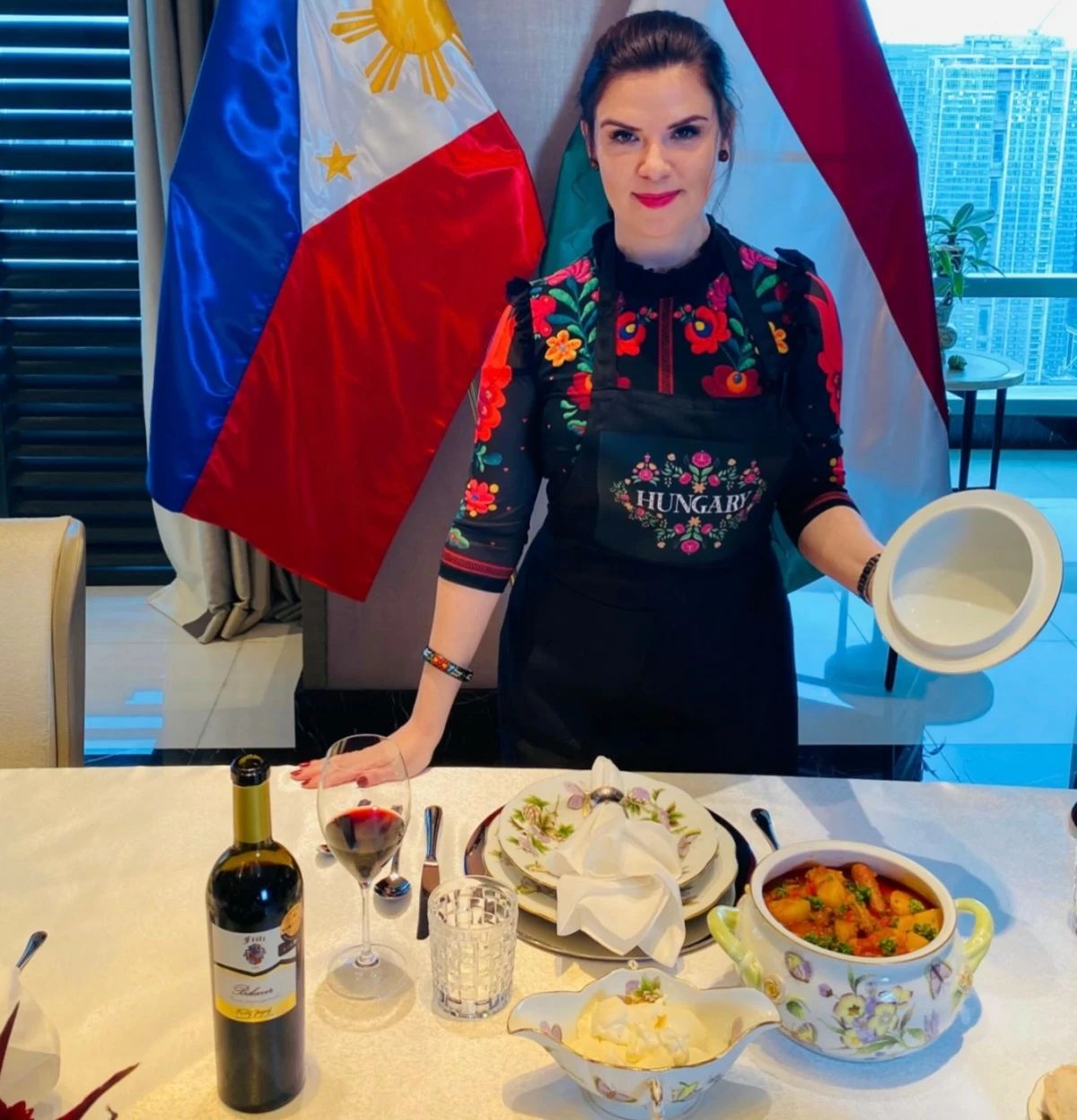
Ambassador Dr. Titanilla Tóth prepares to host a festive holiday feast in a grand style.
If I were to give one meaningful gift beyond any season or holiday, it would be the gift of education. Education has lifelong value—it shapes young people’s futures and stays with them wherever life takes them. While I cannot give this gift personally, Hungary does so every year through the Stipendium Hungaricum Scholarship Program for Filipino students. I am pleased to share that applications are now open. Interested applicants are encouraged to visit www.stipendiumhungaricum.hu/country/philippines before the deadline in January.
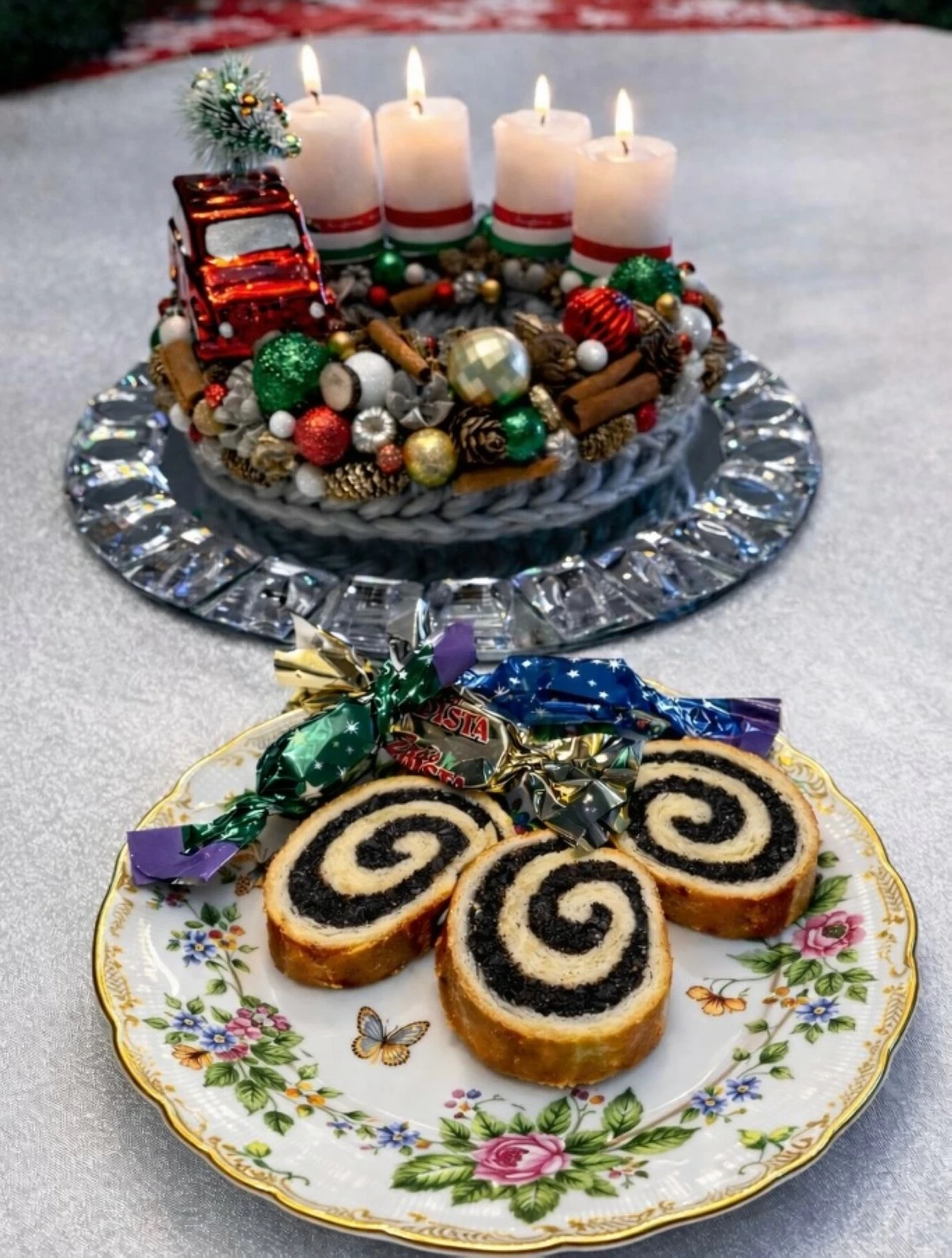
Christmas tables in Hungary would not feel complete without poppy seed or walnut beigli, a beloved tradition often served with both fillings side by side. This festive pastry became a Christmas staple in Hungary in the 19th century and has remained an essential part of holiday celebrations ever since. Today, bakers experiment with new fillings like chestnut, cherry, prune, or chocolate, while the classic versions remain closest to the heart. In Hungarian tradition, poppy seeds are believed to bring good luck and prosperity, while walnuts are said to keep troubles away in the coming year. My husband and I continue this tradition by baking beigli together every Christmas here in the Philippines, turning it into a warm and cherished ritual of our own.
AUSTRIA
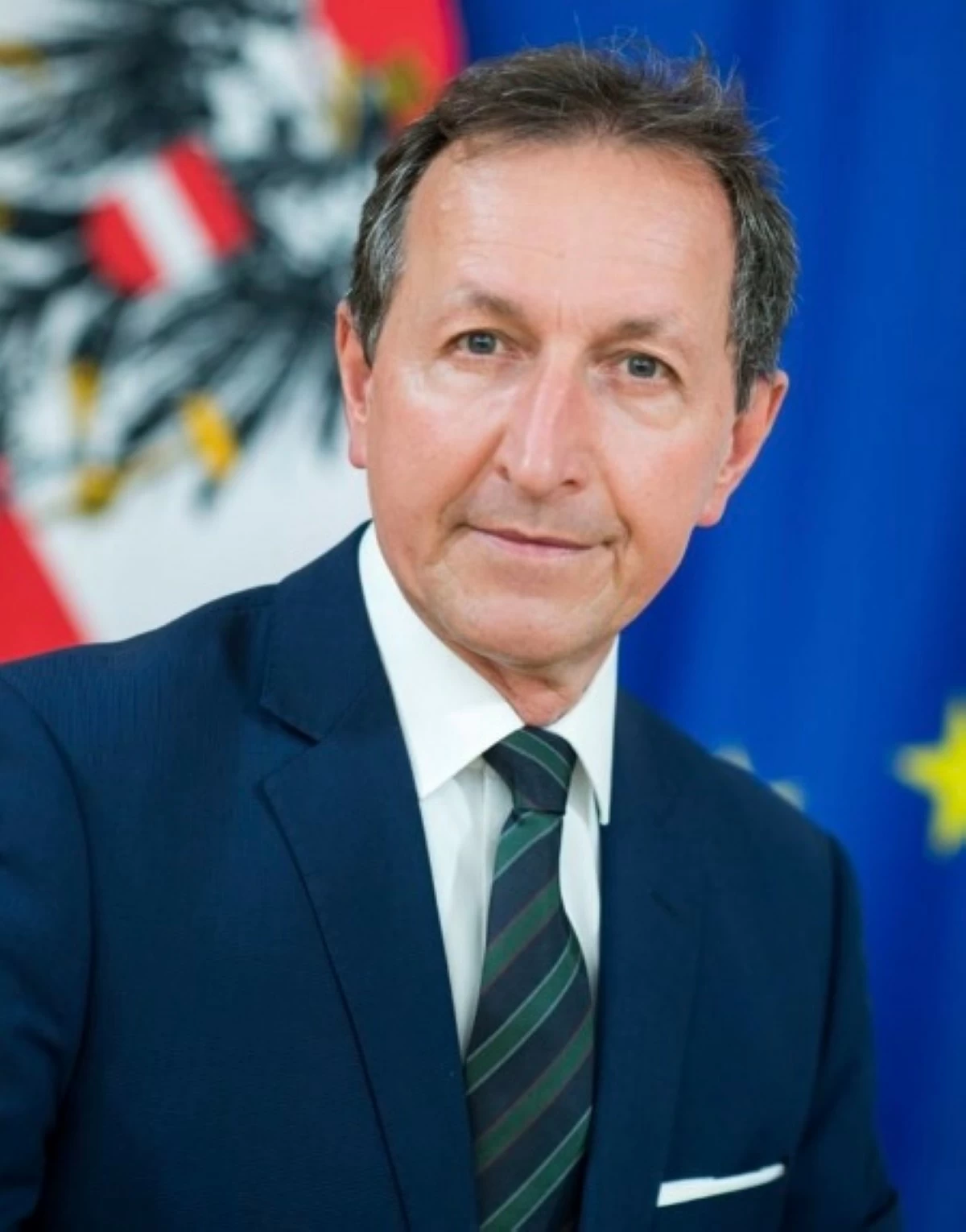
Ambassador Johann Brieger shines brightly, spreading cheer and goodwill, reflecting the joy and spirit of the holidays
As a grandfather with two wonderful grandchildren, I feel a deep connection to any embassy project that supports children especially during this magical time of Christmas, when hope and joy are in the air. Over the years, working with local NGOs for children has shown me how much even small gestures of support can light up a child’s life. If I could become Santa Claus for a day, the gift I would give the Filipino youth would be the gift of opportunity and hope, through access to quality education and healthcare, creative spaces to explore their passions, and mentors who encourage them to dream boldly.
This Christmas, my wish is that every child feels the warmth of care, the magic of possibility, and the joy that comes from believing in a brighter future.
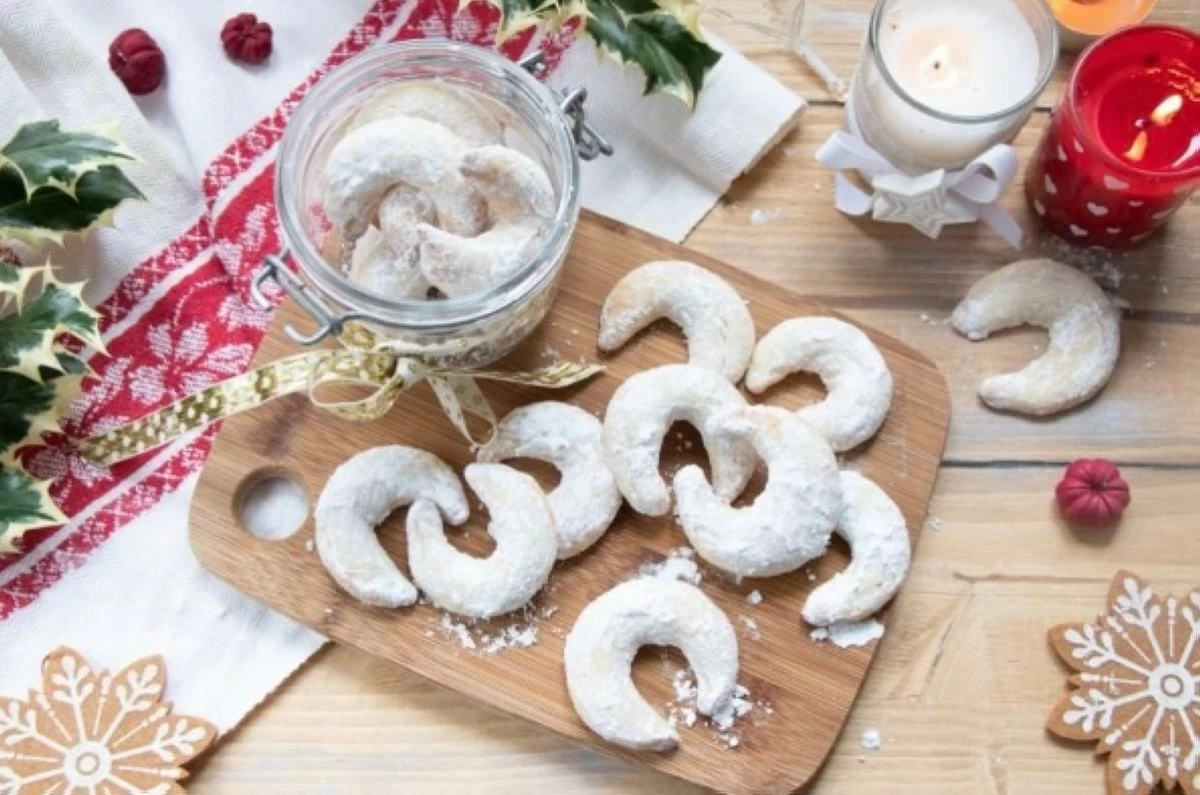
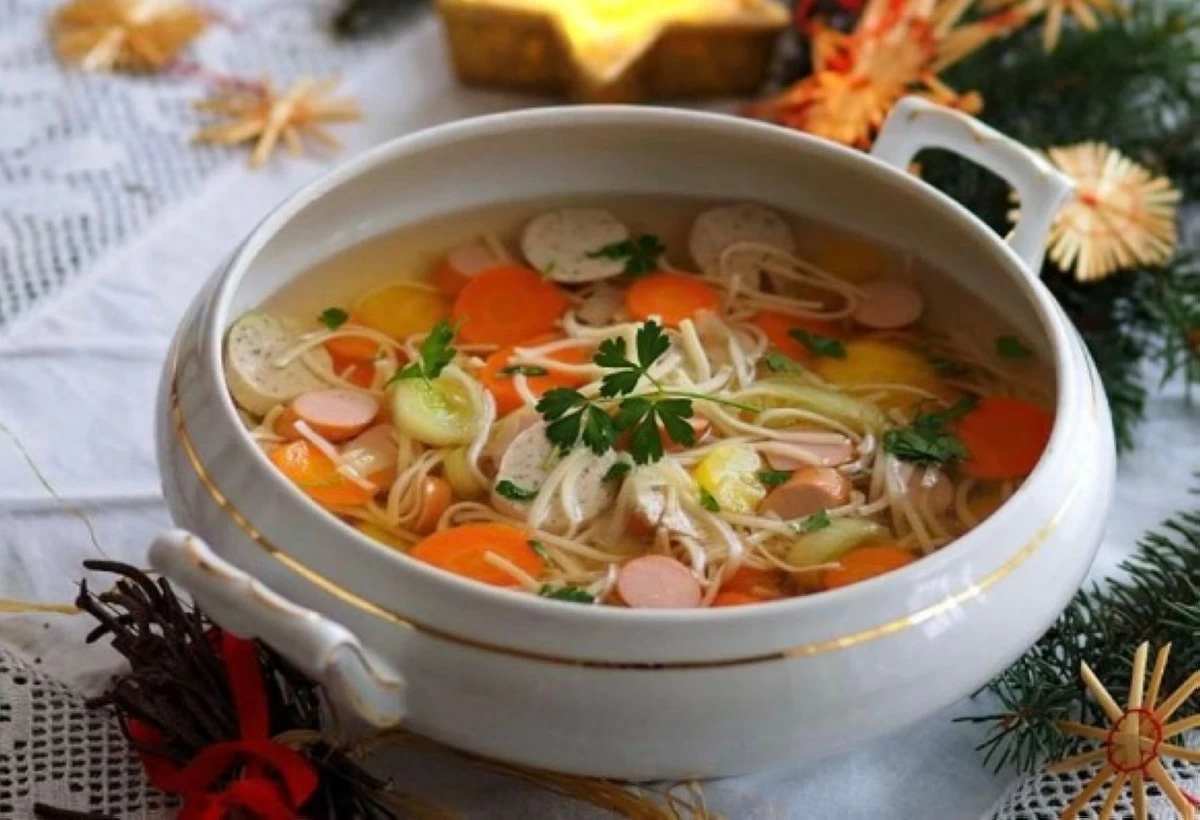
There can’t be just one! So I’ll share my top three Christmas dishes: Würstelsuppe (Sausage Soup) is a classic Christmas Eve dish in Austria, cherished for its simplicity and nostalgic warmth, this dish features a clear beef broth, slowly cooked over low heat and served with Frankfurter or Wiener sausages, noodles and vegetables.
Another festive favorite is ‘’Gansl,” a succulent roasted goose, perfectly seasoned and served with traditional sides, taking center stage on Christmas tables. Finally, Vanillekipferl, Austria’s most iconic Christmas cookies that are made from a delicate nutty shortcrust pastry and dusted with vanilla sugar. Christmas without Vanillekipferl is unthinkable in Austria!
FINLAND

If I could become Santa Claus for a day, I would give Filipino youth equal access to quality education and digital resources. Education is the foundation for opportunity and development, and in today’s world, digital literacy is just as essential. By ensuring every young person has the tools to learn, think critically, and evaluate information, we empower them to dream big, make informed decisions, and create a better future for themselves and their communities.
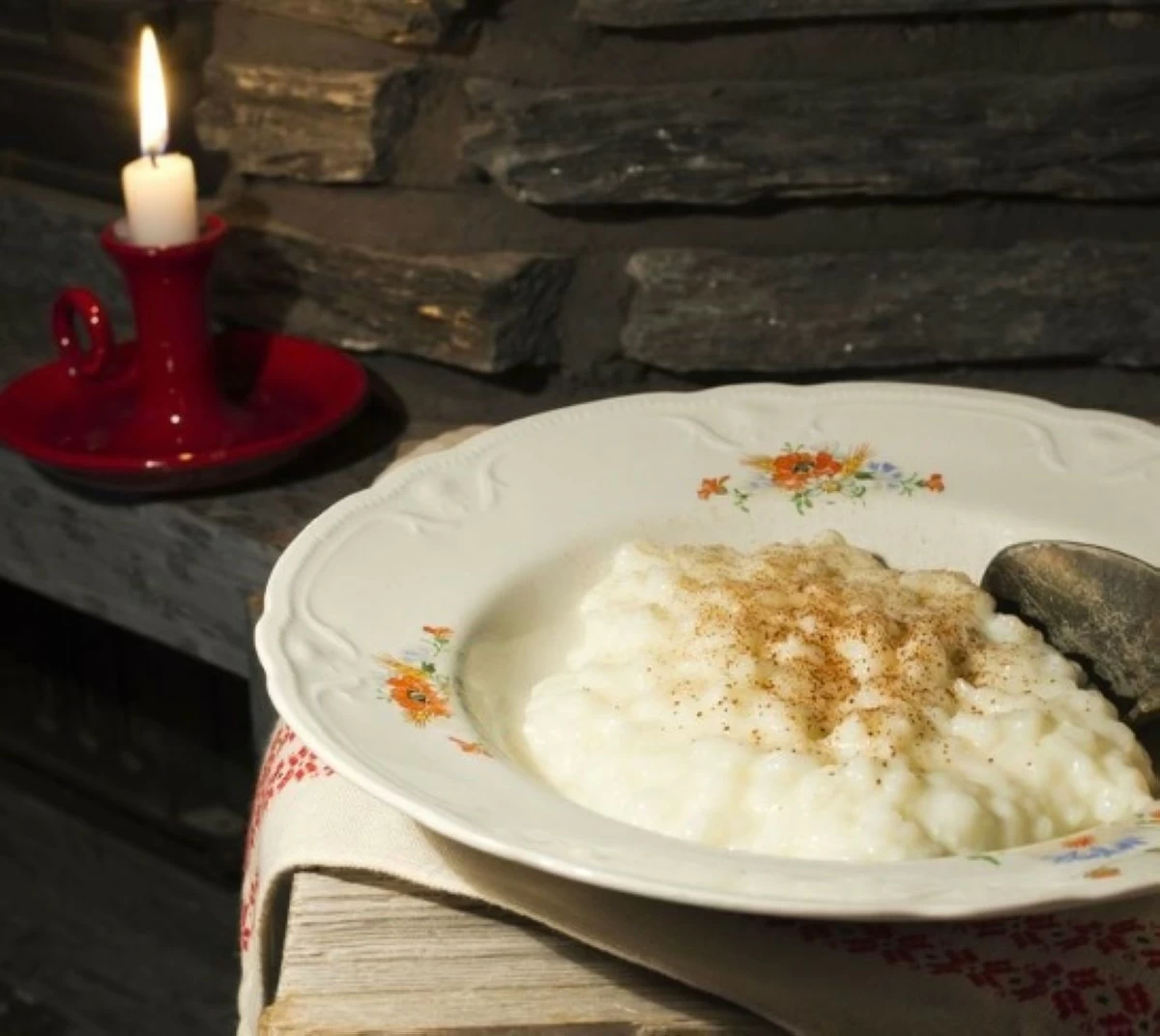
In Finland, a traditional Finnish Christmas dish we eat on the morning of Christmas Eve is Joulupuuro – a sweet rice porridge made from simmered rice and milk, served warm with cinnamon and sugar. What makes it special is the tradition of hiding a single almond in the pot. The person who receives the almond is believed to be chosen by luck and will have happiness and good fortune in the coming year, often interpreted as getting married or having a child next.
CANADA
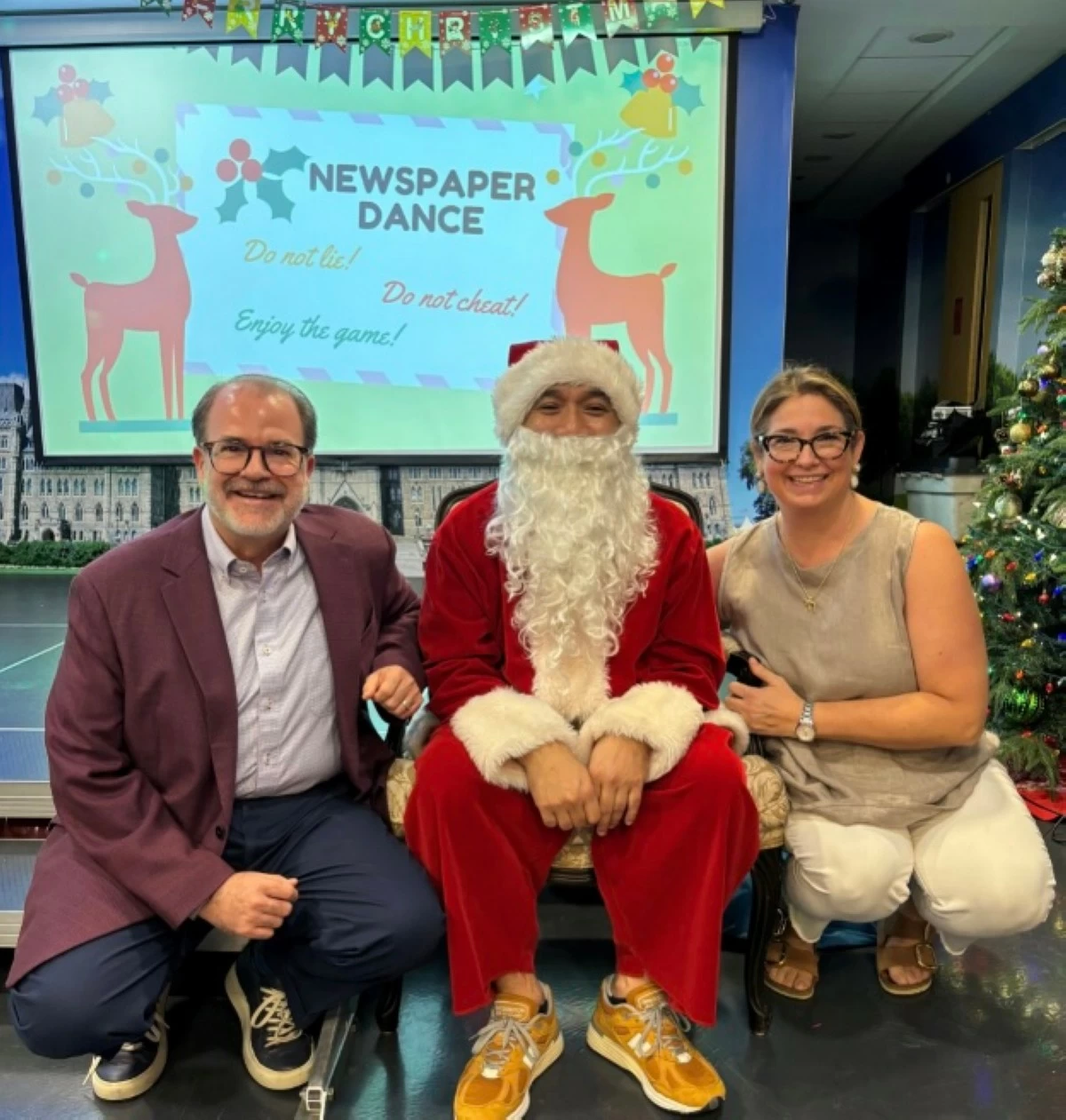
Ambassador Hartman and spouse Mme. Bethany Goldstein join Santa Claus in celebrating the season
If I could be Santa Claus for a day, I would give the Filipino youth the gift of opportunity to pursue their dreams – a chance to study, work, or dream without obstacles. This gift could pave the way to a future where their skills are rewarded and recognized, and where they can succeed because of their hard work and talents, whether here in the Philippines or anywhere in the world.
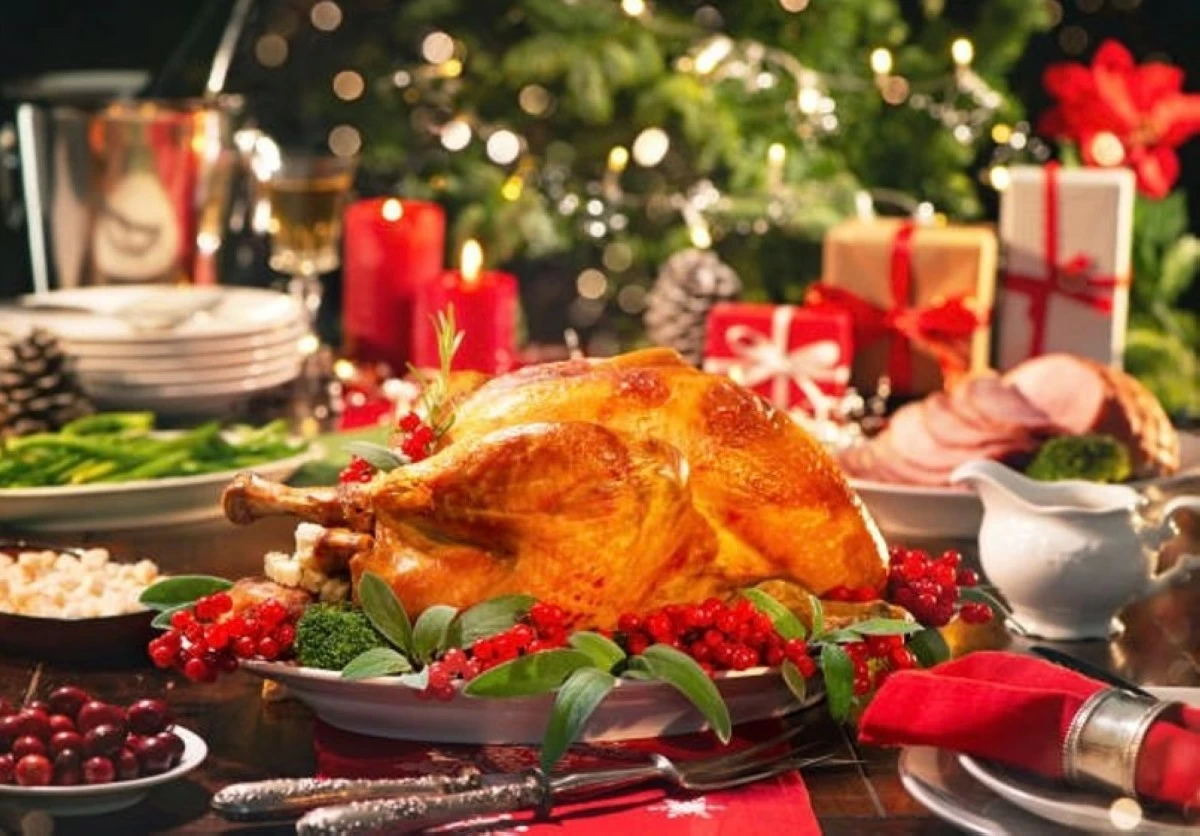
Roast turkey is my favourite Christmas meal. For many Canadians, what makes it special is the symbolism that it evokes among us – it brings family together. As you know, Canada is a large country, and Christmas is often the time when families travel long distances to come home and share a meal together. In that way, it’s very similar to how Filipinos value coming together around food – the roast turkey becomes a symbol of togetherness and reunion.
JAPAN
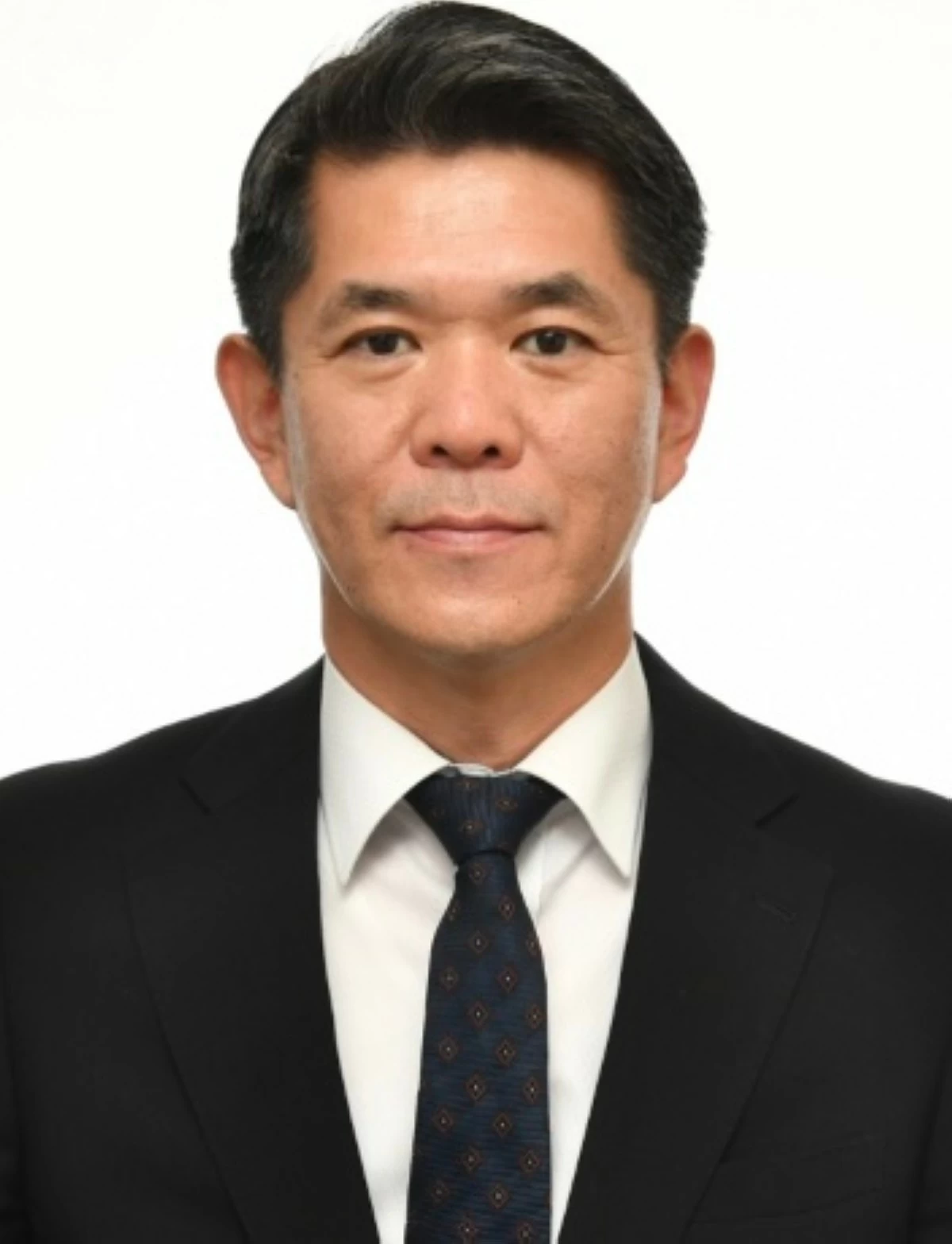
Ambassador Endo Kazuya embraces the holiday season with warmth and harmony, reflecting Japan’s spirit of togetherness
If I could become Santa Claus for a day, I would like to give the Filipino youth not just one gift, but a door that opens into everyday Japan — from reliable cars like Toyota to simple and well-designed clothes from UNIQLO and MUJI, and tasty food such as ramen, fresh strawberries, and sake.
But beyond these, I would especially like to share experiences such as Japan’s clean and punctual public transportation, like the Subway systems, and places of relaxation like onsen hot springs. I hope these gifts and experiences can inspire young Filipinos, spark deeper curiosity about Japan, and further strengthen the friendship between our two countries.
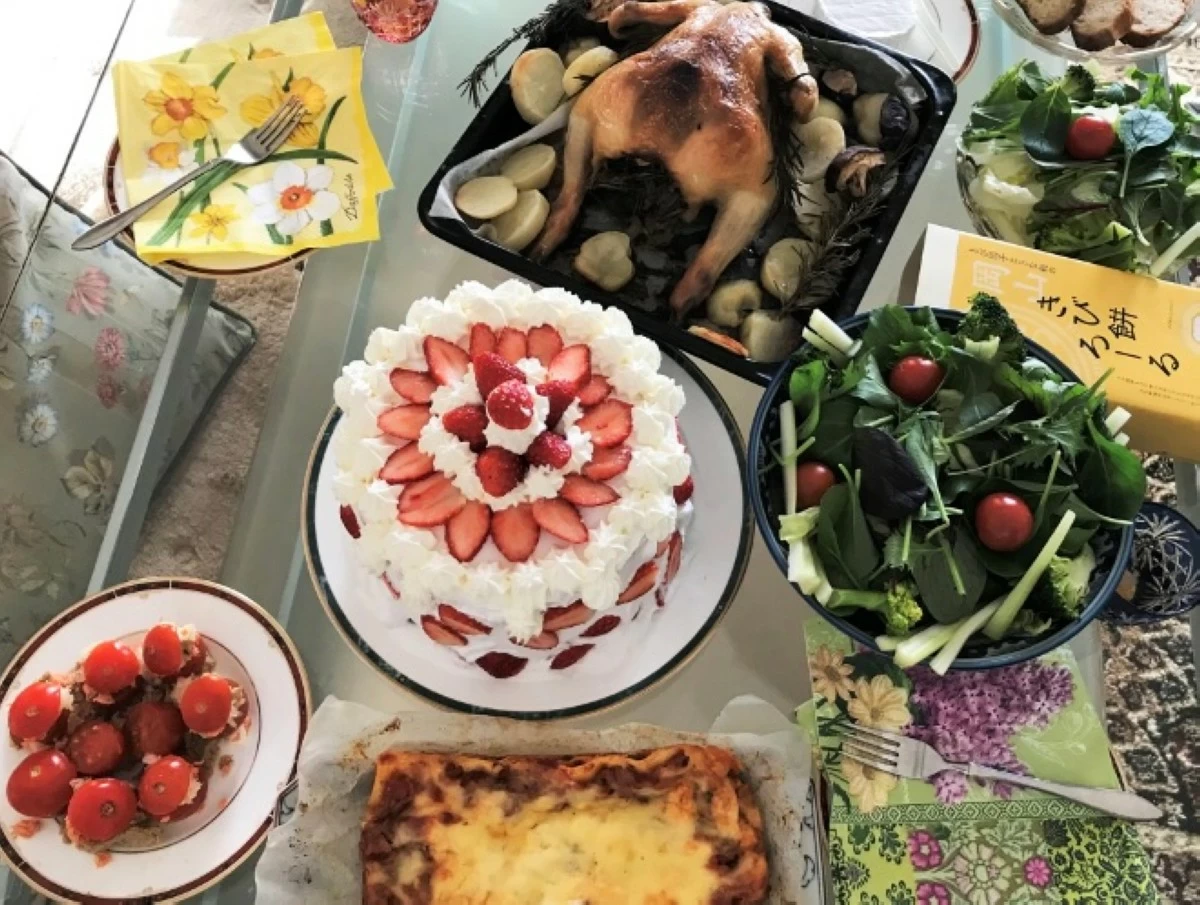
My dear wife, Akiko, and I enjoy celebrating Christmas at home and preparing a lot of diverse dishes. These include roast chicken, lasagna, and meatloaf. Akiko also makes our own Christmas cake, beautifully decorated with cream and strawberries.
So, while Christmas dinner is not necessarily a Japanese tradition, our Christmas dinner table is always full of delicious dishes, just like the Filipinos’ festive Noche Buena tradition. As her sous chef, I always enjoy spending quality time and taste-testing Akiko’s cooking, so it is quite difficult to choose only one traditional dish.
UNITED STATES OF AMERICA
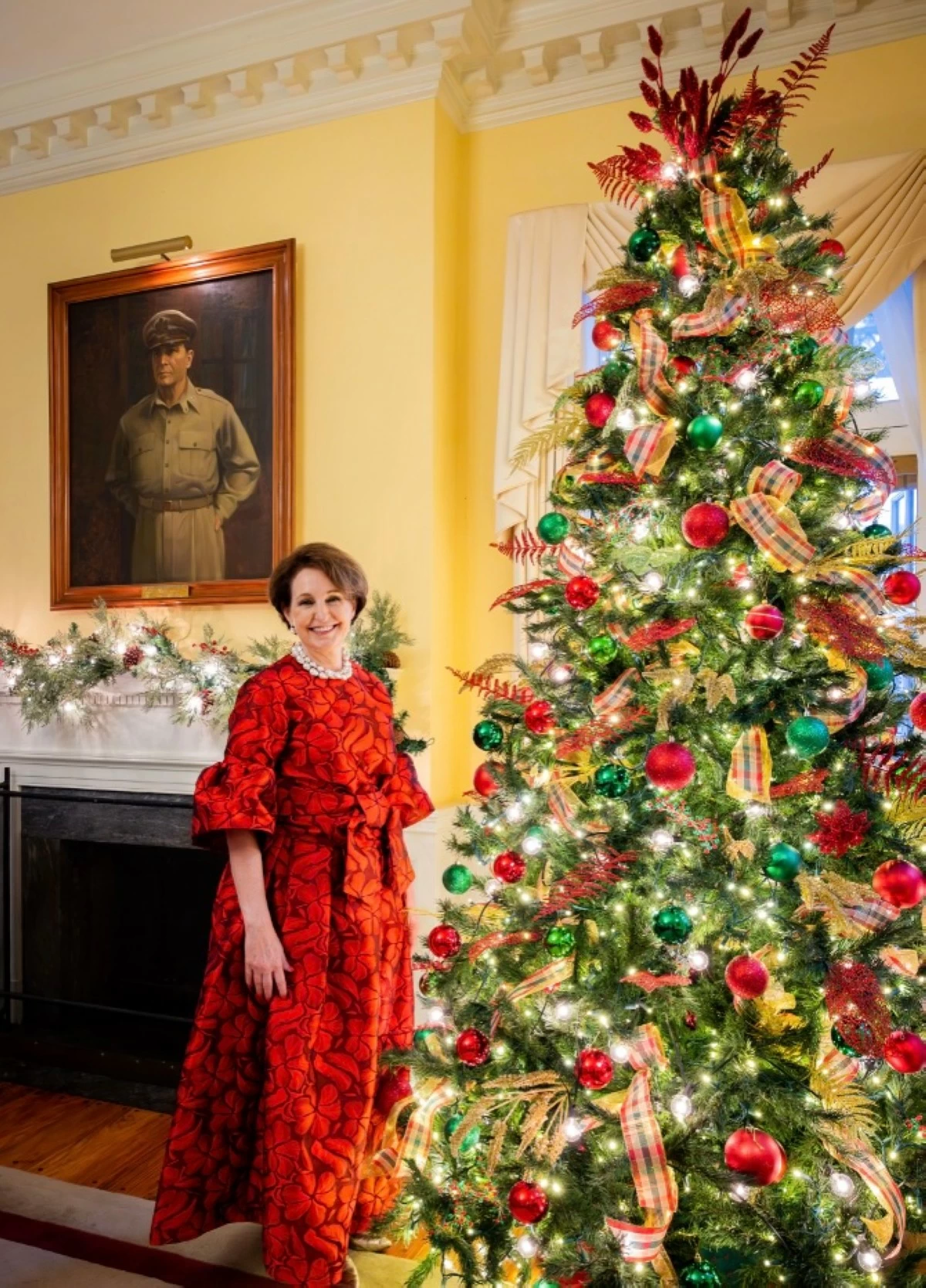
If I could become Santa Claus for a day, I would give all young Filipino people the gift of opportunity: the chance to pursue their dreams, learn new skills, and receive love from a supportive community. Throughout my travels across the Philippines over the last three and half years, I have met so many inspiring and talented young Filipinos who work hard and make the most of the opportunities available to them, especially with the guidance of mentors. Many of them are participants in our YSEALI program. They are giving back by making a difference in their localities and building bridges to bring the Philippines and the United States closer together. Their passion, creativity, and kindness give me hope for the future.
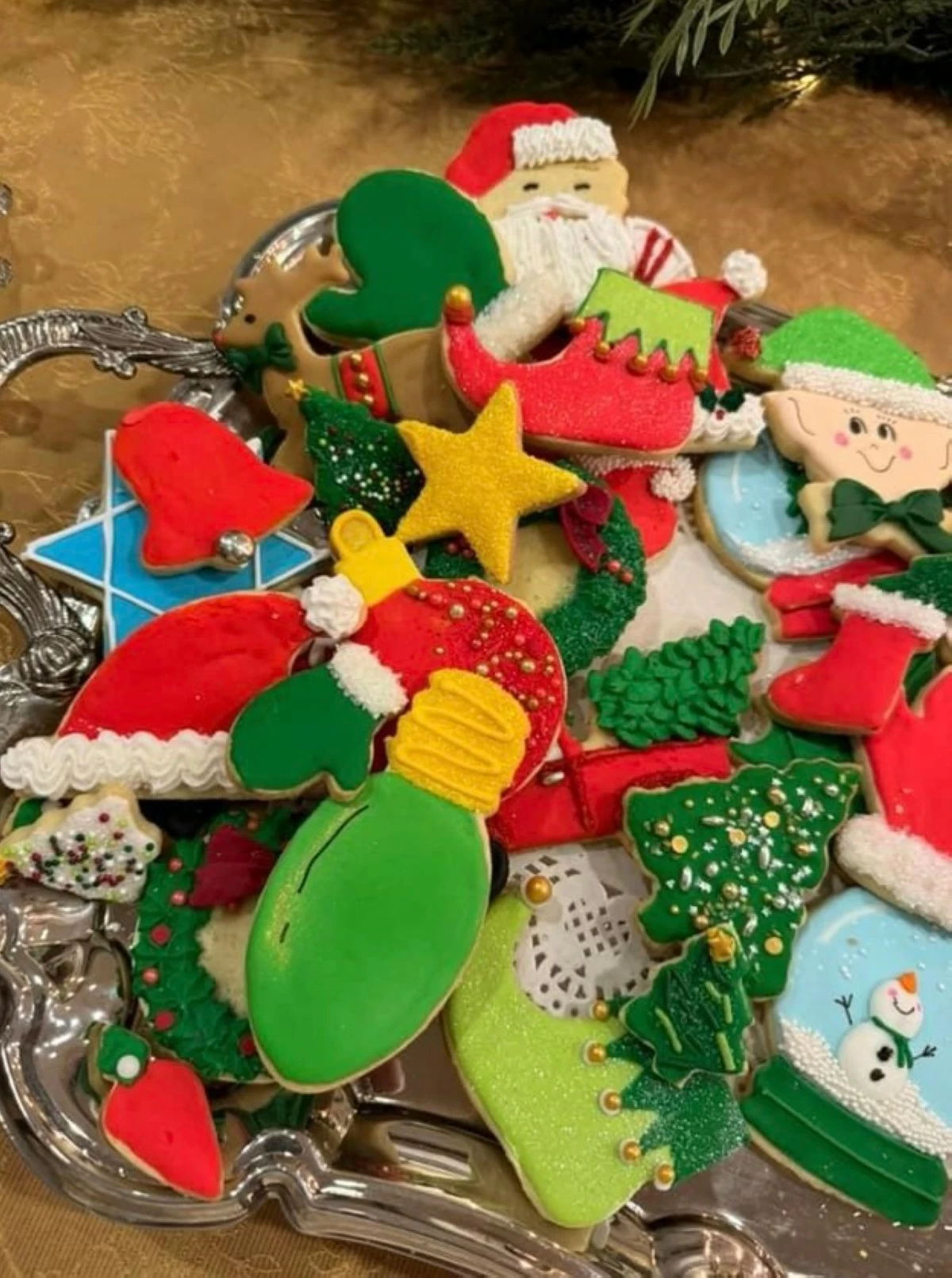
One of our family’s holiday traditions is baking and decorating sugar cookies. My daughters and I would roll out the dough and cut out all kinds of shapes – Christmas trees, snowflakes, wreaths, reindeer, snowmen. Then spend hours decorating the cookies with bright colored royal icing and sprinkles. I still decorate these cookies every year, even though our daughters are grown. I love sharing them at our holiday parties – especially seeing children delight in picking out their favorite one. Although baked treats may not be a ‘dish’ in the traditional sense, our cookie tradition is a reminder that the true magic of the season is found in sharing simple joys with friends and loved ones.
GERMANY
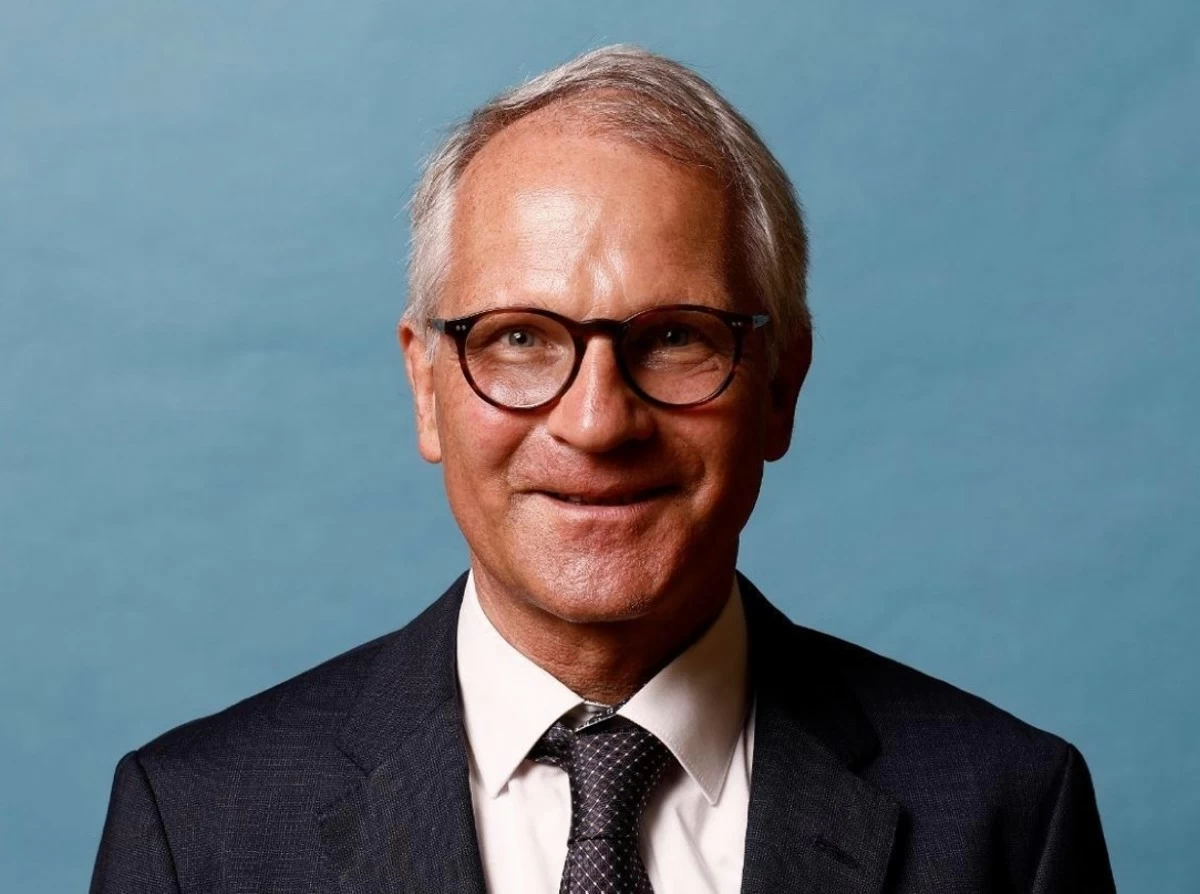
Ambassador Andreas Michael Pfaffernoschke embraces the holiday season with warmth, harmony, and hope for the year ahead
Speaking to young Filipinos, I see immense potential, courage and a deep love for their country. And I sense the hope for a future in a democratic society with good governance, a well performing educational system, a legal system you can really trust as well as a business environment free of corruption.
If I could be Santa for a day, I would give the Filipino youth the strength, courage and political commitment to make this happen, to shape the future of their wonderful country to make it more prosperous and more resilient to the challenges of nature. And to face the international challenges we all can only tackle together: climate change, peace and security, the protection of human rights and of the rules based international order.
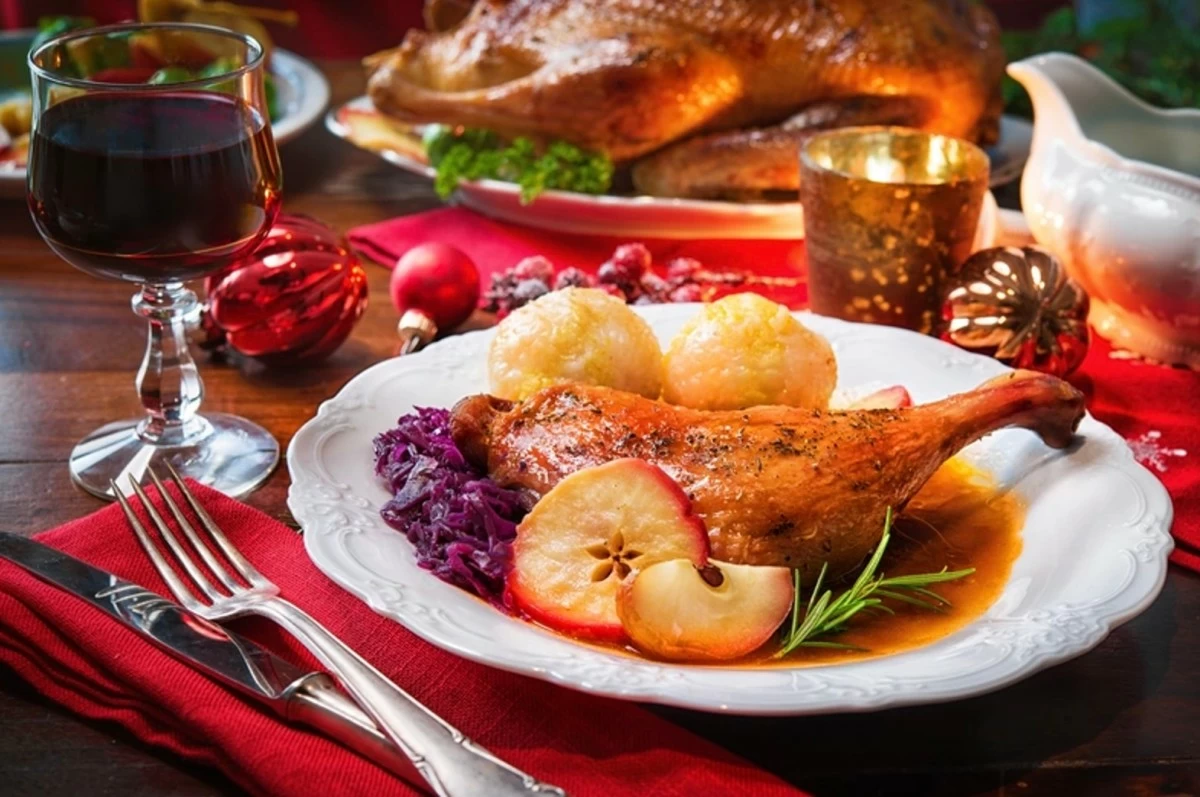
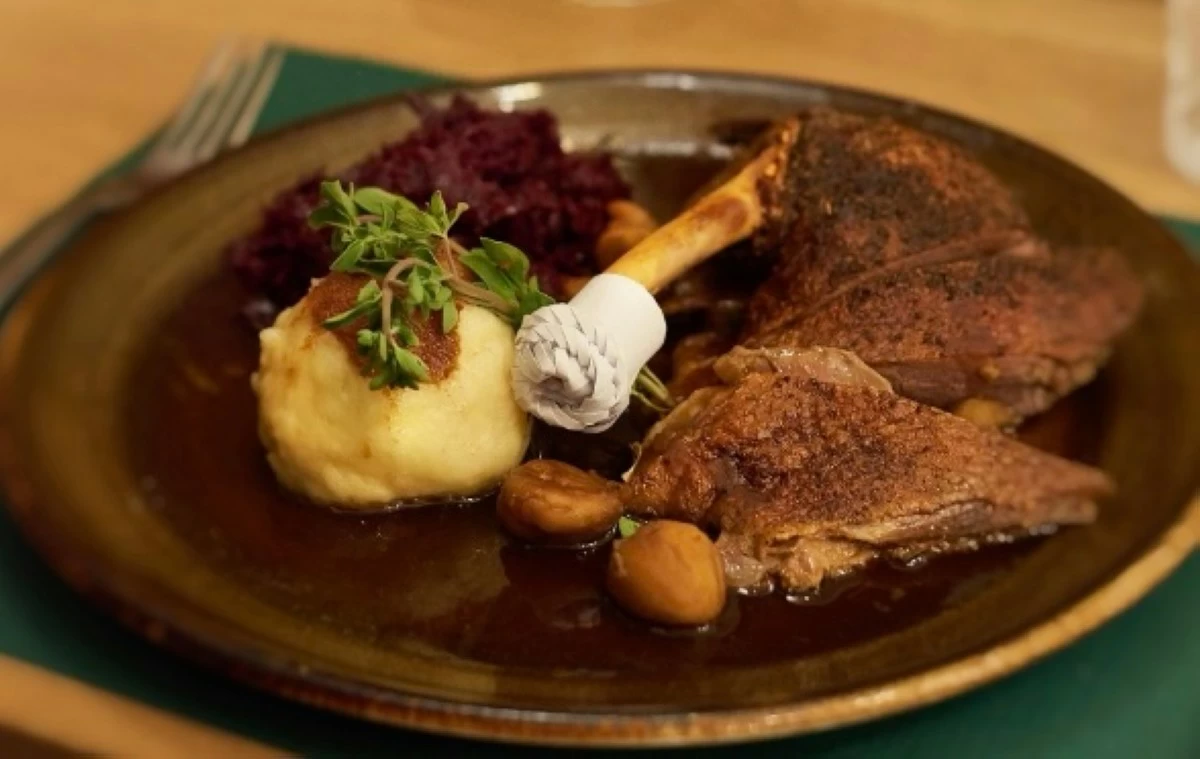
For me, Christmas wouldn't feel like Christmas without a traditional roast goose. My family and I enjoy it alongside red cabbage, potato dumplings, and a rich, flavorful sauce. On cold winter days in Germany, this dish warms you from within. What truly makes it special, though, is sharing it with my loved ones, creating memories that last far beyond the holiday. (Christmas goose © Getty Images, Foto: Alex Raths.)
POLAND
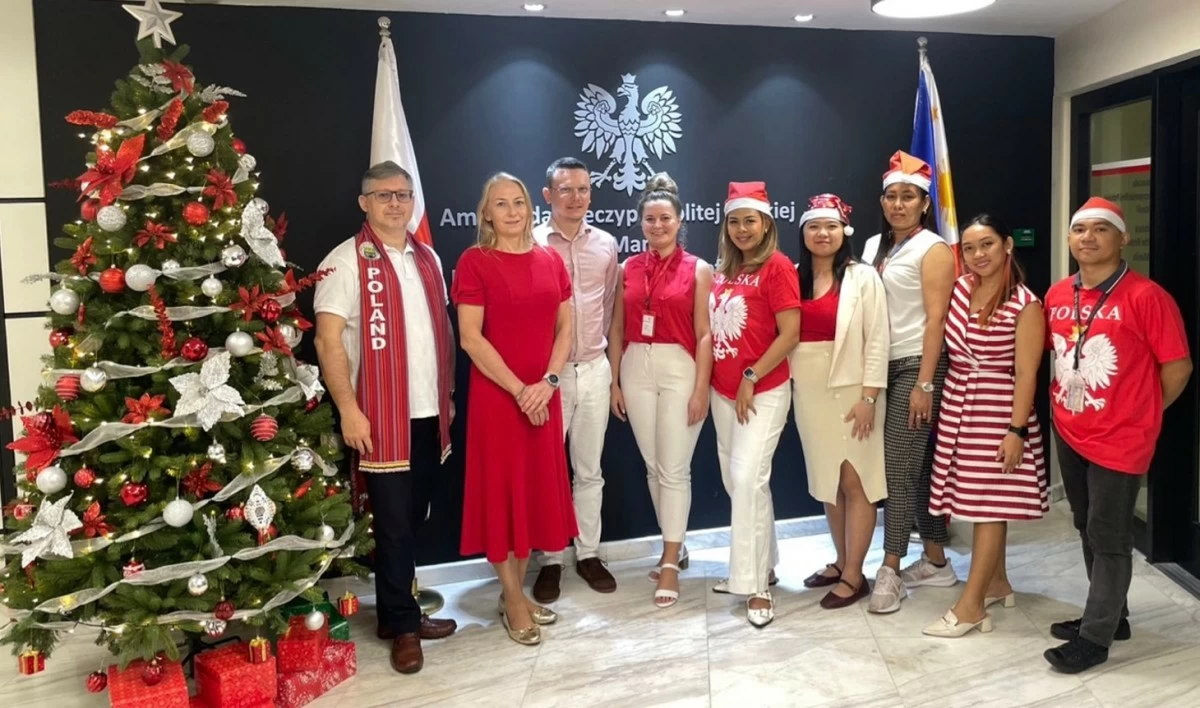
Chargé d'affaires a.i. Anna Krzak-Danel and her team by the Christmas tree
If I could become Santa Claus for a day, I would give Filipino youth the gift of opportunity — access to quality education, digital skills, and international exchange. These are tools that empower young people to shape their own future with confidence and creativity. Poland strongly believes in investing in youth as drivers of innovation, social resilience, and sustainable development. Through education, technology, and people-to-people cooperation, young Filipinos can turn their talent and energy into lasting impact for their communities.
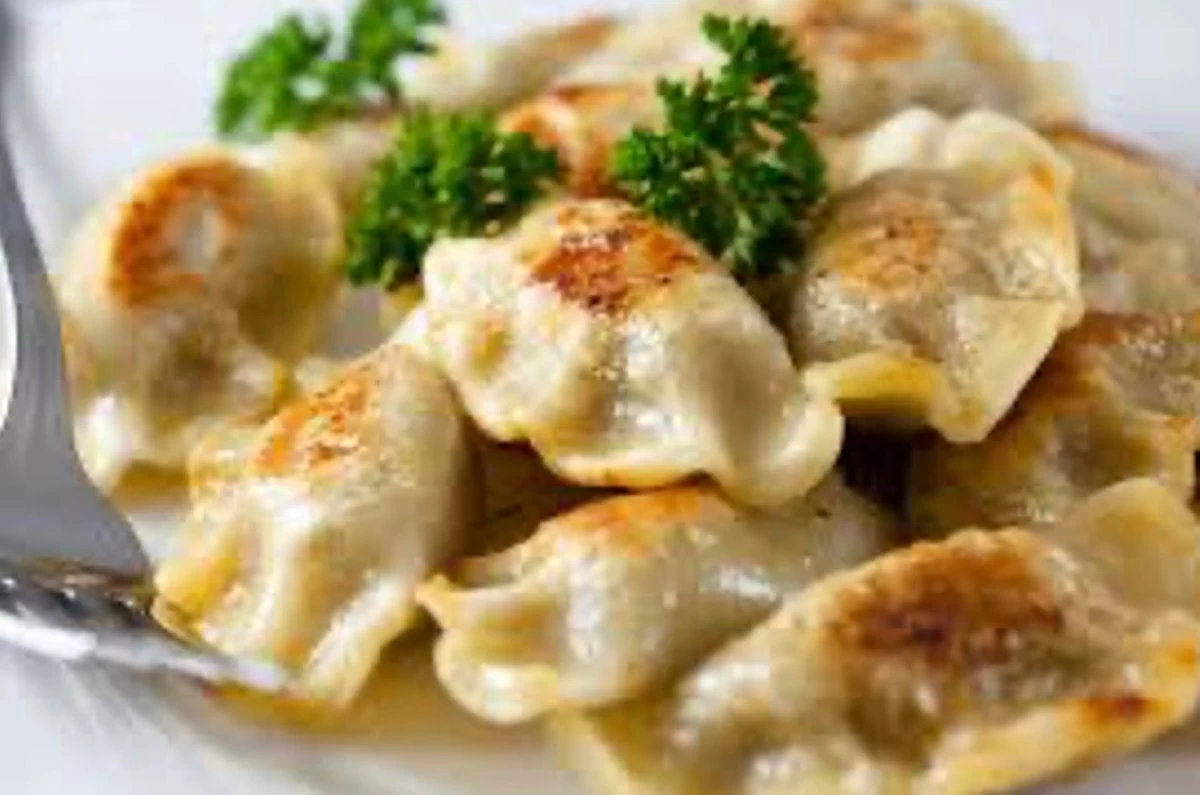
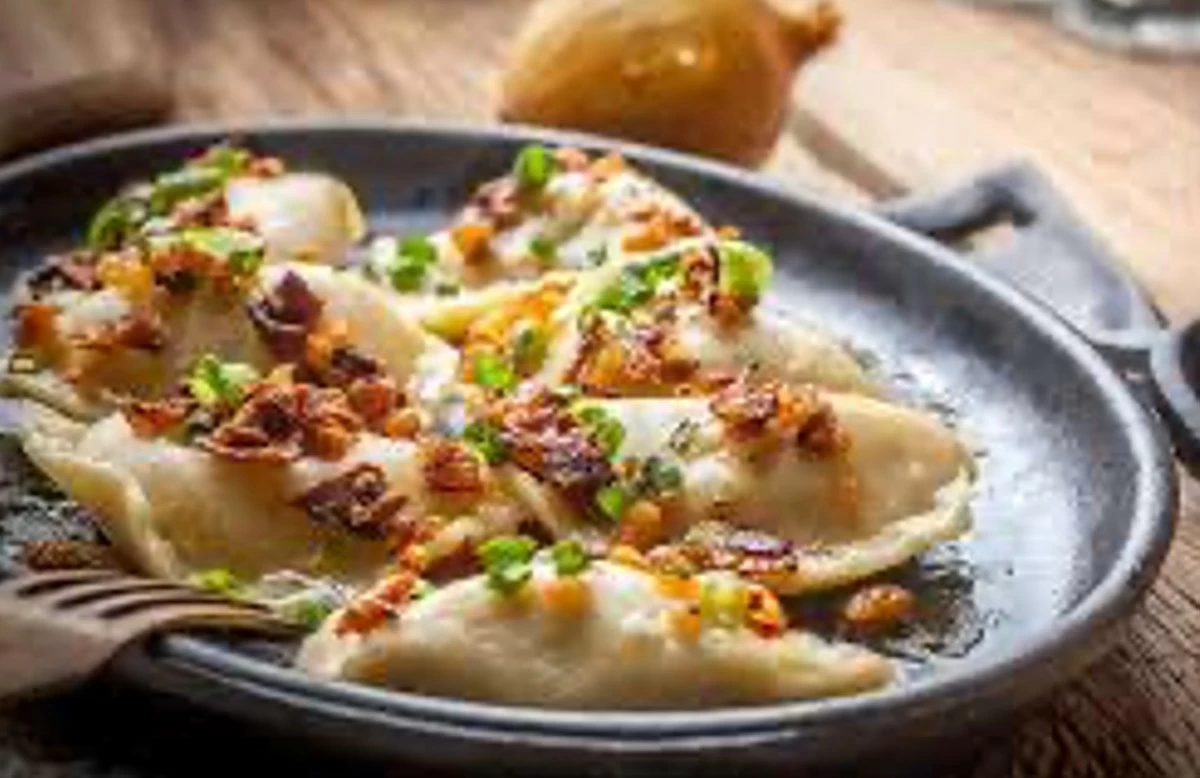
One traditional dish prepared in Poland for Christmas is pierogi — handmade dumplings traditionally served on Christmas Eve. They are filled with mushrooms and sauerkraut, ingredients symbolizing humility, nature, and togetherness. Preparing pierogi is a family ritual that brings generations together in the kitchen, reflecting the importance of community and shared time. In Poland, Christmas Eve is celebrated as a moment of reflection, reconciliation, and gratitude, values that resonate strongly across cultures.
SWEDEN
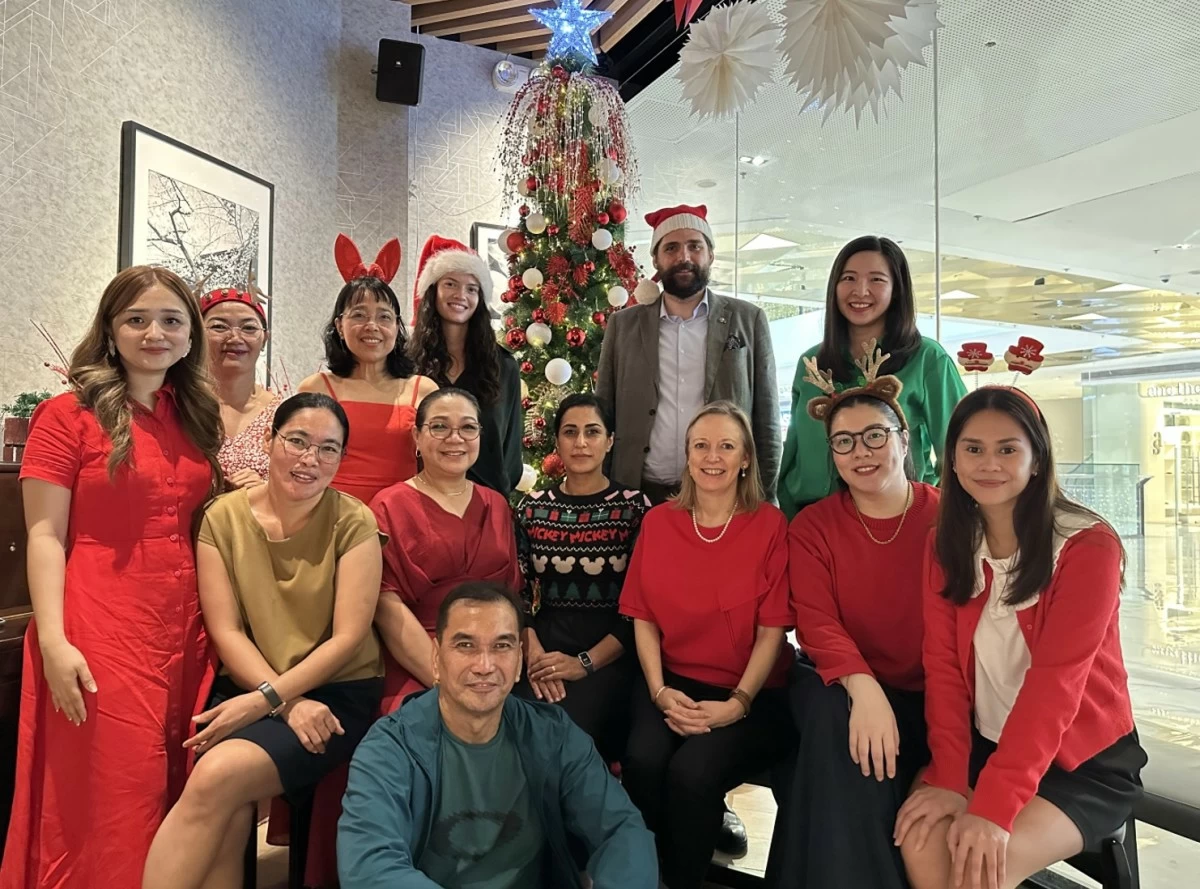
Ambassador Anna Ferry seated, (3rd from right) celebrates the holidays sharing joy and goodwill, with her embassy team—her source of cheer and success.
I would give them courage—courage to dream big and to follow their aspirations! Whether it’s to travel or to pursue their passions and education, young people should be encouraged to continuously learn new knowledge and skills. To the younger children I would also give them books like “Pippi Longstocking”, “Emil in Lönneberga” or “Children in the Noisy Village” by Astrid Lindgren for a fun read over the Christmas break!
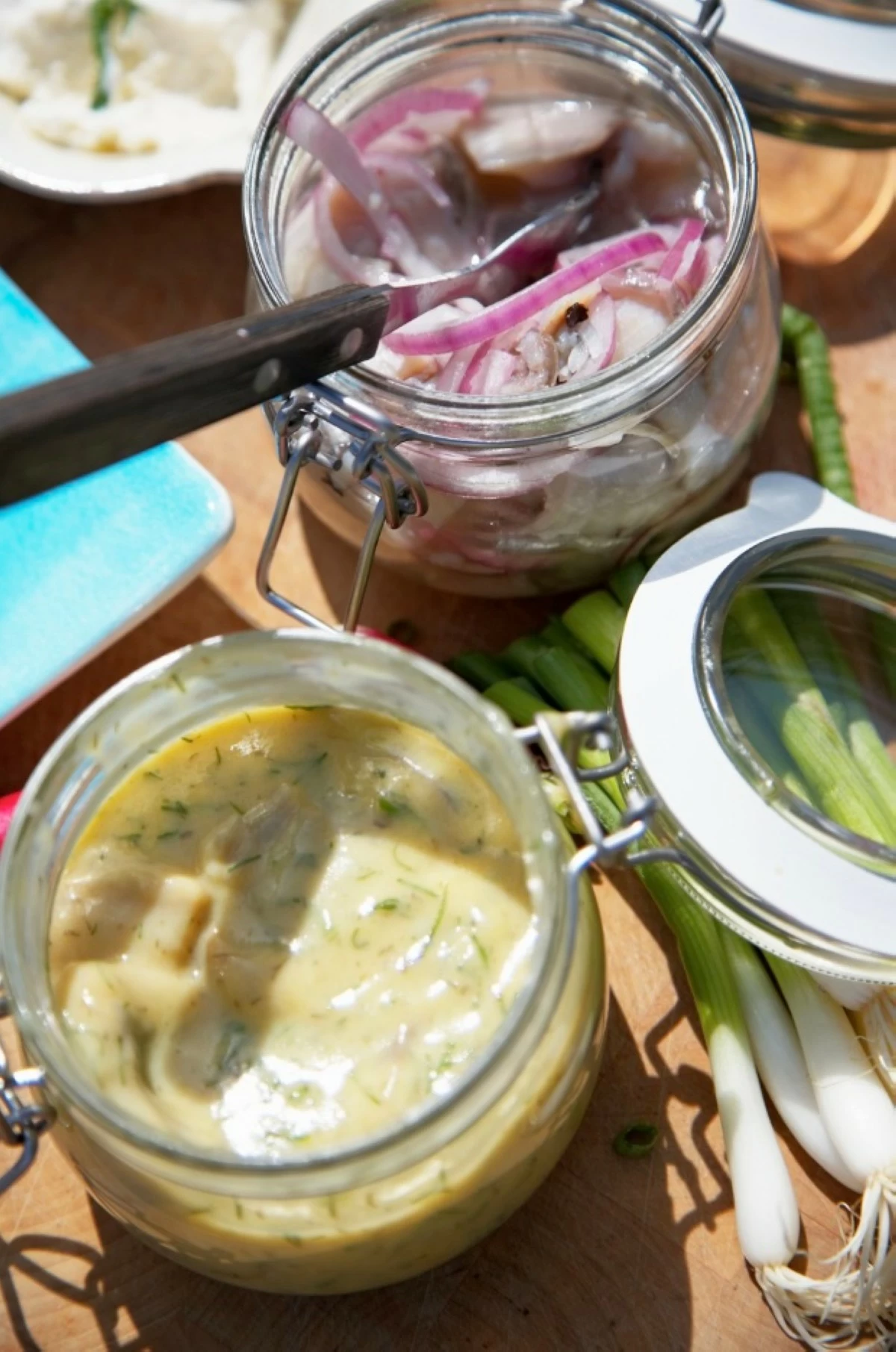
Swedish julbord (Christmas dinner) is not complete without pickled herring or cured salmon. Sweden, like the Philippines, is an archipelagic nation with 267,570 islands. Surrounded by water we have a bounty of fish and seafood. Pickled herring is special because it takes time to prepare and there are as many variations possible as your imagination. For around two days before serving the fresh herring is traditionally marinated in salt, sugar, vinegar, cloves, onion and carrots, or with mustard, mulled wine, lime – depending on your taste.
BRAZIL
If I were Santa Claus, I would give Filipino youth a painting of a young Filipino standing before a mirror, smiling—and in the reflection, on the other side of the world, a young Brazilian smiling back, like a distant relative life has not yet brought close. The message is simple: we hope our young people can cross oceans with curiosity, respect, and friendship, and turn that shared warmth into real bridges between the Philippines and Brazil.
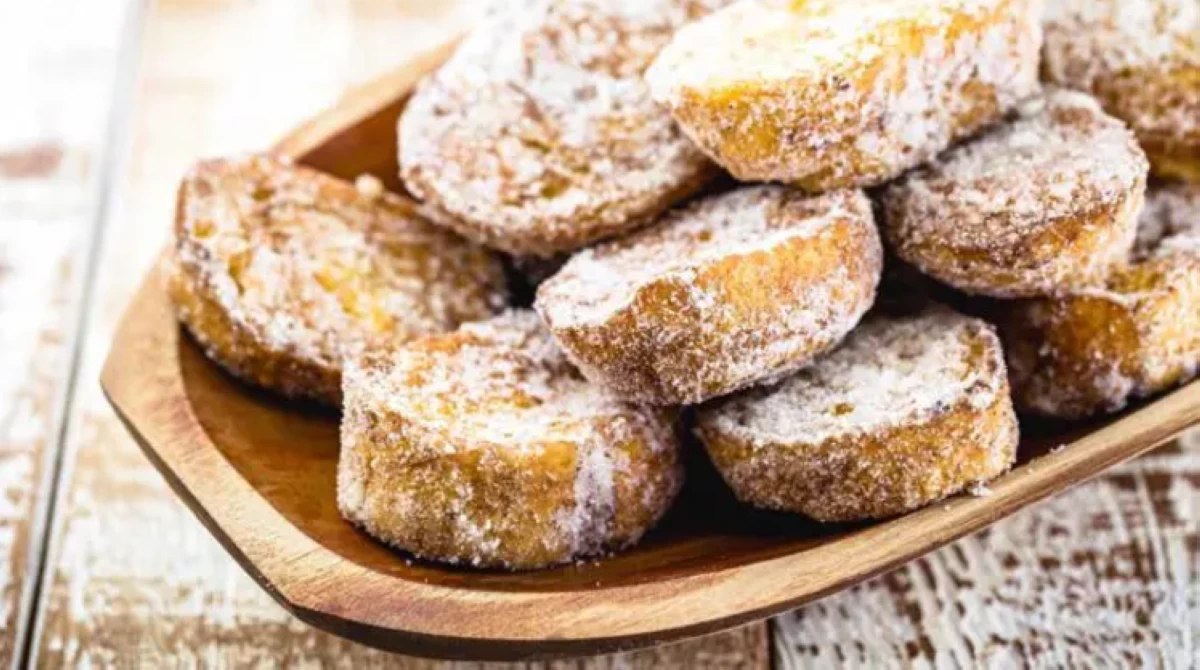
Brazilian French Toast, Rabanada (Photo: 201179166 © Roberto Junior | Dreamstime)
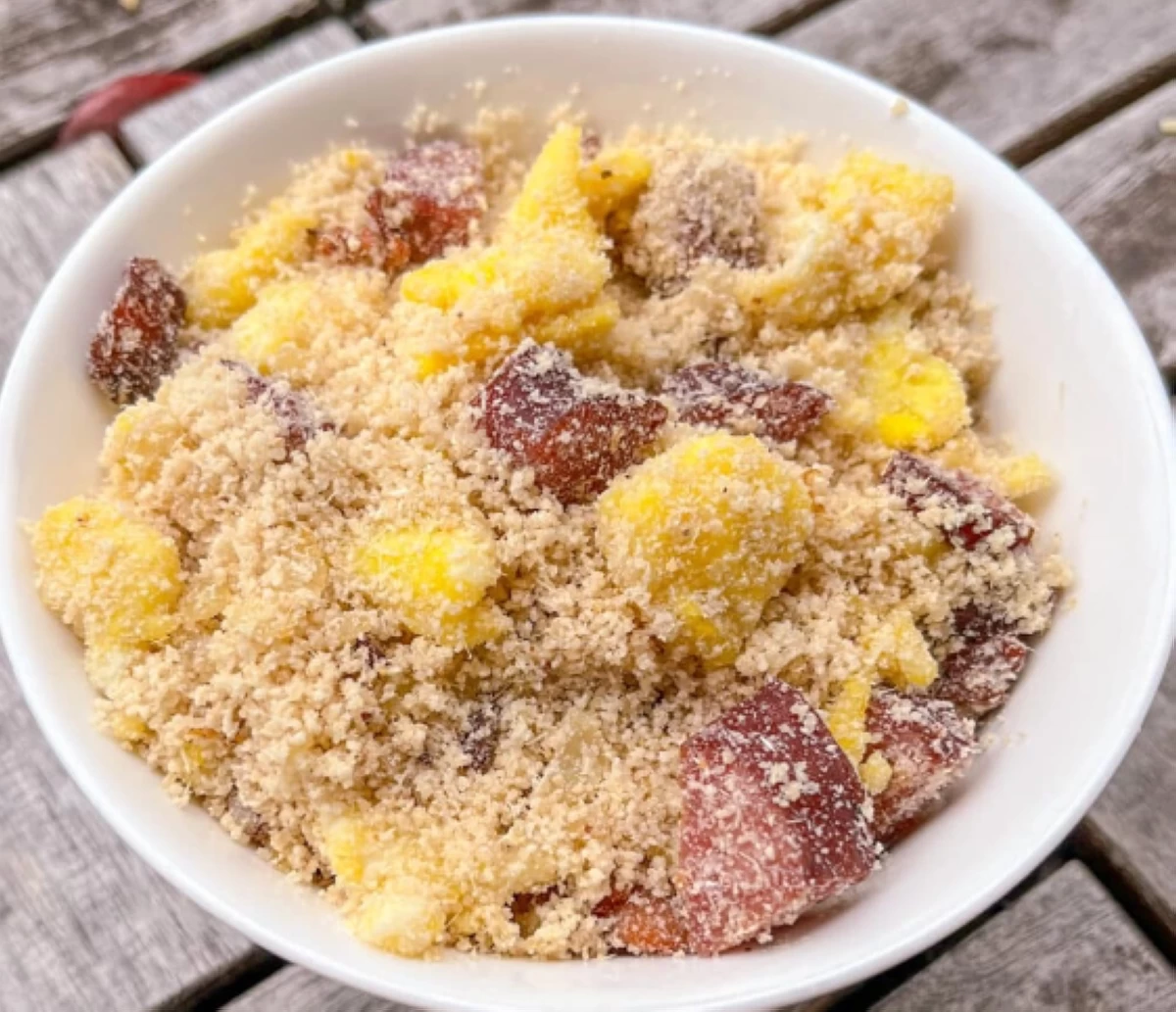
Brazilian bacon farofa (Photo by Tasty Recollections)
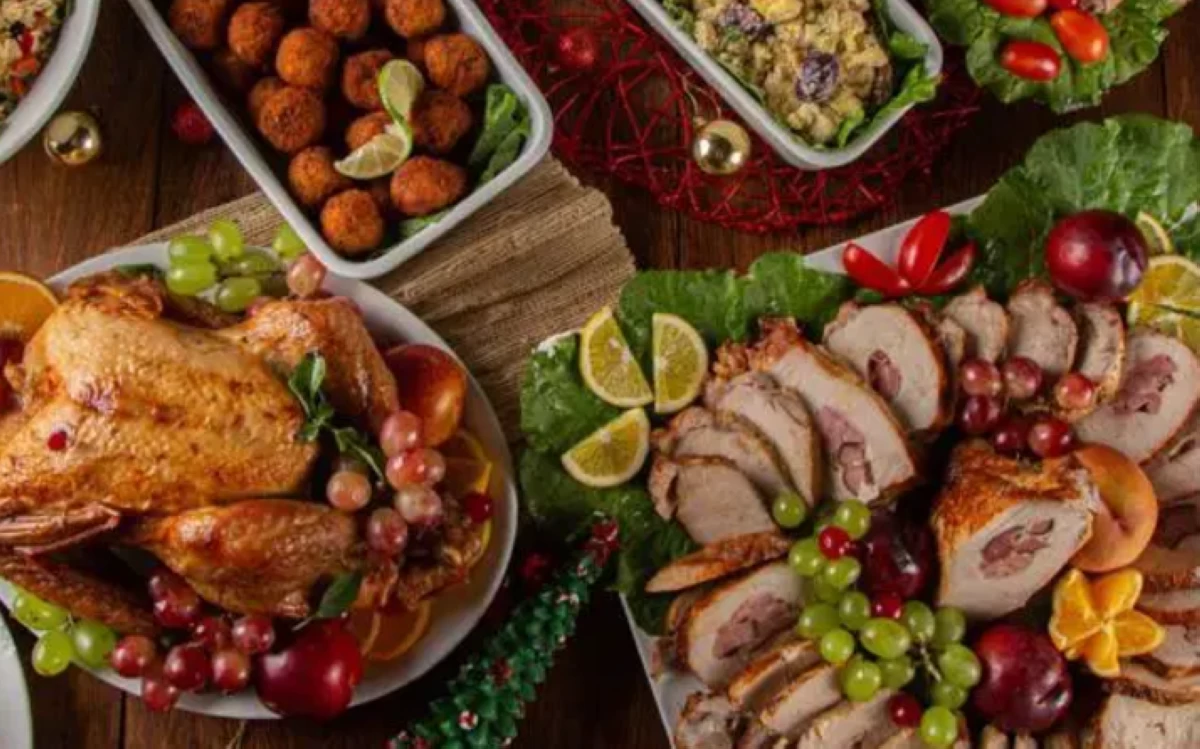
Brazil’s traditional Christmas feast (Photo 263873872 © Estudio Conceito|Dreamstime)
Brazilian bacon farofa (photo image by Tasty Recollections)
Brazilian French Toast, Rabanada (Photo: 201179166 © Roberto Junior|Dreamstime)
In Brazil, Christmas Eve dinner is a true celebration of flavors! The table usually features roast larger-breasted chicken and honey-glazed ham, accompanied by a tasty egg and bacon farofa, made with authentic cassava flour. Candied fruits, like pineapple and figs, add a sweet touch to the feast. And for dessert, we savor the beloved rabanada: thick slices of homemade bread soaked in milk and eggs, fried, and sprinkled with sugar and cinnamon. It's a festive meal full of warmth, family, and delicious traditions that make Christmas in Brazil truly special.
EUROPEAN UNION
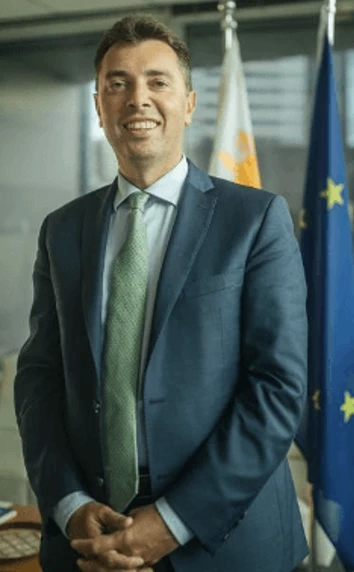
Ambassador Massimo Santoro of the Delegation of the European Union to the Philippines extends warm holiday greetings, celebrating the season of peace and goodwill
If I become Santa Claus for a day, what gift I give to Filipino youth? First thing, a light but nice one for Filipino youth, I’d give each young Filipino a free ride on my sleigh, so that each young Filipino can experience an amazing experience on the snow. Then, as a more important gift, I would offer all of them the possibility to receive the best educational and job opportunities, so that they can enjoy their lives, have professional satisfaction, increase their opportunities to travel and most importantly to best contribute, as empowered girls and boys, to the well-being of the Philippines as a country.
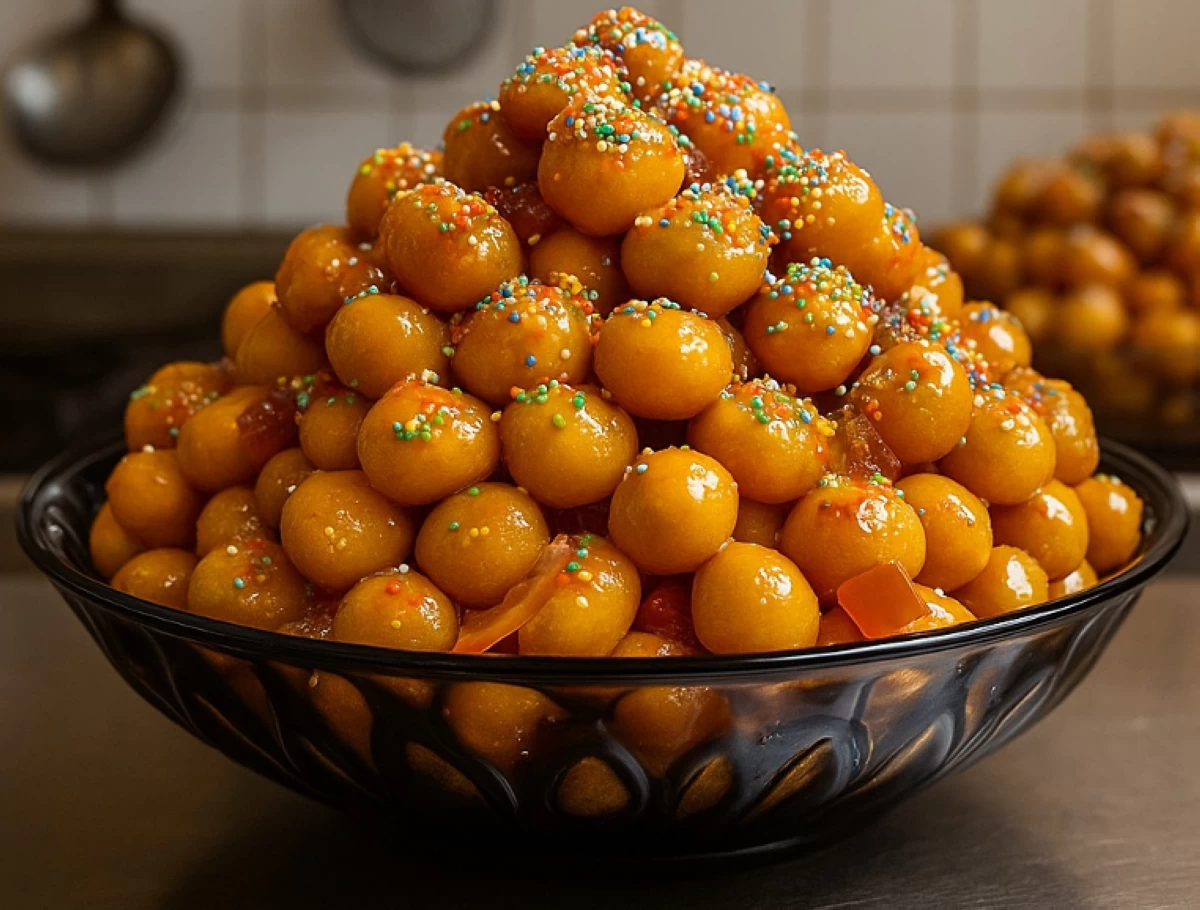
Struffoli (image by The Nonna Experience)
This is a very nice question too. I am EU Ambassador here in the Philippines and I have Italian nationality. In my country, like in many European countries, Christmas traditions and dishes can be different in the various regions that are part of each EU country, at this is such a great feature! For me, there is one specific product, a sweet one, it’s called “Struffoli,” that means that it’s Christmas. Struffoli come from Naples, in Italy, and are prepared only for Christmas. They are "honey balls"—small, fried dough balls coated in honey and often shaped into wreaths, mounds, or other festive designs, decorated with sprinkles and candied fruit. Many consider that Struffoli has ancient Greek roots, which is a reason more why I like it. Plus, it’s nice, it’s coloured, it inspires positivity and happiness. Sugar and sweet products are not too good for health, but for Christmas we can do an exception.
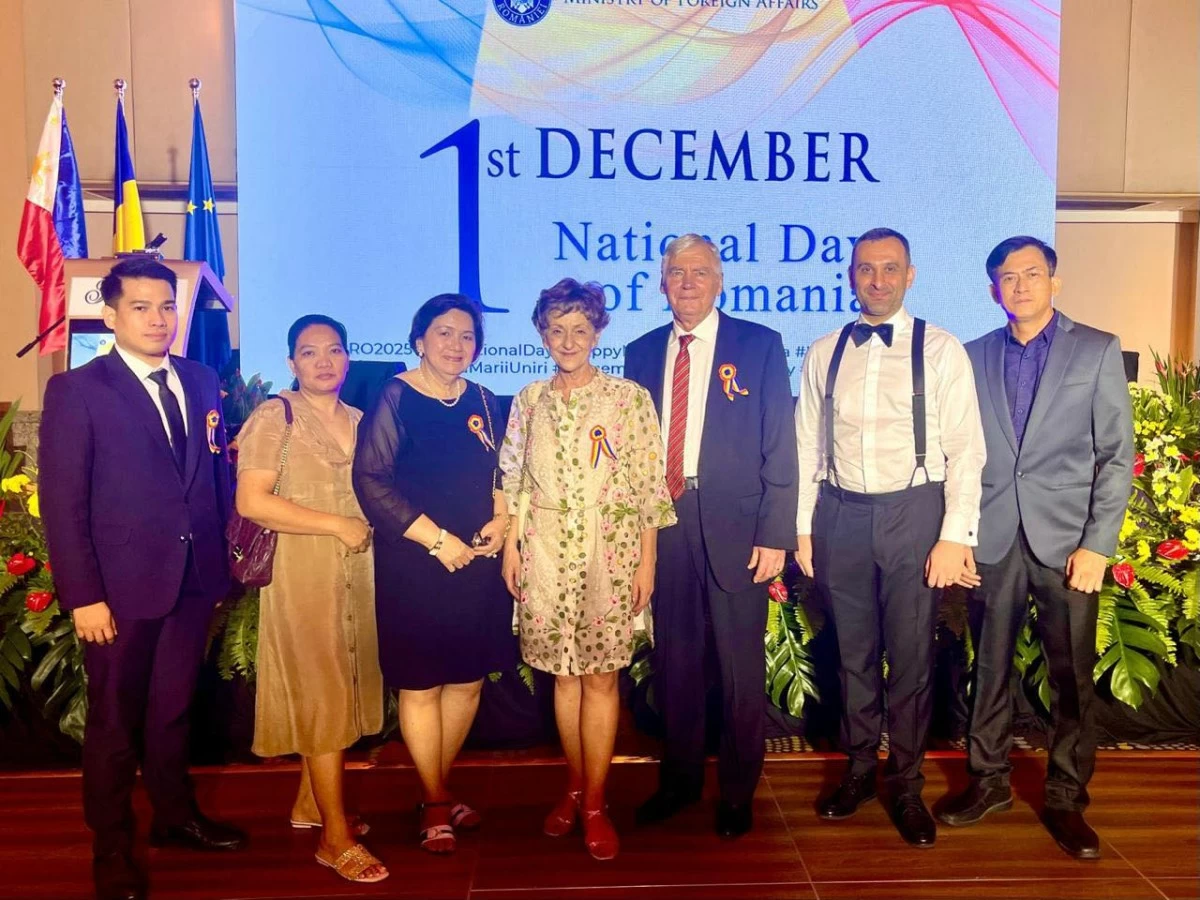
Gerald Nunez, trade and development counselor; Julierose Meneses; Răduța Dana Matache, ambassador of Romania; Constantin Matache; Petrică Badea, consul; and Anthony Sitchon.
ROMANIA
“If I could become Santa Claus for a day, what gift would I give the Filipino youth? The Filipino youth have many of the gifts they need, as they live in a democracy that has good perspectives for growth and for becoming one of the largest economies in the region. If I were Santa Claus, I would gift the Filipino youth courage and optimism. They need courage to change what needs to be changed for the better, and optimism to believe in the Philippines of tomorrow. I can clearly see the moment approaching when people all over the world will want to visit the Philippines, to wear a barong, to taste the delicious and multifaceted Philippine cuisine, to read books by Filipino authors, to sing karaoke with Filipinos, or to move to the Philippines. If the Filipino youth have the courage to believe that this moment is close and work to make it happen, then they will be the first to reap the results.
For Romanians, bread is the basic staple, much like rice is for Filipinos. Special breads are baked for the Christmas season, and entire cities and villages smell enticingly of freshly baked dough, whether sweet, savory, or spiced. One particular bread is colacul, a braided, circular loaf offered to groups of children who go door to door singing carols (colinde), announcing the Nativity. The children are also rewarded with apples and walnuts for announcing the birth of Jesus Christ. Thus, colacul is much more than humble bread; it symbolizes community, faith, sustenance, blessings, celebration, and the wish for spiritual and material good fortune in the coming year.”
SLOVENIA
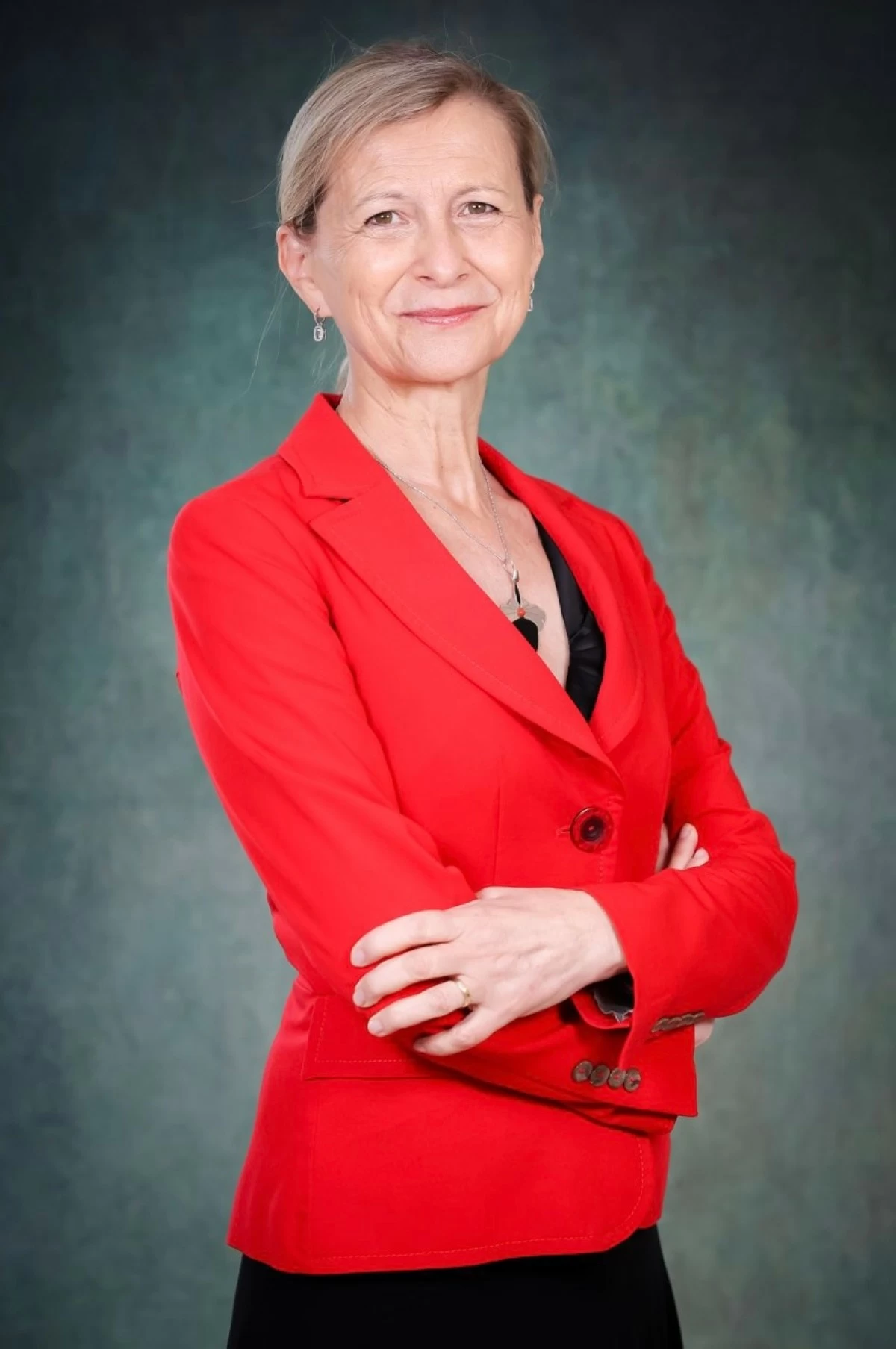
Ambassador of Slovenia to the Philippines Dr. Smiljana Knez
I realize that Santa Claus’ job is not easy at all. If I were Santa Claus for a day, I would fulfill their Christmas wishes. My gifts to them would also be happiness and joy. I would wish them to be curious about the world, interested in the things around them, and friendly and kind to each other, their families, other people, and nature.
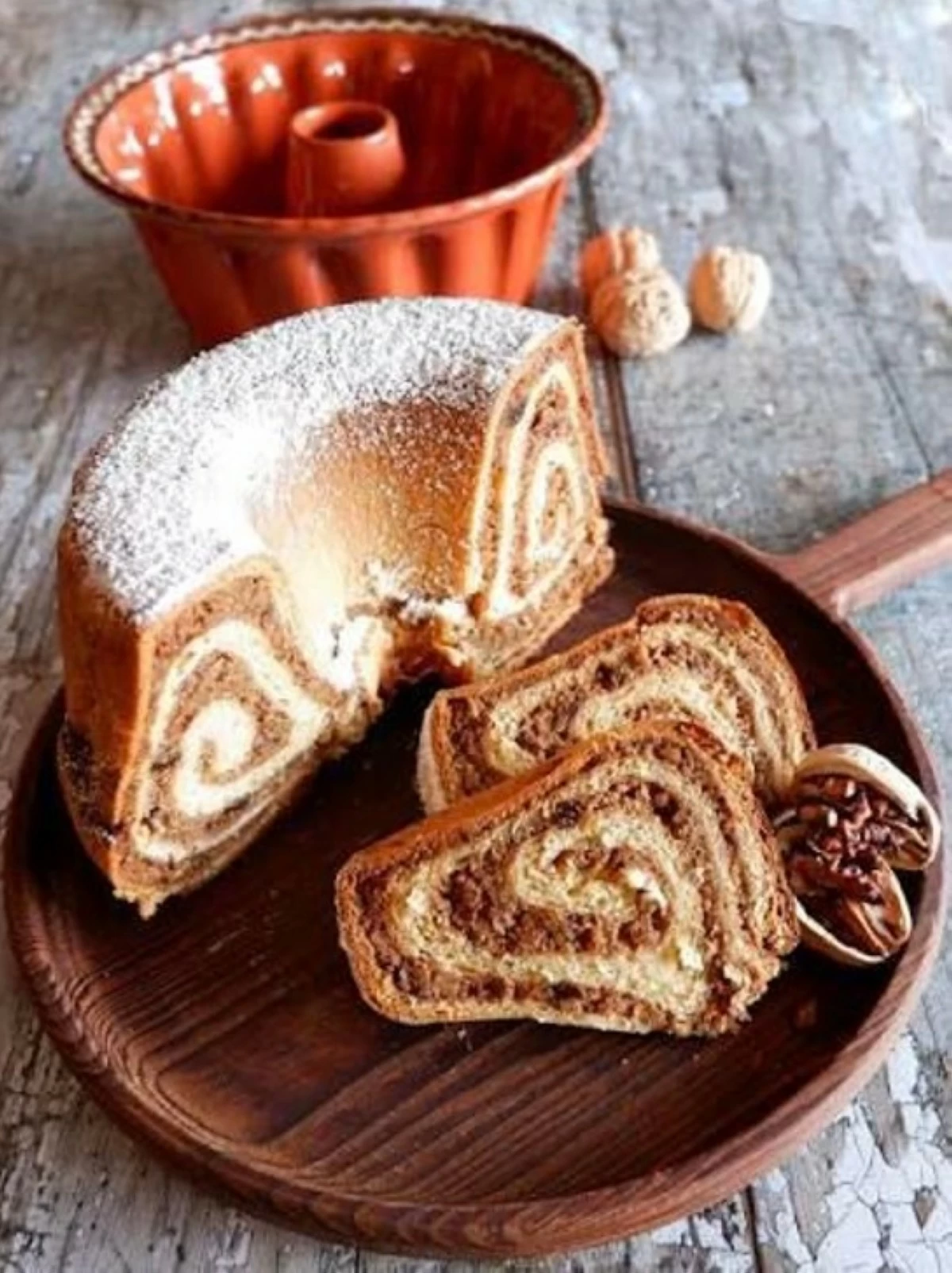
A traditional Slovenian Christmas dish is potica cake, prepared slightly differently in every home. I make one or two each Christmas. Potica is a rolled pastry spread with a rich filling — mine is a mixture of walnuts and nuts, sugar, milk, cream, and raisins. Potica (the name comes from the Slovenian word meaning “rolled up”) is not easy to make, as it requires a lot of patience and preparation. For Slovenes, potica symbolizes our tradition and is part of our identity. What makes it special for me is that my family says mine is the best.