






Manila Bulletin
 Business
Trade & Industry
Ensuring excellence: NPQSD's commitment to export quality, compliance
Business
Trade & Industry
Ensuring excellence: NPQSD's commitment to export quality, compliance
Business
Trade & Industry
Ensuring excellence: NPQSD's commitment to export quality, compliance
Ensuring excellence: NPQSD's commitment to export quality, compliance
Published Dec 22, 2025 01:41 pm


Many are unaware of the rigorous process required before our high-value crops reach international shores—from the painstaking negotiations for market access to the exchange of pest risk assessments required to justify appropriate risk levels.
This is where the Department of Agriculture–Bureau of Plant Industry (DA-BPI), through its National Plant Quarantine Services Division (NPQSD), provides essential support as the National Plant Protection Organization (NPPO) under the UN FAO’s International Plant Protection Convention (IPPC).
Its scientific expertise ensures the Philippines complies with Sanitary and Phytosanitary (SPS) Measures, thereby enabling our agricultural exports to enter foreign markets.
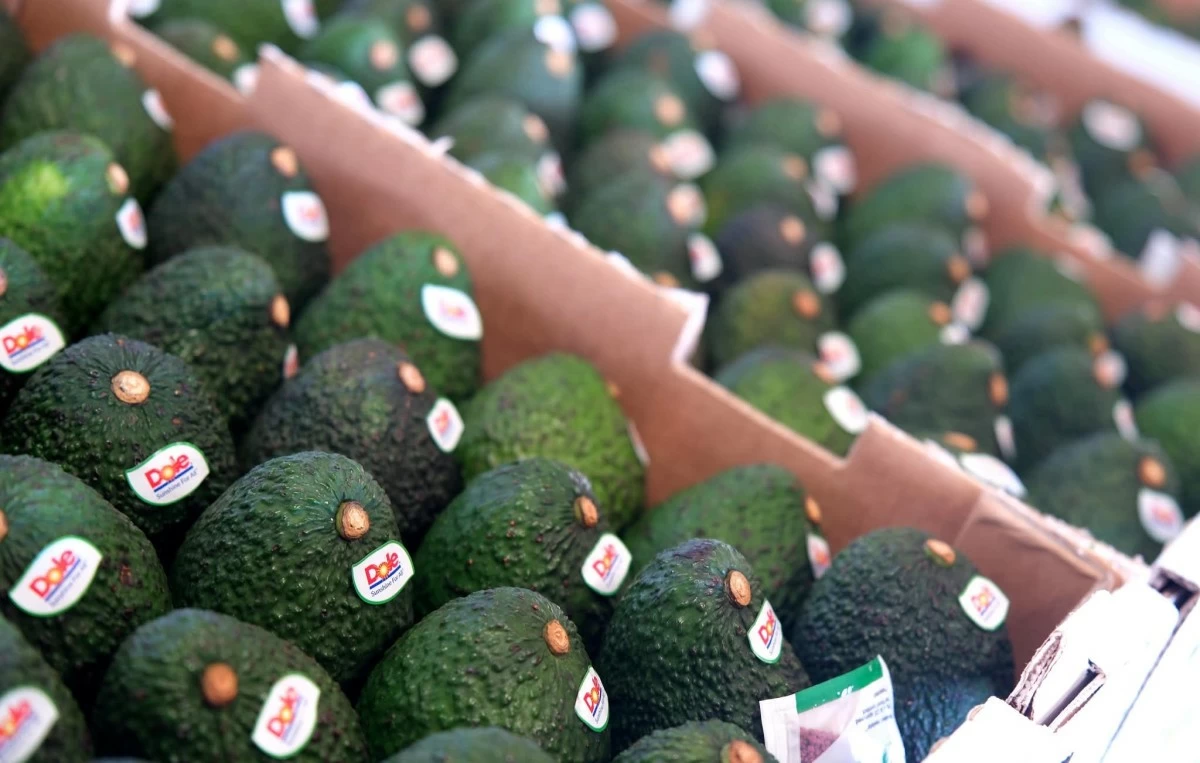
Recently, the NPQSD stations in General Santos, Davao, and Cagayan de Oro facilitated an annual audit conducted by Japan’s Ministry of Agriculture, Forestry and Fisheries (MAFF) for the export of Philippine Hass avocados.
During the inspection in Tupi, South Cotabato, Japan MAFF evaluated production areas to gauge compliance with export protocols, quarantine measures, and the quality standards established in the Philippines-Japan export agreement. The assessment verified the integrity of pest management programs, traceability systems, and packing house operations.
Dole Philippines Inc., the country’s primary exporter of Hass avocados to Japan, was audited in November 2025. This marks one year since Dole Philippines' inaugural shipment to Japan, a trade flow that has continued steadily since. Throughout the audit, regional managers and plant quarantine officers provided vital technical assistance and field support.
This annual audit underscores the commitment of both nations to maintaining high standards for traded commodities, reinforcing Japan’s confidence in the Philippines as a dependable source of high-value agricultural products. These efforts align with DA Secretary Francisco Tiu Laurel Jr.’s thrust to increase production and export quality.
Under the guidance of the newly designated Undersecretary for Export Promotion, Philip C. Young, the department is moving in the right direction. While the goal of advancing 14 high-value export crops presents many challenges, the collaborative efforts of these teams make increased exports a reality.
Ultimately, these audits serve as a platform to ensure continuous market access, strengthen bilateral trade relations, and enhance the global competitiveness of Philippine products—especially Hass avocados.