







Don't be fooled, new banknote swaps are always free—BSP
Published Dec 22, 2025 11:00 am


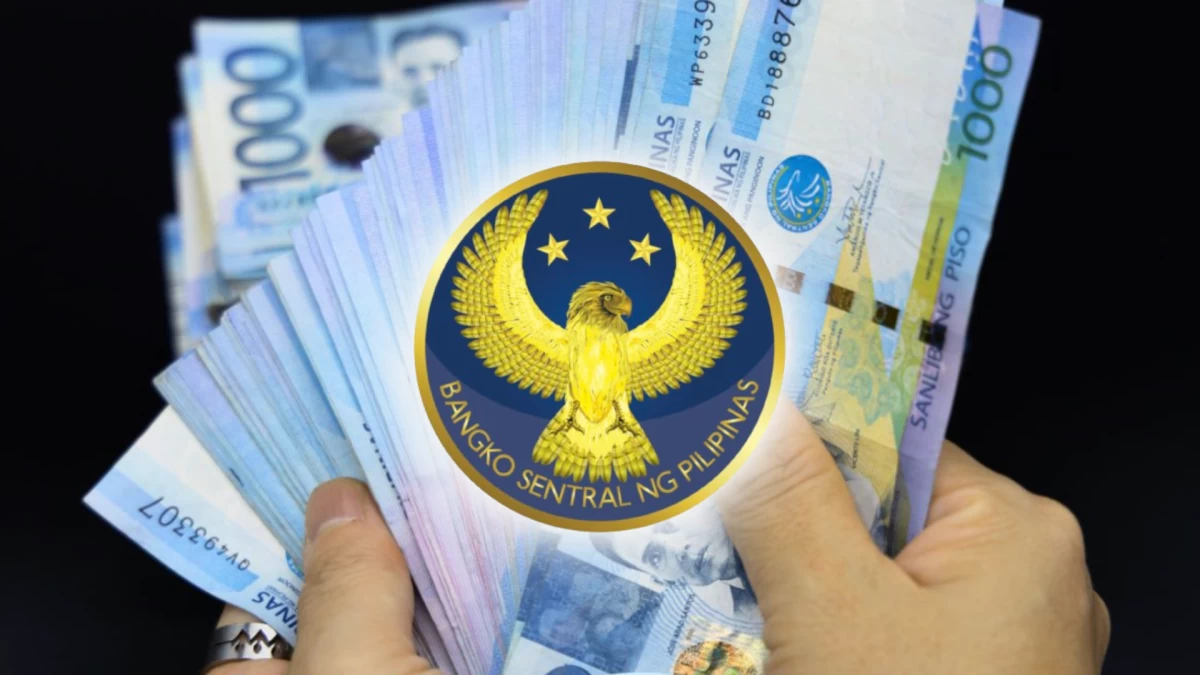
The Bangko Sentral ng Pilipinas (BSP) reminded the public that banks are required to exchange mutilated or unfit currency for free, a move to stop unauthorized “service fees” as cash demand rises ahead of the Christmas holidays.
In a statement on Monday, Dec. 22, the BSP said the central bank is urging consumers to use only authorized banks for currency transactions.
The advisory follows reports of individuals charging commissions to swap worn-out bills for crisp banknotes, a practice the regulator described as unnecessary and exploitative.
“The public is encouraged to transact with BSP-authorized banks for currency exchange to avoid ‘service fees’ imposed by individuals or other parties,” the central bank said.
To meet the surge in liquidity during the year-end season, the BSP said it is increasing the production of fresh banknotes and coins.
In the Philippines, the period typically triggers a significant rise in cash circulation due to 13th-month pay bonuses and the tradition of giving crisp bills as gifts, known locally as Aguinaldo. This seasonal influx often strains the supply of new currency and low-denomination bills.
While maintaining the physical cash supply, the BSP is also pushing for a shift toward digital payments. The regulator encouraged the use of e-wallets and digital banking for holiday gifting as a safer and more convenient alternative to paper bills.
The promotion of digital “Ang Pao,” or cash gifts, aligns with a broader goal to migrate more retail transactions to digital platforms.
As of 2024, digital payments in the Philippines accounted for 57.4 percent of total retail transaction volume, exceeding the central bank’s earlier 50 percent target for 2023.
The Philippine economy remains cash-reliant, particularly in provinces, despite the growth of platforms like GCash and Maya. Currency in circulation typically reaches its annual peak in December.
By offering free exchanges and promoting digital options, the BSP aims to remove unfit money from the system and reduce physical congestion at bank branches during the busiest month of the year.