







A full-throttle December
Published Dec 22, 2025 12:05 am
|
Updated Dec 21, 2025 04:43 pm


PEACE BY PEACE
After my arrival in Qatar early this month for the Doha Forum, my team and I were back in Mindanao last week, where we visited two places where we are now witnessing a remarkable transformation taking place, which was unimaginable just a few years ago.
In Pagadian City, I met men and women who once carried rifles but have now assumed the roles of agents of peace and development. In San Miguel, Surigao del Sur, I stood on a concrete road that replaced decades of isolation, marginalization and underdevelopment.
In both places, I was reminded of a key lesson I learned during my more than three decades of public service: genuine peace cannot take root through national policy alone. Local governments must be at the forefront and take the lead to make this happen.
At the Zamboanga Peninsula Peace Advocates Summit hosted by the Zamboanga del Sur provincial government, more than 200 former rebels, whom we now call as “friends rescued,” converged not only to share their experiences but to help build a shared future.
What struck me most about the gathering was the courage, strength and determination of these once grizzled fighters. The event was not just a summit but a reunion of lives reclaimed, families reunited and purpose renewed.
These men and women are no longer held back by their past. After turning away from armed struggle, they are channeling their newfound energies as peace advocates, community organizers, parents, entrepreneurs, and partners in development.
Many of them are now members of people’s organizations, using their wisdom and experiences to help their fellow FRs rebuild their lives and uplift their communities. This transformation did not happen overnight, and did not happen by chance.
Local governments have made all of these possible.
The presence, commitment and involvement of provincial governors, mayors, and other local officials continue to send a powerful message: peace is something that cannot be imposed but must be planted and nurtured on the ground.
LGUs are in the best position to help these FRs register and strengthen their organizations, support their livelihood projects that provide sustainable income, and ensure that essential services are given to families who once lived in the fringes of development.
The laying down of arms is just the start of the transformation. Most of all, there is a need to restore dignity and make sure that their difficult decision will enable them to put food on the table, send their children to school, and allow them to dream once again.
This is exactly what the LGUs in Mindanao are doing. They now understand that it is not enough to implement programs and projects. Their interventions must also lead to healing, reconciliation, and unity among their people and their communities.
In San Miguel, Surigao del Sur, we saw another form of healing. The turnover of the JNR–Carromata Road and the groundbreaking of a new farm-to-market road symbolized a new beginning for residents of this once conflict-ridden area.
For decades, barangays — most of them Indigenous Peoples communities — were isolated from the rest of the province. During the rainy season, rising rivers cut the residents to education, livelihoods, and essential services.
The concrete road that was built by the Office of the Presidential Adviser on Peace, Reconciliation and Unity (OPAPRU), through its Payapa at Masaganang Pamayanan (PAMANA), and with the support of LGUs, is turning things around.
With the new road, farmers can now bring their produce to markets faster and at lower cost Children can travel safely to school. Government services can now reach the people. The hum of progress and development can now be heard across communities.
This is how the PAMANA Program has been designed, as it seeks to bring development to once conflict-affected areas, and ensure that our peacebuilding work results to tangible improvements in people’s lives.
But PAMANA can only succeed when local governments walk with us every step of the way. Mindanao’s LGUs clearly understand this principle and have taken it to heart by ensuring the sustainable implementation, management and maintenance of projects.
What started out as a vision has now become a bridge, a road, a water system and then an entire network of opportunity. This is what sustainable peacebuilding should be: collaborative, inclusive and people-centered.
Whether in the Zamboanga Peninsula or in the Caraga Region, the lesson is the same. Peace cannot be sustained by the national government alone. It requires LGUs who do not only lead but listen, plan and act with purpose.
There must also be greater convergence between national line agencies, LGUs and the security so that all peace and development interventions are aligned, complement and support each other for greater impact.
As someone who has seen how communities have risen from the ashes of conflict, I have developed a deep respect for individuals who have the courage to choose peace over conflict, hope over despair and unity over division
To our local government partners, you are not just our implementing partners. You are, first and foremost, stewards of peace and development. Through your commitment, determination and resolve, the dividends of peace and progress are now within reach.
And to our former rebels who are now among our most steadfast peace and development partners, rest assured that the OPAPRU and your local governments will stay by your side each step of the way in your peace journey.
You are all living proof that genuine and positive change is possible.
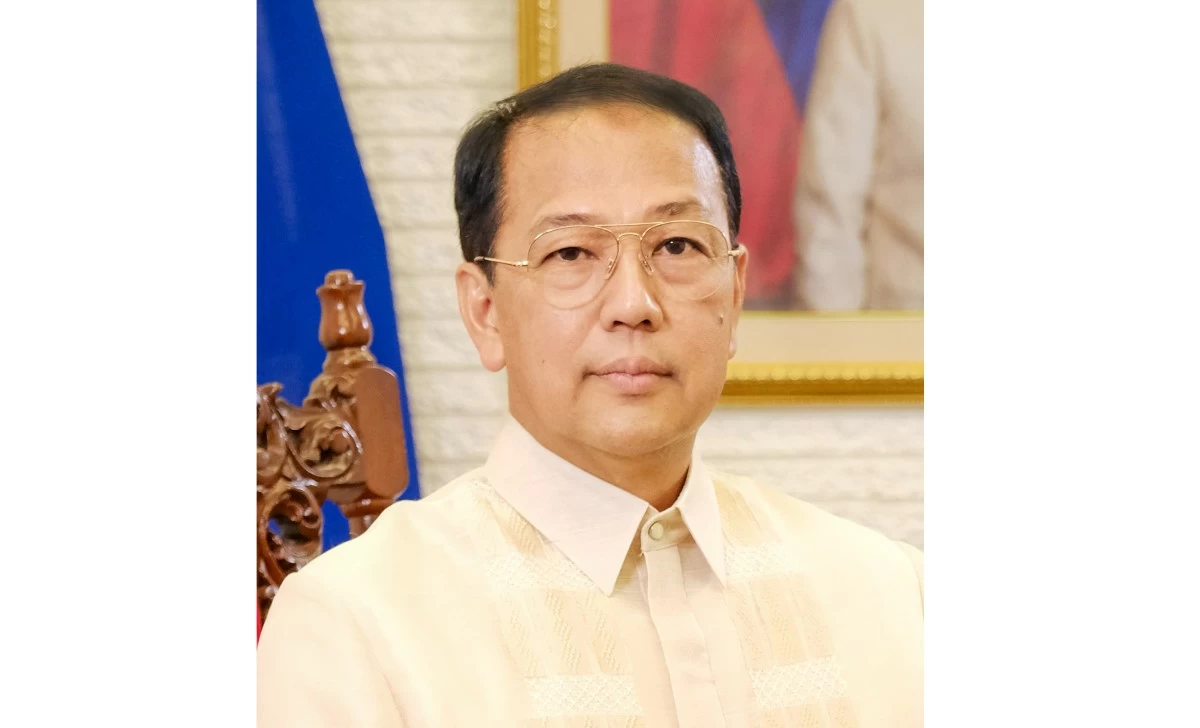
(Secretary Carlito G. Galvez, Jr., is the presidential adviser on peace, reconciliation and unity.)