ADVERTISEMENT

An accepting father

Published Dec 21, 2025 12:05 am  |  Updated Dec 20, 2025 03:41 pm
REFLECTIONS TODAY
The original Christmas story did not happen in an atmosphere of “heavenly peace” that resounds in Christmas carols. On the contrary, the birth of the Messiah disrupts the lives of characters associated with it. Mary, a young girl betrothed to Joseph, is told that she would bear a child, but not through her husband. She consents to bear the Son of the Most High, not knowing where this mystery will lead her. How will she tell Joseph that her pregnancy is not due to her infidelity to him? Her pregnancy becomes visible to Joseph with the passing of weeks. This finds Joseph in a quandary. As a “righteous” man, that is, faithful in observing the Law of Moses, there is no other way but to divorce her. Joseph seeks an answer to the unsettling question of Mary’s pregnancy as well as a way out of what he perceives as a difficult situation.
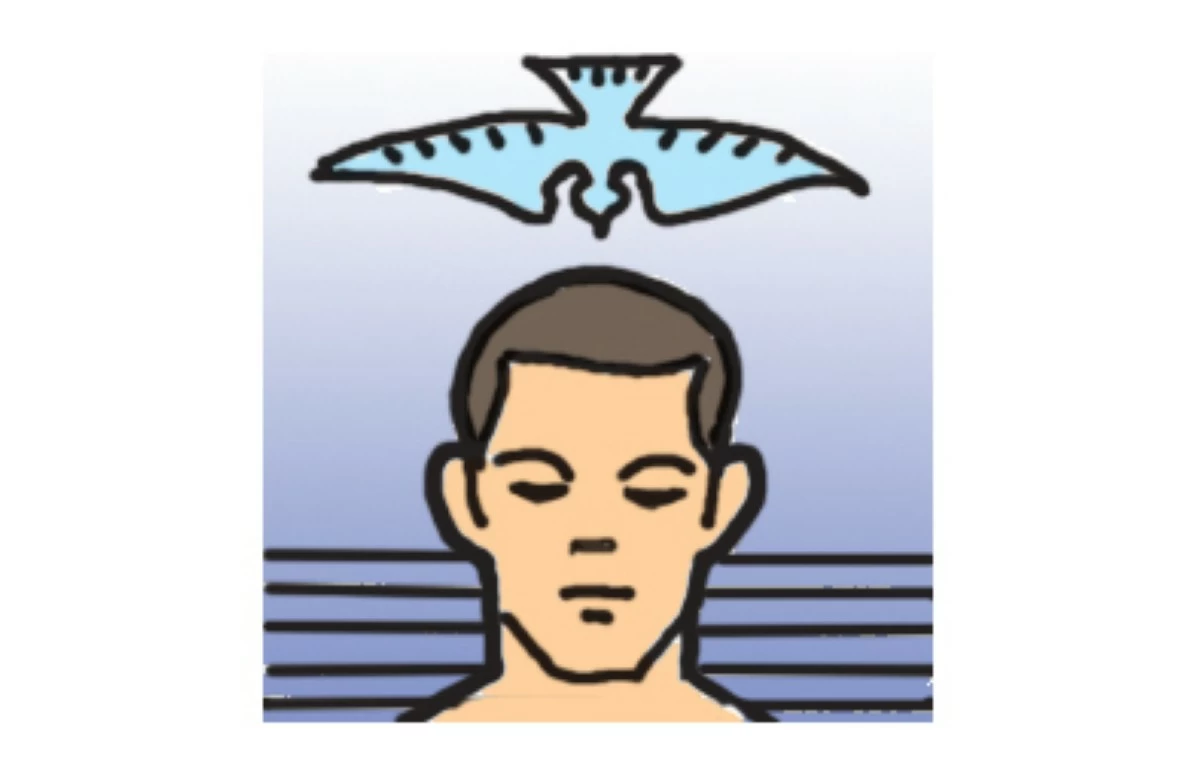
God does not leave the two young people hanging in the air for long. The angel is sent to reveal to Joseph the mystery that is taking place in Mary. She is to be the mother of the Messiah. Joseph is invited to take Mary home as his wife, and when the Child in her womb comes into the world, he should give it the name: “Jesus.” In other words, God entrusts to Joseph the responsibilities of an earthly father as regards Mary’s Son.
“When Joseph awoke, he did as the angel of the Lord had commanded him and took his wife into his home” (v 24). The “upright” Joseph who thought of divorcing Mary shows a readiness to do what God asks of him, a readiness that is similar to Mary’s. He takes Mary in all the mystery of her motherhood. Although he does not respond verbally to the angel’s announcement, Joseph manifests the same “obedience of faith” that Mary shows and that Jesus will ask of his disciples. By this obedience of faith, one commits oneself entirely to God.
Pope Francis describes Joseph as an accepting father: “Joseph accepted Mary unconditionally. He trusted in the angel’s words. ‘The nobility of Joseph’s heart is such that what he learned from the law he made dependent on charity. Today, in our world where psychological, verbal and physical violence towards women is so evident, Joseph appears as the figure of a respectful and sensitive man. Even though he does not understand the bigger picture, he makes a decision to protect Mary’s good name, her dignity and her life. In his hesitation about how best to act, God helped him by enlightening his judgment’ ” (Patris Corde, 4).
First Reading • Is 7:10-14
The Lord spoke to Ahaz, saying: Ask for a sign from the Lord, your God; let it be deep as the nether world, or high as the sky! But Ahaz answered, “I will not ask! I will not tempt the Lord!” Then Isaiah said: Listen, O house of David! Is it not enough for you to weary people, must you also weary my God? Therefore the Lord himself will give you this sign: the virgin shall conceive, and bear a son, and shall name him Emmanuel.
Gospel • Mt 1:18-24
This is how the birth of Jesus Christ came about. When his mother Mary was betrothed to Joseph, but before they lived together, she was found with child through the Holy Spirit. Joseph her husband, since he was a righteous man, yet unwilling to expose her to shame, decided to divorce her quietly. Such was his intention when, behold, the angel of the Lord appeared to him in a dream and said, “Joseph, son of David, do not be afraid to take Mary your wife into your home. For it is through the Holy Spirit that this child has been conceived in her. She will bear a son and you are to name him Jesus, because he will save his people from their sins.” All this took place to fulfill what the Lord had said through the prophet: Behold, the virgin shall be with child and bear a son, and they shall name him Emmanuel, which means, “God is with us.” When Joseph awoke, he did as the angel of the Lord had commanded him and took his wife into his home.
Source: “365 Days with the Lord 2025,” St. Paul’s, 7708 St. Paul Rd., SAV, Makati City (Phils.); Tel.: 632-895-9701; E-mail: [email protected]; Website: http://www.stpauls.ph.
ADVERTISEMENT
.most-popular .layout-ratio{ padding-bottom: 79.13%; } @media (min-width: 768px) and (max-width: 1024px) { .widget-title { font-size: 15px !important; } }

{{ articles_filter_1561_widget.title }}

.most-popular .layout-ratio{ padding-bottom: 79.13%; } @media (min-width: 768px) and (max-width: 1024px) { .widget-title { font-size: 15px !important; } }

{{ articles_filter_1562_widget.title }}

.most-popular .layout-ratio{ padding-bottom: 79.13%; } @media (min-width: 768px) and (max-width: 1024px) { .widget-title { font-size: 15px !important; } }

{{ articles_filter_1563_widget.title }}

{{ articles_filter_1564_widget.title }}

.mb-article-details { position: relative; } .mb-article-details .article-body-preview, .mb-article-details .article-body-summary{ font-size: 17px; line-height: 30px; font-family: "Libre Caslon Text", serif; color: #000; } .mb-article-details .article-body-preview iframe , .mb-article-details .article-body-summary iframe{ width: 100%; margin: auto; } .read-more-background { background: linear-gradient(180deg, color(display-p3 1.000 1.000 1.000 / 0) 13.75%, color(display-p3 1.000 1.000 1.000 / 0.8) 30.79%, color(display-p3 1.000 1.000 1.000) 72.5%); position: absolute; height: 200px; width: 100%; bottom: 0; display: flex; justify-content: center; align-items: center; padding: 0; } .read-more-background a{ color: #000; } .read-more-btn { padding: 17px 45px; font-family: Inter; font-weight: 700; font-size: 18px; line-height: 16px; text-align: center; vertical-align: middle; border: 1px solid black; background-color: white; } .hidden { display: none; }
function initializeAllSwipers() { // Get all hidden inputs with cms_article_id document.querySelectorAll('[id^="cms_article_id_"]').forEach(function (input) { const cmsArticleId = input.value; const articleSelector = '#article-' + cmsArticleId + ' .body_images'; const swiperElement = document.querySelector(articleSelector); if (swiperElement && !swiperElement.classList.contains('swiper-initialized')) { new Swiper(articleSelector, { loop: true, pagination: false, navigation: { nextEl: '#article-' + cmsArticleId + ' .swiper-button-next', prevEl: '#article-' + cmsArticleId + ' .swiper-button-prev', }, }); } }); } setTimeout(initializeAllSwipers, 3000); const intersectionObserver = new IntersectionObserver( (entries) => { entries.forEach((entry) => { if (entry.isIntersecting) { const newUrl = entry.target.getAttribute("data-url"); if (newUrl) { history.pushState(null, null, newUrl); let article = entry.target; // Extract metadata const author = article.querySelector('.author-section').textContent.replace('By', '').trim(); const section = article.querySelector('.section-info ').textContent.replace(' ', ' '); const title = article.querySelector('.article-title h1').textContent; // Parse URL for Chartbeat path format const parsedUrl = new URL(newUrl, window.location.origin); const cleanUrl = parsedUrl.host + parsedUrl.pathname; // Update Chartbeat configuration if (typeof window._sf_async_config !== 'undefined') { window._sf_async_config.path = cleanUrl; window._sf_async_config.sections = section; window._sf_async_config.authors = author; } // Track virtual page view with Chartbeat if (typeof pSUPERFLY !== 'undefined' && typeof pSUPERFLY.virtualPage === 'function') { try { pSUPERFLY.virtualPage({ path: cleanUrl, title: title, sections: section, authors: author }); } catch (error) { console.error('ping error', error); } } // Optional: Update document title if (title && title !== document.title) { document.title = title; } } } }); }, { threshold: 0.1 } ); function showArticleBody(button) { const article = button.closest("article"); const summary = article.querySelector(".article-body-summary"); const body = article.querySelector(".article-body-preview"); const readMoreSection = article.querySelector(".read-more-background"); // Hide summary and read-more section summary.style.display = "none"; readMoreSection.style.display = "none"; // Show the full article body body.classList.remove("hidden"); } document.addEventListener("DOMContentLoaded", () => { let loadCount = 0; // Track how many times articles are loaded const offset = [1, 2, 3, 4, 5, 6, 7, 8, 9, 10]; // Offset values const currentUrl = window.location.pathname.substring(1); let isLoading = false; // Prevent multiple calls if (!currentUrl) { console.log("Current URL is invalid."); return; } const sentinel = document.getElementById("load-more-sentinel"); if (!sentinel) { console.log("Sentinel element not found."); return; } function isSentinelVisible() { const rect = sentinel.getBoundingClientRect(); return ( rect.top < window.innerHeight && rect.bottom >= 0 ); } function onScroll() { if (isLoading) return; if (isSentinelVisible()) { if (loadCount >= offset.length) { console.log("Maximum load attempts reached."); window.removeEventListener("scroll", onScroll); return; } isLoading = true; const currentOffset = offset[loadCount]; window.loadMoreItems().then(() => { let article = document.querySelector('#widget_1690 > div:nth-last-of-type(2) article'); intersectionObserver.observe(article) loadCount++; }).catch(error => { console.error("Error loading more items:", error); }).finally(() => { isLoading = false; }); } } window.addEventListener("scroll", onScroll); });

Sign up by email to receive news.