






Manila Bulletin
 Business
The Stock Market
From grandfather to grandson: Lucio Tan III takes delivery of PAL's first A350-1000
Business
The Stock Market
From grandfather to grandson: Lucio Tan III takes delivery of PAL's first A350-1000
Business
The Stock Market
From grandfather to grandson: Lucio Tan III takes delivery of PAL's first A350-1000
From grandfather to grandson: Lucio Tan III takes delivery of PAL's first A350-1000
Published Dec 20, 2025 10:46 am



Lucio Tan III and Lucio Tan
Lucio Tan III stood on the same tarmac where his grandfather once cemented Philippine Airlines’ (PAL) global ambitions, a generational handover that pairs the flag carrier’s legacy with tech-driven pursuit of fiscal efficiency.
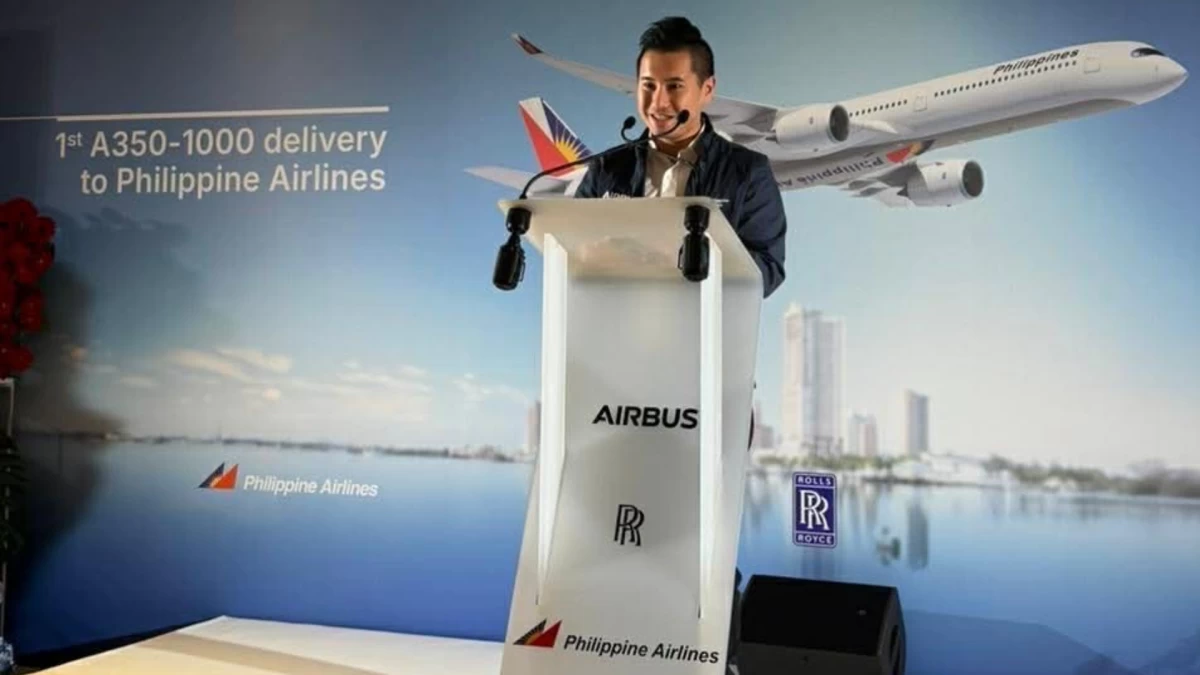
Lucio Tan III
The delivery of PAL’s first Airbus A350-1000—the centerpiece of a nine-aircraft fleet renewal—represents a pivot for the 84-year-old flag carrier.
“Twenty-eight years ago, my grandfather stood here in Toulouse to accept an A340-300. Today, I carry that legacy forward with humility, a deep sense of responsibility and optimism for the future,” the younger Tan, now president of PAL Holdings Inc., said following the formal handover of the Airbus A350-1000 in Toulouse, France.
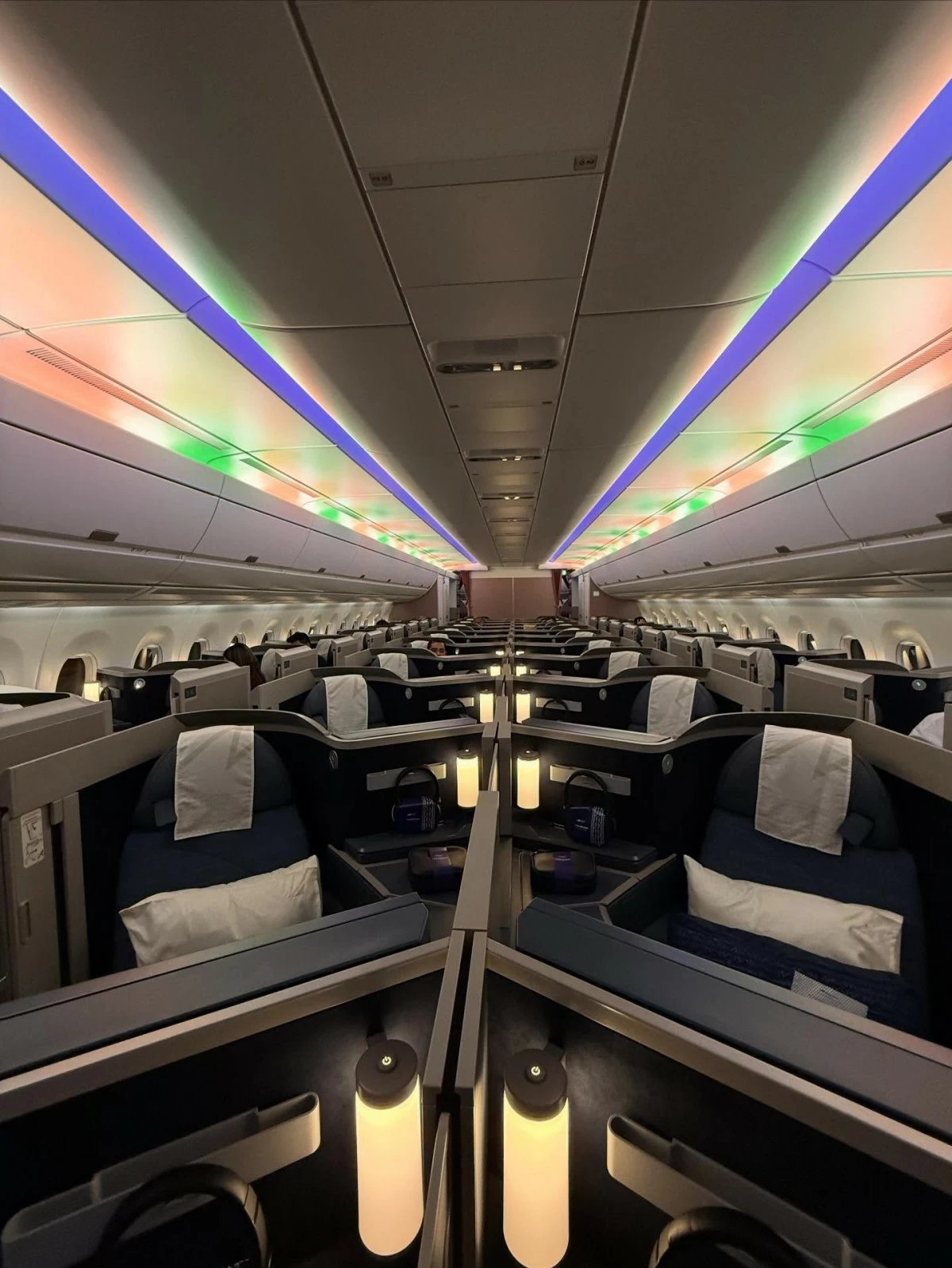
Photo courtesy of PAL COO Carlu Fernandez
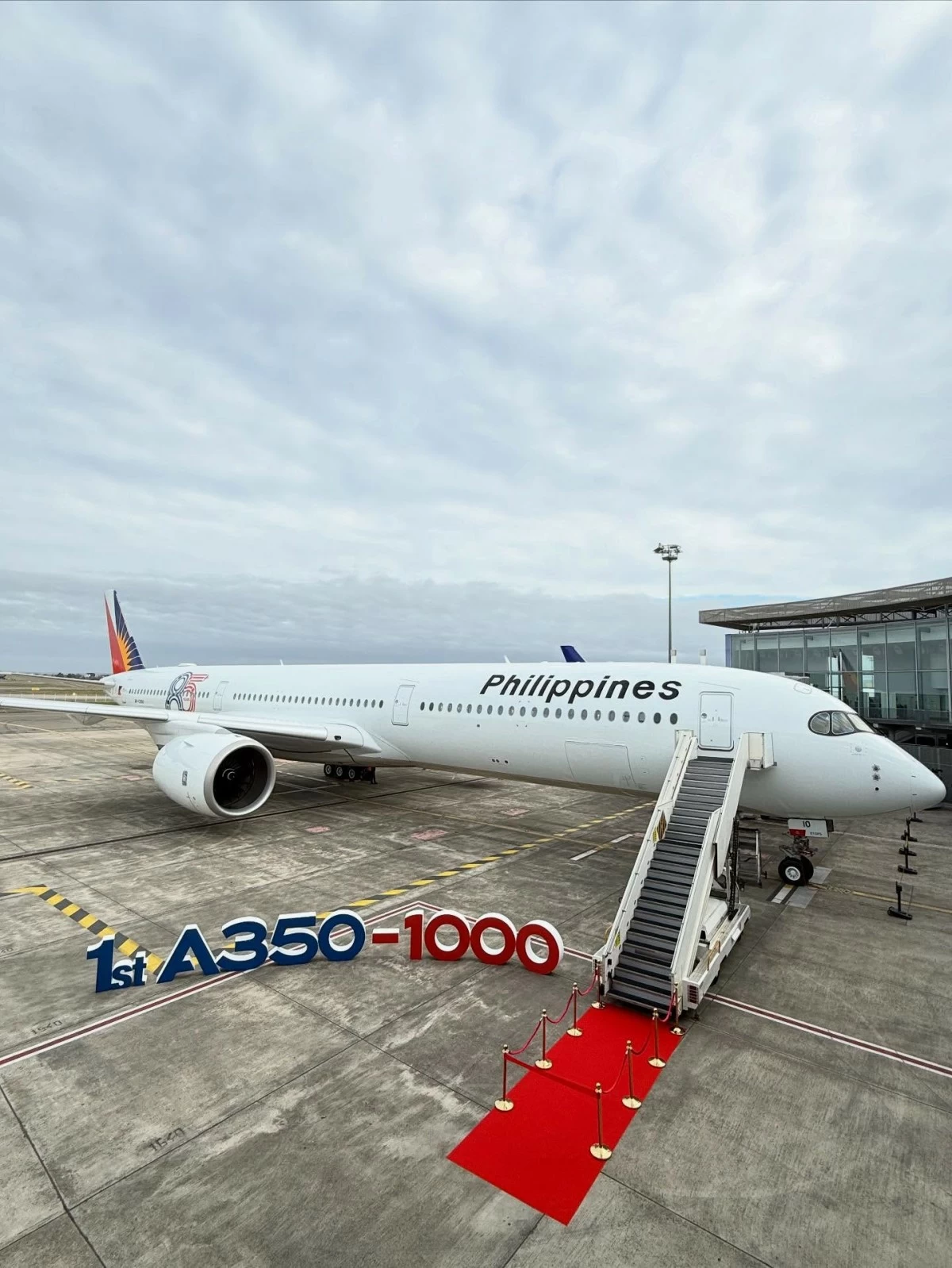
Photo courtesy of PAL COO Carlu Fernandez
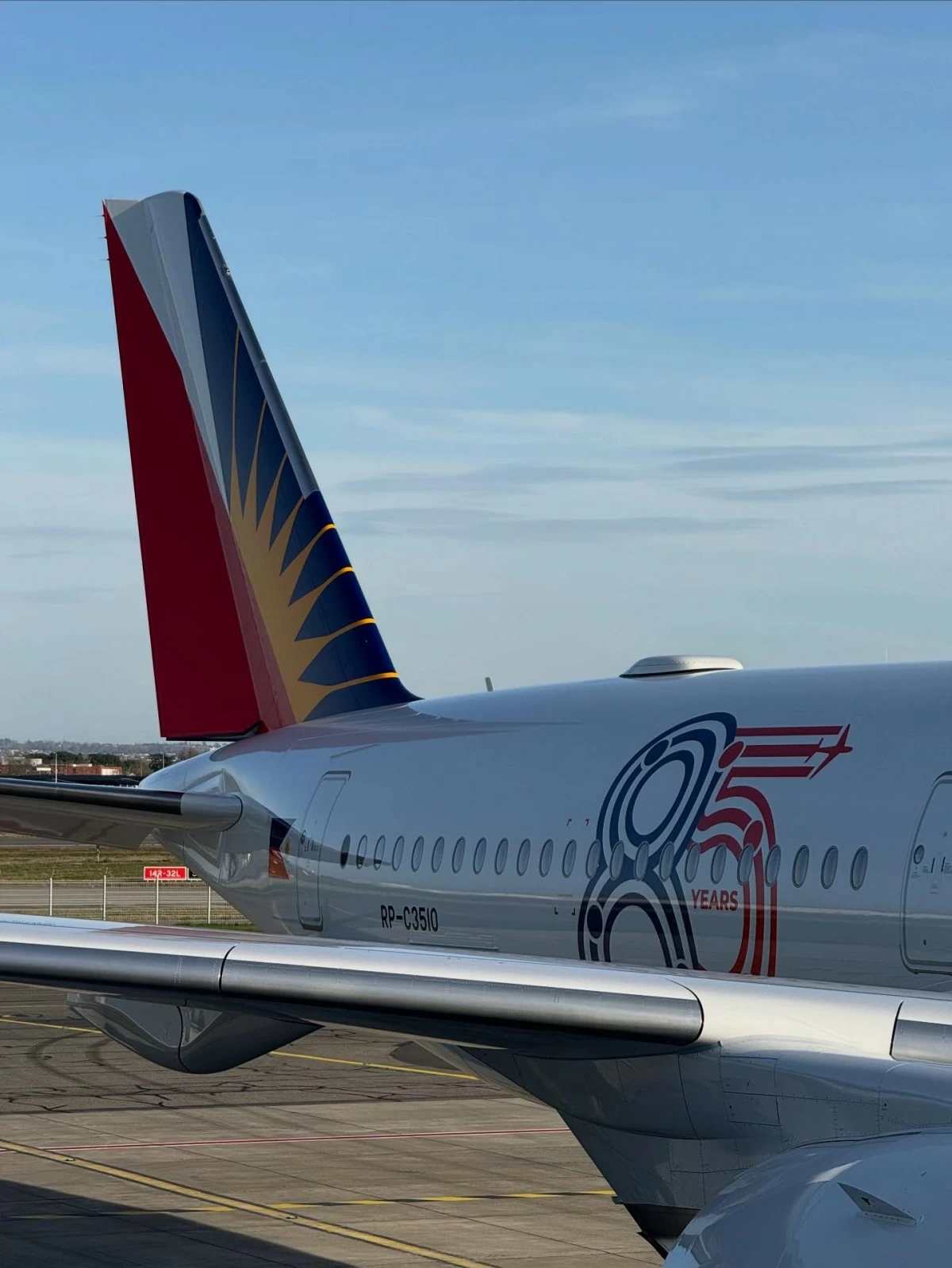
Photo courtesy of PAL COO Carlu Fernandez
While the elder Lucio Tan’s acquisition of the A340-300 in 1997 was a play for rapid international scale, his grandson’s move focuses on ultra-long-haul dominance and the preservation of capital following the airline’s successful Chapter 11 restructuring.
The A350-1000 is more than a flagship, it is a tool for long-term margin protection. By operating the first variant of its kind in Southeast Asia, PAL aims to slash operating costs with a twin-engine widebody that offers a 25 percent reduction in fuel burn compared to previous-generation models.
This efficiency serves as a critical hedge as the airline navigates volatile jet fuel prices. With a range of 8,700 nautical miles, the aircraft is slated to take over “prime trunk” routes to Los Angeles, San Francisco, and New York, replacing the Boeing 777-300ER fleet while targeting high-margin premium travelers with 42 business class suites.
The delivery also indicates PAL’s resurgence in international credit markets. Recently, the airline announced sustained financial stability, with third-quarter attributable net income almost doubling to ₱1.37 billion due to increased passenger revenues.
This performance has allowed PAL to re-engage with global lessors, evidenced by a new purchase-and-leaseback agreement with BOC Aviation Ltd. for two of the A350-1000 units.
Tan credited the discipline and hard work of the carrier's staff for the turnaround, noting the significance of the first-ever transaction with the Singapore-based lessor as a vote of confidence in the company’s resilience.
The arrival of the A350-1000 signifies that the Tan family’s third-generation leadership is resizing the business for a fuel-conscious and ultra-competitive aviation landscape.
By balancing capacity with demand and maintaining the service standards established decades ago, the younger Tan is betting that efficiency, rather than just scale, will define the flag carrier’s future in the global market.