






Manila Bulletin
 Lifestyle
Fashion and Beauty
The bag you bring says everything: What everyday essentials teach us about cultural marketing
Lifestyle
Fashion and Beauty
The bag you bring says everything: What everyday essentials teach us about cultural marketing
Lifestyle
Fashion and Beauty
The bag you bring says everything: What everyday essentials teach us about cultural marketing
The bag you bring says everything: What everyday essentials teach us about cultural marketing
Published Dec 19, 2025 01:10 pm


By Regine Anastacio
Both New Yorkers and Filipinos treat bags like survival kits, but for different reasons.
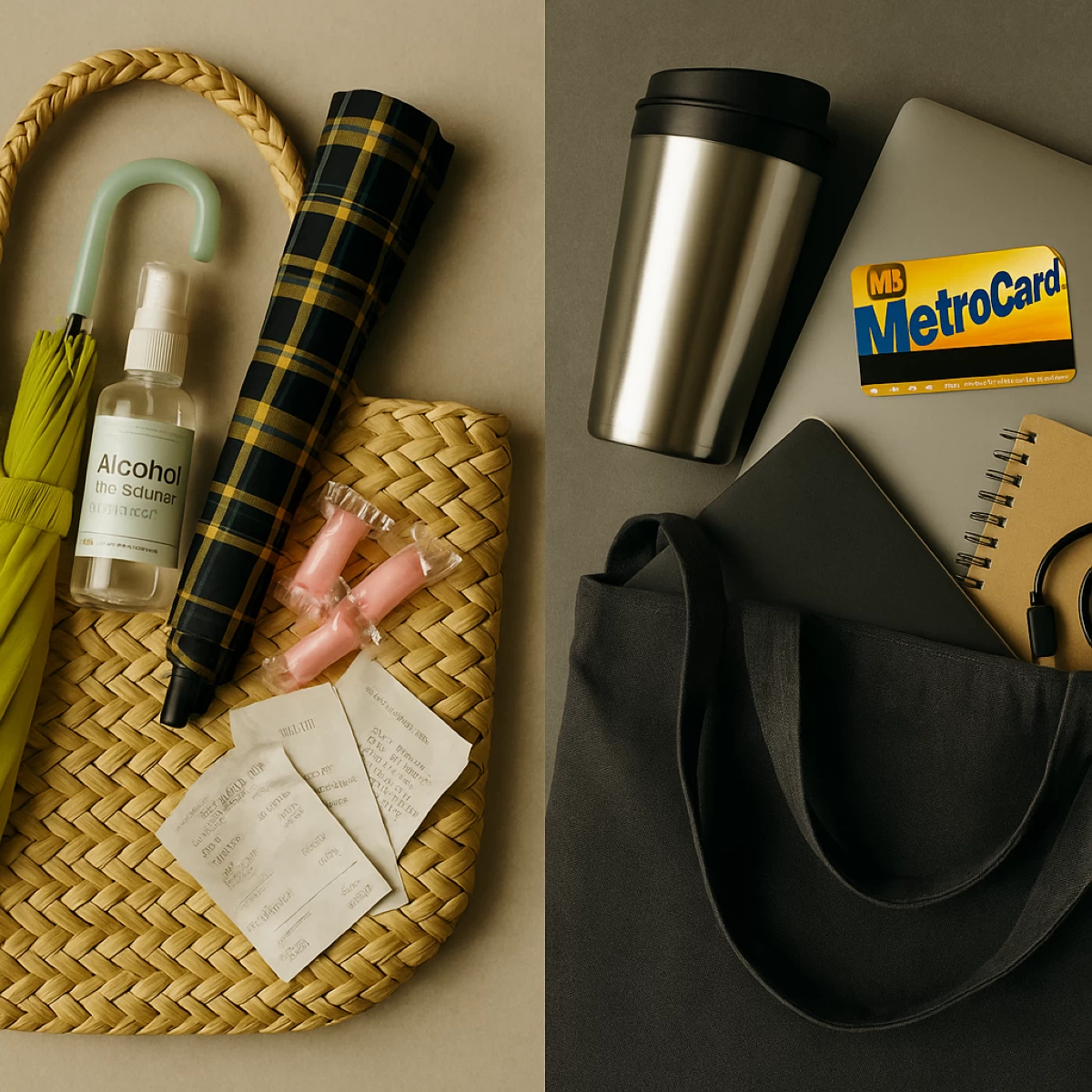
NYC: MetroCard, laptop, coffee tumbler.
PH: Payong, alcohol spray, candy, receipts.
Different essentials, same readiness. One for the rain, one for the rush.
What people carry isn’t random. It’s a record of their priorities. A bag tells the story of how someone moves through the world: The items they reach for first, the comforts they keep close, the tools they need to feel prepared. For marketers, these details are gold. Every pocket, zipper, and compartment reveals something about behavior, what people expect from their day, and, by extension, from the brands they trust to make that day easier.
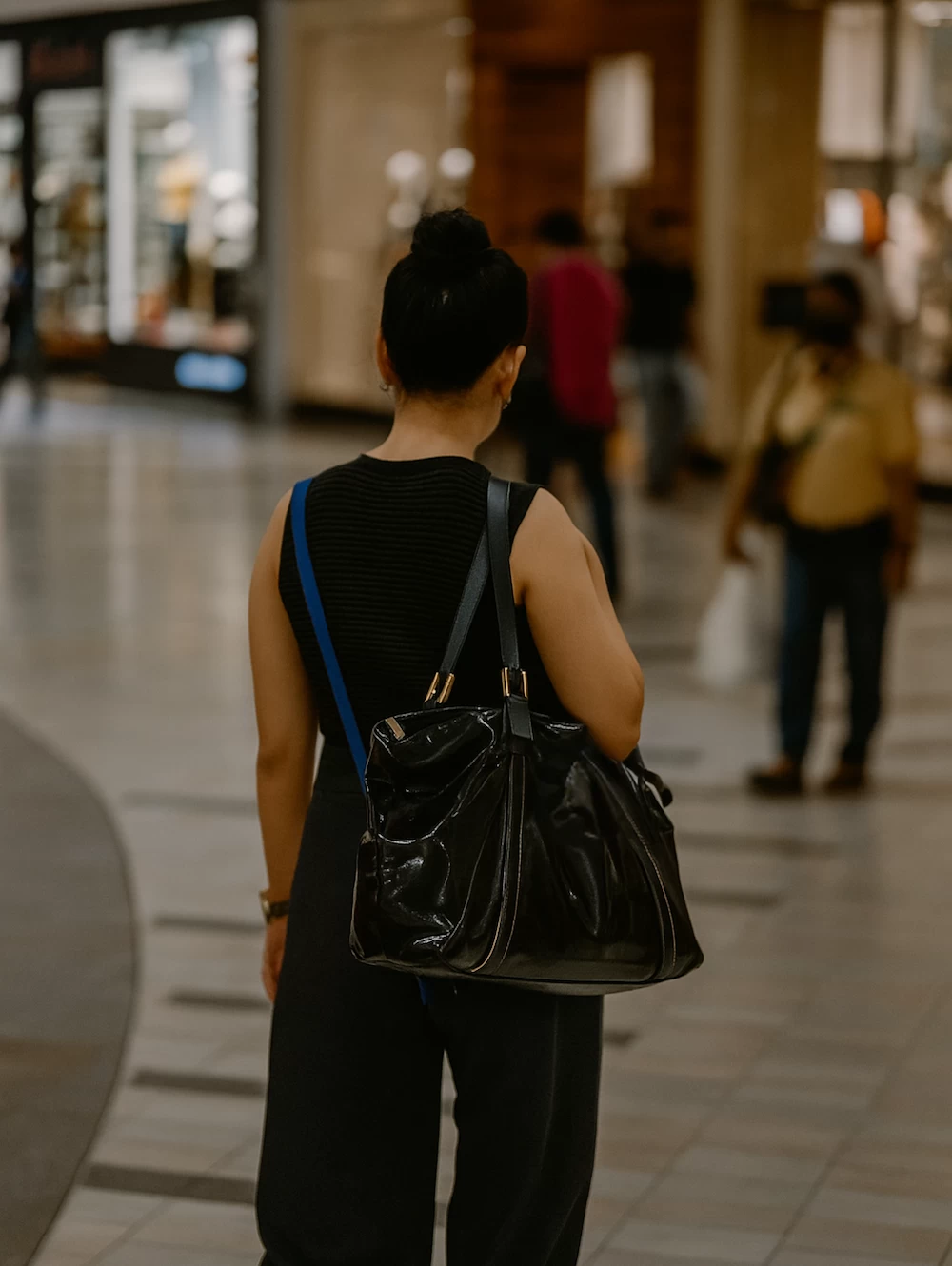
The Filipino bag: Readiness as reassurance
In the Philippines, a bag is a small expression of “handa,” that instinctive readiness for anything. Rain clouds gather without warning, traffic stretches endlessly, and plans shift by the hour. Inside every Filipino’s tote or backpack is proof of this quiet adaptability: a folded umbrella, a snack to share, alcohol spray, loose change, and layers of “just in case.” These objects form an emotional safety net.
For marketers, this readiness speaks volumes. Filipino consumers value brands that anticipate needs and offer reassurance. The success of multipurpose products such as convertible bags, refillable pouches, and on-the-go hygiene kits shows that convenience and care are not opposites; they are partners. Campaigns that highlight thoughtfulness and foresight, rather than urgency, feel more aligned with this cultural rhythm. The most effective messages do not shout efficiency; they whisper empathy.
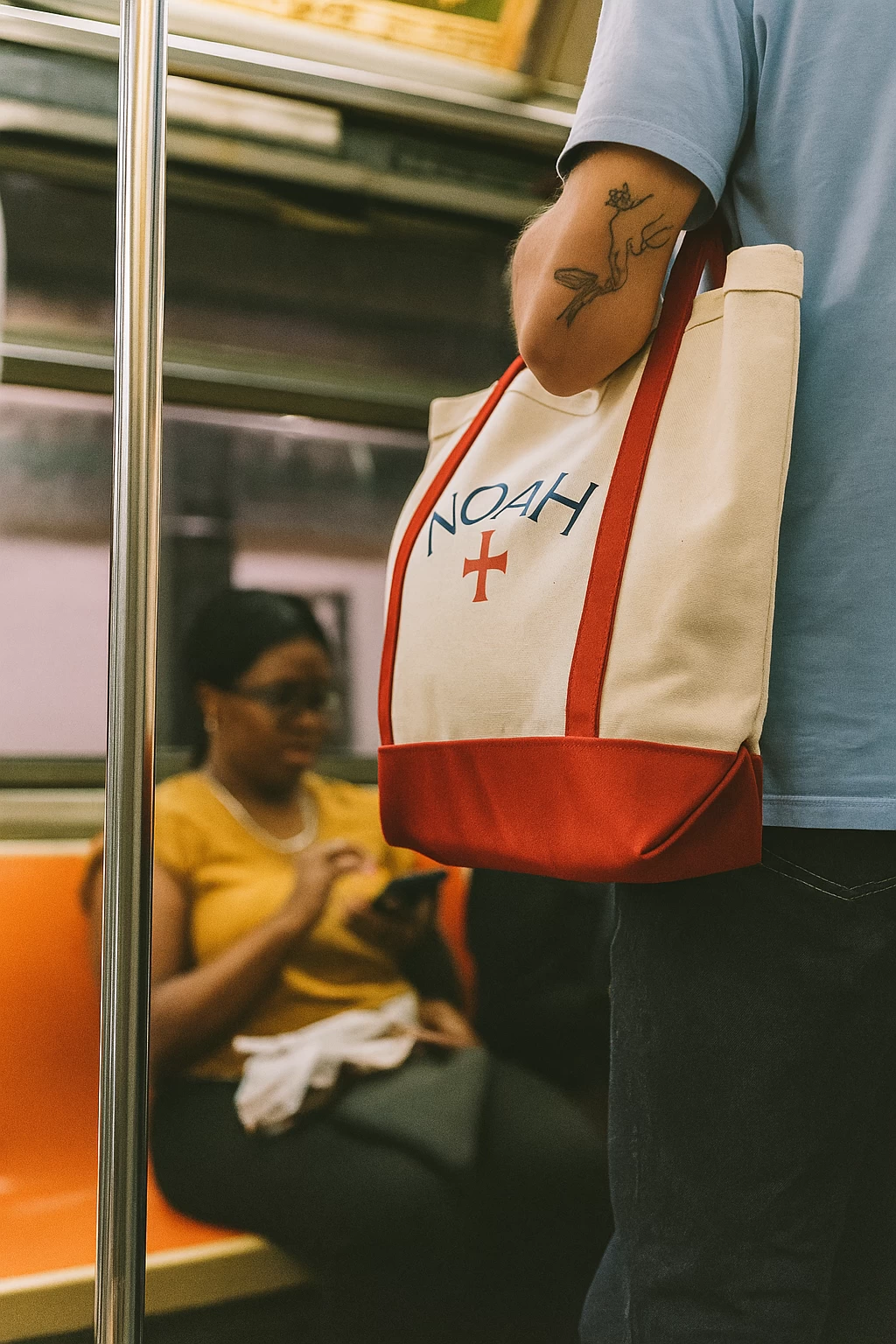
The New Yorker’s edit: Mobility as identity
In New York, the contents of a bag symbolize motion. Everything is edited down to essentials that sustain a fast, fragmented day: cardholder, charger, lip balm, caffeine. The bag itself is a badge of autonomy, sleek, portable, optimized. It is no surprise that local favorites such as Noah's tote or Lululemon’s belt bag have become shorthand for self-sufficiency. Each tells a story of performance and aspiration, of being ready for whatever the city throws your way.
Marketers here trade on momentum. Campaigns celebrate hustle, individualism, and the freedom to keep moving. A bag’s function becomes metaphorical: It carries not just things, but drive, confidence, and self-expression. The difference between Manila and Manhattan is less about lifestyle than philosophy; one finds comfort in preparedness, the other in control.
Culture as strategy
Across both cities, bags reveal a universal truth about marketing: design follows culture. People buy what aligns with their values, even when those values are tucked inside a purse. The Filipino consumer responds to brands that comfort; the New Yorker to brands that empower. Understanding that nuance turns a product into a relationship.
Great marketing begins with observation. What fills a person’s bag can guide everything from product design to copy tone. It is data disguised as daily life. When a brand pays attention to the small details, what people carry, how they commute, and how they cope, it gains the language to connect authentically.
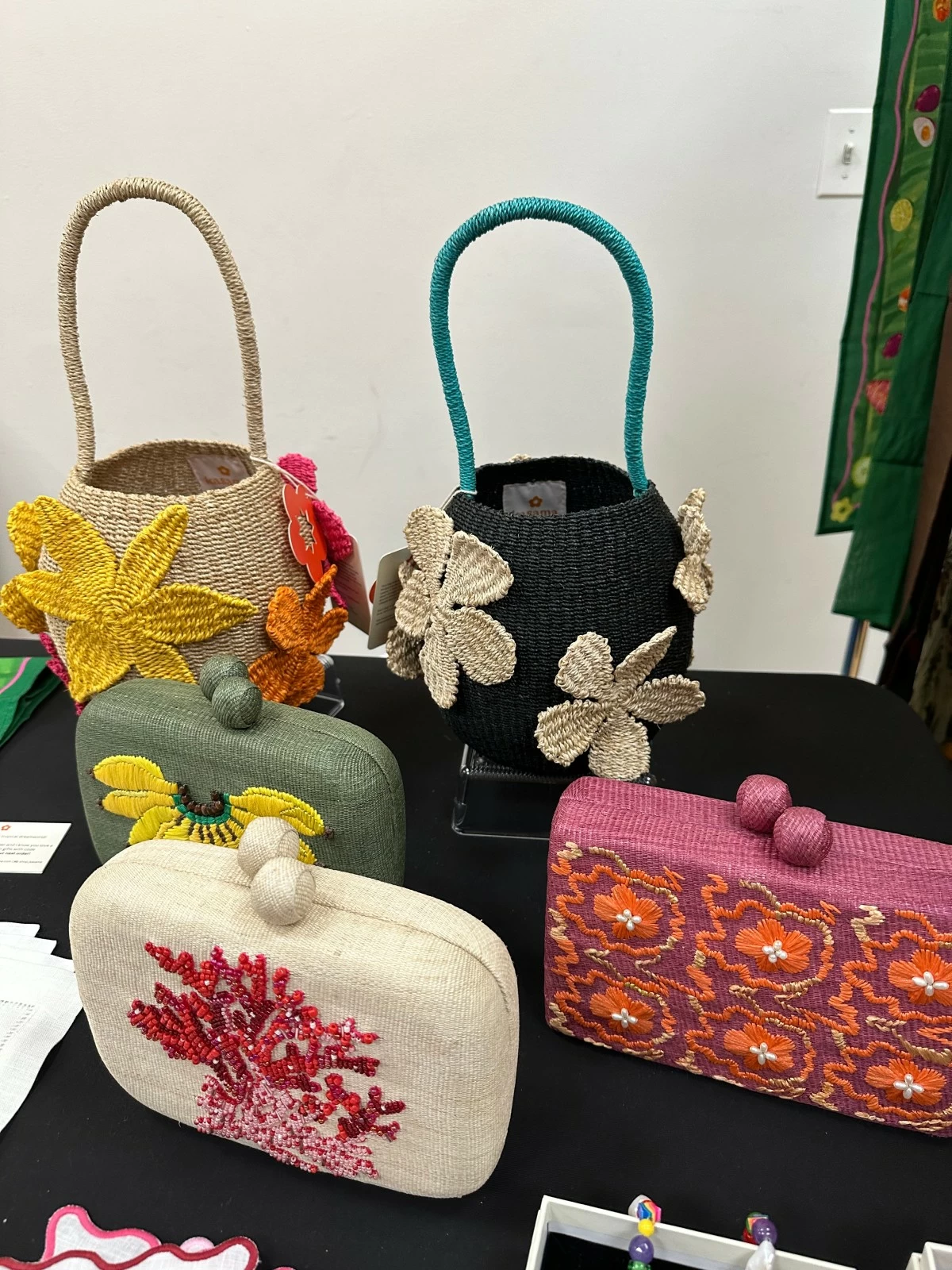
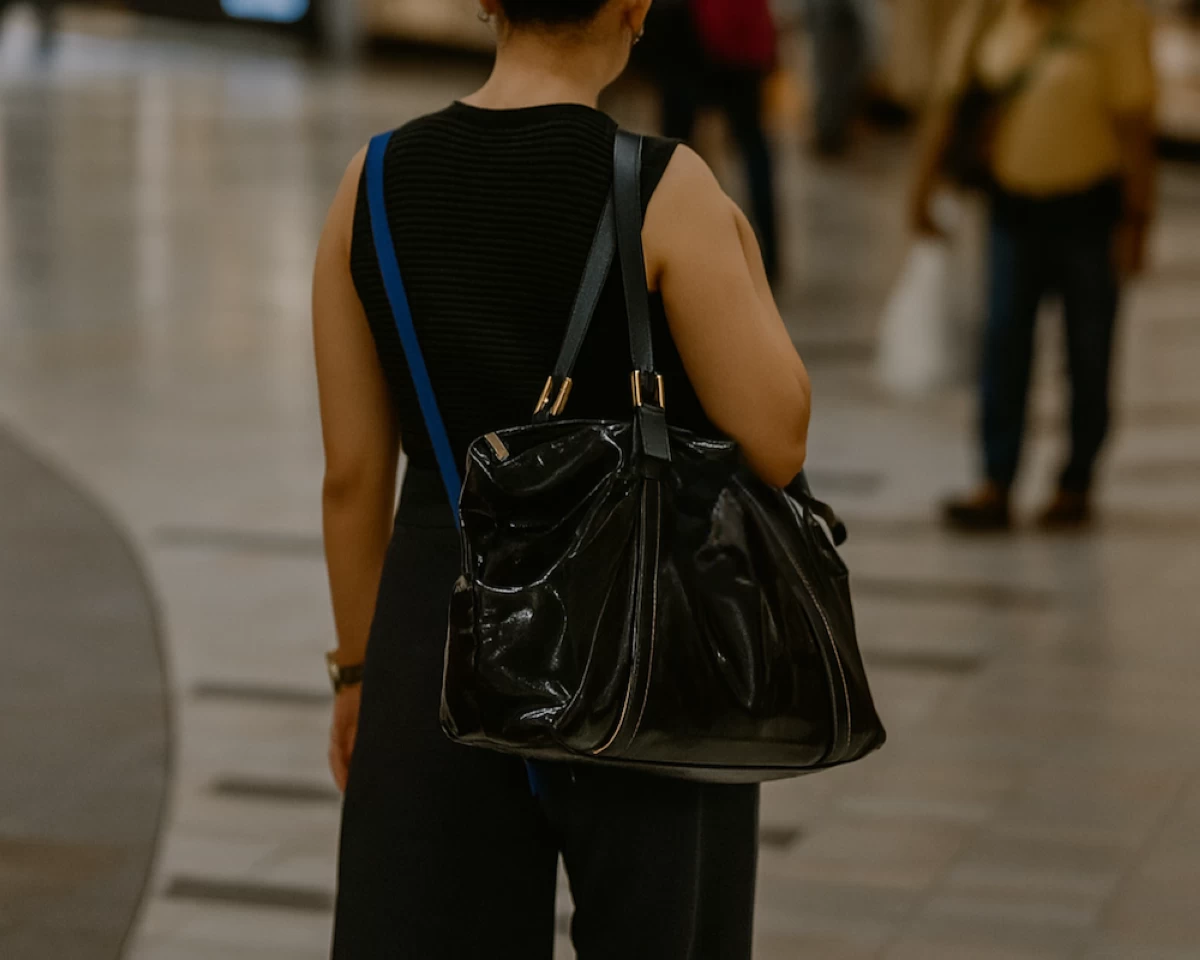
(Photo courtesy of: Design by Alexandra Dorda for Kasama. Taken at New York Fashion Week’s Filipino Creatives Showcase)
The takeaway
The bag you bring says everything. It holds your habits, your coping mechanisms, your small daily hopes. For marketers, it holds the blueprint for resonance: empathy, utility, and understanding.
In the end, fashion is not only what people wear but how they prepare. And for both the Filipino who packs for the rain and the New Yorker who packs for the rush, the real essential is the same: the need to feel ready for whatever comes next.
About the author
Regine Anastacio is a New York–based writer whose work explores how fashion connects to memory, culture, and identity. She is the founder of Woven, a narrative-driven online journal spotlighting Filipino and global voices in fashion. With a background in marketing and brand storytelling, she blends narrative and cultural observation to honor fashion as more than fabric, but as a language of belonging