






Manila Bulletin
 Business
Trade & Industry
Gov't considers extending sugar import ban through end of 2026
Business
Trade & Industry
Gov't considers extending sugar import ban through end of 2026
Business
Trade & Industry
Gov't considers extending sugar import ban through end of 2026
Gov't considers extending sugar import ban through end of 2026
Published Dec 19, 2025 06:18 pm


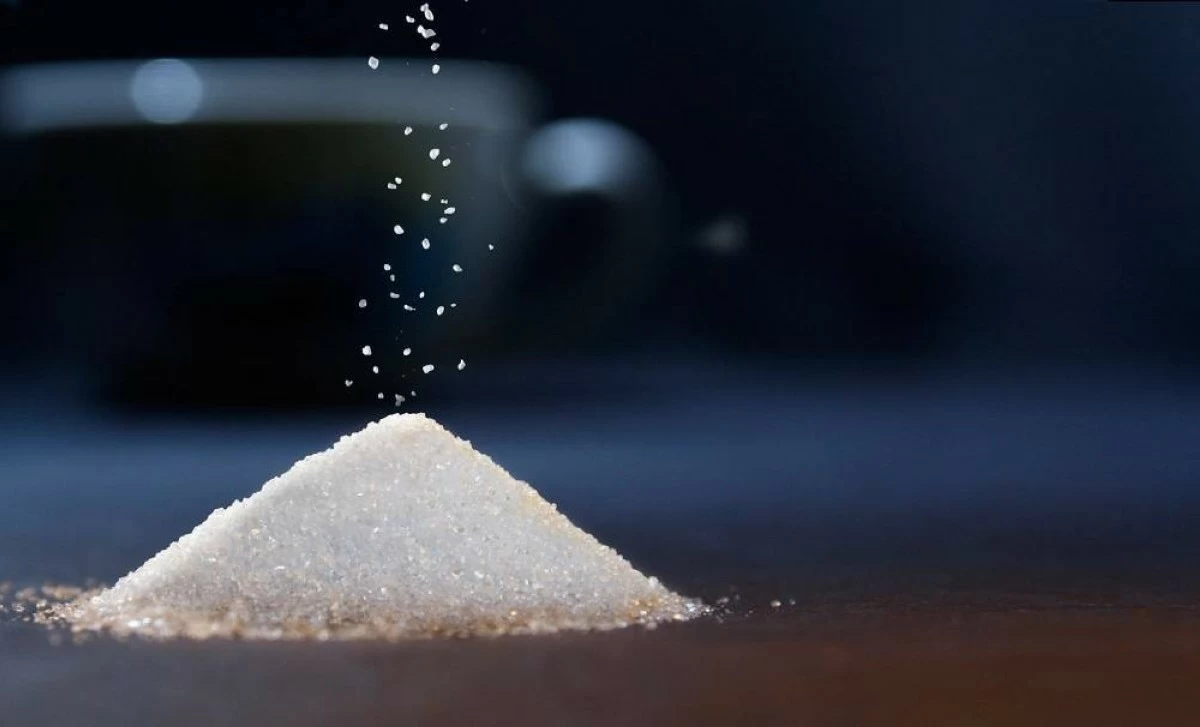
The government will likely extend the temporary suspension of sugar imports from the current milling season through the end of next year, a move aimed at prioritizing locally produced sugar.
The Sugar Regulatory Administration (SRA) earlier announced that it will keep the import moratorium in place until the end of the milling season, which falls between May and June of next year.
Depending on commodity stock levels, the SRA said it is open to extending the ban until December, meaning the country will not import sugar for the entirety of 2026.
Agriculture Secretary Francisco Tiu Laurel, who chairs the SRA Board, said he has instructed the agency to monitor production of local sugar refinery to maintain an accurate outlook over the industry.
The country’s refined sugar output is produced entirely from locally grown raw sugar, he said.
Signaling a potential extension of the import ban early on is expected to prop up farmgate prices, especially since uncertainties in import policies often make sugar traders hesitant to purchase raw sugar.
The SRA has said that traders refraining from buying sugar during bidding pulls down the prices of raw sugar. Biddings run for 38 weeks over the harvest season.
In line with this, the sugar agency will once again roll out a voluntary purchase program to reduce domestic stock and further stabilize prices.
“We can no longer afford to sacrifice our farmers. We’ve seen over the past two years that when a buying program is implemented, prices recover. SRA has long been ready, so we are moving forward,” said Tiu Laurel.
Patterned after Sugar Order (SO) No. 2 last year, traders will purchase up to 400,000 metric tons (MT) of raw sugar at a premium, classified as “C” or reserve sugar for a period of 90 days.
Tiu Laurel said temporarily holding off the stocks from the local market for three months boosts demand for domestic sugar, ultimately driving farmgate prices up.
Under SO No. 2, participating buyers will be prioritized in the government’s future import programs, allowing them to bring in less expensive refined sugar.
Supporting this move, the SRA will allocate a raw sugar export quota of 100,000 MT to the United States (US), reversing its initial policy of keeping all raw sugar output for domestic use.
“Because farmer output has grown substantially, we decided to export 100,000 MT of raw sugar to the US,” said SRA administrator Pablo Luis Azcona.
Azcona said this program will also go through a voluntary purchase program similar to SO No. 2.
The SRA projects sugar production in crop year 2025-2026 to reach 1.92 million MT, with sugar withdrawal at 2.20 million MT.
Furthermore, the SRA is preparing a long-delayed regulatory framework to oversee molasses imports and protect domestic producers.
Under the current proposal, traders will be required to purchase and withdraw local molasses first according to a pre-determined ratio. Only after fulfilling these requirements will they be allowed to import.
“This ensures local supply is prioritized before any imports are considered,” said Azcona.