







Consumer confidence hits lowest point since the pandemic
By Derco Rosal
Published Dec 19, 2025 01:24 pm


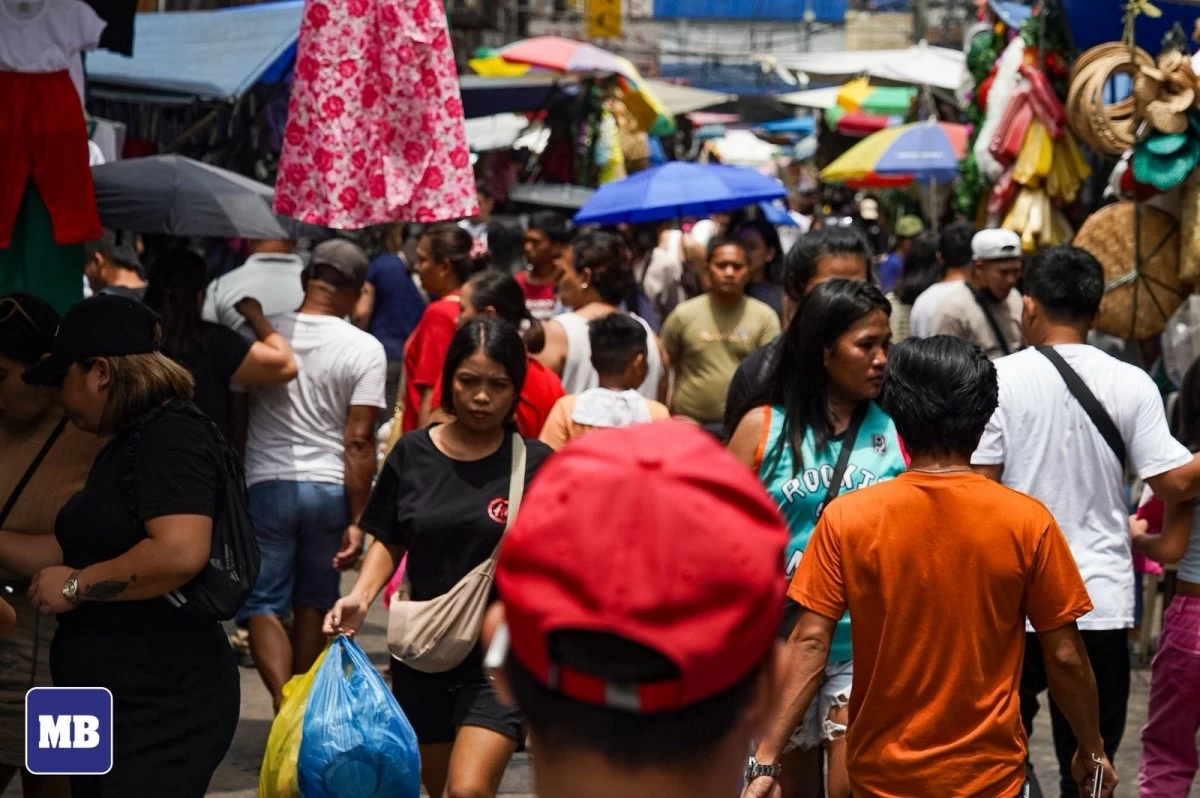
While local businesses have turned more optimistic in the fourth quarter, Filipino consumers have become increasingly pessimistic about the Philippine economy amid a mix of concerns, led by graft and corruption issues and higher inflation.
According to the Consumer Expectations Survey (CES) published by the Bangko Sentral ng Pilipinas (BSP), consumers’ pessimism was the highest in four years, dating back to the fourth quarter of 2021, a period when the economy was still reeling from stringent Covid-19 lockdowns and a double-digit jobless rate.
Survey results showed that the overall consumer confidence index (CI) turned more negative at -22.2 percent in the fourth quarter, down from -9.8 percent in the previous quarter.
It was notably the weakest consumer outlook since the -24 percent recorded in the fourth quarter of 2021, when consumers were worried about a higher jobless rate, low income, the COVID-19 pandemic, stringent lockdowns, and faster price movements.
Filipinos were least confident in four years, due to graft and corruption concerns, higher inflation, lower household income, and unfavorable weather conditions and other natural calamities.”
A negative CI shows that more respondents are pessimistic than optimistic, while a positive CI indicates the opposite.
While the outlook is downbeat for consumers, businesses are expecting a rebound in consumer spending in the fourth quarter as the holiday season approaches.
Results of the latest Business Expectations Survey (BES) showed that the overall business CI increased to 29.7 percent in the fourth quarter, up from 23.2 percent in the previous quarter. This was the highest since the 31.2 percent index recorded in the first quarter.
“Besides holiday spending, firms also cited higher productivity and operational efficiency, the rollout of new products and services, and a favorable inflation environment as positive drivers of business sentiment in the current quarter,” the BSP noted.
Business confidence stayed positive for the next quarter and the coming year, though it weakened slightly, showing cautious optimism about the economy.
In particular, the index for the next quarter fell to 23.7 percent from 49.5 percent in the previous survey, while the one-year outlook dropped to 40.4 percent from 48.1 percent.
Weighing down the outlook were the lingering effects of recent typhoons and other calamities, compounded by the impact of corruption allegations on investor sentiment.
Meanwhile, consumers were slightly optimistic in the first quarter and throughout 2026, at 3.6 percent and 11.8 percent, respectively.
Both consumers and business owners are looking forward to an inflation rate within the target range over the next year. Inflation stood at 1.5 percent in November, still below the two-to-four-percent target band that the government considers manageable and conducive to output growth.