

ADVERTISEMENT

The Oscars will move to YouTube in 2029, leaving longtime home of ABC

Published Dec 18, 2025 10:43 am
In a seismic shift for one of television’s marquee events, the Academy Awards will depart ABC and begin streaming on YouTube beginning in 2029, the Academy of Motion Picture Arts and Sciences announced Wednesday.
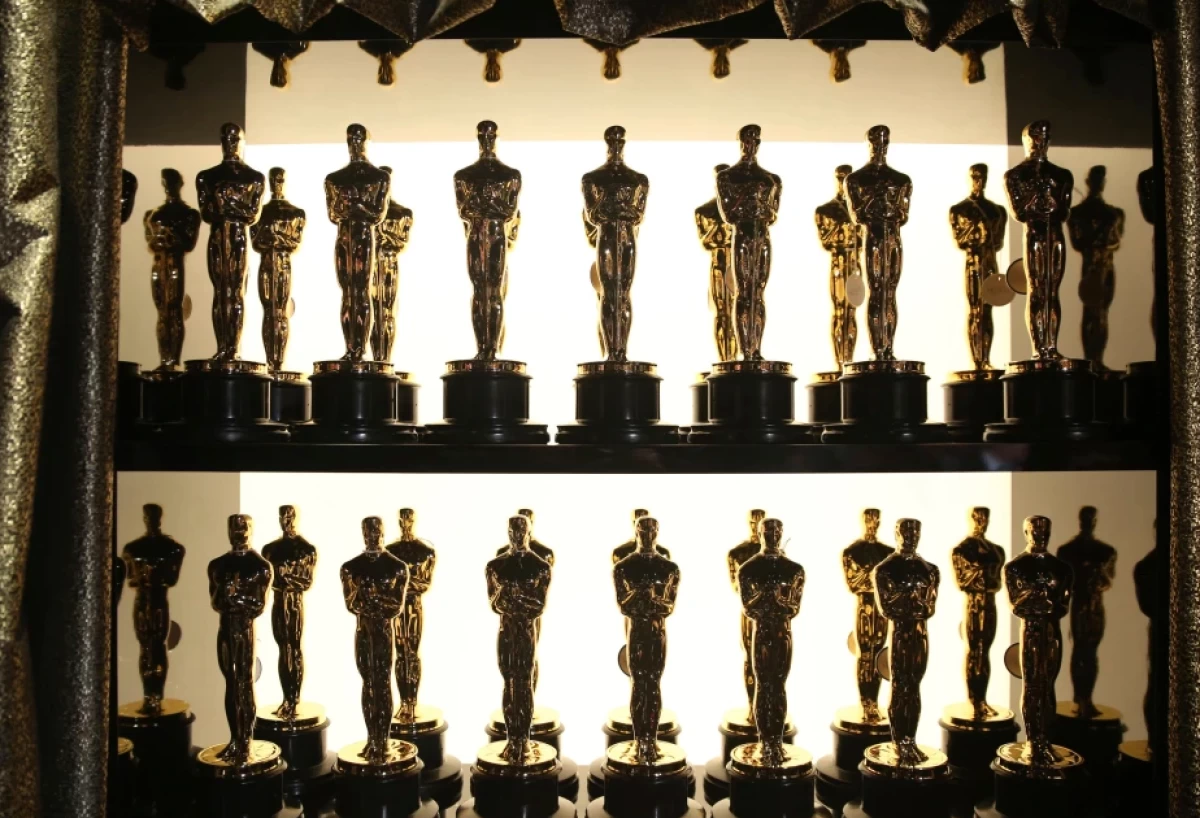
Oscar statuettes appear backstage at the Oscars at the Dolby Theatre in Los Angeles on Feb. 28, 2016. (Photo by Matt Sayles/Invision/AP, File)
ABC will continue to broadcast the annual ceremony through 2028. That year will mark the 100th Oscars.
But starting in 2029, YouTube will retain global rights to streaming the Oscars through 2033. YouTube will effectively be the home to all things Oscars, including red-carpet coverage, the Governors Awards and the Oscar nominations announcement.
“We are thrilled to enter into a multifaceted global partnership with YouTube to be the future home of the Oscars and our year-round Academy programming,” said academy chief executive Bill Kramer and academy president Lynette Howell Taylor. “The Academy is an international organization, and this partnership will allow us to expand access to the work of the Academy to the largest worldwide audience possible — which will be beneficial for our Academy members and the film community.”
While major award shows have added streaming partnerships, the YouTube deal marks the first of the big four — the Oscars, Grammys, Emmys and Tonys — to completely jettison broadcast television. It puts one of the most watched non-NFL broadcasts in the hands of Google. YouTube boasts some 2 billion viewers.
Financial terms were not disclosed.
“The Oscars are one of our essential cultural institutions, honoring excellence in storytelling and artistry,” said Neal Mohan, chief executive of YouTube. “Partnering with the academy to bring this celebration of art and entertainment to viewers all over the world will inspire a new generation of creativity and film lovers while staying true to the Oscars’ storied legacy.”
The Walt Disney Co.-owned ABC has been the broadcast home to the Oscars for almost its entire history. NBC first televised the Oscars in 1953, but ABC picked up the rights in 1961. Aside from a period between 1971 and 1975, when NBC again aired the show, the Oscars have been on ABC.
“ABC has been the proud home to The Oscars for more than half a century,” the network said in a statement. “We look forward to the next three telecasts, including the show’s centennial celebration in 2028, and wish the Academy of Motion Picture Arts and Sciences continued success.”
The 2025 Academy Awards were watched by 19.7 million viewers on ABC, a slight increase from the year before. That remains one of the biggest TV broadcasts of the year, though less than half of Oscar ratings at their peak. In 1999, more than 55 million watched James Cameron’s “Titanic” win best picture.
The film academy, in choosing YouTube over other options such as Netflix or NBCUniversal/Peacock, selected a platform with a wide, massive audience but with less established production infrastructure.
Still, more people — especially young people — watch YouTube than any other streaming platform. According to Nielsen, YouTube accounted for 12.9 percent of all television and streaming content consumed in November. Netflix ranked second with an 8.3 percent market share.
ADVERTISEMENT
.most-popular .layout-ratio{ padding-bottom: 79.13%; } @media (min-width: 768px) and (max-width: 1024px) { .widget-title { font-size: 15px !important; } }

{{ articles_filter_1561_widget.title }}

.most-popular .layout-ratio{ padding-bottom: 79.13%; } @media (min-width: 768px) and (max-width: 1024px) { .widget-title { font-size: 15px !important; } }

{{ articles_filter_1562_widget.title }}

.most-popular .layout-ratio{ padding-bottom: 79.13%; } @media (min-width: 768px) and (max-width: 1024px) { .widget-title { font-size: 15px !important; } }

{{ articles_filter_1563_widget.title }}

{{ articles_filter_1564_widget.title }}

.mb-article-details { position: relative; } .mb-article-details .article-body-preview, .mb-article-details .article-body-summary{ font-size: 17px; line-height: 30px; font-family: "Libre Caslon Text", serif; color: #000; } .mb-article-details .article-body-preview iframe , .mb-article-details .article-body-summary iframe{ width: 100%; margin: auto; } .read-more-background { background: linear-gradient(180deg, color(display-p3 1.000 1.000 1.000 / 0) 13.75%, color(display-p3 1.000 1.000 1.000 / 0.8) 30.79%, color(display-p3 1.000 1.000 1.000) 72.5%); position: absolute; height: 200px; width: 100%; bottom: 0; display: flex; justify-content: center; align-items: center; padding: 0; } .read-more-background a{ color: #000; } .read-more-btn { padding: 17px 45px; font-family: Inter; font-weight: 700; font-size: 18px; line-height: 16px; text-align: center; vertical-align: middle; border: 1px solid black; background-color: white; } .hidden { display: none; }
function initializeAllSwipers() { // Get all hidden inputs with cms_article_id document.querySelectorAll('[id^="cms_article_id_"]').forEach(function (input) { const cmsArticleId = input.value; const articleSelector = '#article-' + cmsArticleId + ' .body_images'; const swiperElement = document.querySelector(articleSelector); if (swiperElement && !swiperElement.classList.contains('swiper-initialized')) { new Swiper(articleSelector, { loop: true, pagination: false, navigation: { nextEl: '#article-' + cmsArticleId + ' .swiper-button-next', prevEl: '#article-' + cmsArticleId + ' .swiper-button-prev', }, }); } }); } setTimeout(initializeAllSwipers, 3000); const intersectionObserver = new IntersectionObserver( (entries) => { entries.forEach((entry) => { if (entry.isIntersecting) { const newUrl = entry.target.getAttribute("data-url"); if (newUrl) { history.pushState(null, null, newUrl); let article = entry.target; // Extract metadata const author = article.querySelector('.author-section').textContent.replace('By', '').trim(); const section = article.querySelector('.section-info ').textContent.replace(' ', ' '); const title = article.querySelector('.article-title h1').textContent; // Parse URL for Chartbeat path format const parsedUrl = new URL(newUrl, window.location.origin); const cleanUrl = parsedUrl.host + parsedUrl.pathname; // Update Chartbeat configuration if (typeof window._sf_async_config !== 'undefined') { window._sf_async_config.path = cleanUrl; window._sf_async_config.sections = section; window._sf_async_config.authors = author; } // Track virtual page view with Chartbeat if (typeof pSUPERFLY !== 'undefined' && typeof pSUPERFLY.virtualPage === 'function') { try { pSUPERFLY.virtualPage({ path: cleanUrl, title: title, sections: section, authors: author }); } catch (error) { console.error('ping error', error); } } // Optional: Update document title if (title && title !== document.title) { document.title = title; } } } }); }, { threshold: 0.1 } ); function showArticleBody(button) { const article = button.closest("article"); const summary = article.querySelector(".article-body-summary"); const body = article.querySelector(".article-body-preview"); const readMoreSection = article.querySelector(".read-more-background"); // Hide summary and read-more section summary.style.display = "none"; readMoreSection.style.display = "none"; // Show the full article body body.classList.remove("hidden"); } document.addEventListener("DOMContentLoaded", () => { let loadCount = 0; // Track how many times articles are loaded const offset = [1, 2, 3, 4, 5, 6, 7, 8, 9, 10]; // Offset values const currentUrl = window.location.pathname.substring(1); let isLoading = false; // Prevent multiple calls if (!currentUrl) { console.log("Current URL is invalid."); return; } const sentinel = document.getElementById("load-more-sentinel"); if (!sentinel) { console.log("Sentinel element not found."); return; } function isSentinelVisible() { const rect = sentinel.getBoundingClientRect(); return ( rect.top < window.innerHeight && rect.bottom >= 0 ); } function onScroll() { if (isLoading) return; if (isSentinelVisible()) { if (loadCount >= offset.length) { console.log("Maximum load attempts reached."); window.removeEventListener("scroll", onScroll); return; } isLoading = true; const currentOffset = offset[loadCount]; window.loadMoreItems().then(() => { let article = document.querySelector('#widget_1690 > div:nth-last-of-type(2) article'); intersectionObserver.observe(article) loadCount++; }).catch(error => { console.error("Error loading more items:", error); }).finally(() => { isLoading = false; }); } } window.addEventListener("scroll", onScroll); });

Sign up by email to receive news.