ADVERTISEMENT

Costa Rica's conservation model shows that protection and joy can coexist

Published Dec 18, 2025 04:02 pm
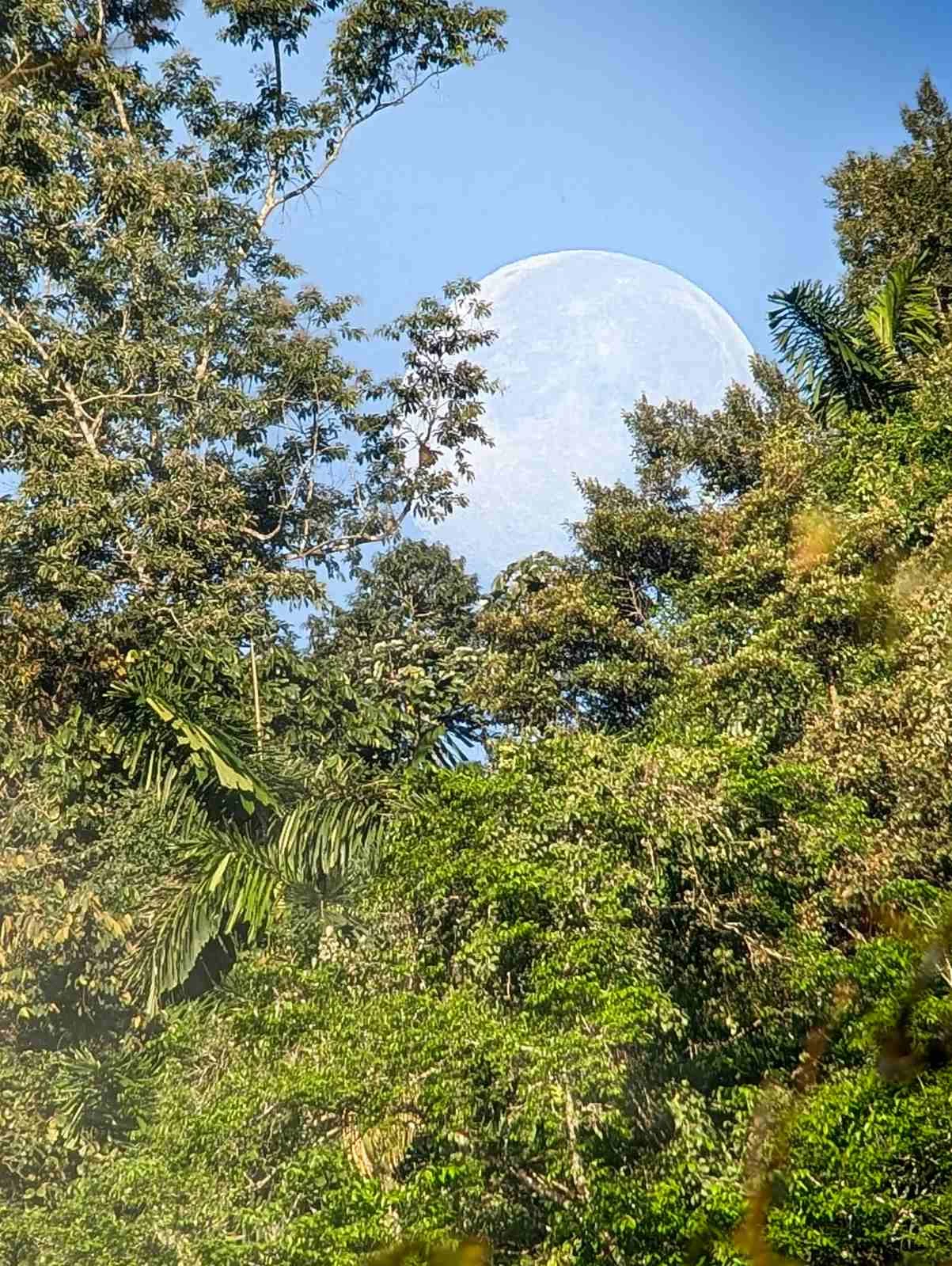
A full moon lingers above the Costa Rican jungle.
It was 6 a.m. on a cool, dewy morning. Sunlight filtered through the tropical canopy as I set out on an early birdwatching walk at Pacuare Lodge, a world-renowned ecolodge set within a 400-hectare private reserve along the Pacuare River, surrounded by Costa Rica’s Talamanca Mountains.
Within minutes, nature was putting on a show. Rainbow-billed and yellow-throated toucans hopped overhead, hummingbirds zipped past, and howler monkeys bellowed from across the river. On one side stood a reforested cattle ranch and plantation; on the other virgin forest. Seen side by side, they felt like two possible futures. The contrast was striking. Despite its relatively small land area, Costa Rica packs an astonishing variety of species into its 51,000 square kilometers.
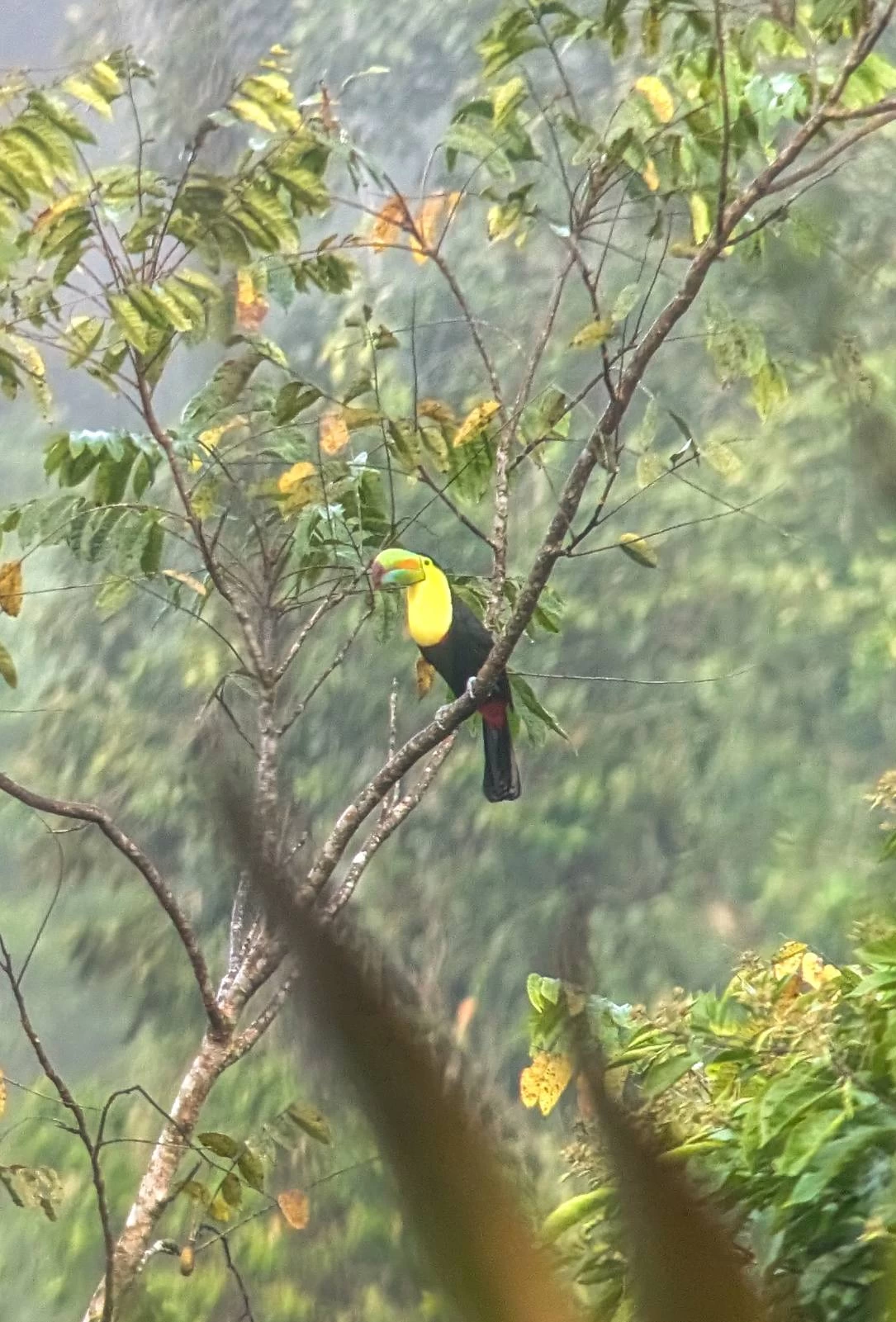
Rainbow-billed toucan perched in the Costa Rican jungle.
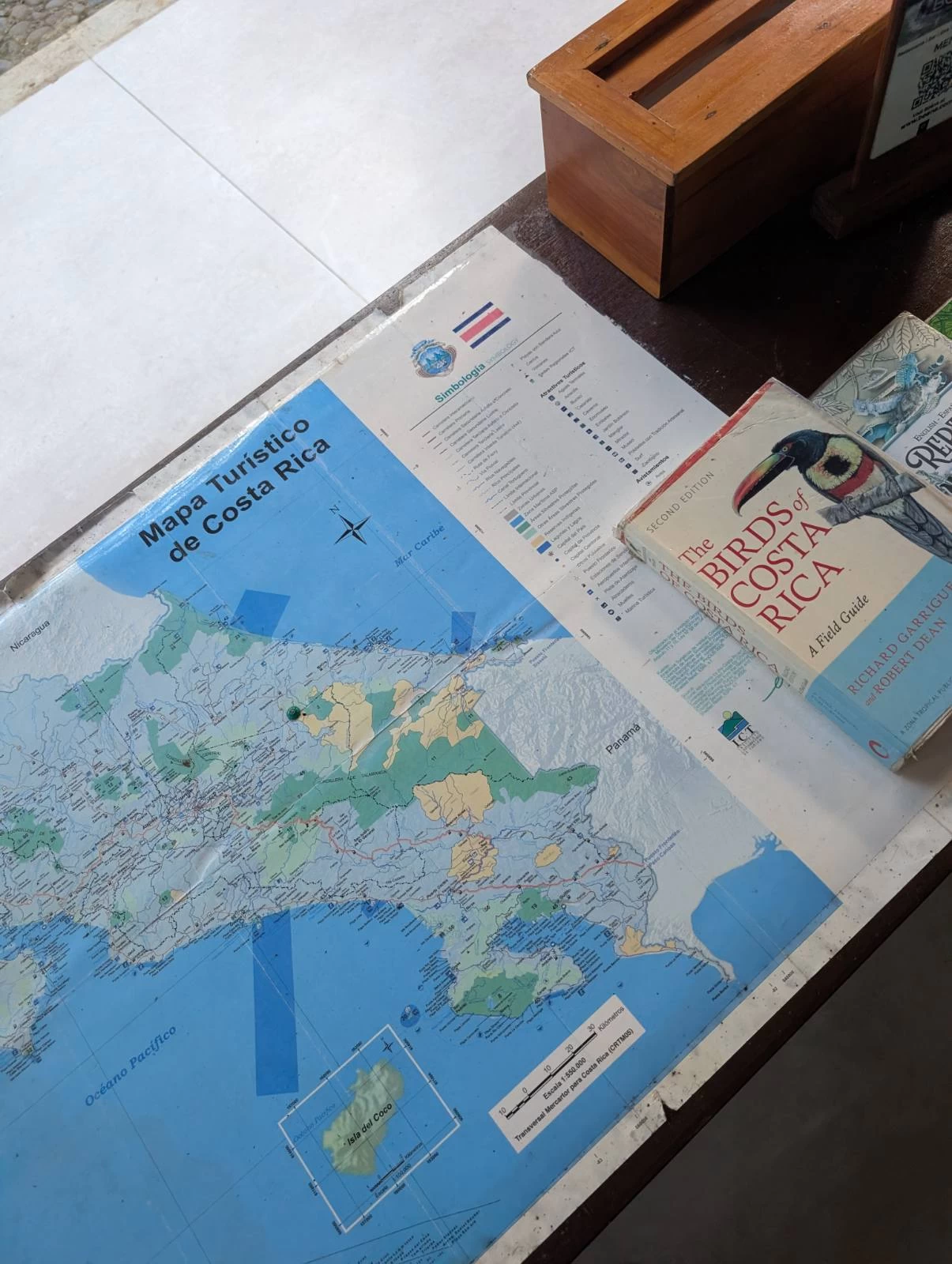
Costa Rica is a world leader in conservation and ecotourism.
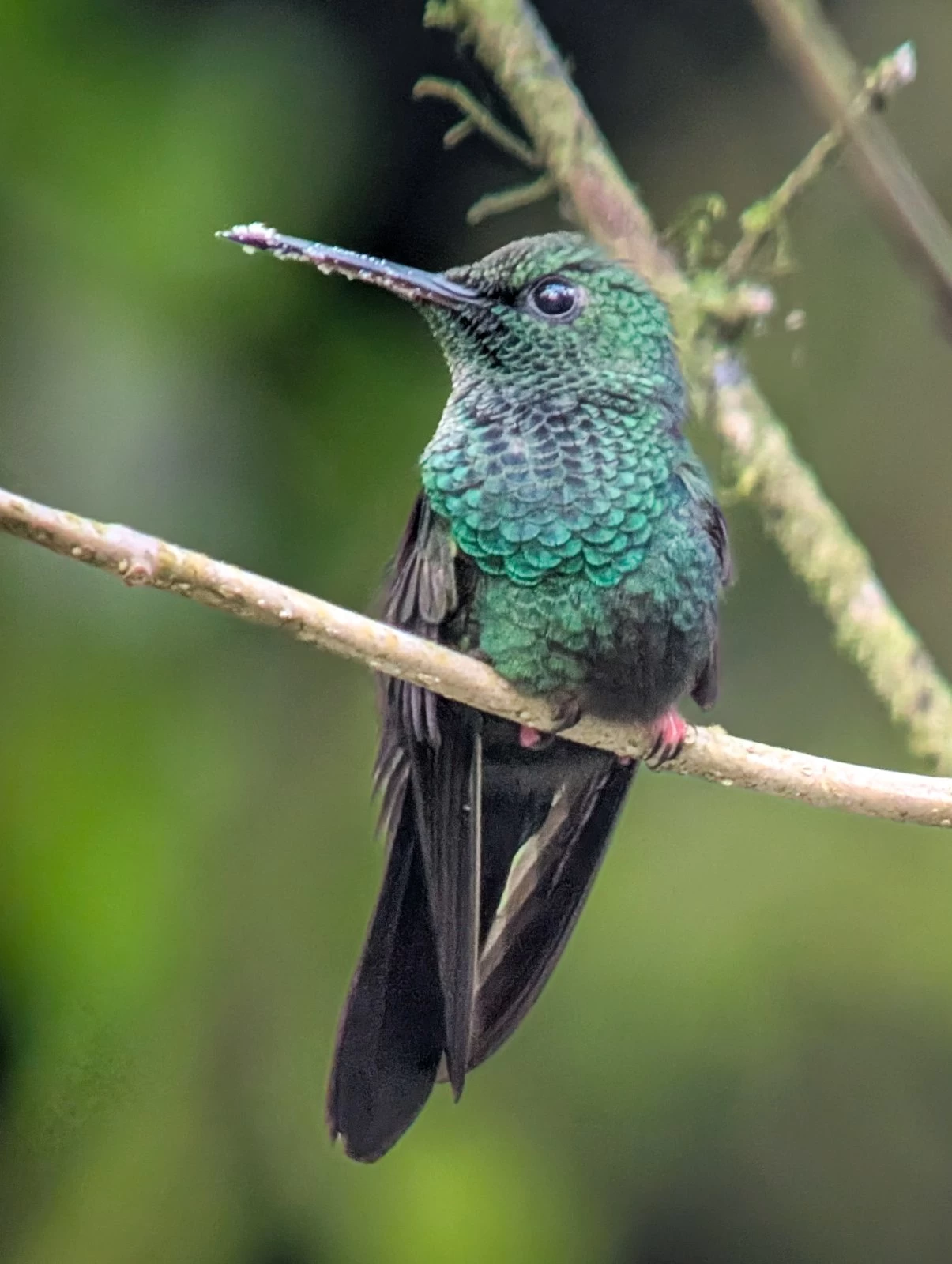
Hummingbirds fly around like little drones.
Tucked between Nicaragua and Panama, Costa Rica is widely regarded as a global leader in conservation and ecotourism — a reputation built deliberately, not by chance. In 1948, the country abolished its military, and redirected funds towards education, healthcare, and environmental protection. Policies such as Payments for Environmental Services (PES) incentivize landowners to protect forests, watersheds, and wildlife while conservation laws are actively enforced by the National System of Conservation Areas (SINAC). Its rangers and authorities monitor protected areas, prosecute illegal logging, and ensure that environmental protection is more than just a guideline—it’s a practice.
The Pacuare River itself reflects this long-term commitment. Despite its hydroelectric potential, no dams were built, preserving the river for wildlife, rafting, and sustainable tourism. That kind of restraint is notable in much of the Global South, where renewable energy development can sometimes come at the expense of biodiversity.
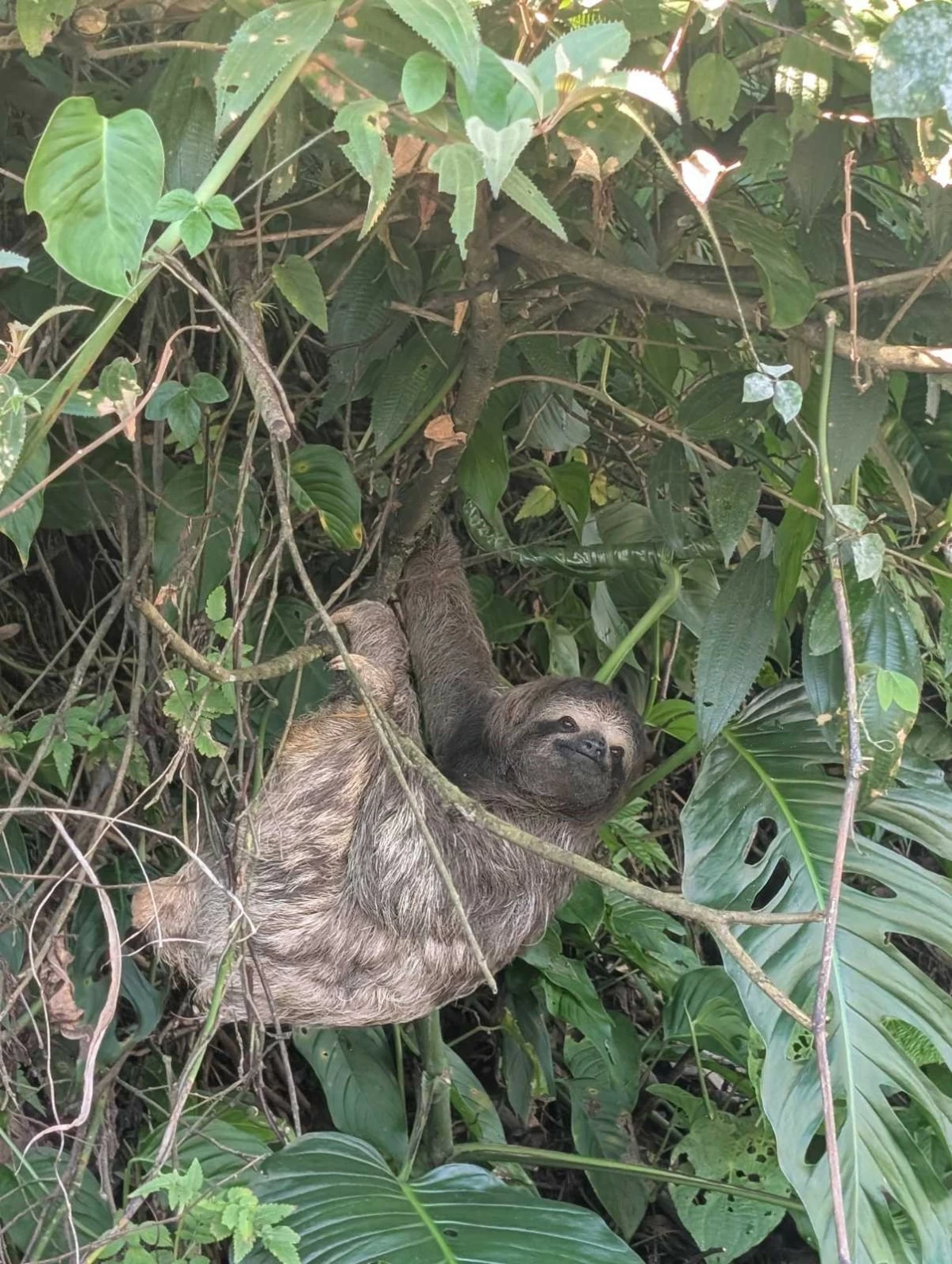
A sloth hangs by the roadside in Turrialba province, Costa Rica
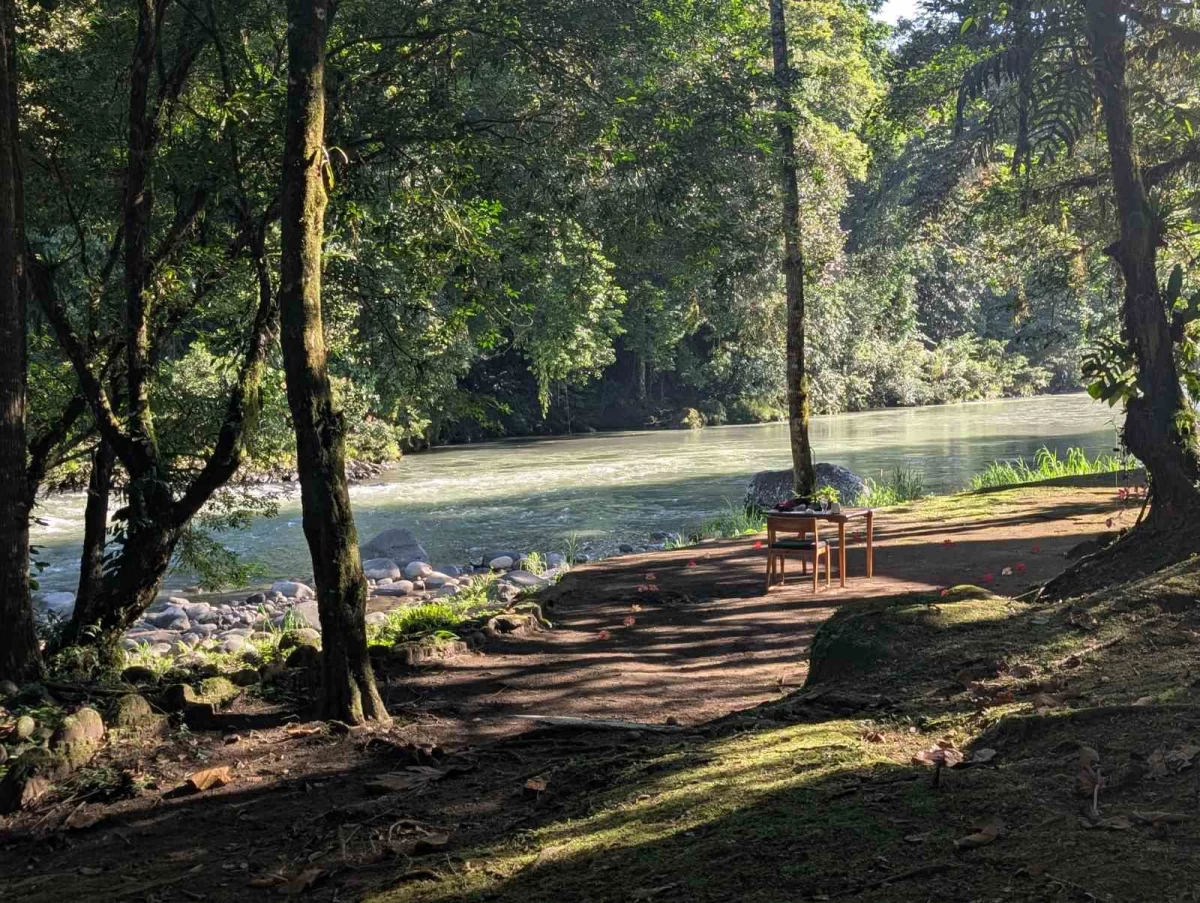
Lush forests help keep rivers clean and vibrant.
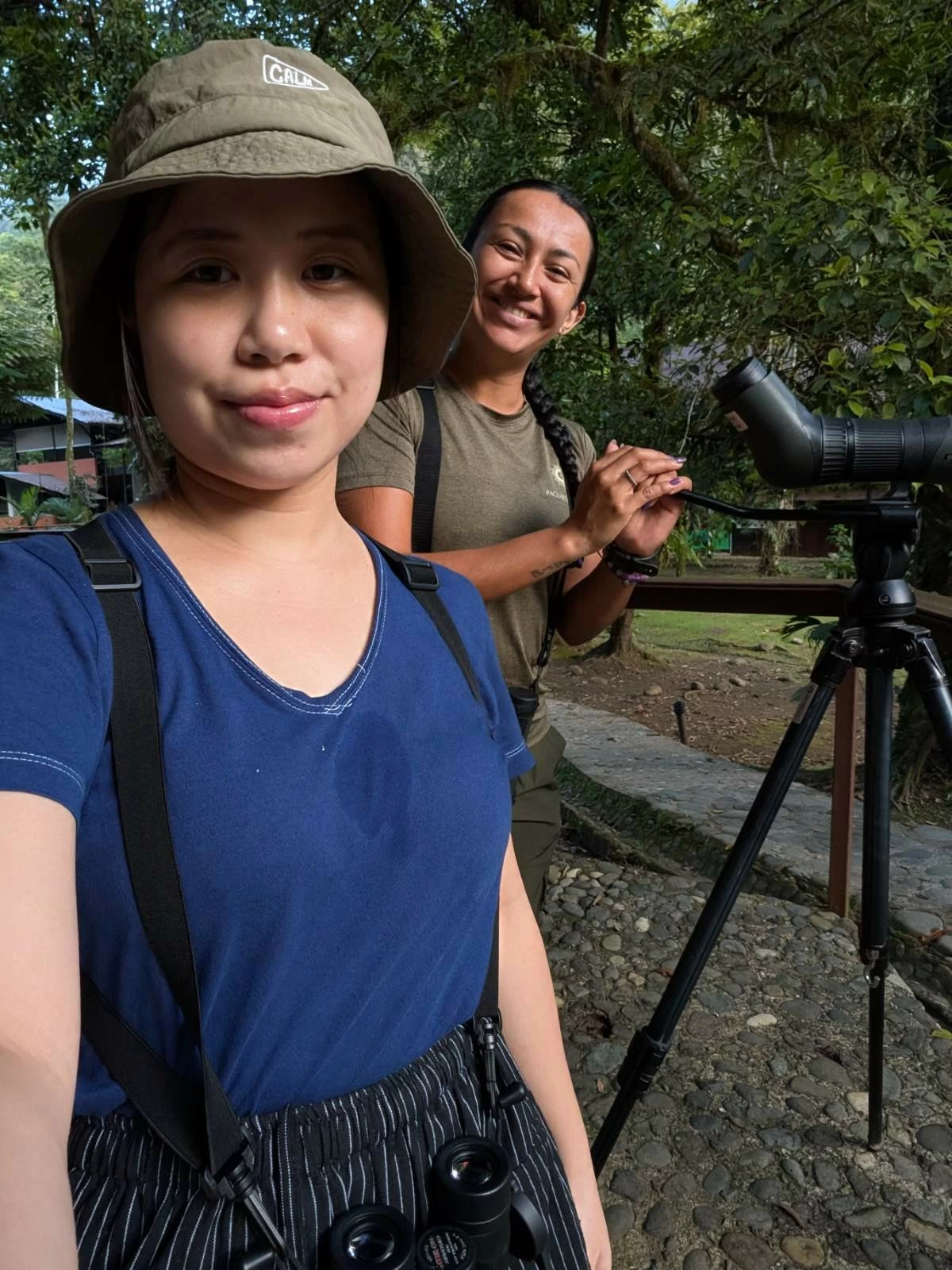
The author and guide Angelica during the birdwatching tour
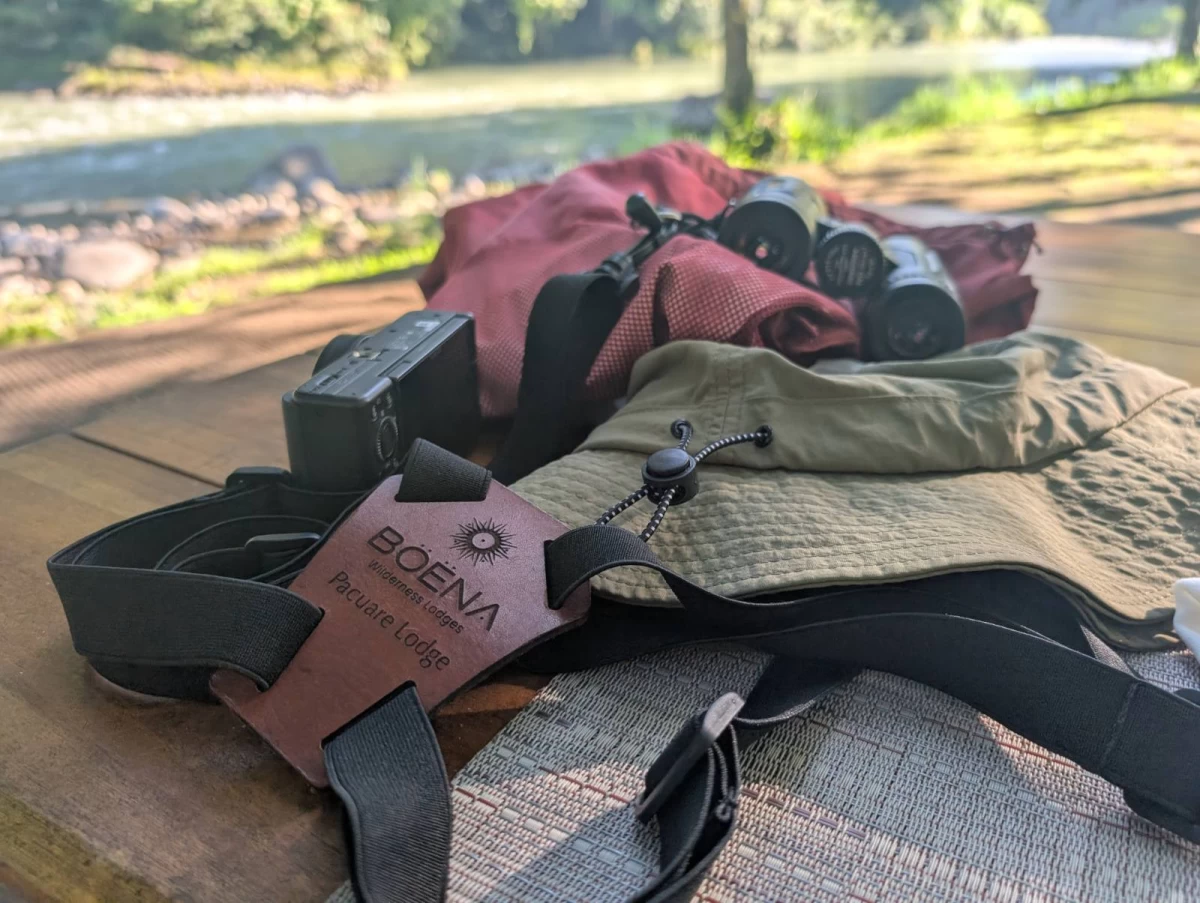
An explorer's paradise along the Pacuare River.
What stood out most, however, was not just respect for nature, but enjoyment of it. One guide recalled how his grandfather once made a living cutting trees. Today, young Costa Ricans hike, surf, climb, and work outdoors, many after completing competitive government training programs in nature interpretation, ropes, and adventure safety. Nature isn’t distant or abstract. It is where life happens, where careers, hobbies, and joy intersect.
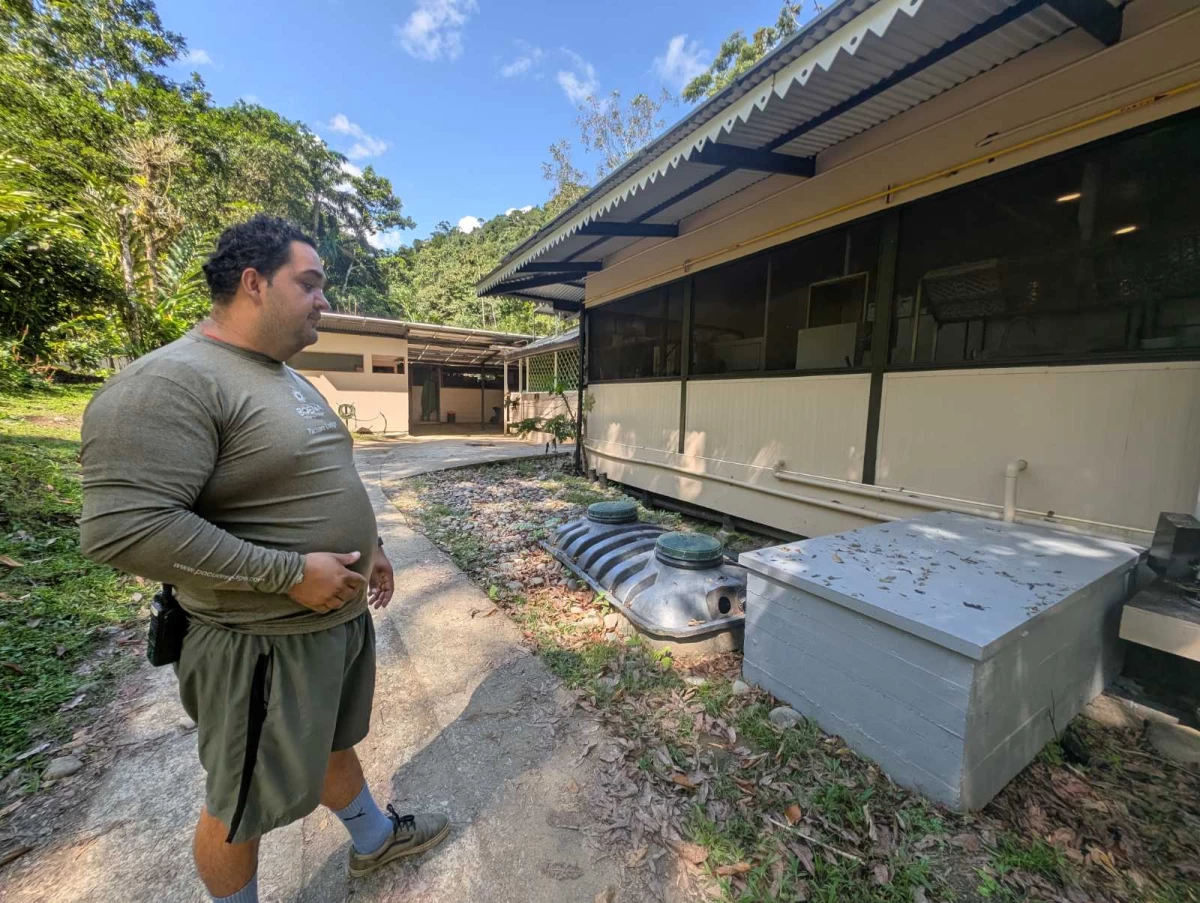
Waste and water treatment are top priority for the ecolodge.
I was fortunate to be hosted by Pacuare Lodge, part of Böëna Lodges and a member of The Long Run organization, which the Masungi Georeserve in the Philippines is newly part of. Reaching the lodge requires one to two hours of whitewater rafting, which was an experience in itself. The lodge is mostly powered by a hybrid renewable energy system, carefully manages waste and water, and offers conservation-focused activities beyond ziplining. These include the Jaguar Conservation Project and visits to a nearby Indigenous community, giving visitors a deeper connection to both wildlife and culture.
Three lessons lingered:
First, change is difficult but possible. Costa Rica shows that even after decades of deforestation, a country can turn things around.
Second, culture matters. Biodiversity is woven into everyday life—from books and clothing to souvenirs and media. When nature becomes part of daily culture, protection follows more naturally.
Third, each species has a story. Guides like Angelica and Jeffrey brought wildlife encounters to life by explaining how animals eat, behave, and raise their young, turning every sighting into a meaningful experience.
The Philippines, which has more species overall than Costa Rica and boasts equally diverse ecosystems—from karsts and coral reefs to mangroves and rainforests—still struggles with degraded protected areas. Like Costa Rica decades ago, the country is still figuring out what sustainable development should look like.
Costa Rica’s experience suggests that protecting nature doesn’t have to be serious or joyless. People here don’t just respect the outdoors. They genuinely enjoy it.
As Costa Ricans often say, “Pura Vida” — A simple expression of joy and balance with nature and a reminder that meaningful change, while difficult, remains possible.
ADVERTISEMENT
.most-popular .layout-ratio{ padding-bottom: 79.13%; } @media (min-width: 768px) and (max-width: 1024px) { .widget-title { font-size: 15px !important; } }

{{ articles_filter_1561_widget.title }}

.most-popular .layout-ratio{ padding-bottom: 79.13%; } @media (min-width: 768px) and (max-width: 1024px) { .widget-title { font-size: 15px !important; } }

{{ articles_filter_1562_widget.title }}

.most-popular .layout-ratio{ padding-bottom: 79.13%; } @media (min-width: 768px) and (max-width: 1024px) { .widget-title { font-size: 15px !important; } }

{{ articles_filter_1563_widget.title }}

{{ articles_filter_1564_widget.title }}

.mb-article-details { position: relative; } .mb-article-details .article-body-preview, .mb-article-details .article-body-summary{ font-size: 17px; line-height: 30px; font-family: "Libre Caslon Text", serif; color: #000; } .mb-article-details .article-body-preview iframe , .mb-article-details .article-body-summary iframe{ width: 100%; margin: auto; } .read-more-background { background: linear-gradient(180deg, color(display-p3 1.000 1.000 1.000 / 0) 13.75%, color(display-p3 1.000 1.000 1.000 / 0.8) 30.79%, color(display-p3 1.000 1.000 1.000) 72.5%); position: absolute; height: 200px; width: 100%; bottom: 0; display: flex; justify-content: center; align-items: center; padding: 0; } .read-more-background a{ color: #000; } .read-more-btn { padding: 17px 45px; font-family: Inter; font-weight: 700; font-size: 18px; line-height: 16px; text-align: center; vertical-align: middle; border: 1px solid black; background-color: white; } .hidden { display: none; }
function initializeAllSwipers() { // Get all hidden inputs with cms_article_id document.querySelectorAll('[id^="cms_article_id_"]').forEach(function (input) { const cmsArticleId = input.value; const articleSelector = '#article-' + cmsArticleId + ' .body_images'; const swiperElement = document.querySelector(articleSelector); if (swiperElement && !swiperElement.classList.contains('swiper-initialized')) { new Swiper(articleSelector, { loop: true, pagination: false, navigation: { nextEl: '#article-' + cmsArticleId + ' .swiper-button-next', prevEl: '#article-' + cmsArticleId + ' .swiper-button-prev', }, }); } }); } setTimeout(initializeAllSwipers, 3000); const intersectionObserver = new IntersectionObserver( (entries) => { entries.forEach((entry) => { if (entry.isIntersecting) { const newUrl = entry.target.getAttribute("data-url"); if (newUrl) { history.pushState(null, null, newUrl); let article = entry.target; // Extract metadata const author = article.querySelector('.author-section').textContent.replace('By', '').trim(); const section = article.querySelector('.section-info ').textContent.replace(' ', ' '); const title = article.querySelector('.article-title h1').textContent; // Parse URL for Chartbeat path format const parsedUrl = new URL(newUrl, window.location.origin); const cleanUrl = parsedUrl.host + parsedUrl.pathname; // Update Chartbeat configuration if (typeof window._sf_async_config !== 'undefined') { window._sf_async_config.path = cleanUrl; window._sf_async_config.sections = section; window._sf_async_config.authors = author; } // Track virtual page view with Chartbeat if (typeof pSUPERFLY !== 'undefined' && typeof pSUPERFLY.virtualPage === 'function') { try { pSUPERFLY.virtualPage({ path: cleanUrl, title: title, sections: section, authors: author }); } catch (error) { console.error('ping error', error); } } // Optional: Update document title if (title && title !== document.title) { document.title = title; } } } }); }, { threshold: 0.1 } ); function showArticleBody(button) { const article = button.closest("article"); const summary = article.querySelector(".article-body-summary"); const body = article.querySelector(".article-body-preview"); const readMoreSection = article.querySelector(".read-more-background"); // Hide summary and read-more section summary.style.display = "none"; readMoreSection.style.display = "none"; // Show the full article body body.classList.remove("hidden"); } document.addEventListener("DOMContentLoaded", () => { let loadCount = 0; // Track how many times articles are loaded const offset = [1, 2, 3, 4, 5, 6, 7, 8, 9, 10]; // Offset values const currentUrl = window.location.pathname.substring(1); let isLoading = false; // Prevent multiple calls if (!currentUrl) { console.log("Current URL is invalid."); return; } const sentinel = document.getElementById("load-more-sentinel"); if (!sentinel) { console.log("Sentinel element not found."); return; } function isSentinelVisible() { const rect = sentinel.getBoundingClientRect(); return ( rect.top < window.innerHeight && rect.bottom >= 0 ); } function onScroll() { if (isLoading) return; if (isSentinelVisible()) { if (loadCount >= offset.length) { console.log("Maximum load attempts reached."); window.removeEventListener("scroll", onScroll); return; } isLoading = true; const currentOffset = offset[loadCount]; window.loadMoreItems().then(() => { let article = document.querySelector('#widget_1690 > div:nth-last-of-type(2) article'); intersectionObserver.observe(article) loadCount++; }).catch(error => { console.error("Error loading more items:", error); }).finally(() => { isLoading = false; }); } } window.addEventListener("scroll", onScroll); });

Sign up by email to receive news.