







Bicam conferee Yamsuan gives crucial advice to DHSUD
Published Dec 18, 2025 11:55 pm


At A Glance
- Parañaque City 2nd district Rep. Brian Raymund Yamsuan has asked the Department of Human Settlements and Urban Development (DHSUD) to ensure the on-site, in-city, or near-city relocation of informal settlers by including funding for the acquisition of residential land in its annual budget.
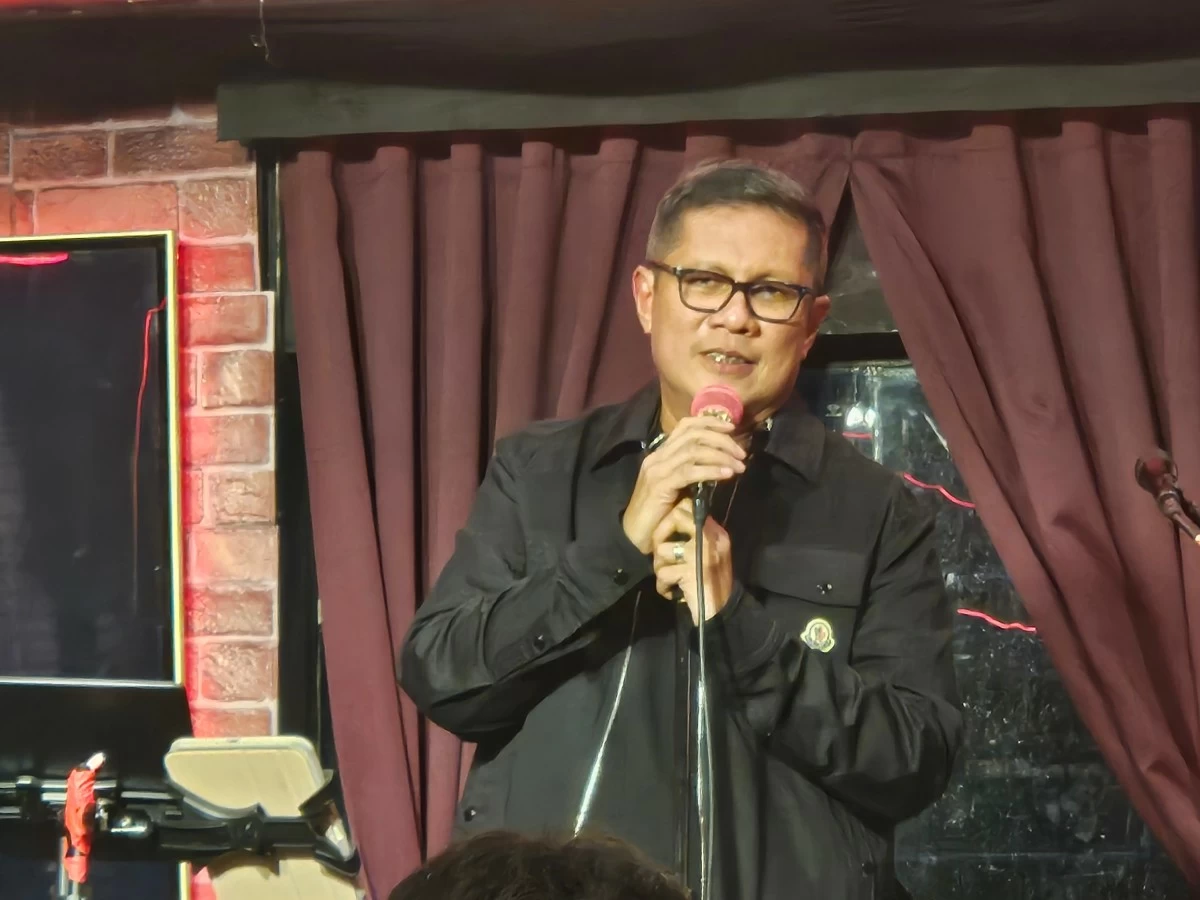
Parañaque City 2nd district Rep. Brian Raymund Yamsuan (Ellson Quismorio/ MANILA BULLETIN)
Parañaque City 2nd district Rep. Brian Raymund Yamsuan has asked the Department of Human Settlements and Urban Development (DHSUD) to ensure the on-site, in-city, or near-city relocation of informal settlers by including funding for the acquisition of residential land in its annual budget.
Yamsuan--a member of the House contingent to the Bicameral Conference Committee hearings on the 2026 national budget--suggested that the DHSUD incorporate this provision in its proposed budget for 2027.
“In the next budget call, I think they should focus on the acquisition of land. This should be a priority and the agency should look into it. If the DHSUD acquires land for informal settler families (ISFs) in areas that they can consider their habitat, it would be beneficial both for informal settlers and the government,” said Yamsuan during the bicam deliberations on the agency.
He said transferring informal settlers to housing areas far away from their means of livelihood have forced them to return to their original settlements and the same blighted conditions that they endure due to the lack of economic opportunities, and at times, even access to basic services in their relocation sites.
“In reality, this is what really happens. We transfer them to far-flung housing sites, then they would just sell their units, or allow their relatives to live there while they return to where they used to live. So we do not solve the problem,” said Yamsuan.
Yamsuan cited as an example the ISFs in his home city of Parañaque and neighboring areas who were relocated to Naic, Cavite to make way for the LRT-1 Extension Project.
“Many of the affected families who initially accepted housing units in Naic eventually returned to their original communities due to the lack of viable livelihood opportunities in the relocation site,” he shared.
Yamsuan says the relocation of ISFs to Naic has also affected the delivery of basic services in the area.
According to the Department of Education (DepEd, around 1,800 public school students in Naic have been compelled to attend classes in makeshift classrooms as local schools struggle to accommodate a 900 percent surge in enrollment resulting from the said relocation.
Yamsuan has filed House Bill (HB) No.5575, which aims to solve this lingering problem involving ISFs and operationalize the provisions of Republic Act (RA) No.7279 or the Urban Development and Housing Act.
The bill aims to establish a comprehensive and people-centered framework for government resettlement programs that prioritizes on-site, in-city, and near-city relocation, while making off-city resettlement a measure of last resort.
“Under this approach, ISFs are no longer treated merely as beneficiaries of housing projects, but as active partners in managing the communities they will later call home,” Yamsuan said.
The bill, which amends certain provisions of RA No.7279, also ensures the participation of informal settler-beneficiaries in the drafting of the plan to resettle them to guarantee adequate social preparation and safeguards for them against forced evictions.
“These provisions institutionalize humane relocation practices and show the government’s commitment to uphold the dignity of all citizens, especially the most vulnerable, such as the ISFs,” Yamsuan said.