ADVERTISEMENT

20 years of uplifting the real estate industry in Asia

Published Dec 18, 2025 04:31 pm
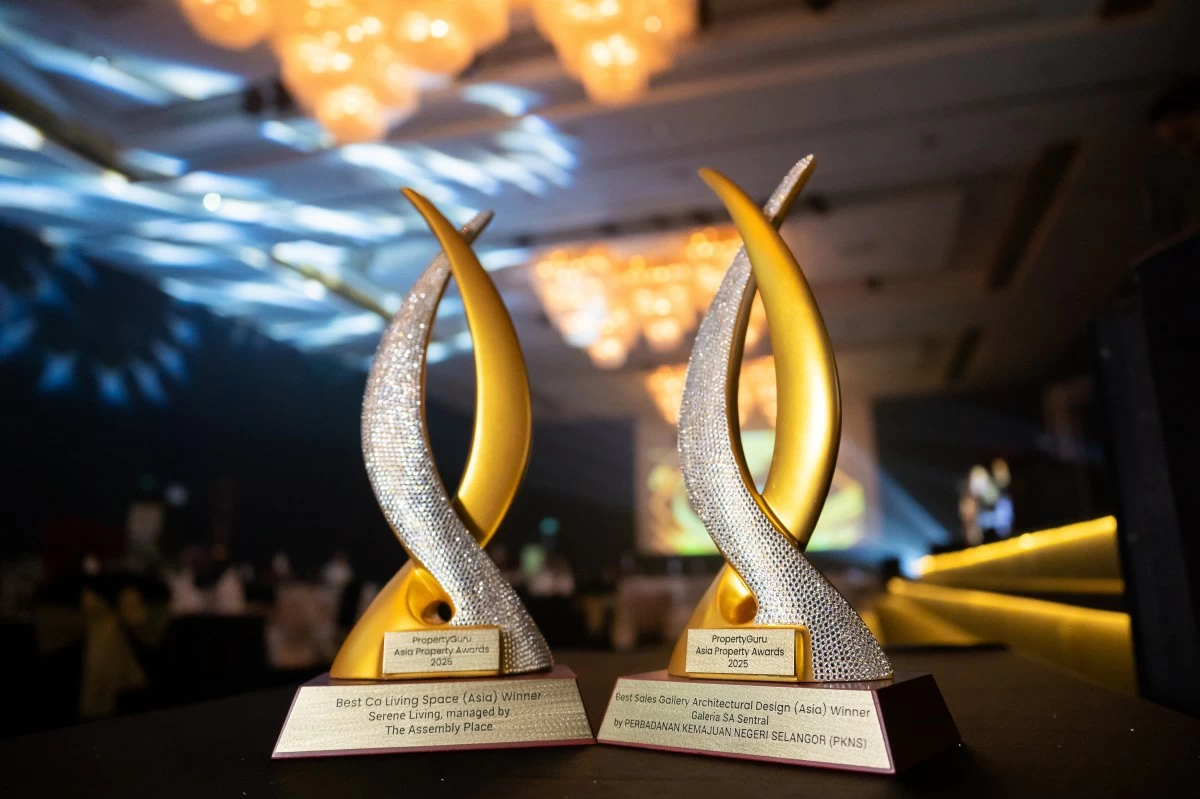
From a single-country event, the PropertyGuru Asia Property Awards have grown to become the "Gold Standard" and the largest, most respected real estate awards series in Asia-Pacific.
To set a benchmark for recognizing quality real estate excellence in Asia, Ensign Media established the Thailand Property Awards in Thailand in 2005. The event marked the beginning of a prestigious regional awards program recognizing top developers and projects in Asia. In addition, the hallmark occasion provided an international platform connecting developers, investors, and consumers, establishing credibility and transparency in the industry. 
The following year, the inaugural gala dinner featured awards across nine categories that were focused on local development, design, and construction quality.
The first South East Asia Property Awards was held in Singapore in 2011.
From 2013 to 2015, the awards program underwent its first wave of expansion in the region and celebrated its first decade in the industry. The Philippine real estate sector was included in 2013, followed by Myanmar, Vietnam, and Indonesia in 2015.
Up to this period, the awards’ criteria focused heavily on location, value for money, unique selling points, design concept, construction, quality of amenities, and sales success.
The initial categories were limited to condominiums, housing developments, and commercial properties.
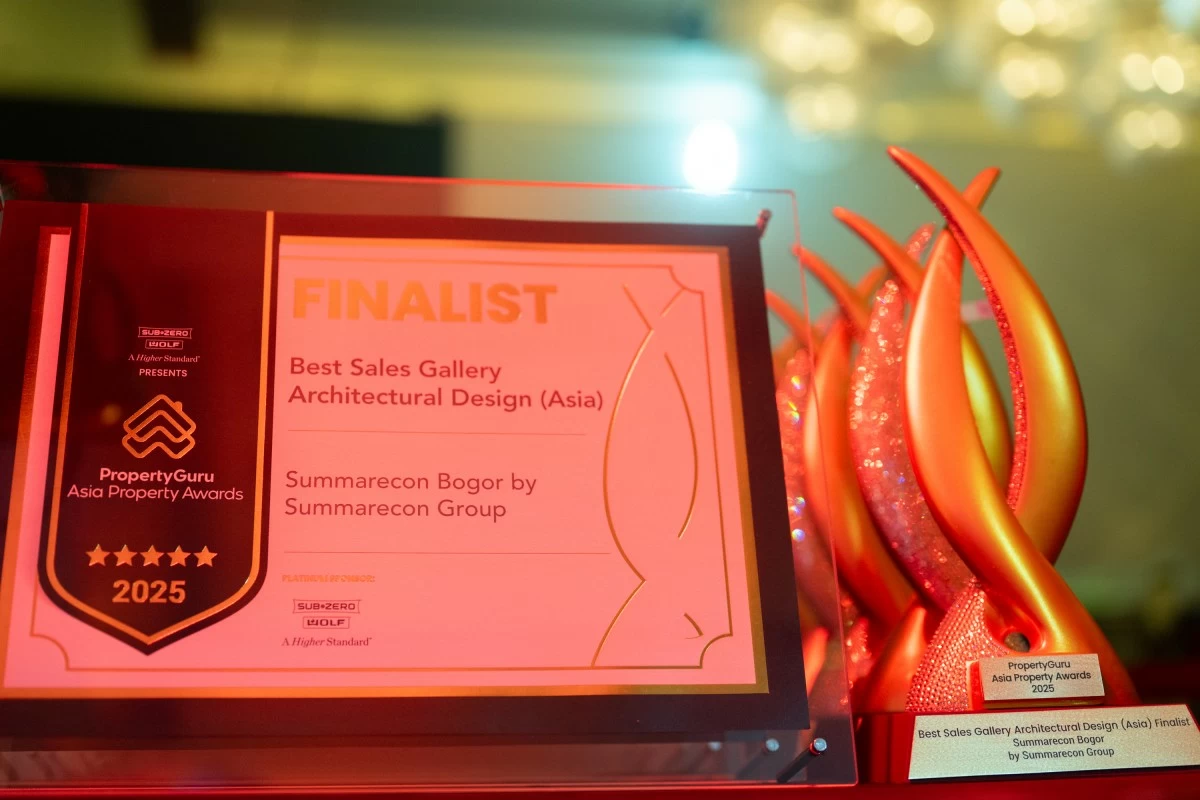
In a major milestone, the program was acquired by the PropertyGuru Group in 2016 and officially rebranded as the PropertyGuru Asia Property Awards, further solidifying its regional impact. This was followed by the launch of the Cambodia Awards.
To align with global standards and the changing demands of the Asian property market, the judging criteria have not only broadened but also fundamentally evolved. The most significant change is the incorporation of Environmental, Social, and Governance (ESG) factors into the core judging matrix.
Moving forward, new categories were introduced to award developers and projects that demonstrate excellence in sustainable design, sustainable construction, energy efficiency, and social impact.
As the real estate market in Asia matured and diversified, the awards expanded to recognize a wider range of property segments and development concepts.
Modern categories include industrial and logistics, boutique and co-living spaces, and hospitality, retail, and integrated developments. In recognizing specific geographies, awards were added for different regions within a country, such as Luzon, Visayas, and Mindanao in the Philippines. There were also categories on price points (ultra luxury, mid-end).In the coming years, there has been a significant increase in specialized design categories, such as Best Townhouse Architectural Design, Best Heritage Conservation Development, and Best Nature-Integrated Development.
The late 2010s also saw the awards series significantly broaden its geographical reach to markets such as Australia, Japan, and the Chinese territories (Mainland China, Hong Kong, and Macau). For the first time, the iconic Grand Final was held in Thailand with the participation of 15 markets in 2018. In 2019, the awards program also broadened its scope of categories, including urban planning and sustainable development.
In response to the pandemic's restrictions, the awards programs seamlessly transitioned to hosting virtual and hybrid events, with inaugural editions launched in India and Japan (Greater Niseko). Face-to-face activities resumed in 2022.
In 2024, EQT Private Capital acquires PropertyGuru Group. The year also marked the launch of the PropertyGuru Asia Property Awards in the Middle East, further extending its global reach.
The awards series culminates in its historic 20th edition in 2025, celebrating two decades of recognizing excellence, transparency, and the highest standards in Asian property.

Related Tags

Propertyguru Propertyguru Asia Property Awards
ADVERTISEMENT
.most-popular .layout-ratio{ padding-bottom: 79.13%; } @media (min-width: 768px) and (max-width: 1024px) { .widget-title { font-size: 15px !important; } }

{{ articles_filter_1561_widget.title }}

.most-popular .layout-ratio{ padding-bottom: 79.13%; } @media (min-width: 768px) and (max-width: 1024px) { .widget-title { font-size: 15px !important; } }

{{ articles_filter_1562_widget.title }}

.most-popular .layout-ratio{ padding-bottom: 79.13%; } @media (min-width: 768px) and (max-width: 1024px) { .widget-title { font-size: 15px !important; } }

{{ articles_filter_1563_widget.title }}

{{ articles_filter_1564_widget.title }}

.mb-article-details { position: relative; } .mb-article-details .article-body-preview, .mb-article-details .article-body-summary{ font-size: 17px; line-height: 30px; font-family: "Libre Caslon Text", serif; color: #000; } .mb-article-details .article-body-preview iframe , .mb-article-details .article-body-summary iframe{ width: 100%; margin: auto; } .read-more-background { background: linear-gradient(180deg, color(display-p3 1.000 1.000 1.000 / 0) 13.75%, color(display-p3 1.000 1.000 1.000 / 0.8) 30.79%, color(display-p3 1.000 1.000 1.000) 72.5%); position: absolute; height: 200px; width: 100%; bottom: 0; display: flex; justify-content: center; align-items: center; padding: 0; } .read-more-background a{ color: #000; } .read-more-btn { padding: 17px 45px; font-family: Inter; font-weight: 700; font-size: 18px; line-height: 16px; text-align: center; vertical-align: middle; border: 1px solid black; background-color: white; } .hidden { display: none; }
function initializeAllSwipers() { // Get all hidden inputs with cms_article_id document.querySelectorAll('[id^="cms_article_id_"]').forEach(function (input) { const cmsArticleId = input.value; const articleSelector = '#article-' + cmsArticleId + ' .body_images'; const swiperElement = document.querySelector(articleSelector); if (swiperElement && !swiperElement.classList.contains('swiper-initialized')) { new Swiper(articleSelector, { loop: true, pagination: false, navigation: { nextEl: '#article-' + cmsArticleId + ' .swiper-button-next', prevEl: '#article-' + cmsArticleId + ' .swiper-button-prev', }, }); } }); } setTimeout(initializeAllSwipers, 3000); const intersectionObserver = new IntersectionObserver( (entries) => { entries.forEach((entry) => { if (entry.isIntersecting) { const newUrl = entry.target.getAttribute("data-url"); if (newUrl) { history.pushState(null, null, newUrl); let article = entry.target; // Extract metadata const author = article.querySelector('.author-section').textContent.replace('By', '').trim(); const section = article.querySelector('.section-info ').textContent.replace(' ', ' '); const title = article.querySelector('.article-title h1').textContent; // Parse URL for Chartbeat path format const parsedUrl = new URL(newUrl, window.location.origin); const cleanUrl = parsedUrl.host + parsedUrl.pathname; // Update Chartbeat configuration if (typeof window._sf_async_config !== 'undefined') { window._sf_async_config.path = cleanUrl; window._sf_async_config.sections = section; window._sf_async_config.authors = author; } // Track virtual page view with Chartbeat if (typeof pSUPERFLY !== 'undefined' && typeof pSUPERFLY.virtualPage === 'function') { try { pSUPERFLY.virtualPage({ path: cleanUrl, title: title, sections: section, authors: author }); } catch (error) { console.error('ping error', error); } } // Optional: Update document title if (title && title !== document.title) { document.title = title; } } } }); }, { threshold: 0.1 } ); function showArticleBody(button) { const article = button.closest("article"); const summary = article.querySelector(".article-body-summary"); const body = article.querySelector(".article-body-preview"); const readMoreSection = article.querySelector(".read-more-background"); // Hide summary and read-more section summary.style.display = "none"; readMoreSection.style.display = "none"; // Show the full article body body.classList.remove("hidden"); } document.addEventListener("DOMContentLoaded", () => { let loadCount = 0; // Track how many times articles are loaded const offset = [1, 2, 3, 4, 5, 6, 7, 8, 9, 10]; // Offset values const currentUrl = window.location.pathname.substring(1); let isLoading = false; // Prevent multiple calls if (!currentUrl) { console.log("Current URL is invalid."); return; } const sentinel = document.getElementById("load-more-sentinel"); if (!sentinel) { console.log("Sentinel element not found."); return; } function isSentinelVisible() { const rect = sentinel.getBoundingClientRect(); return ( rect.top < window.innerHeight && rect.bottom >= 0 ); } function onScroll() { if (isLoading) return; if (isSentinelVisible()) { if (loadCount >= offset.length) { console.log("Maximum load attempts reached."); window.removeEventListener("scroll", onScroll); return; } isLoading = true; const currentOffset = offset[loadCount]; window.loadMoreItems().then(() => { let article = document.querySelector('#widget_1690 > div:nth-last-of-type(2) article'); intersectionObserver.observe(article) loadCount++; }).catch(error => { console.error("Error loading more items:", error); }).finally(() => { isLoading = false; }); } } window.addEventListener("scroll", onScroll); });

Sign up by email to receive news.