







Peso expected to weaken further as trade deficit grows
Published Dec 17, 2025 01:03 pm


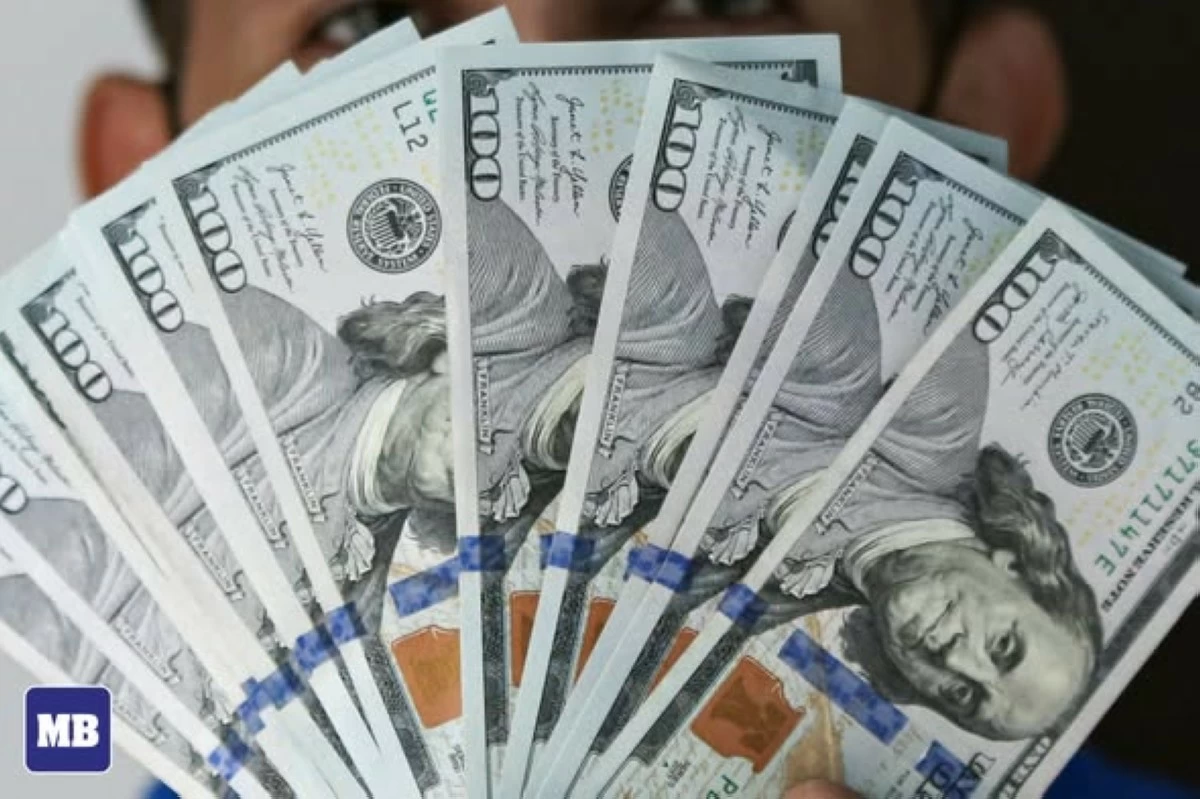
The Philippine peso and its emerging-market peers are expected to retreat against the United States (US) dollar as widening current account deficits leave several economies vulnerable to currency adjustments, according to Capital Economics.
In a Dec. 16 report, the London-based think tank warned that the stellar outperformance seen earlier this year is unlikely to persist, noting that countries including the Philippines, India, and Poland are particularly exposed to larger foreign-exchange shifts if trade imbalances continue to grow.
While the latest Bangko Sentral ng Pilipinas (BSP) data showed the current account deficit narrowed to $12.5 billion in the first nine months of the year from $13.34 billion a year earlier, the currency has remained under pressure.
The peso touched a record low of ₱59.22 against the dollar on Dec. 9. Capital Economics now projects the peso will end 2025 at ₱58.9 before weakening further to ₱59 in 2026 and ₱60 by the end of 2027.
The economic outlook for the Philippines remains a mix of supportive domestic factors and external headwinds. Household consumption is expected to grow steadily, bolstered by low inflation and recent interest rate cuts, while the reorientation of global supply chains should provide a lift to investment. However, the think tank cautioned that the Philippines remains a regional outlier as corruption scandal weighs on investor confidence.
Consequently, analysts expect the Philippines and Thailand to underperform relative to regional leaders such as India, Vietnam, and Taiwan.
Inflationary pressures in the country remain subdued, providing the central bank with significant policy room.
The Philippine Statistics Authority data showed headline inflation averaged 1.6 percent through the first 11 months of 2025, tracking below the government’s two percent to four percent annual target range.
Capital Economics indicated that weak domestic demand is keeping core inflation in check and suggested that the local central bank may be more aggressive in its easing cycle than the current market consensus suggests.
Energy prices continue to provide a mixed backdrop for the consumer. While gasoline prices rose by ₱0.20 per liter on Dec. 16—marking a third consecutive weekly hike—diesel and kerosene prices fell by ₱0.20 per liter.
Despite these fluctuations, Capital Economics maintains that fuel inflation will ease as global oil prices trend lower. The firm also downplayed the impact of recent weather events, stating that storm-related agricultural disruptions are unlikely to trigger a meaningful rise in food prices.