

ADVERTISEMENT

DPWH sets Dec. 24 start for EDSA rehabilitation, eyes 8-month completion

Published Dec 17, 2025 11:35 am  |  Updated Dec 17, 2025 02:01 pm

At A Glance

  • DPWH to start EDSA rehabilitation on December 24.
  • Project targets eight-month completion, down from the original two years.
  • Rehabilitation divided into two phases: Roxas Boulevard to EDSA-Orense, then the rest of the highway.
  • Use of stone mastic asphalt (SMA) and selective reblocking lowers cost to P6 billion, saving P11 billion.
  • 24-hour works planned during the holiday; nighttime and weekend works to follow.
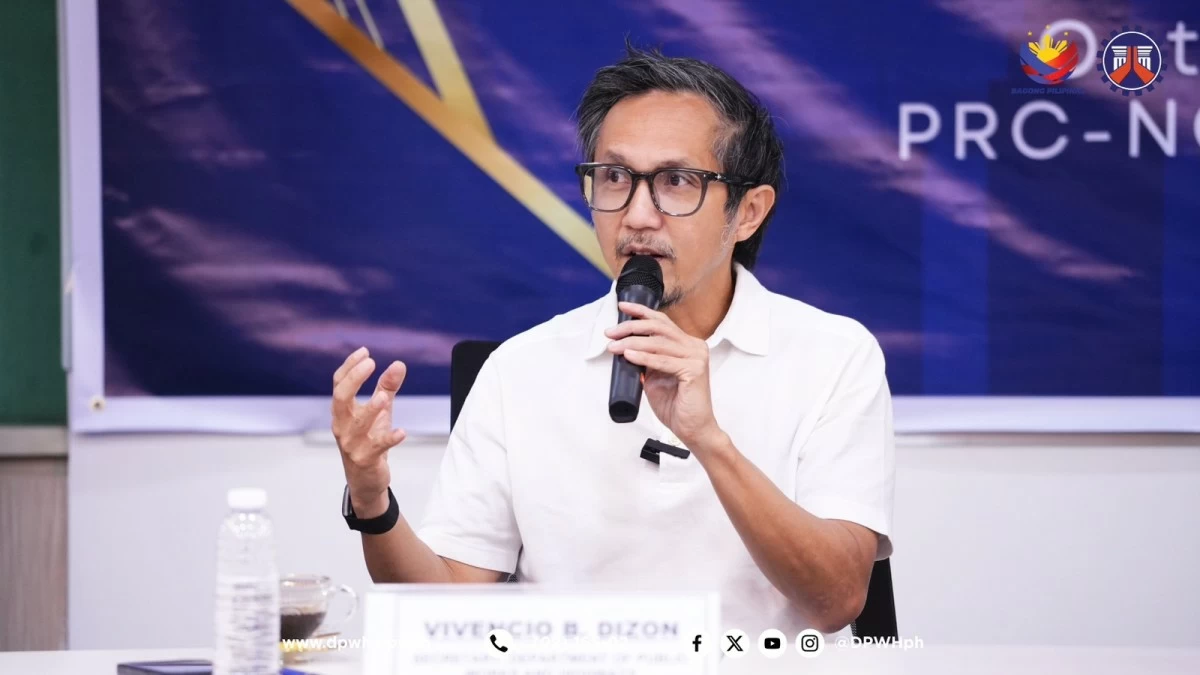
Department of Public Works and Highways (DPWH) Secretary Vince Dizon (Photo courtesy of DPWH)
The Department of Public Works and Highways (DPWH) will begin the long-delayed rehabilitation of Epifanio de los Santos Avenue (EDSA) on Dec. 24, with major construction works scheduled during the holiday traffic break to complete the project within eight months instead of the originally proposed two years.
DPWH Secretary Vince Dizon said the compressed timeline, announced in a joint press briefing with the Metropolitan Manila Development Authority (MMDA), aims to minimize disruption to daily commuters by scheduling major works during the Christmas break.
Dizon said the rehabilitation will be implemented in two phases.
The first four months will cover the Roxas Boulevard to EDSA-Orense section, while the remaining four months will focus on the rest of the highway.
Under the original proposal, the project was projected to cost P17 billion and involved full reblocking and asphalt overlay across the entire stretch of EDSA.
The revised plan cuts the cost to P6 billion, generating P11 billion in savings for the government, according to DPWH.
Instead of full reblocking, the agency will reblock only critical sections and use stone mastic asphalt (SMA), a more durable paving technology that allows faster construction while improving road quality.
“This updated construction method allows faster completion while ensuring better road quality,” Dizon said.
Phase 1 will begin at 11 p.m. on Dec. 24.
The 24-hour construction work will continue until 5 a.m. on January 5, 2026, covering reblocking activities and asphalt overlay of the EDSA busway lanes.
The work will cover both northbound and southbound directions to ensure full rehabilitation of key sections during the holiday period.
After the holiday break, road works will shift to nighttime schedules from Jan. 5 to May 31, 2026.
Asphalt overlay will be conducted lane by lane from 10 p.m. to 4 a.m. on weekdays.
Reblocking works will be scheduled on weekends to minimize daytime disruptions and keep traffic moving during peak hours.
DPWH said all affected sections of EDSA will be reopened to traffic by 5 a.m. the following day, in coordination with the MMDA.
Compared with the earlier two-year plan that would have caused prolonged lane-by-lane disruptions, the accelerated schedule is expected to significantly ease daytime congestion along the country’s busiest highway.
DPWH and MMDA said traffic management measures and advance advisories will be issued ahead of the project’s rollout to guide motorists throughout the eight-month rehabilitation period.

Related Tags

DPWH EDSA rehabilitation Metro Manila traffic infrastructure projects MMDA
ADVERTISEMENT
.most-popular .layout-ratio{ padding-bottom: 79.13%; } @media (min-width: 768px) and (max-width: 1024px) { .widget-title { font-size: 15px !important; } }

{{ articles_filter_1561_widget.title }}

.most-popular .layout-ratio{ padding-bottom: 79.13%; } @media (min-width: 768px) and (max-width: 1024px) { .widget-title { font-size: 15px !important; } }

{{ articles_filter_1562_widget.title }}

.most-popular .layout-ratio{ padding-bottom: 79.13%; } @media (min-width: 768px) and (max-width: 1024px) { .widget-title { font-size: 15px !important; } }

{{ articles_filter_1563_widget.title }}

{{ articles_filter_1564_widget.title }}

.mb-article-details { position: relative; } .mb-article-details .article-body-preview, .mb-article-details .article-body-summary{ font-size: 17px; line-height: 30px; font-family: "Libre Caslon Text", serif; color: #000; } .mb-article-details .article-body-preview iframe , .mb-article-details .article-body-summary iframe{ width: 100%; margin: auto; } .read-more-background { background: linear-gradient(180deg, color(display-p3 1.000 1.000 1.000 / 0) 13.75%, color(display-p3 1.000 1.000 1.000 / 0.8) 30.79%, color(display-p3 1.000 1.000 1.000) 72.5%); position: absolute; height: 200px; width: 100%; bottom: 0; display: flex; justify-content: center; align-items: center; padding: 0; } .read-more-background a{ color: #000; } .read-more-btn { padding: 17px 45px; font-family: Inter; font-weight: 700; font-size: 18px; line-height: 16px; text-align: center; vertical-align: middle; border: 1px solid black; background-color: white; } .hidden { display: none; }
function initializeAllSwipers() { // Get all hidden inputs with cms_article_id document.querySelectorAll('[id^="cms_article_id_"]').forEach(function (input) { const cmsArticleId = input.value; const articleSelector = '#article-' + cmsArticleId + ' .body_images'; const swiperElement = document.querySelector(articleSelector); if (swiperElement && !swiperElement.classList.contains('swiper-initialized')) { new Swiper(articleSelector, { loop: true, pagination: false, navigation: { nextEl: '#article-' + cmsArticleId + ' .swiper-button-next', prevEl: '#article-' + cmsArticleId + ' .swiper-button-prev', }, }); } }); } setTimeout(initializeAllSwipers, 3000); const intersectionObserver = new IntersectionObserver( (entries) => { entries.forEach((entry) => { if (entry.isIntersecting) { const newUrl = entry.target.getAttribute("data-url"); if (newUrl) { history.pushState(null, null, newUrl); let article = entry.target; // Extract metadata const author = article.querySelector('.author-section').textContent.replace('By', '').trim(); const section = article.querySelector('.section-info ').textContent.replace(' ', ' '); const title = article.querySelector('.article-title h1').textContent; // Parse URL for Chartbeat path format const parsedUrl = new URL(newUrl, window.location.origin); const cleanUrl = parsedUrl.host + parsedUrl.pathname; // Update Chartbeat configuration if (typeof window._sf_async_config !== 'undefined') { window._sf_async_config.path = cleanUrl; window._sf_async_config.sections = section; window._sf_async_config.authors = author; } // Track virtual page view with Chartbeat if (typeof pSUPERFLY !== 'undefined' && typeof pSUPERFLY.virtualPage === 'function') { try { pSUPERFLY.virtualPage({ path: cleanUrl, title: title, sections: section, authors: author }); } catch (error) { console.error('ping error', error); } } // Optional: Update document title if (title && title !== document.title) { document.title = title; } } } }); }, { threshold: 0.1 } ); function showArticleBody(button) { const article = button.closest("article"); const summary = article.querySelector(".article-body-summary"); const body = article.querySelector(".article-body-preview"); const readMoreSection = article.querySelector(".read-more-background"); // Hide summary and read-more section summary.style.display = "none"; readMoreSection.style.display = "none"; // Show the full article body body.classList.remove("hidden"); } document.addEventListener("DOMContentLoaded", () => { let loadCount = 0; // Track how many times articles are loaded const offset = [1, 2, 3, 4, 5, 6, 7, 8, 9, 10]; // Offset values const currentUrl = window.location.pathname.substring(1); let isLoading = false; // Prevent multiple calls if (!currentUrl) { console.log("Current URL is invalid."); return; } const sentinel = document.getElementById("load-more-sentinel"); if (!sentinel) { console.log("Sentinel element not found."); return; } function isSentinelVisible() { const rect = sentinel.getBoundingClientRect(); return ( rect.top < window.innerHeight && rect.bottom >= 0 ); } function onScroll() { if (isLoading) return; if (isSentinelVisible()) { if (loadCount >= offset.length) { console.log("Maximum load attempts reached."); window.removeEventListener("scroll", onScroll); return; } isLoading = true; const currentOffset = offset[loadCount]; window.loadMoreItems().then(() => { let article = document.querySelector('#widget_1690 > div:nth-last-of-type(2) article'); intersectionObserver.observe(article) loadCount++; }).catch(error => { console.error("Error loading more items:", error); }).finally(() => { isLoading = false; }); } } window.addEventListener("scroll", onScroll); });

Sign up by email to receive news.