






Manila Bulletin
 Environment and Sustainability
When global climate talks fall short, local solutions matter more
Environment and Sustainability
When global climate talks fall short, local solutions matter more
Environment and Sustainability
When global climate talks fall short, local solutions matter more
When global climate talks fall short, local solutions matter more
Published Dec 16, 2025 09:42 pm


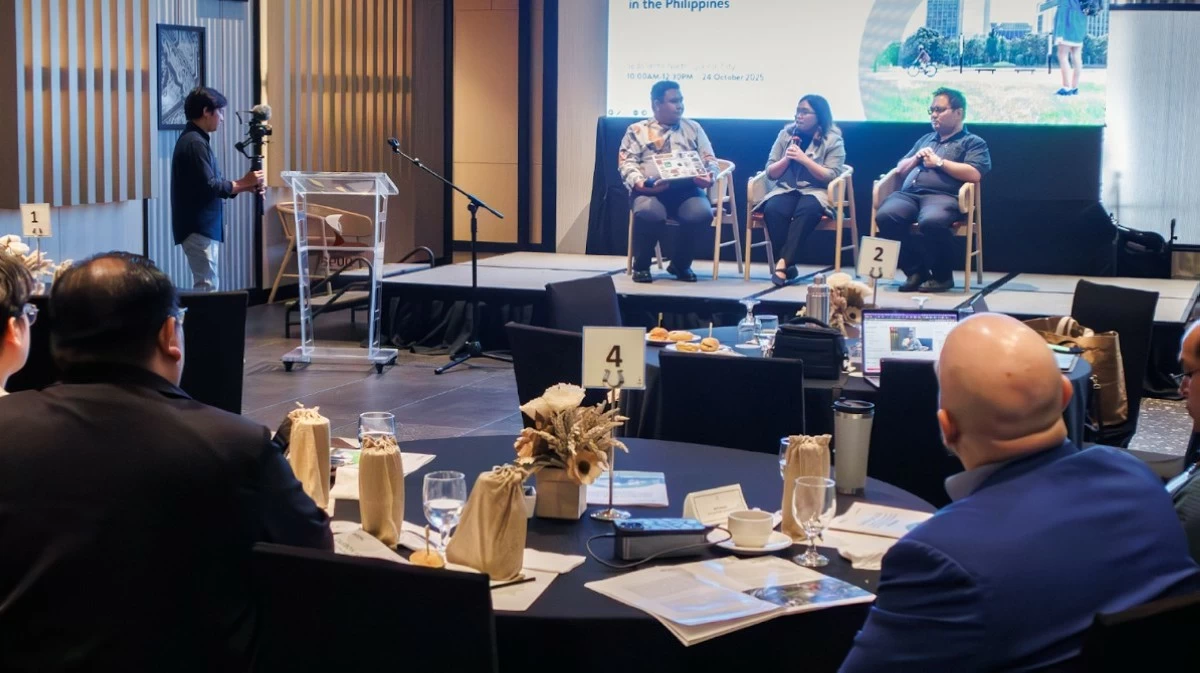
Climate Reality Philippines launch a policy analysis report detailing the many potential impacts and opportunities of a carbon trading.
Despite renewed global calls for stronger climate action, the 30th United Nations Climate Conference (COP30) ended without an explicit commitment to phase out fossil fuels.
As international climate negotiations continue to move at a cautious pace, the impacts of climate change are expected to intensify – with countries like the Philippines bearing a disproportionate share of the damage.
Against this backdrop, local mechanisms are becoming increasingly critical, both to curb emissions and to secure financing to help communities adapt and remain resilient amid a worsening climate crisis.
In line with these efforts, The Climate Reality Project Philippines recently launched a report on the feasibility of establishing an emissions trading system (ETS), in the country. The study positions an ETS as a potential tool to reduce emissions while mobilizing funds for local climate programs.
"The findings and recommendations presented in this report are intended to contribute to the ongoing discussions on carbon markets and carbon credits in the Philippines— with our sincere hope that this would advance science-based, on-ground perspectives to inform our legal frameworks promoting environmental integrity and equitable benefits for our communities," said Aimee Oliveros, interim branch manager of Climate Reality Philippines.
The fossil fuel question
After two weeks of intense negotiations among world leaders alongside protests by civil society organizations and Indigenous peoples’ groups, the COP30 agreement was finally gavelled down on Nov. 22.
Tensions rose particularly on the use of the term "fossil fuels" in the official COP30 outcome document, known as the “Global Mutirão.” The language was strongly opposed by the Arab Group of delegates, a bloc composed of fossil fuel ‘heavyweights’ or major oil producers which includes countries such as Saudi Arabia and the United Arab Emirates, which defended their energy industries during the negotiations.
Despite the best efforts of those working to add ‘fossil fuels’ to the text, countries accepted the compromise of having two key roadmaps: one on transitioning away from fossil fuels and another aimed at stopping and reversing deforestation.
COP30 President André Corrêa do Lago said the drafting of these roadmaps would involve a broad range of stakeholders, including civil society groups and fossil fuel producers.
Because of these developments, many have described COP30 as a failure. Fossil fuels remain the leading cause of climate change, so critics argue that Belém negotiations fell short by avoiding a clear commitment to transition away from them. After all, decarbonization depends on reducing dependence on fossil fuels and shifting toward cleaner, more sustainable sources of energy to power our industries.
The view from the Philippines
With global regulations on fossil fuels still uncertain, it's imperative for countries to establish strong domestic policies to accelerate emissions reductions within their borders.
One mechanism under discussion in the Philippines is an emissions trading system (ETS), particularly in relation to the Low Carbon Economy Investment Bill. To assess its viability, Climate Reality Philippines conducted multistakeholder consultations with academics, policymakers, civil society organizations, and private sector representatives.
The resulting report, titled ”Carbon for Sale: Weighing the Social and Environmental Costs and Opportunities of Establishing an Emissions Trading in the Philippines,” was launched on Oct. 24 in Quezon City.
The report examines the social, environmental and legal foundations of carbon trading in the country. Particularly, it explores policy alignment with the pending Low Carbon Economy Investment Bill and the Nationally Determined Contribution under the Paris Agreement.
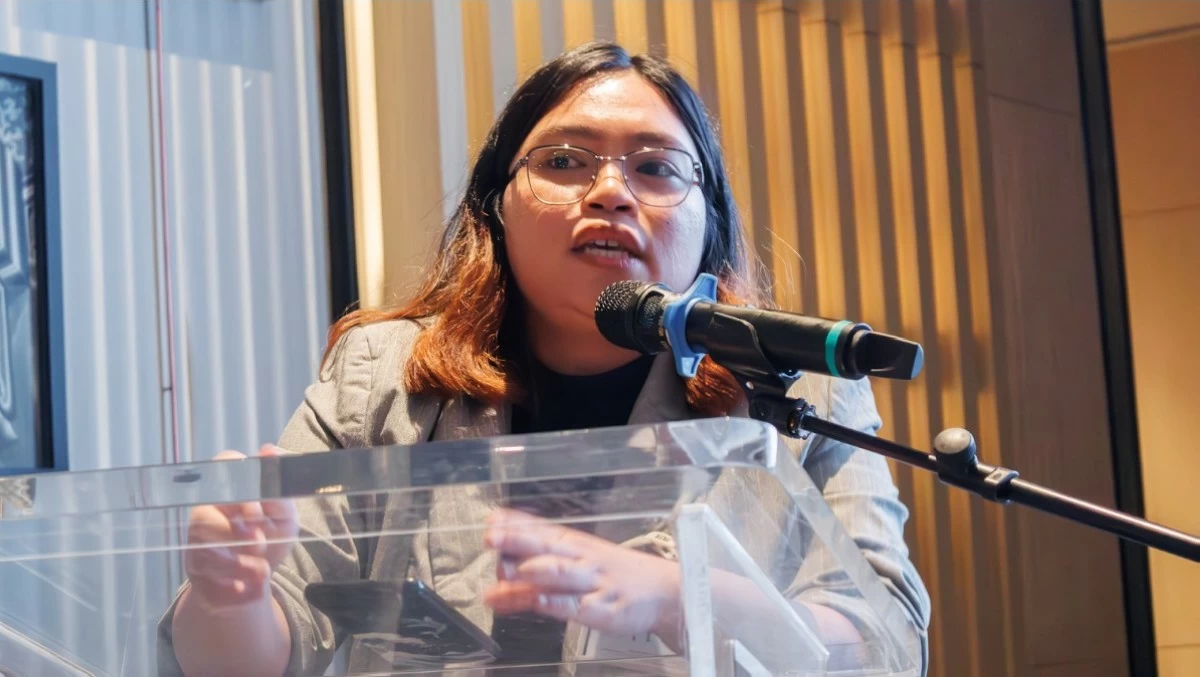
Mitzi G. Salcedo, climate diplomacy lead of Climate Reality Philippines, discusses the key findings of the study, "Carbon for Sale."
"The major question for the Philippines is why are we considering this carbon pricing framework or a domestic regulatory policy tool in the Philippines? It gives an opportunity for the country to have more climate financing," said Mitzi G. Salcedo, climate diplomacy project lead of Climate Reality Philippines.
Using climate finance tools such as an ETS could help fund the country’s climate adaptation and mitigation initiatives. The challenge, however, lies on how the country can integrate these mechanisms into existing laws while also aligning them with international climate pledges.
While the Low Carbon Economy Investment Bill has the potential to reduce emissions, it still raises several concerns. The Carbon for Sale report pointed to unclear carbon rights, the lack of national data on carbon stocks and land use, and possible negative impacts on local communities.
The study also raised issues in stakeholder consultations, underscoring the need to strengthen community participation in carbon trading initiatives. This includes participation of local government units, Indigenous peoples, and the academe in shaping policies and decisions over carbon projects to promote fairness and equity.
“Because COP30 failed to address the problem of fossil fuels head-on, it is up to domestic mechanisms like ETS to ensure vulnerable countries like the Philippines can drive local low-carbon development,” Salcedo said. “A well-designed ETS can steer our local industries and sectors towards cleaner, more sustainable practices even in the absence of strong global commitments.”