







The spirit of Simbang Gabi: Making room for compassion
Published Dec 16, 2025 12:05 am
|
Updated Dec 15, 2025 04:00 pm


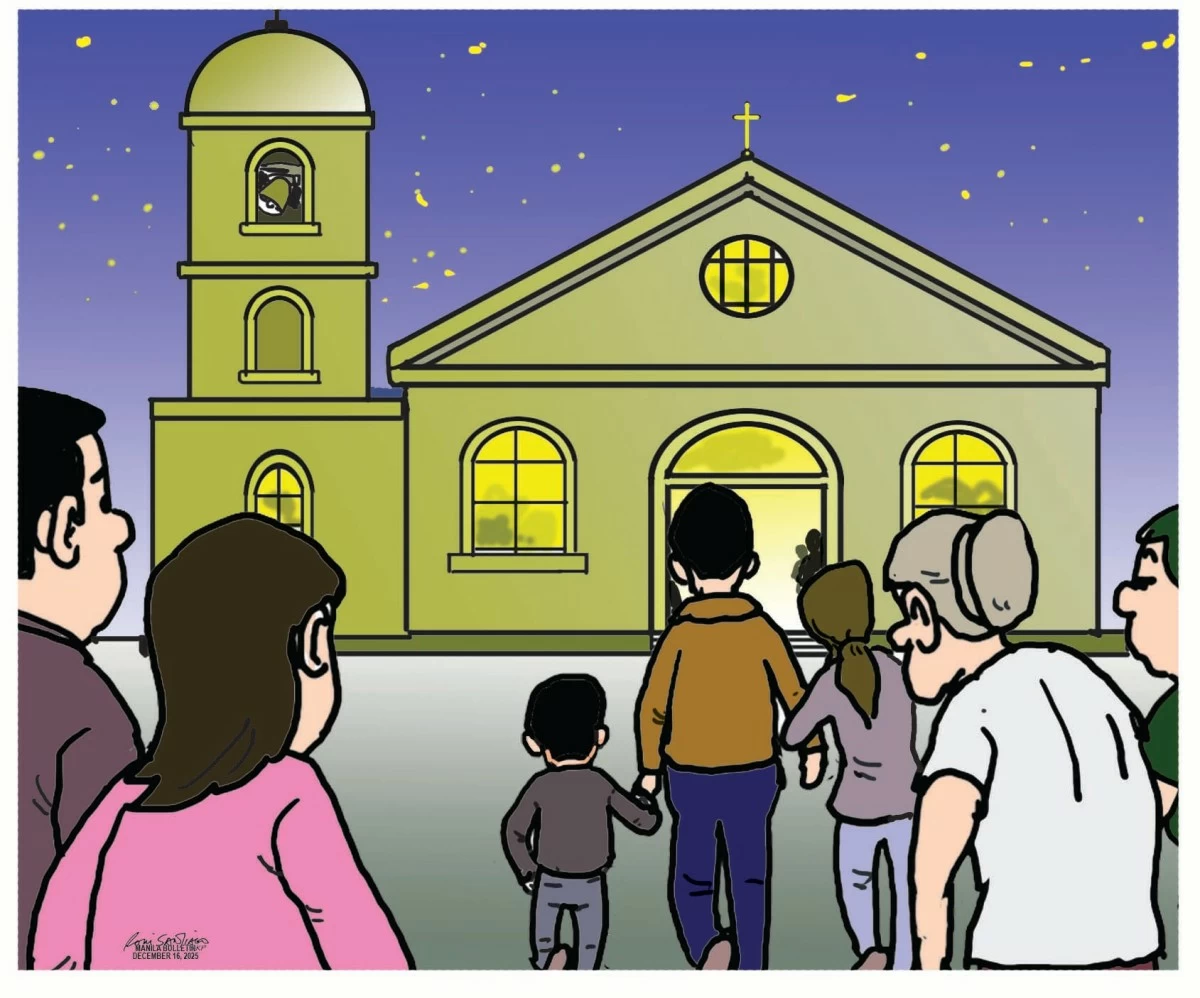
The tradition of Simbang Gabi begins today, Dec. 16, when Catholic devotees rise before dawn to mark what many consider the true start of Christmas, culminating on Christmas Eve. This nine-day dawn novena has long shaped the Filipino way of preparing for Christmas—not only through prayer, but through discipline, sacrifice, and shared devotion.
Passed down through generations, Simbang Gabi is deeply rooted in Filipino culture. So central is the tradition that many parishes now offer anticipated evening Masses beginning Dec. 15, allowing more people to participate. Yet beyond the schedules and rituals, Simbang Gabi remains a practice of intention: choosing to pause each day and prepare both heart and spirit for Christmas.
The tradition traces its roots to the Spanish colonial period, when Simbang Gabi—then known as Misa de Aguinaldo—was celebrated before sunrise so farmers could attend Mass before heading to the fields. Over time, it evolved into a cherished national observance that blends faith with daily life. Long before shopping malls, gift lists, and holiday parties defined the season, Simbang Gabi set its rhythm: waking early, gathering quietly, and preparing inwardly for Christmas Day.
As the novena begins, it is worth remembering what Simbang Gabi was always meant to encourage: reflection, intention, and quiet acts of goodness.
Random acts of kindness are not side notes to Christmas; they are at its core. We often refer to this season as “the season of giving,” but generosity goes far beyond gifts. Many of the most meaningful offerings cannot be wrapped or bought. They are expressions of patience, understanding, and compassion—small gestures that can ease another person’s burden in ways we may never fully see.
Kindness can be simple. Letting someone go ahead in a long grocery line. Offering your seat to a tired commuter. Giving way on the road when everyone seems rushed. These small acts cost nothing, yet they can transform ordinary moments into ones touched by grace.
Quiet, sincere, and unannounced, kindness remains one of the most faithful ways to prepare for Christmas.
The opportunities to practice it are everywhere, especially during this season. A small tip for a delivery rider navigating holiday traffic. A warm drink for a street vendor before dawn. A visit to a relative who may be quietly hoping to be remembered. A message to a friend who has endured a difficult year. Even forgiveness—offered or asked for—can be a powerful act of kindness.
As Simbang Gabi begins, churches will fill with people praying for blessings: good health, steady work, peace at home, a long-awaited wish. But perhaps one of the most meaningful ways to honor the novena is to become an answer to someone else’s prayer. While the season is joyful for many, it can also be heavy for others. A single thoughtful act can help lighten a burden we may never fully understand.
Simbang Gabi was never meant to be merely a ritual of attendance. It was meant to shape how we live during these days of waiting. It reminds us that preparing for Christmas is not about perfect celebrations or completed checklists, but about making room—within our schedules and within ourselves—for compassion.
As the nine-day novena begins, let it be an invitation to slow down, reflect, and ask a simple question: What small kindness can I offer today?
May we carry the true spirit of Simbang Gabi with us in the days ahead—marked by hope, peace, and a readiness to share kindness in ways that truly matter.