Radar RD6: Modernizing the pickup mould
Radar RD6 in EV and PHEV
Published Dec 16, 2025 07:13 pm


At A Glance
- The Radar RD6 approaches pickup duties with crossover-like road manners, prioritizing balance, braking stability, and everyday drivability over traditional workhorse character.
- Both the full-electric RD6 Econ and the RD6 EM-P plug-in hybrid demonstrated a shared focus on stability, composure, and smooth power delivery when driven hard on a closed course.
- Positioned as an alternative to diesel pickups, the RD6 targets buyers who value comfort, efficiency, and lifestyle usability while retaining the practicality of a pickup bed.
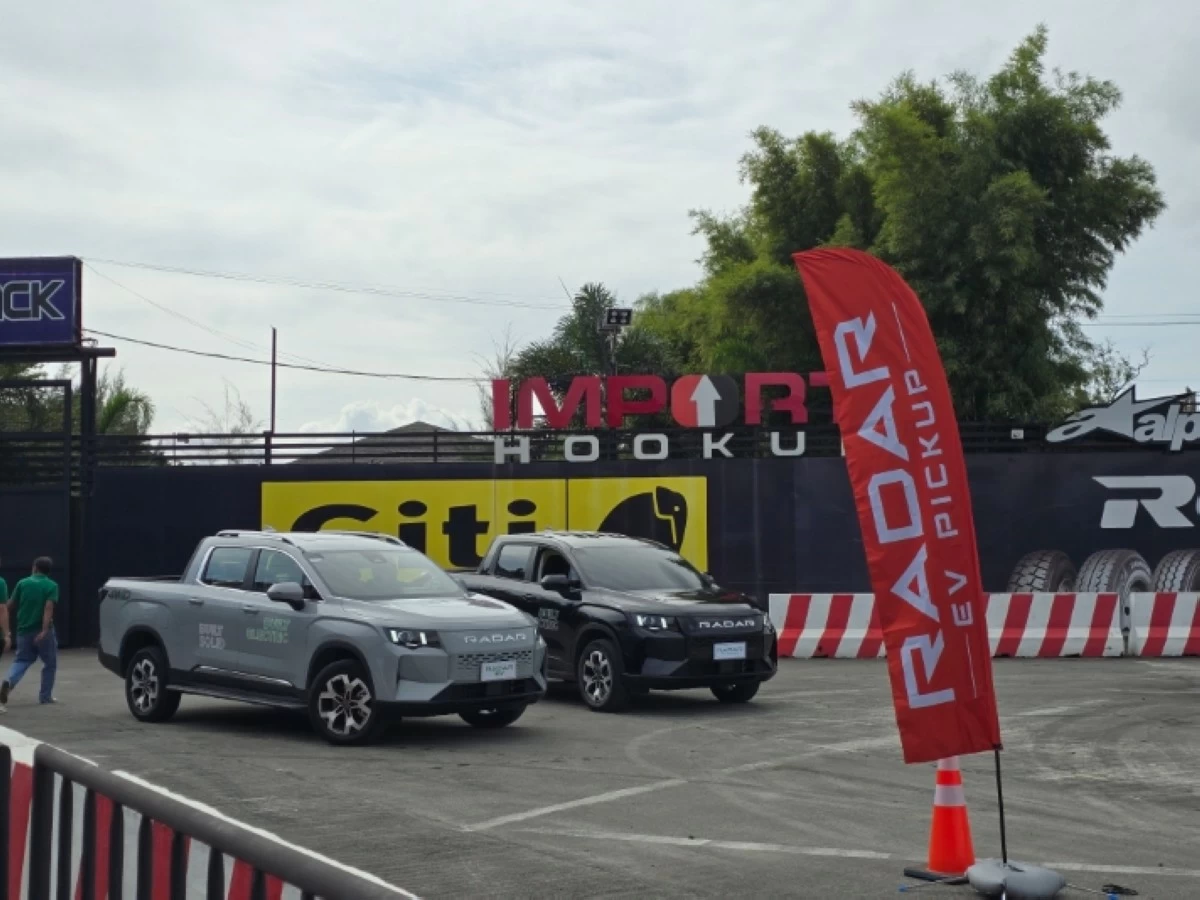
Does a pickup really need ladder frame underpinnings? How about a diesel engine? Does the lack of either of these make it any less a pickup? Moreover, can it actually perform better without them? To answer these questions, we attended the Radar RD6’s first dedicated media drive at the R33 Driftrack in San Simon, Pampanga. The event offered a full day of testing to reveal how far an electrified pickup can go in terms of real-world capability. While the Radar brand and the RD6 were officially launched locally last September, this event marked the first time the company actively demonstrated the vehicle’s dynamic strengths to the motoring media.
Rather than focusing on load hauling or off-road scenarios, the program was designed to highlight on-road manners when driven hard on a closed course with slaloms, tight turns, and heavy braking exercises.
Performance testing
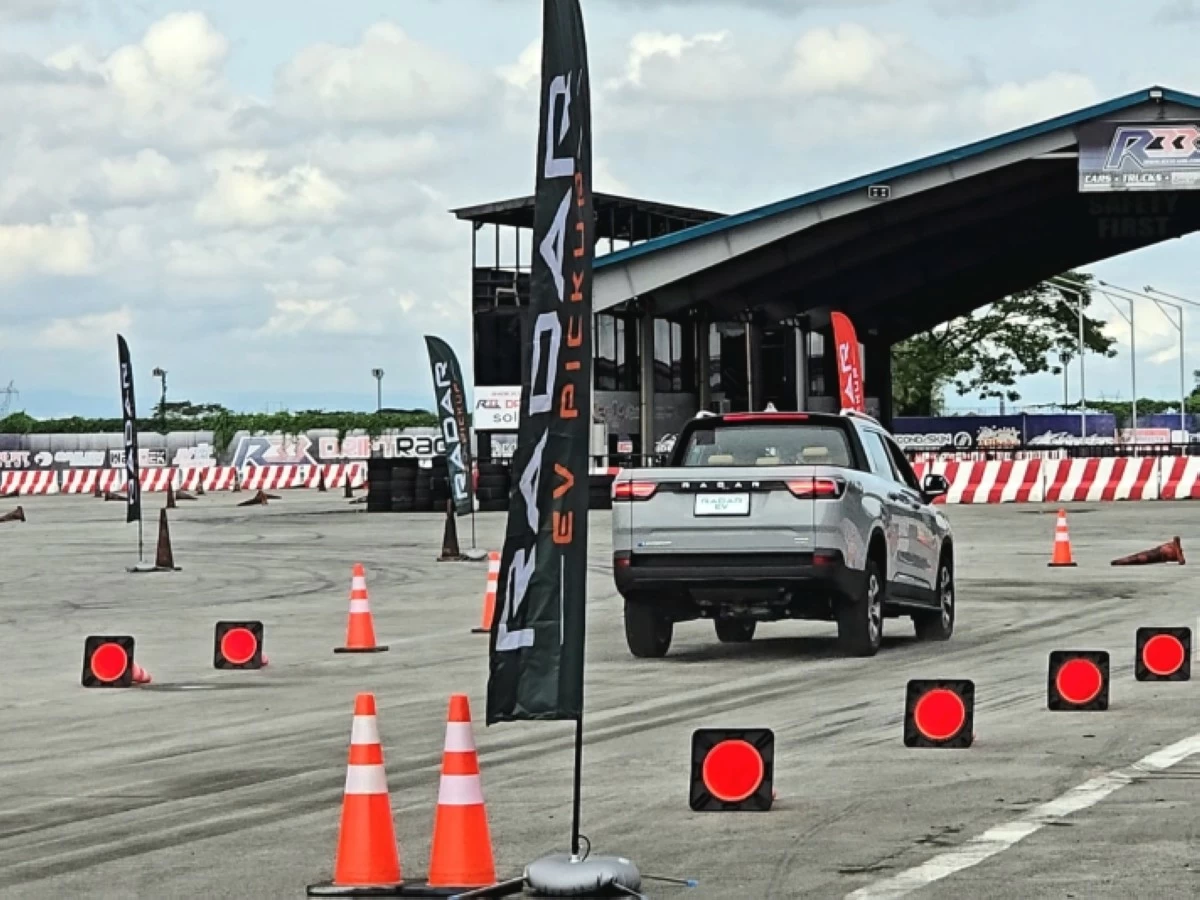
I drove both full-electric and plug-in hybrid variants through each activity. What caught my attention immediately was how agile the RD6 feels under heavy braking. The stability it maintains from 80 km/h down to a hard stop is impressive for a pickup of this size. The unibody chassis and four-wheel independent suspension keep the rear planted and prevent the nose from diving too aggressively, reinforcing the RD6’s distinctly car-like demeanor, closer to a crossover than a traditional pickup despite the open cargo bed at the rear. Even with stock tires and three people on board, the deceleration remained smooth and confidence-inspiring.
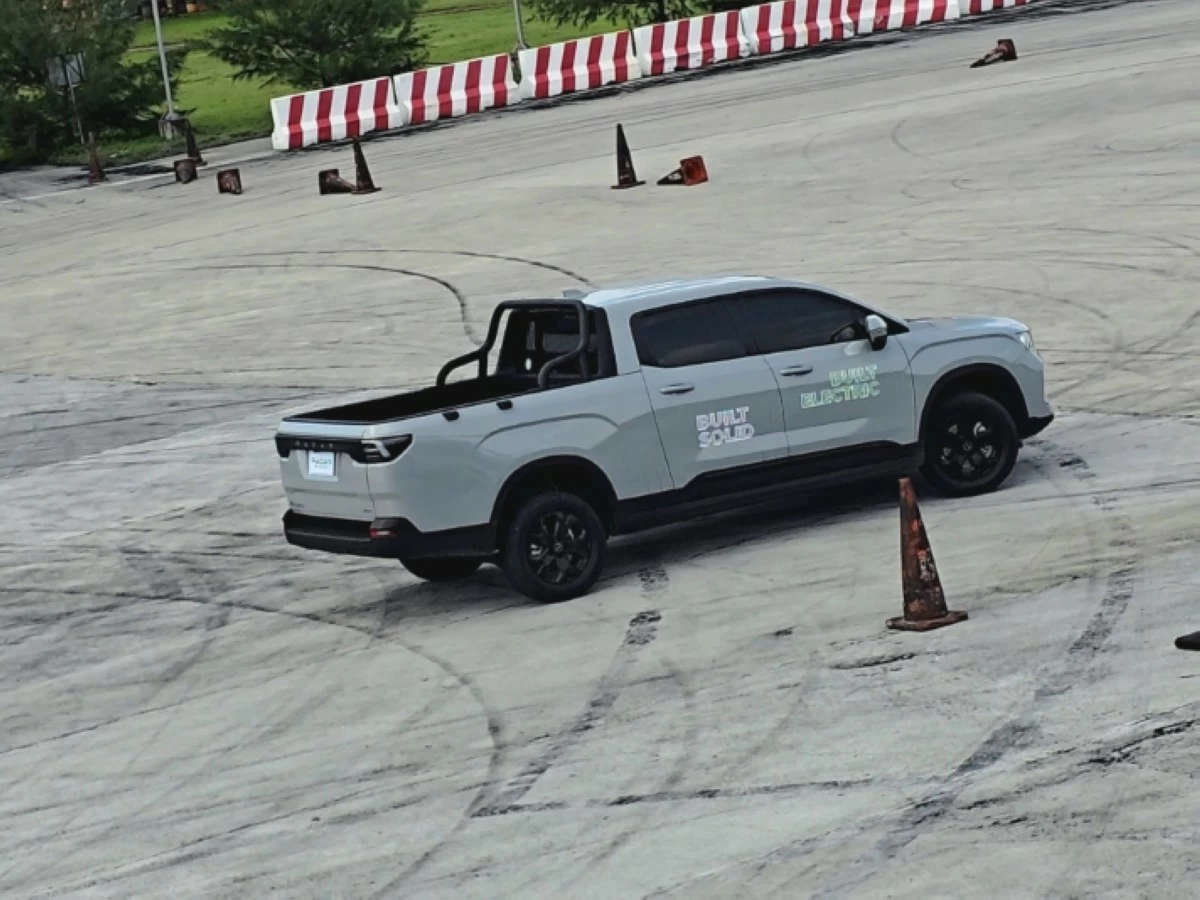
Acceleration was equally impressive, carrying over the same sense of composure and balance felt under hard braking. The RD6 Econ’s single-motor setup produces up to 245-PS and 309-Nm in 2WD form, with immediate and linear responses during the 0 to 80-km/h runs. The EM-P, with a combined output of 463-PS and 659-Nm from its electrified drivetrain, felt even stronger when launching out of the cones. While it does not chase class-leading payload or towing figures, it delivers torque and everyday usability that sit comfortably against popular body-on-frame turbodiesel rivals, particularly for buyers who prioritize ease of use over outright workhorse numbers.
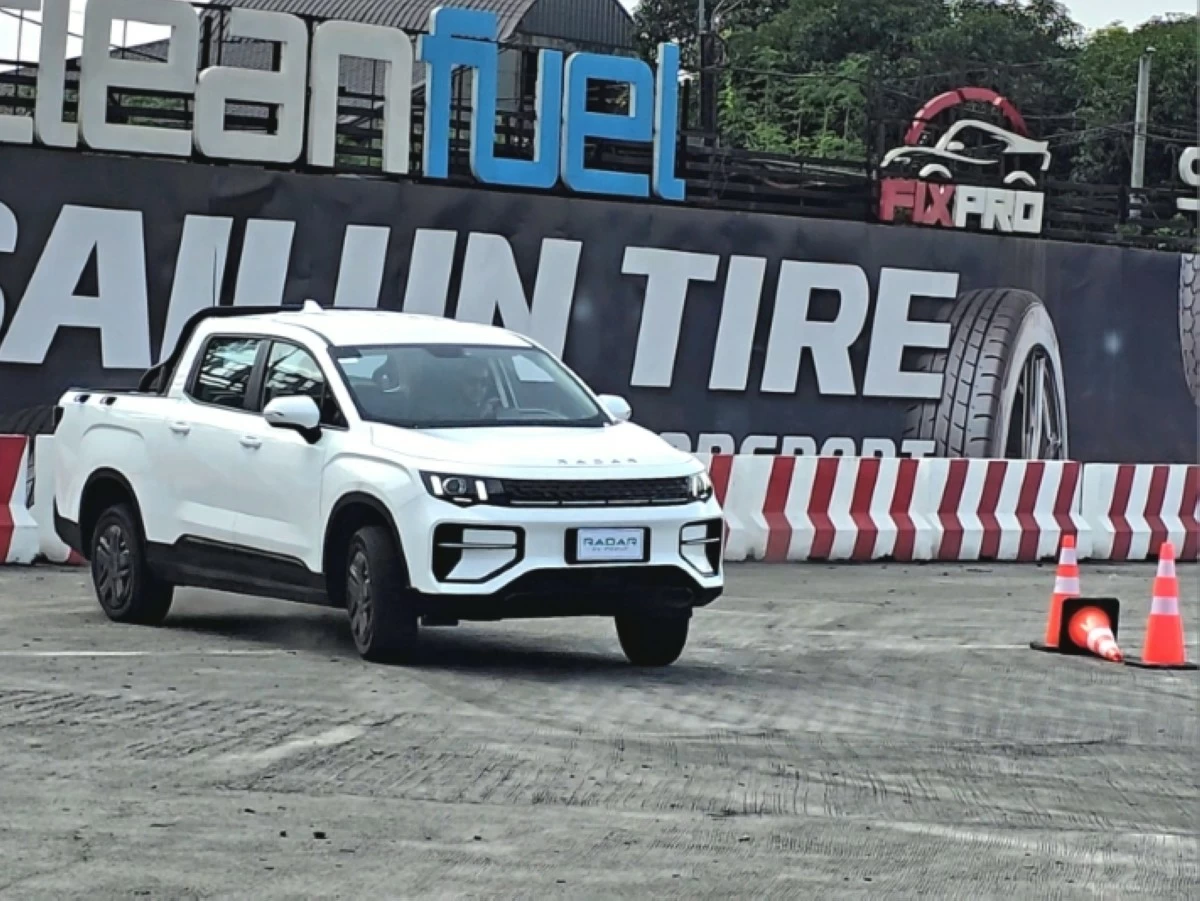
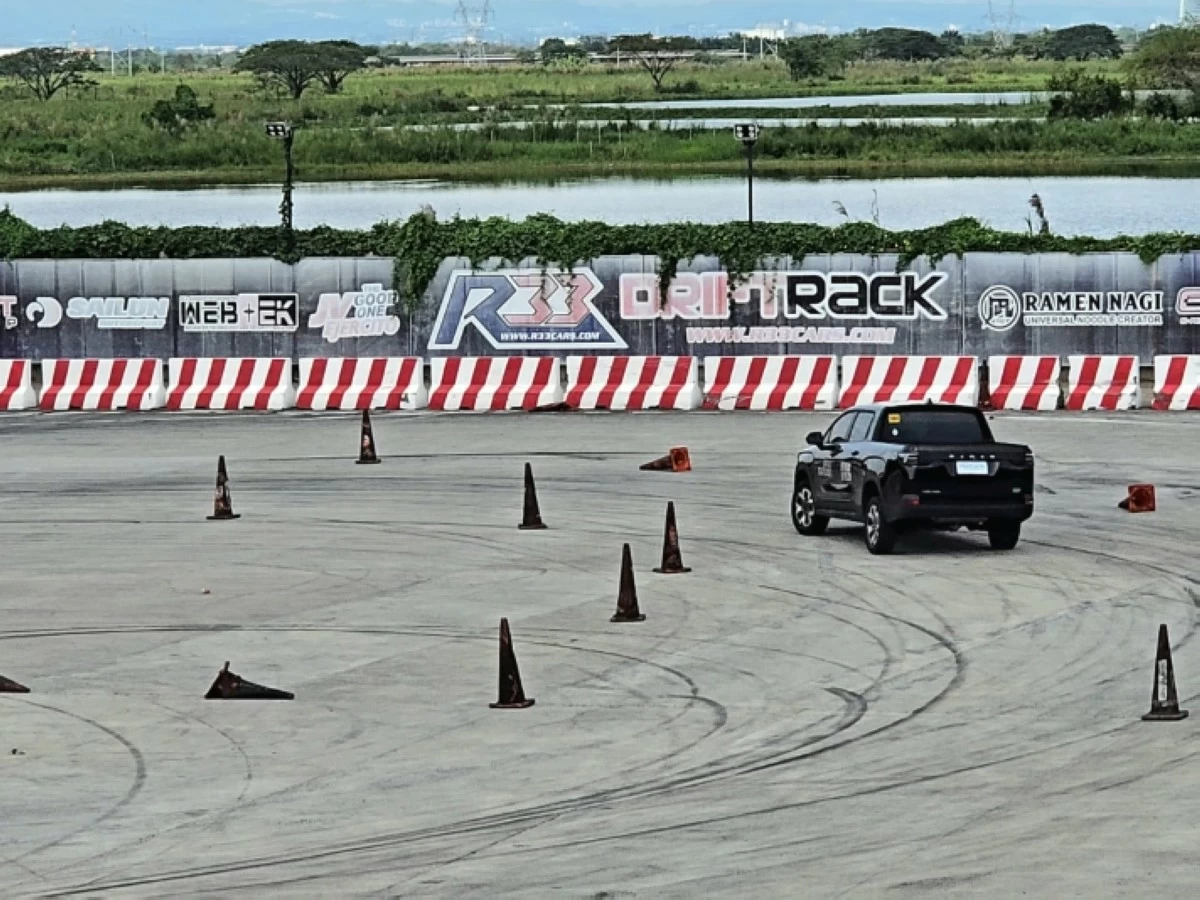
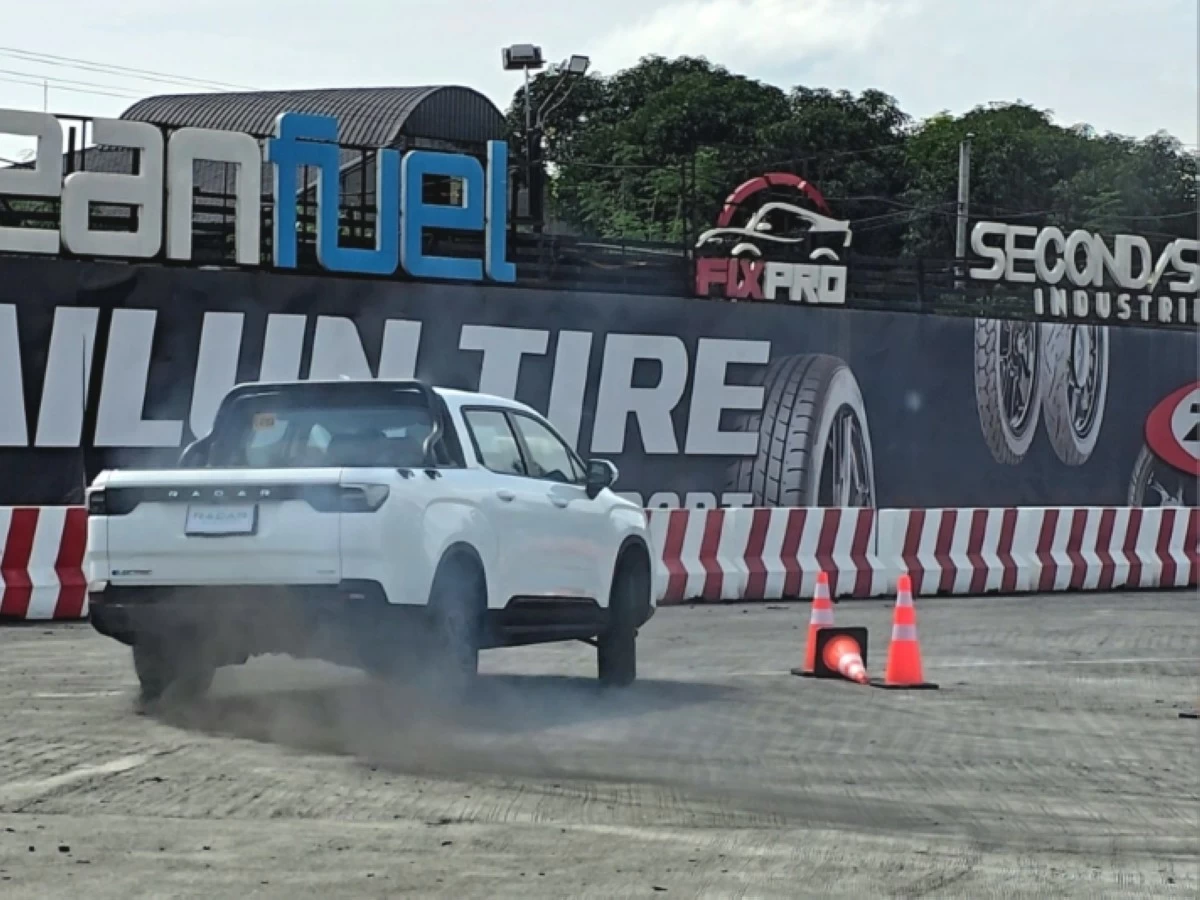
The Econ variant offers up to 443-km of NEDC range with its 73-kWh form battery. Only the 2WD version was available during the drive, and in this configuration, the power delivery felt predictable and easy to manage, which helped during the slalom tests where the truck’s weight transfer remained controlled. The independent rear suspension made a clear difference when weaving through the cones, and although you still feel the mass of the platform, the chassis lets you place the vehicle with confidence. The cabin stays settled, and the body control reinforces how different the RD6 feels compared to traditional body-on-frame pickups. It drives more like a large crossover with a longer wheelbase, or an MPV with the rear third effectively replaced by a pickup bed. It does not feel built to take sustained abuse, but it is clearly engineered for the kind of urban and suburban use cases that most Filipino pickup owners now prioritize.
Distinct styling
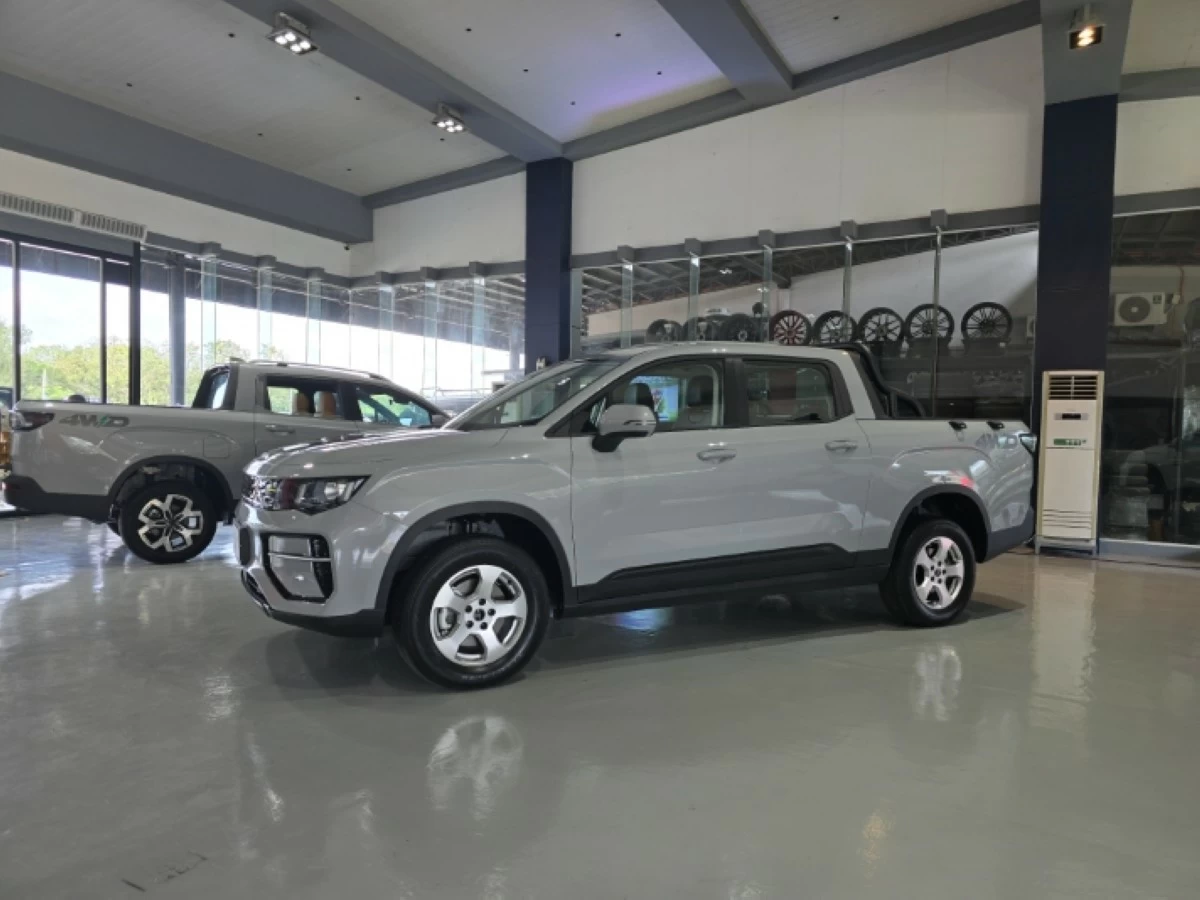
That said, the styling did not resonate with me as much as the driving performance did. The large RADAR emblem across the grille dominates the front fascia and gives the truck a look that may not age gracefully. The clean surfaces and upright proportions are functional and modern, but I worry that the identity might feel dated sooner than its rivals. This is subjective, but after spending a day with the vehicle, I still found myself drawn more to how it drives than how it looks.
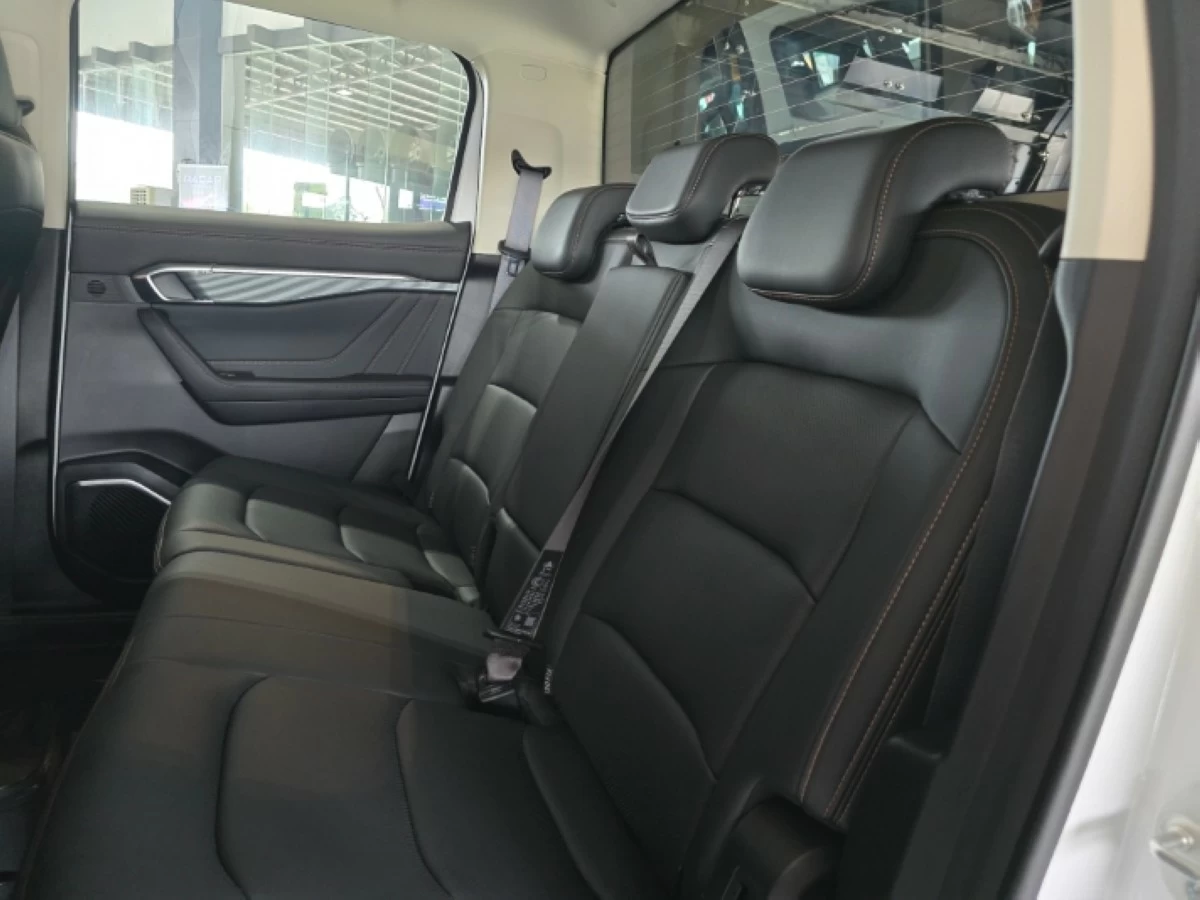
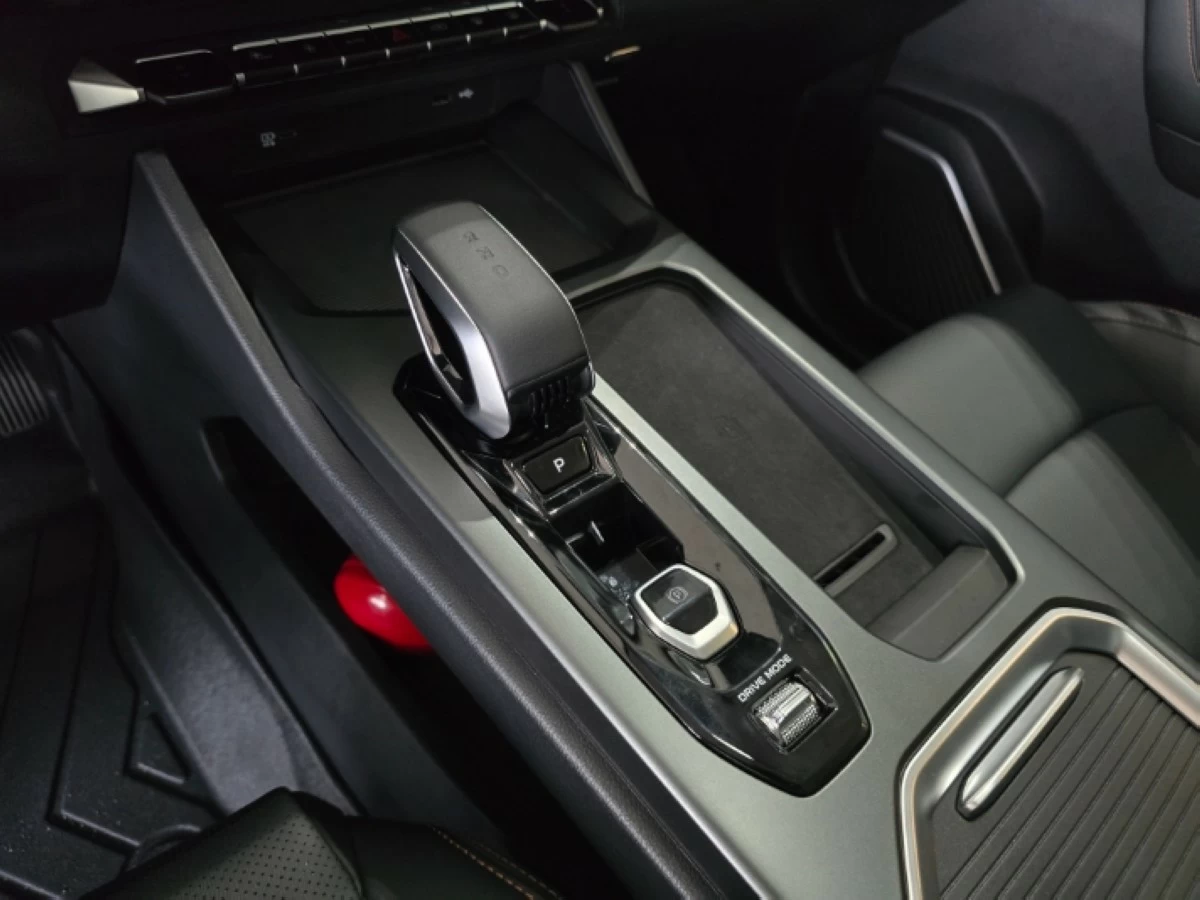
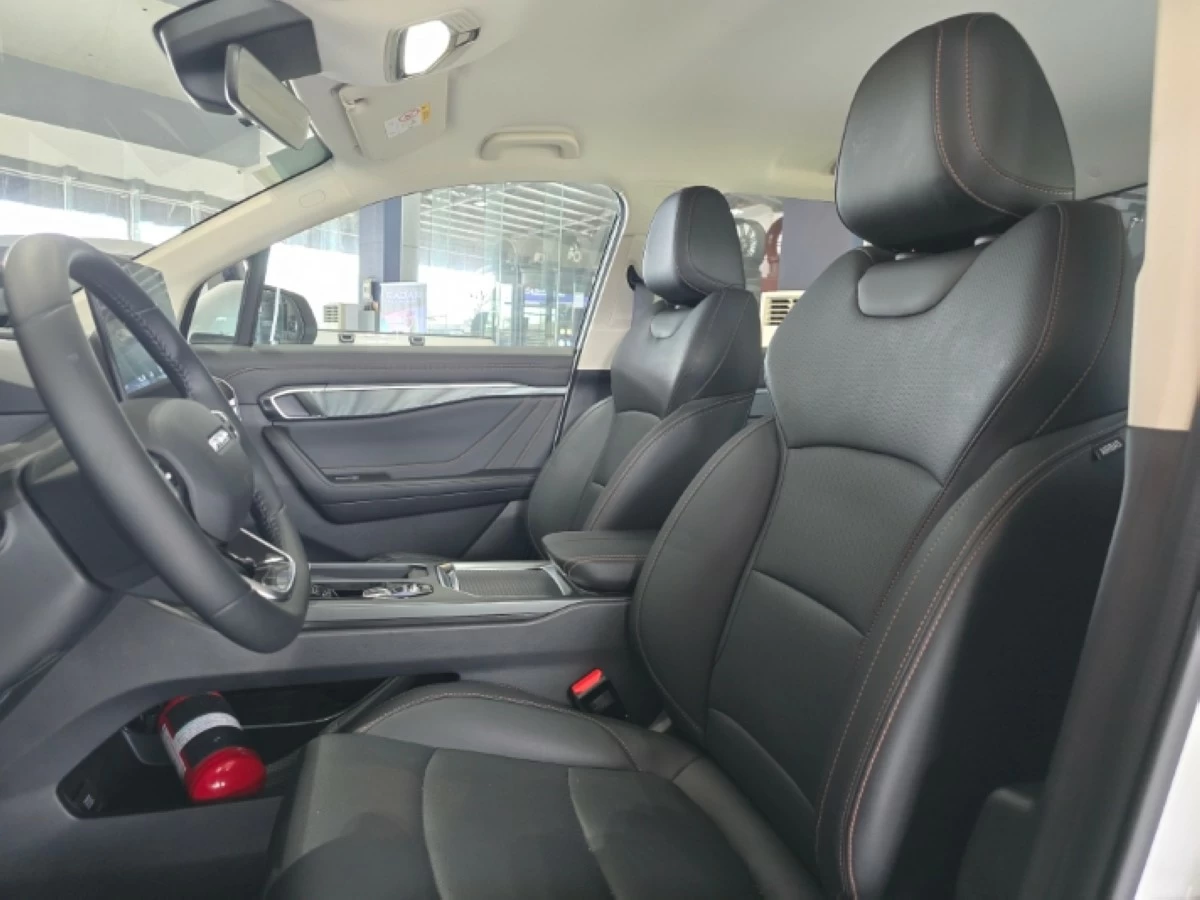
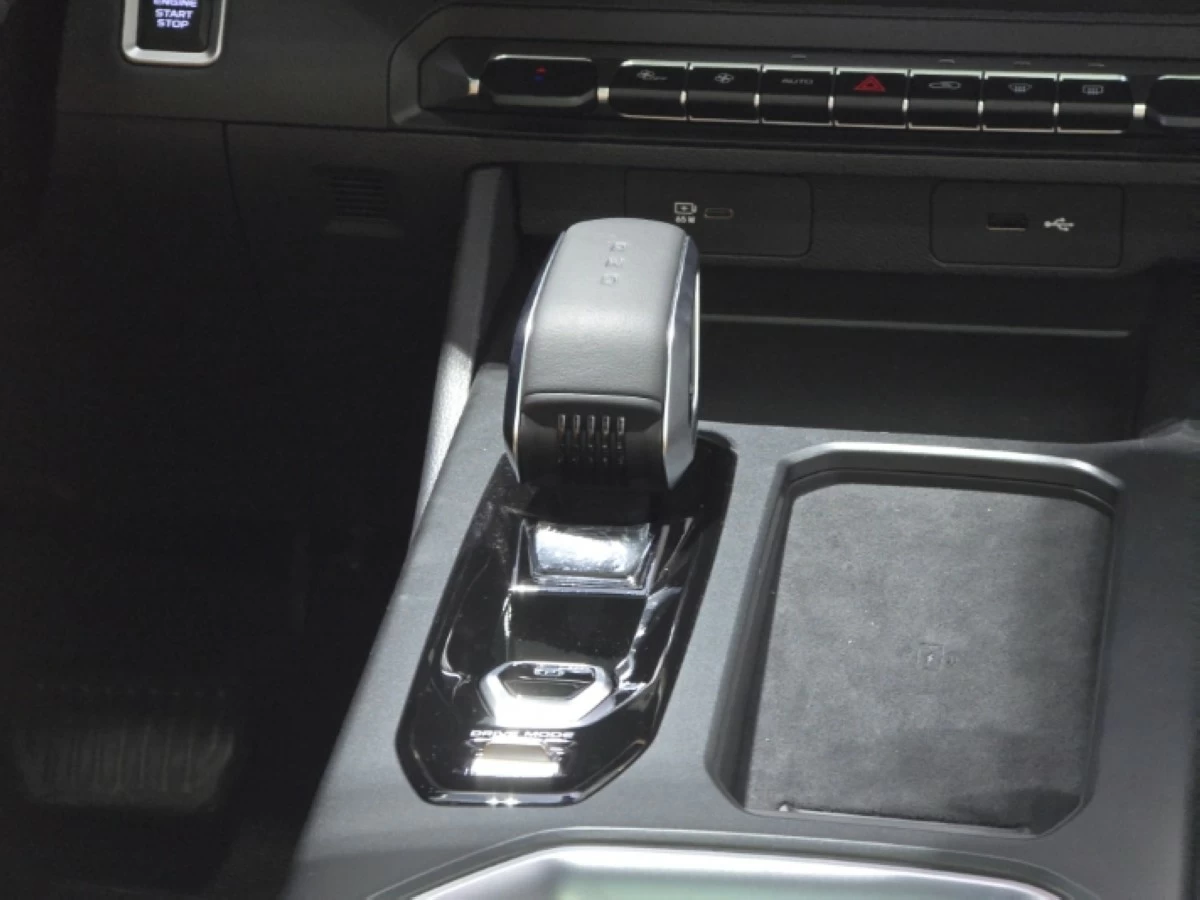
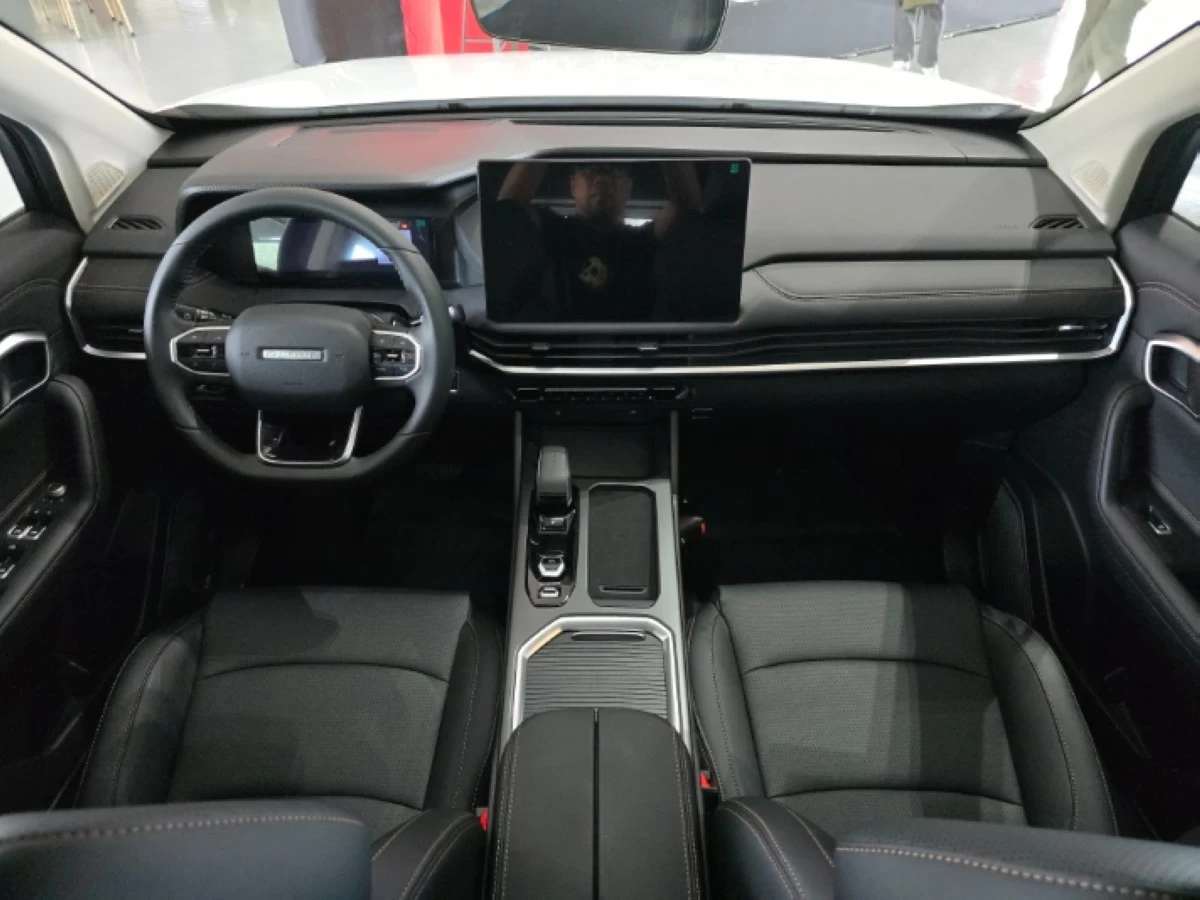
Inside, both variants present a straightforward and well-packaged cabin. Radar positions the RD6 as an alternative to traditional diesel pickups by pairing everyday usability with lower running costs. The larger 14.6-inch touchscreen available in higher EM-P trims is crisp and responsive, while noise isolation remains commendable even under hard acceleration. Practical touches such as V2L functionality, ample storage, and a wide cargo bed strengthen its case as a lifestyle-leaning pickup.
Who is this pickup for?
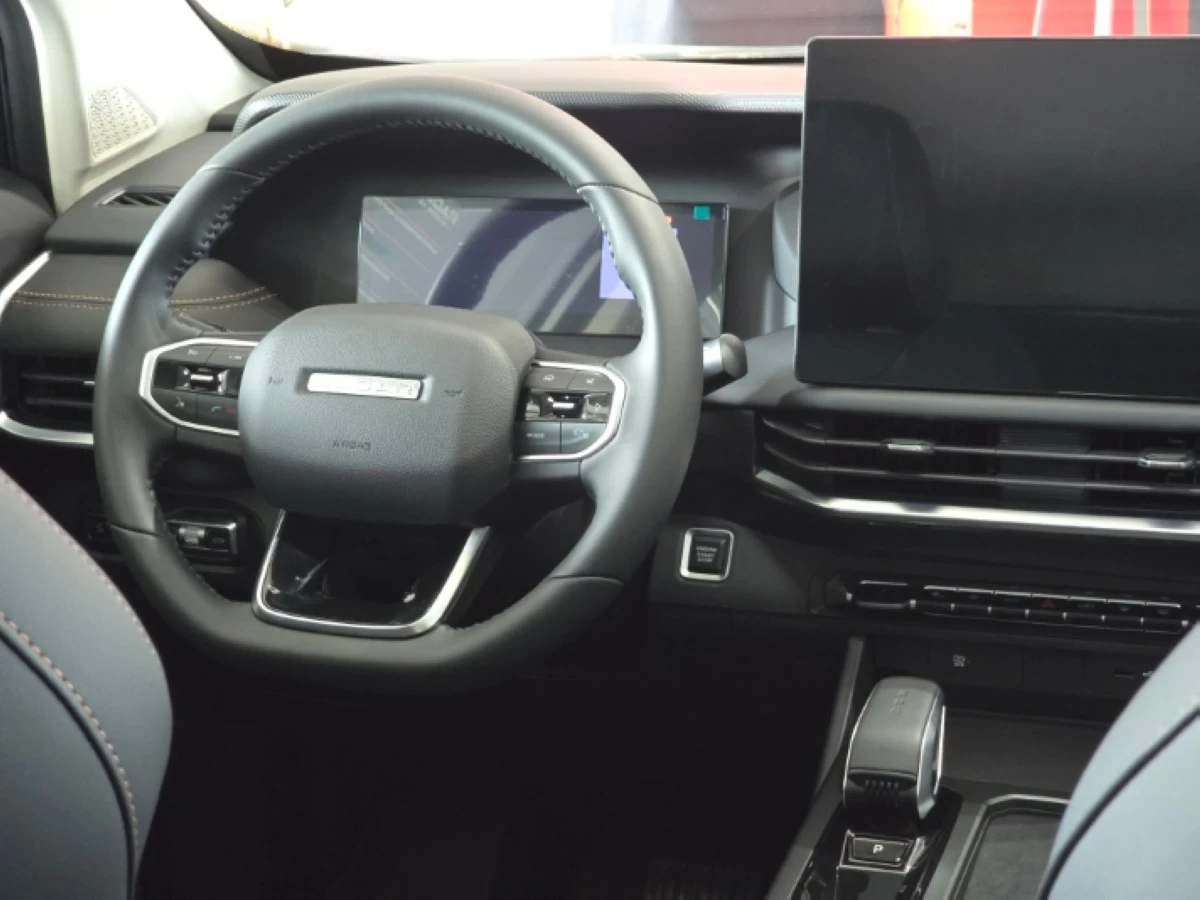
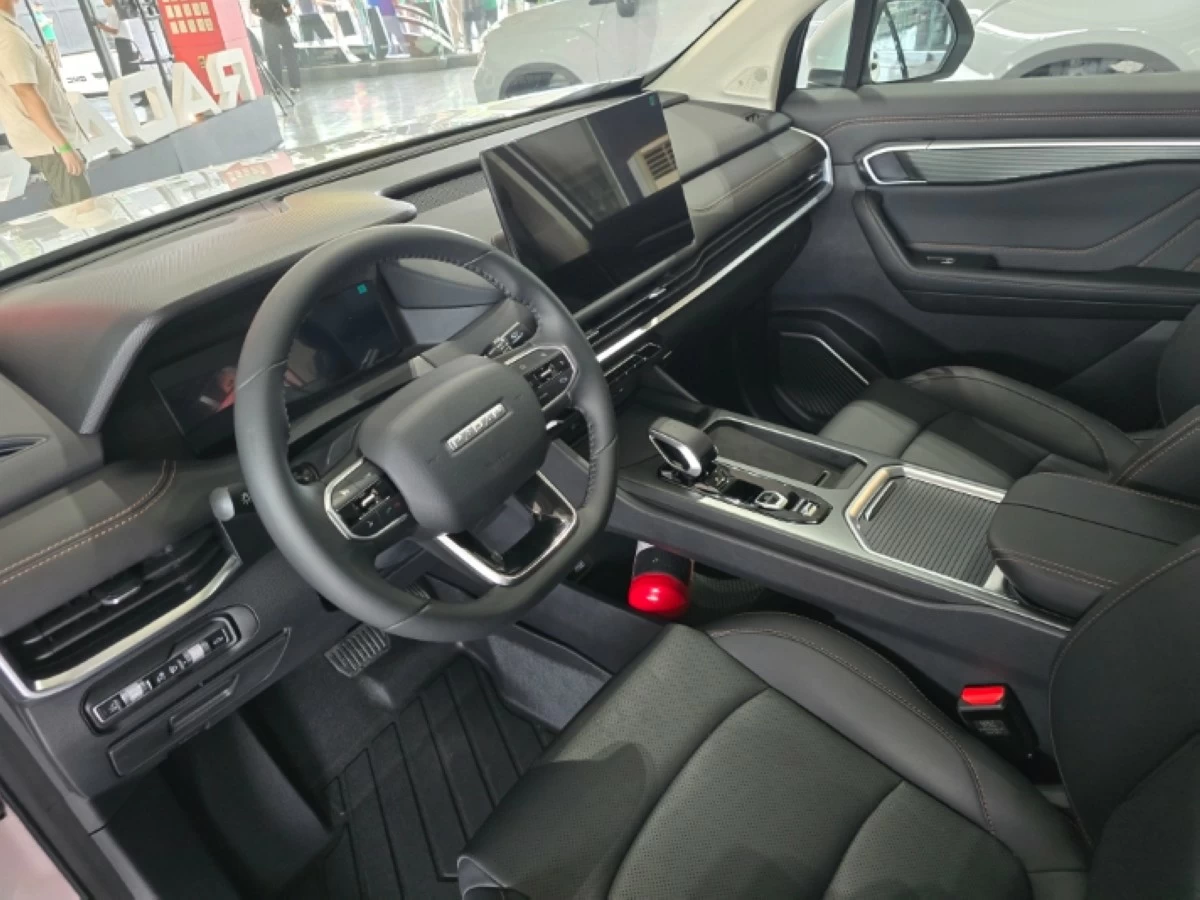
What stands out most is how the RD6 broadens the definition of what a pickup can be in the Philippine market. Radar Philippines brand head, Franz Decloedt, explained that the RD6 was developed to challenge long-held assumptions about diesel pickups, particularly in terms of precision, efficiency, and cost of ownership. It is not aimed at buyers who want lifted rigs or heavy off-road equipment. It suits drivers who wish for the comfort and maneuverability of a car, better day-to-day efficiency, and the utility of a proper bed. The EV and PHEV powertrains offer meaningful gains in running costs and usability, and for those who drive mostly in the city with occasional out-of-town trips, the EM-P’s range advantage is an appealing safety net.
"Traditionally, pickups in the Philippines are diesel and ladder-frame," said Decloedt. "With the RD6, we wanted to show that a pickup can deliver the power, efficiency, and hauling ability people expect, while adding precision, comfort, and significantly lower running costs through electrification."
Pickup abilities without the harshness
The RD6 left a strong impression on me. It may not have the most timeless styling, but the way it drives places it in a different category from traditional pickups. As our market continues to explore alternatives to diesel power, the RD6’s combination of refinement, performance, and lower operating costs makes it a compelling addition to the growing electrified pickup segment.
Pricing for the RD6 Econ starts at P1,398,000 for the 63 kWh 2WD variant, rises to P1,598,000 for the 73 kWh long-bed version, and reaches P1,748,000 for the 73 kWh 4WD model. The RD6 EM-P plug-in hybrid range starts at P1,698,000 for the Comfort trim, P1,798,000 for the Elite, and tops out at P1,948,000 for the Luxury variant.