

ADVERTISEMENT

Practical tips to manage blood glucose

Ways to prevent spikes in your blood sugar this holiday season

Published Dec 16, 2025 08:51 am

At A Glance

  • The first thing that you need to be mindful of when managing blood glucose is to stay hydrated with water throughout the day.
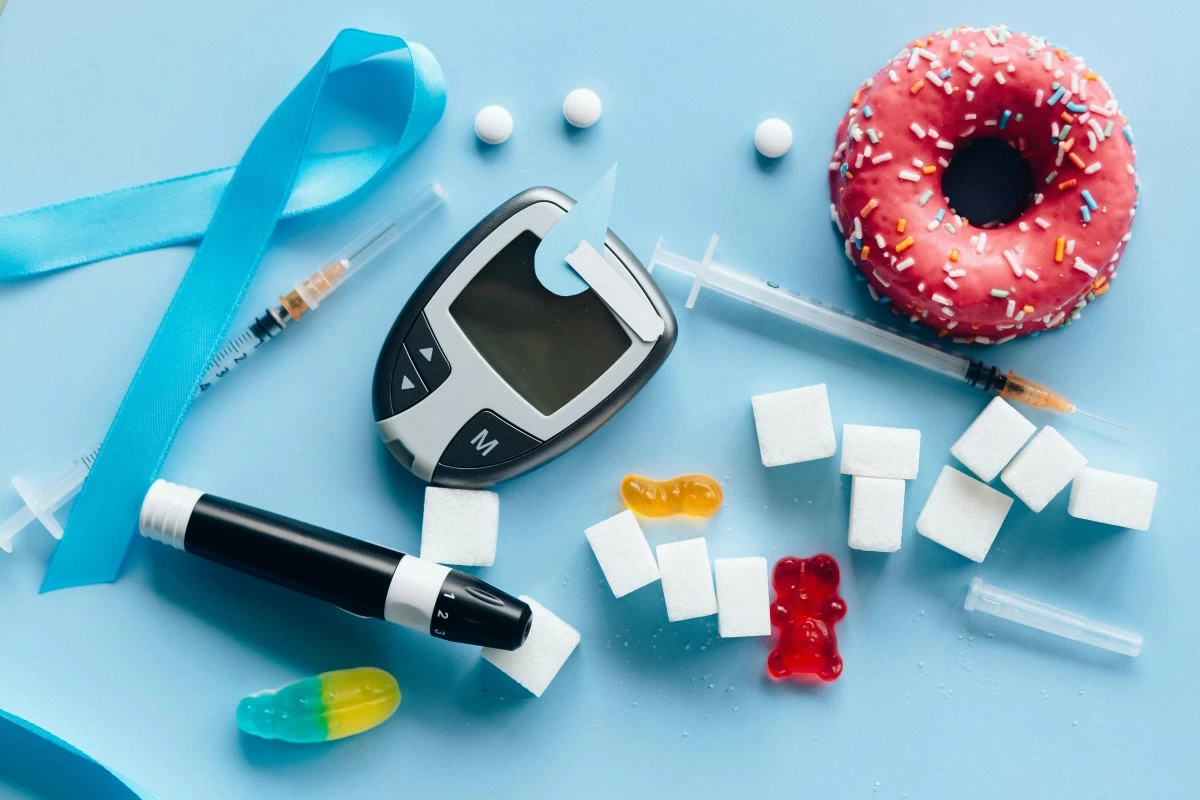
This holiday season, it is easier to experience spikes in blood glucose level simply from the calorie-laden dishes and sugary treats served during the festivities. It is very important to adhere to your medications and nutrient supplementation if you have been diagnosed with diabetes mellitus or insulin resistance. Do not, however, rely on medications alone. Even if you become a pill popper but fail to watch your eating habits and spend most of your day being sedentary, you will most likely still experience an elevated blood glucose level.
Here are five practical tips that can help you normalize your blood glucose level in addition to having a portion-controlled, balanced diet that is high in fiber and low in refined sugars and fat.
Drink water regularly
The first thing that you need to be mindful of when managing blood glucose is to stay hydrated with water throughout the day. Inadequate intake of water leads to dehydration. Dehydration then causes the concentration of sugar in the blood to increase. Therefore, leading to higher blood glucose readings. This harms the kidneys because the two bean-shaped organs will exert more effort in excreting the excess sugar, leading to more fluid loss. Thus, worsening the level of dehydration. Staying hydrated by drinking water regularly throughout the day will help the kidneys excrete excess glucose from the blood without causing dehydration. Make it a habit to regularly drink water or carry a water bottle with you if you must. Do not wait until your throat feels parched. By then, you are already dehydrated, and your blood glucose level is most likely already above normal.
Walking after meals
A study was conducted by Dr. Loretta DiPietro and colleagues entitled “Three 15-minute Bouts of Moderate Post-Meal Walking Significantly Improves 24-h Glycemic Control in Older People at Risk for Impaired Glucose Tolerance.” Their study concluded that short and intermittent bouts of walking after meals appeared to be an effective way to control spikes in blood glucose level post-prandial or after meals. In fact, a short period of walking done several times during the day, in this case, 15 minutes of walking three times a day, was more effective in preventing hyperglycemia or increased blood glucose, compared to a sustained walking of 45 minutes. This holiday season, adopt a new habit of walking for at least 15 minutes after a meal. You can walk in place inside a room, walk around a room, or take a quick walk outside. The most important thing is to just get moving and take a walk.
Avoid pre-loading of the spoon
Many individuals have a bad habit of pre-loading their eating utensils. This is a habit where a person who still has food inside his or her mouth is already putting more food onto the spoon in anticipation of the next bite. This bad habit speeds up the meal time. Therefore, one will tend to eat fast and eat more. It also prevents the person from savoring the meal, which affects the satiety level. Being unable to fully experience and enjoy the meal leads to cravings later in the day. Make it a habit to put the spoon and fork or whatever eating utensils you use down and focus on chewing the food inside the mouth properly. Only pick up the utensils and add more food after savoring, chewing, and swallowing the food in your mouth. You can also try to make conversations or socialize in between, as well as drink water. It is important to take pauses while eating instead of eating as if you are in a race to finish first.
Skip the snacks
It is best to skip snacks and allow your body to utilize the stored energy that you have, as well as burn the calories consumed from main meals. Snacking in between meals may cause hyperglycemia or an elevated blood glucose level if your body has not fully metabolized the food from your previous meal. If you are on insulin therapy or anti-diabetic medications yet often feel the need to snack because you are experiencing hypoglycemia, your dosage of insulin or medications may be too high. You should discuss this with your physician and a registered nutritionist or dietitian for proper management. Otherwise, you will gain more weight from excess caloric intake just so you do not experience hypoglycemia or below normal level of blood glucose.
When keeping blood glucose at bay, especially during the holiday season, it is important to also consume fiber-rich food from wholesome, minimally processed vegetables, fruits, and whole grains like brown, red, or black rice, oats, quinoa, or adlai in addition to other food items that you may consume. Aside from sugary or sweet treats, it is also best to avoid fatty food because fat prevents insulin from efficiently entering the cells for sugar metabolism or glucose utilization. Thus, glucose remains elevated in the blood.
Have a happy, healthy holiday season.
[email protected]

Related Tags

Health and Wellness blood glucose
ADVERTISEMENT
.most-popular .layout-ratio{ padding-bottom: 79.13%; } @media (min-width: 768px) and (max-width: 1024px) { .widget-title { font-size: 15px !important; } }

{{ articles_filter_1561_widget.title }}

.most-popular .layout-ratio{ padding-bottom: 79.13%; } @media (min-width: 768px) and (max-width: 1024px) { .widget-title { font-size: 15px !important; } }

{{ articles_filter_1562_widget.title }}

.most-popular .layout-ratio{ padding-bottom: 79.13%; } @media (min-width: 768px) and (max-width: 1024px) { .widget-title { font-size: 15px !important; } }

{{ articles_filter_1563_widget.title }}

{{ articles_filter_1564_widget.title }}

.mb-article-details { position: relative; } .mb-article-details .article-body-preview, .mb-article-details .article-body-summary{ font-size: 17px; line-height: 30px; font-family: "Libre Caslon Text", serif; color: #000; } .mb-article-details .article-body-preview iframe , .mb-article-details .article-body-summary iframe{ width: 100%; margin: auto; } .read-more-background { background: linear-gradient(180deg, color(display-p3 1.000 1.000 1.000 / 0) 13.75%, color(display-p3 1.000 1.000 1.000 / 0.8) 30.79%, color(display-p3 1.000 1.000 1.000) 72.5%); position: absolute; height: 200px; width: 100%; bottom: 0; display: flex; justify-content: center; align-items: center; padding: 0; } .read-more-background a{ color: #000; } .read-more-btn { padding: 17px 45px; font-family: Inter; font-weight: 700; font-size: 18px; line-height: 16px; text-align: center; vertical-align: middle; border: 1px solid black; background-color: white; } .hidden { display: none; }
function initializeAllSwipers() { // Get all hidden inputs with cms_article_id document.querySelectorAll('[id^="cms_article_id_"]').forEach(function (input) { const cmsArticleId = input.value; const articleSelector = '#article-' + cmsArticleId + ' .body_images'; const swiperElement = document.querySelector(articleSelector); if (swiperElement && !swiperElement.classList.contains('swiper-initialized')) { new Swiper(articleSelector, { loop: true, pagination: false, navigation: { nextEl: '#article-' + cmsArticleId + ' .swiper-button-next', prevEl: '#article-' + cmsArticleId + ' .swiper-button-prev', }, }); } }); } setTimeout(initializeAllSwipers, 3000); const intersectionObserver = new IntersectionObserver( (entries) => { entries.forEach((entry) => { if (entry.isIntersecting) { const newUrl = entry.target.getAttribute("data-url"); if (newUrl) { history.pushState(null, null, newUrl); let article = entry.target; // Extract metadata const author = article.querySelector('.author-section').textContent.replace('By', '').trim(); const section = article.querySelector('.section-info ').textContent.replace(' ', ' '); const title = article.querySelector('.article-title h1').textContent; // Parse URL for Chartbeat path format const parsedUrl = new URL(newUrl, window.location.origin); const cleanUrl = parsedUrl.host + parsedUrl.pathname; // Update Chartbeat configuration if (typeof window._sf_async_config !== 'undefined') { window._sf_async_config.path = cleanUrl; window._sf_async_config.sections = section; window._sf_async_config.authors = author; } // Track virtual page view with Chartbeat if (typeof pSUPERFLY !== 'undefined' && typeof pSUPERFLY.virtualPage === 'function') { try { pSUPERFLY.virtualPage({ path: cleanUrl, title: title, sections: section, authors: author }); } catch (error) { console.error('ping error', error); } } // Optional: Update document title if (title && title !== document.title) { document.title = title; } } } }); }, { threshold: 0.1 } ); function showArticleBody(button) { const article = button.closest("article"); const summary = article.querySelector(".article-body-summary"); const body = article.querySelector(".article-body-preview"); const readMoreSection = article.querySelector(".read-more-background"); // Hide summary and read-more section summary.style.display = "none"; readMoreSection.style.display = "none"; // Show the full article body body.classList.remove("hidden"); } document.addEventListener("DOMContentLoaded", () => { let loadCount = 0; // Track how many times articles are loaded const offset = [1, 2, 3, 4, 5, 6, 7, 8, 9, 10]; // Offset values const currentUrl = window.location.pathname.substring(1); let isLoading = false; // Prevent multiple calls if (!currentUrl) { console.log("Current URL is invalid."); return; } const sentinel = document.getElementById("load-more-sentinel"); if (!sentinel) { console.log("Sentinel element not found."); return; } function isSentinelVisible() { const rect = sentinel.getBoundingClientRect(); return ( rect.top < window.innerHeight && rect.bottom >= 0 ); } function onScroll() { if (isLoading) return; if (isSentinelVisible()) { if (loadCount >= offset.length) { console.log("Maximum load attempts reached."); window.removeEventListener("scroll", onScroll); return; } isLoading = true; const currentOffset = offset[loadCount]; window.loadMoreItems().then(() => { let article = document.querySelector('#widget_1690 > div:nth-last-of-type(2) article'); intersectionObserver.observe(article) loadCount++; }).catch(error => { console.error("Error loading more items:", error); }).finally(() => { isLoading = false; }); } } window.addEventListener("scroll", onScroll); });

Sign up by email to receive news.