






Manila Bulletin
 Philippines
National
More Filipino learners reach higher math and reading proficiency, but gaps persist — study
Philippines
National
More Filipino learners reach higher math and reading proficiency, but gaps persist — study
Philippines
National
More Filipino learners reach higher math and reading proficiency, but gaps persist — study
More Filipino learners reach higher math and reading proficiency, but gaps persist — study
Citing latest SEA-PLM findings, UNICEF and SEAMEO urge data-driven, climate-resilient education reforms to close widening disparities
Published Dec 16, 2025 09:33 pm


At A Glance
- More Filipino Grade 5 learners are achieving higher levels in mathematics and reading, and schools are showing improvements in safety based on the 2024 SEA-PLM.
- Despite overall progress, the study noted disparities remain among low-performing learners, gender, socioeconomic status, language spoken at home, and regions, highlighting the need for targeted interventions.
- UNICEF and SEAMEO urge the Philippines to sustain and accelerate reforms, strengthen foundational learning, invest in early childhood, and adopt climate-resilient education systems to ensure all learners benefit.
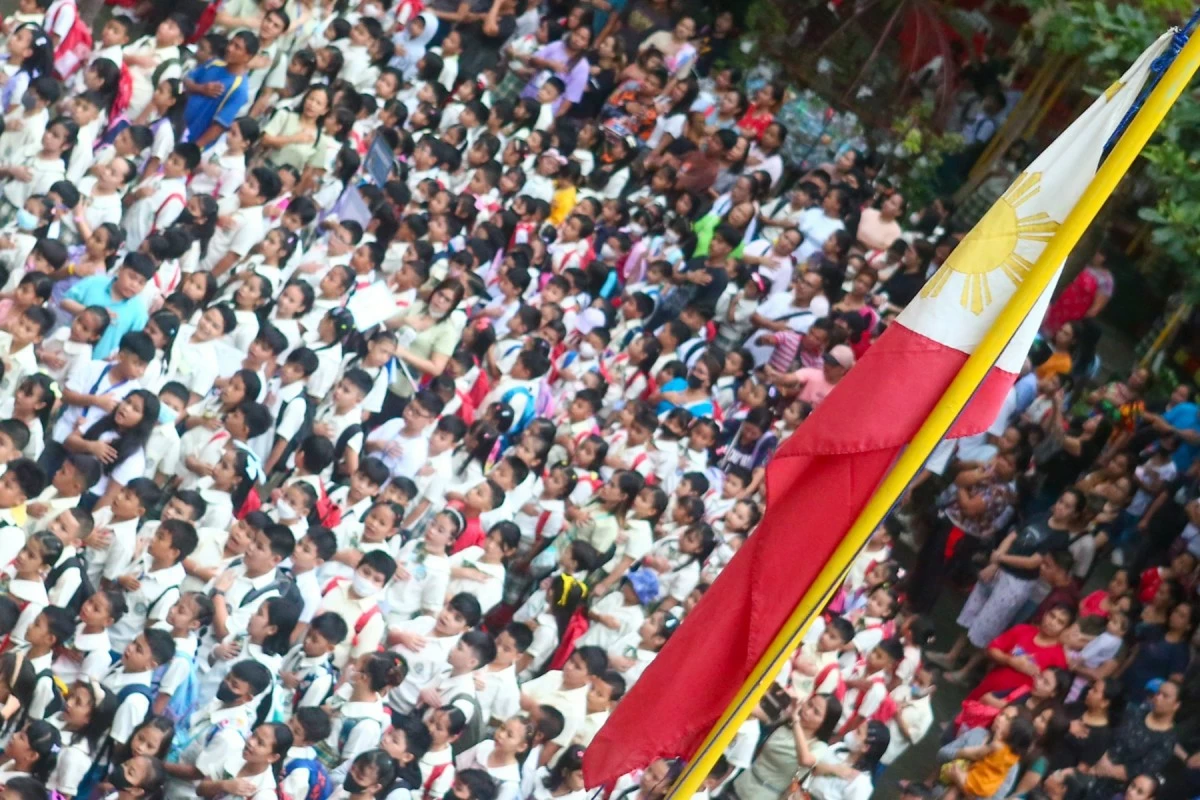
Based on SEA-PLM 2024, more Filipino Grade 5 learners are achieving higher proficiency in mathematics and reading, but UNICEF and SEAMEO warn that widening disparities require data-driven education reforms. (Manila Bulletin / file)
More Grade 5 learners in the Philippines are reaching higher proficiency levels in mathematics and reading, and schools are becoming safer environments, according to the latest Southeast Asia Primary Learning Metrics (SEA-PLM) 2024 results released by the Southeast Asian Ministers of Education Organization (SEAMEO) and UNICEF East Asia and Pacific Regional Office.
However, the assessment also flagged persistent and widening learning gaps among the country’s lowest-performing learners, underscoring the need for evidence-based education reforms, stronger learning recovery, and greater investment in early childhood and climate-resilient education systems.
What SEA-PLM 2024 shows
SEA-PLM is a regional, large-scale assessment that measures Grade 5 learning outcomes in reading, writing, and mathematics, while collecting contextual data to guide education policy reforms across Southeast Asia.
In the Philippines, the 2024 cycle assessed 5,070 Grade 5 learners, 494 teachers, and 156 school principals, offering a snapshot of how the country is performing compared with its regional peers.
The SEA-PLM program is jointly managed by UNICEF and the SEAMEO Secretariat and implemented by ministries of education in participating countries.
Gains in math, reading, and school safety
Compared with the 2019 cycle, the Philippines recorded notable improvements at the top end of the proficiency scale.
In mathematics, the share of learners achieving higher proficiency (Band 6 and above) increased from 17 out of 100 learners in 2019 to 26 out of 100 in 2024.
In reading, learners reaching the highest proficiency band rose from 10 out of 100 in 2019 to 14 out of 100 in 2024.
In terms of safer school environments, the assessment showed that the proportion of students attending schools where principals reported monthly bullying incidents dropped from 55 percent in 2019 to 42 percent in 2024.
Disparities remain wide
Despite overall progress, SEA-PLM 2024 found significant gaps in learning outcomes across multiple dimensions, including high- and low-performing learners; girls and boys, with girls generally performing better; learners from richer versus poorer households; children who speak the test language at home versus those who do not; and differences across regions.
In a statement released by UNICEF on Tuesday, December 16, the organization noted that these disparities highlight the need for targeted interventions to ensure that learning gains benefit all children, especially the most disadvantaged.
Philippines on the right path, but acceleration needed
UNICEF Philippines Representative Kyungsun Kim said the results show resilience in the country’s education system, particularly in the aftermath of the Covid-19 pandemic.
“The results show the education system in the Philippines is notably resilient, and we see catch-up interventions after the COVID-19 pandemic are potentially effective,” Kim said.
She noted that while the country is on the “right path” to improving learning outcomes, accelerating progress will help more learners—especially those who are disadvantaged—benefit from quality education.
Kim added that sustaining reforms and strengthening implementation, especially in foundational learning, could lead to even better outcomes in the next SEA-PLM cycle in 2029, just ahead of the Sustainable Development Goal 2030 deadline.
Turning data into action
UNICEF Philippines said it is working with the Department of Education (DepEd) to analyze the SEA-PLM results in depth, including the role of language, context, and regional differences.
Together with SEAMEO, UNICEF is committed to providing further support starting in 2026, focusing on advancing education reforms under the Quality Basic Education Development Plan and the forthcoming National Education and Workforce Development Plan, from early childhood to skills development and learning recovery.
UNICEF also expressed support for closing learning gaps by strengthening teacher capacity and innovating learning recovery through programs such as the Academic Recovery and Accessible Learning (ARAL) program.
The organization said it is also extending support to advance regional leadership, including championing the ASEAN Leaders’ Declaration on Foundational Learning, as the Philippines prepares to chair ASEAN in 2026.
Moreover, UNICEF reiterated its call for the government to prioritize cost-effective interventions in the first 1,000 days of a child’s life—when returns on investment are highest—alongside climate-resilient school infrastructure, curricula, teacher training, and flexible learning systems.
UNICEF works in more than 190 countries and territories to protect children’s rights and ensure that every child—especially the most disadvantaged—can survive, thrive, and reach their full potential.