







Estate tax amnesty extension gets final House nod
Published Dec 16, 2025 10:56 pm


At A Glance
- The House of Representatives has comfortably passed on third and final reading the proposed law seeking to extend the coverage and period of availment of the Estate Tax Amnesty Program.
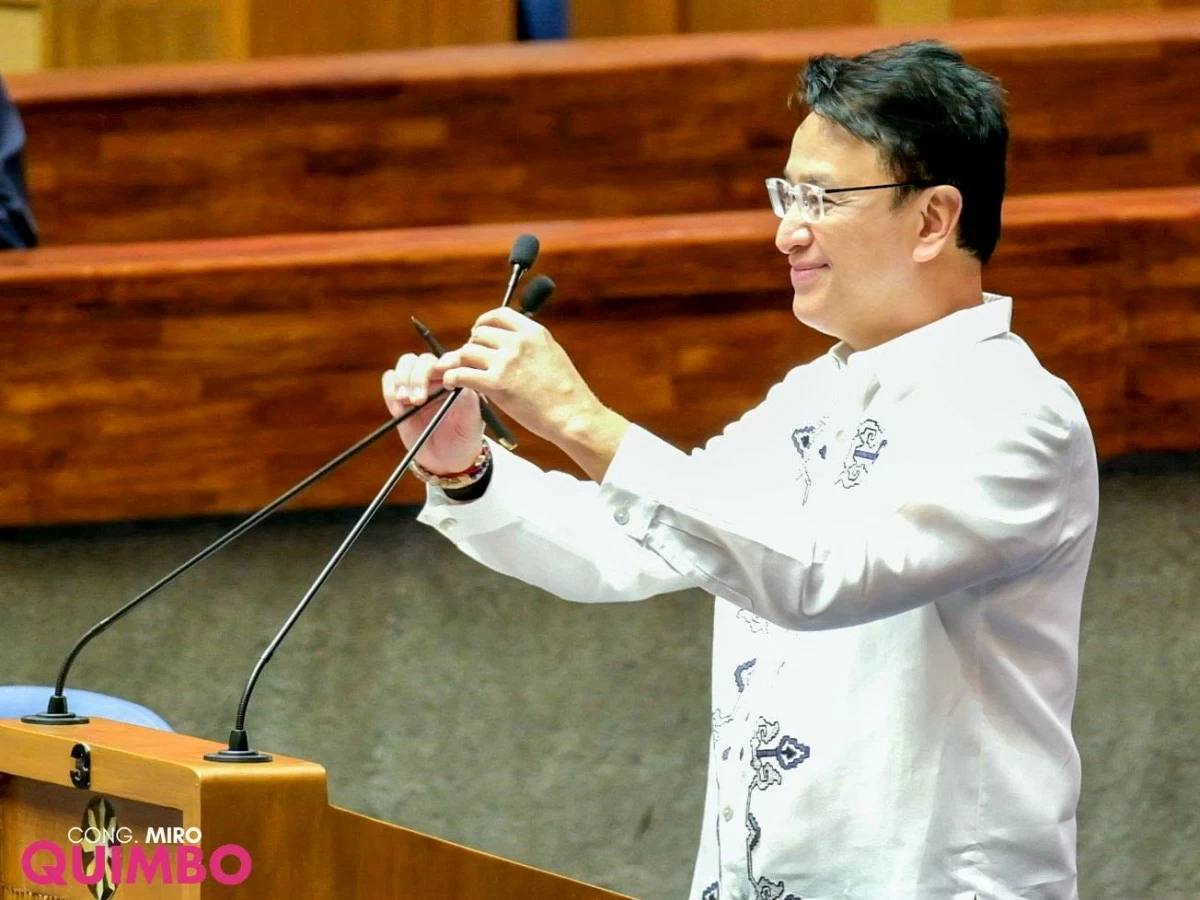
Marikina City 2nd district Rep. Miro Quimbo (Rep. Quimbo's office)
The House of Representatives has comfortably passed on third and final reading the proposed law seeking to extend the coverage and period of availment of the Estate Tax Amnesty Program.
Approved on the strength of 280 "yes" votes during House plenary session Tuesday, Dec. 16 was House Bill (HB) No. 6614.
Shepherding its final passage in the 300-plus strong legislative chamber was Marikina City 2nd district Rep. Miro Quimbo, chairman of the Committee on Ways and Means.
The proposed statute sought to give Filipino families a longer, simpler, and more affordable process to settle long-unpaid estate taxes and secure titles to inherited properties.
It expands the coverage to the estates of decedents who died on or before Dec. 31, 2024 and extends the filing period by four years or until Dec. 31, 2028. This will allow heirs, administrators, and beneficiaries to avail of the amnesty without penalties, surcharges, or interest, while paying significantly lower estate taxes.
The estate tax amnesty extension is included in the Legislative-Executive Development Advisory Council’s (LEDAC) priority measures under the Marcos administration.
In his sponsorship speech last week, Quimbo underscored that while the existing Estate Tax Amnesty has generated revenue amounting to ₱15.52 billion from 2019 to June 2025, its greater impact lies in helping 318,254 families resolve years-old estate issues.
He noted that HB No.6614 also sought to preserve all the existing immunities from civil, criminal, and administrative liabilities while allowing payment by instalment within two years, "with a reasonable downpayment of 25 percent as a minimum initial payment".
Quimbo said extending the amnesty allows the State to meet taxpayers with understanding and grace while they deal with a personal loss, especially those with compounded problems of financial hardship or long-standing family issues.
“Behind every estate is a grieving family. Hindi ito reward ng kapabayaan; ito ay pagbibigay ng pagkakataon. Pagkakataon para maayos ang legal na estado ng mga ari-arian, at para ang susunod na henerasyon ay magmana ng pag-asa, hindi ng problema.” Quimbo said.
(This is not a reward for neglect; it is the granting of an opportunity. An opportunity to settle the legal status of properties, and for the next generation to inherit hope, not problems.)
He added that the country still retains one of the most stringent estate tax systems in the region. This contributes to the difficulty many families face in complying.
The Marikina lawmaker also pointed out that collections from estate tax amnesty allows the government to raise funds to support government programs without having to impose new taxes.
“When allocated properly, earnings from estate tax amnesty alone could translate to more than 6,000 classrooms and 2,000 health centers across the country," noted Quimbo.