






Manila Bulletin
 Business
Trade & Industry
Philippine coconut exporters clinch $1.7-million sales in Japan
Business
Trade & Industry
Philippine coconut exporters clinch $1.7-million sales in Japan
Business
Trade & Industry
Philippine coconut exporters clinch $1.7-million sales in Japan
Philippine coconut exporters clinch $1.7-million sales in Japan
Published Dec 15, 2025 12:06 pm
|
Updated Dec 15, 2025 01:03 pm


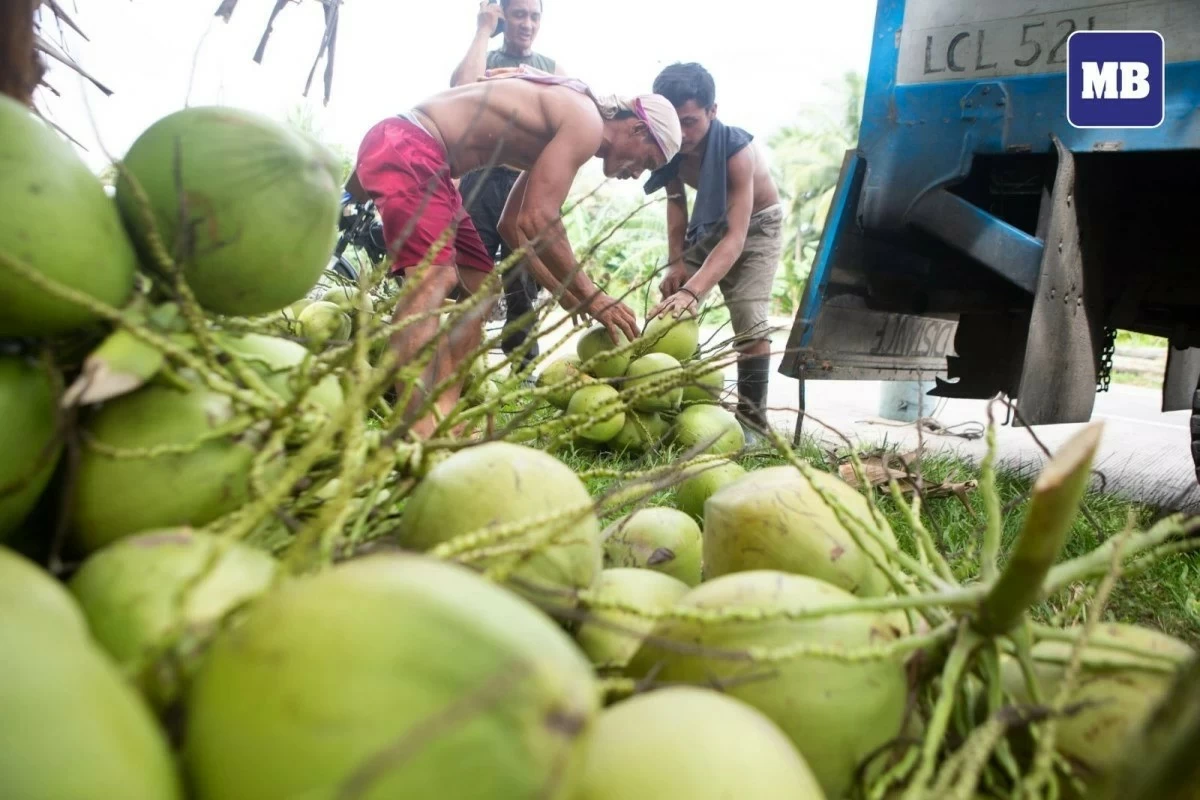
(Manila Bulletin file photo)
Local coconut exporters generated $1.72 million, or roughly ₱101.62 million, in export sales from the country’s participation in the World Food and Beverage Great Expo (FABEX) Kansai in Japan, the Department of Trade and Industry (DTI) said.
In a statement, the DTI said the export sales cover both actual orders and potential sales coming from prospective long-term supply deals with Japanese food and wellness retailers.
Organized by the Philippine Trade and Investment Center (PTIC)-Osaka and the DTI’s Export Marketing Bureau (EMB), the government brought together 25 local exporters to promote their coconut products at FABEX Kansai 2025.
The exporters showcased plant-based beverages, natural sweeteners, specialty oils, and other coconut-based ingredients suited to Japan’s preference for plant-based products.
As one of the largest trade shows in Japan, this year’s edition of FABEX Kansai featured around 600 enterprises and more than 30,000 visitors.
PTIC-Osaka Commercial Counsellor Michael Alfred Ignacio said securing export sales in the event reflects the capability of domestic exporters and Japan’s confidence in the country’s coconut sector.
“These results strengthen our long-term positioning in the Japanese market and open new opportunities for sustainable commercial growth,” said Ignacio.
Consul General Voltaire Mauricio said this also shows the readiness of micro, small, and medium enterprises (MSMEs) to serve international markets, which must be backed by strong government support.
“We are committed to further enhancing these partnerships to create lasting, mutually beneficial economic opportunities,” Mauricio said.
The DTI said the country’s participation in FABEX Kansai is aligned with the government’s efforts to build export resilience, strengthen MSMEs, and secure higher value for agricultural products.
This is also in line with the Coconut Farmers and Industry Development Plan (CFIDP) 2024-2028, which aims to push coconut farmers and MSMEs into strategic export markets.
Under the CFIDP, the government also outlines a wide range of services, including free training, insurance, access to credit, scholarships, hybrid seed distribution, and a health and medical assistance program.
The United Coconut Association of the Philippines (UCAP) earlier estimated that the country’s coconut exports could increase by as much as 15 percent to $3 billion from this year’s estimate of around $2.6 billion in export revenues.
UCAP is banking on higher coconut production to meet strong demand and on the United States' exemption from the 19 percent reciprocal tariffs to lift revenues in the coming year.