






Manila Bulletin
 Philippines
National
JV Ejercito: Lodge MAIFIP funds directly to PhilHealth, hospitals implementing zero balance billing
Philippines
National
JV Ejercito: Lodge MAIFIP funds directly to PhilHealth, hospitals implementing zero balance billing
Philippines
National
JV Ejercito: Lodge MAIFIP funds directly to PhilHealth, hospitals implementing zero balance billing
JV Ejercito: Lodge MAIFIP funds directly to PhilHealth, hospitals implementing zero balance billing
Published Dec 15, 2025 08:58 am


At A Glance
- Sen. Joseph Victor "JV" Ejercito urged his colleagues, especially senators, "to be firm in our stance: in times of need, help should be within reach and automatic, and not at the direction of politicians."
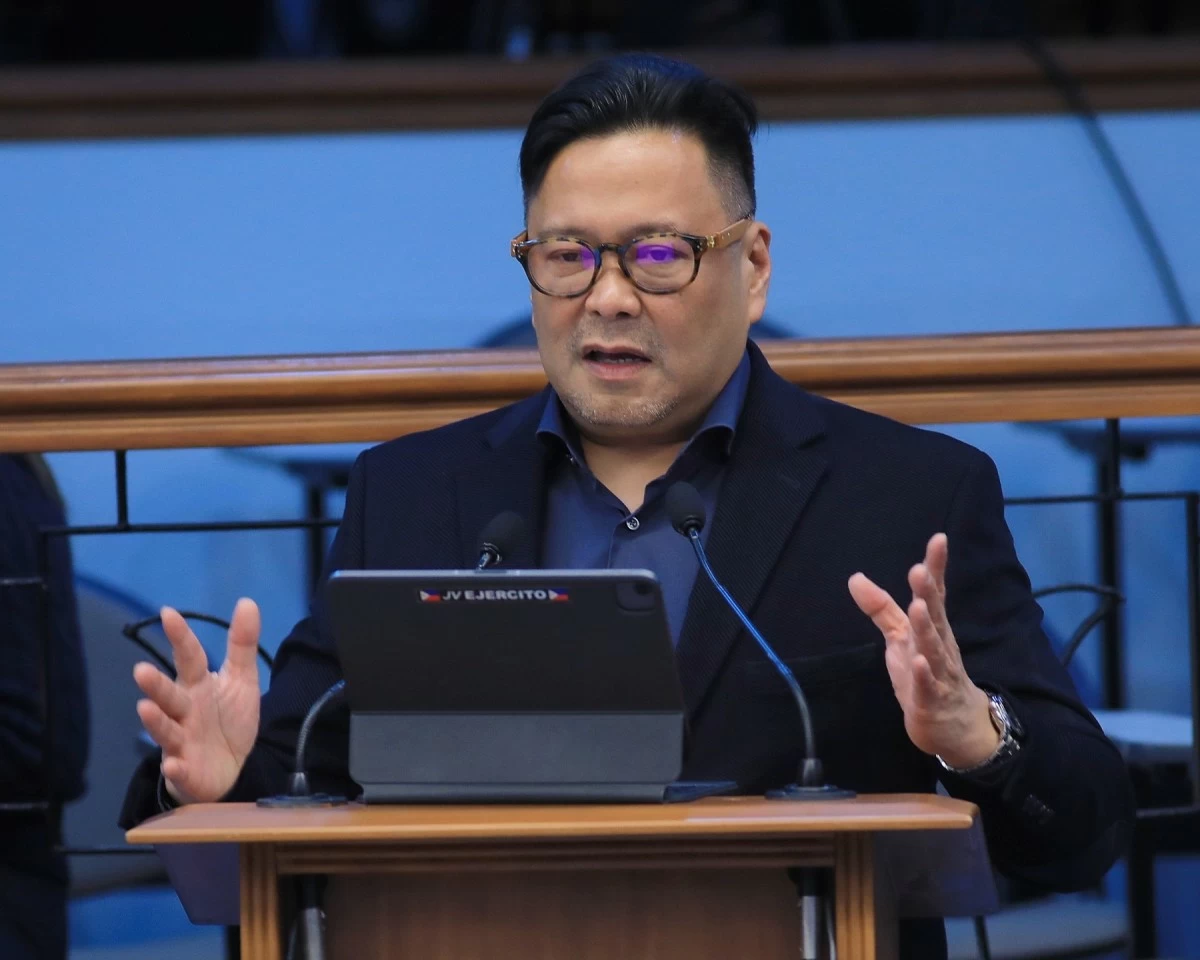
Ejercito, who couldn’t attend the bicameral conference committee as a conferee since he is still in hospital recovering from illness, wrote a manifestation submitted to the panel expressing his concern regarding the approval of the budget allocation for Medical Assistance to Indigent and Financially Incapacitated Patients or MAIFIP.
The senator warned that the sudden sharp increase in the MAIFIP funds—from P24.23-billion in the National Expenditure Program (NEP) to P51.6-billion in the bicameral version—might be “interpreted as politically mediated access to healthcare.”
“This runs counter to the goal of strengthening systematic, universal coverage under the Universal Health Care Act,” Ejercito said.
“It risks trading higher PhilHealth participation in hospital bills, lower out-of-pocket expenses, and even the dignity of patients for political patronage,” he stressed.
Ejercito said Congress should consider lodging the P51.6-billion funds directly to PhilHealth or to government hospitals.
He said health funds should directly be poured into the health system, hospitals and patients as ordinary Filipinos should not be begging for health services.
“Since we are willing to allocate a higher budget for health, I recommend to lodge it directly to PhilHealth as the first payor of healthcare expenses or even directly to hospitals implementing zero balance billing,” the lawmaker stressed.
“My colleagues, let us weigh our choices carefully. The UHC Act is already a game-changer in our health system, but its success depends on where we put our money and what we choose to prioritize,” he said.
“’Let us put our money where our mouth is’, as they say,” he reiterated.
Ejercito urged his colleagues, especially senators, “to be firm in our stance: in times of need, help should be within reach and automatic, and not at the direction of politicians.”
“If our goal is to ensure proper medical assistance to the poor and to those just one illness away from poverty, we must seriously reconsider the massive increase in MAIFIP,” he said.