






Manila Bulletin
 Business
Trade & Industry
Garment industry to hit $1-billion export mark, defying US tariff pressure
Business
Trade & Industry
Garment industry to hit $1-billion export mark, defying US tariff pressure
Business
Trade & Industry
Garment industry to hit $1-billion export mark, defying US tariff pressure
Garment industry to hit $1-billion export mark, defying US tariff pressure
Published Dec 15, 2025 12:00 am
|
Updated Dec 13, 2025 02:46 pm


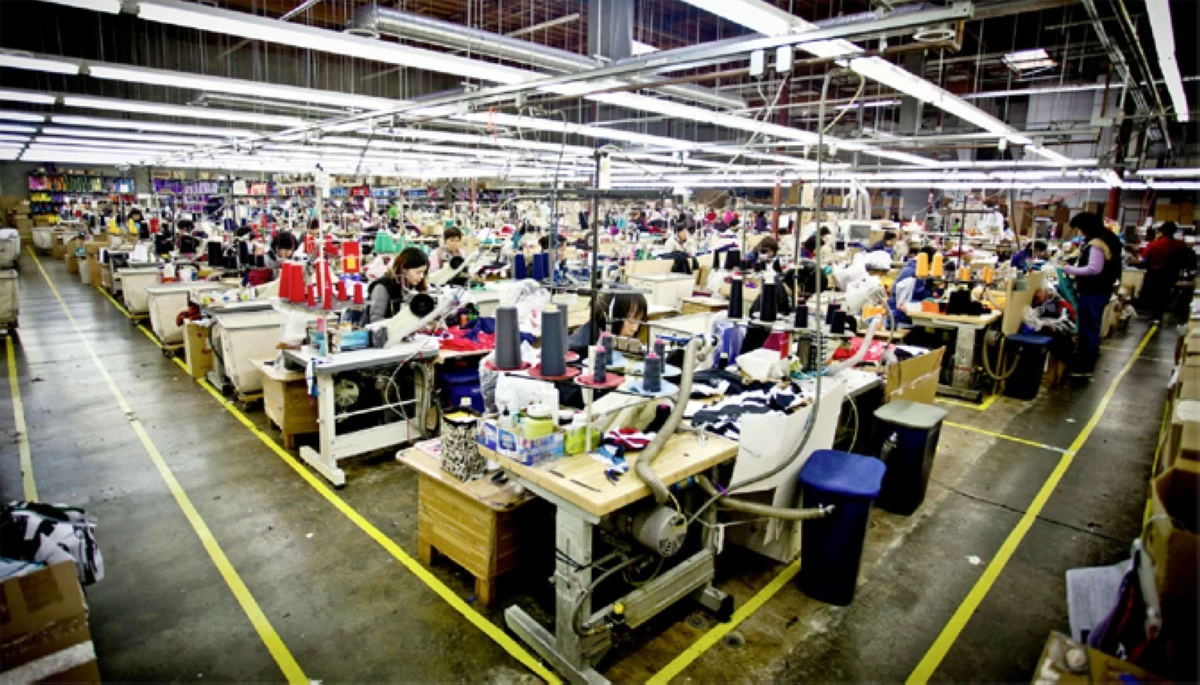
The country’s garment exports are expected to reach $1 billion this year as the industry remained resilient despite the imposition of reciprocal tariffs by the United States (US), according to the Foreign Buyers Association of the Philippines (FOBAP).
FOBAP President Robert Young said garment exports are poised to grow by 11 percent this year to $1 billion from around $900 million last year, mainly due to advance deliveries.
Young said the year was “surprisingly good” for the local garment industry, as buyers abroad opted to frontload imports to cushion the impact of the US tariffs.
Shipments from the Philippines to the US have been subject to a 19-percent reciprocal tariff since August.
In recent months, the local export industry has secured tariff exemptions, the latest of which applied to several agricultural products.
Based on the latest industry estimate, 46 percent of the country’s exports to the US are now tariff-free.
Young said he expects the government to secure more exemptions and, potentially, even a reduction in the 19-percent tariff in the coming year, similar to the deals neighboring countries in the region secured with the US.
“Hopefully, we can also have that kind of treatment and if that will happen, that will be the best thing for us,” he said in a statement.
Building on this optimism, FOBAP is projecting garment exports next year to increase by two to five percent from this year’s target of $1 billion.
Given the uncertainties in global trade and the unpredictability of US policies, Young said industry players continue to look to other markets, such as Canada, Australia, the European Union (EU), and the Association of Southeast Asian Nations (ASEAN).
He added that they are also banking on wider market access next year through free trade agreements (FTAs), with at least three expected to come into force, according to the government.
Young said the group is likewise seeking the government’s assistance to make local products more competitive with imports, including subsidies to address rising power and labor costs.
Through these efforts, he is upbeat about the garment industry's prospects of once again reaching $5 billion in export revenue over the next two to four years.
During the 1990s, the country was among the largest exporters of garments, but it has since experienced a steep decline due to weak competitiveness, sluggish demand, and higher business costs, among other factors.