






Manila Bulletin
 Business
Trade & Industry
DA aims to convert short-term harvest jobs into stable employment
Business
Trade & Industry
DA aims to convert short-term harvest jobs into stable employment
Business
Trade & Industry
DA aims to convert short-term harvest jobs into stable employment
DA aims to convert short-term harvest jobs into stable employment
Published Dec 15, 2025 02:45 pm


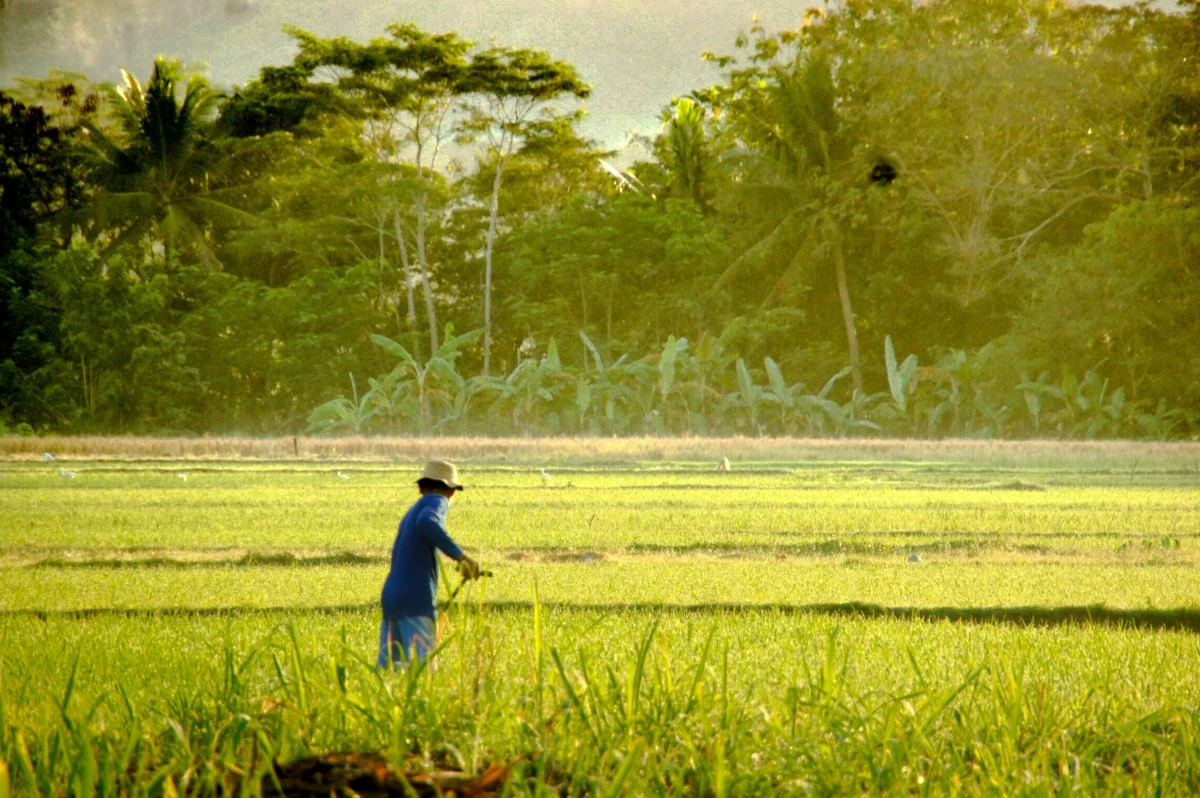
(Unsplash)
The Department of Agriculture (DA) is pushing for long-term reforms to end the seasonality of job opportunities in the agriculture sector, a move seen as strengthening its contributions to the economy.
Agriculture Secretary Francisco Tiu Laurel said the agriculture sector is a crucial engine of employment in the country. Still, he noted that many of the jobs it generates come and go with the seasons.
“Agriculture can create jobs quickly, but the responsibility of the Department of Agriculture is to ensure those jobs become lasting and stable,” said Tiu Laurel.
Data from the Philippine Statistics Authority (PSA) showed that the agriculture sector employed 10.44 million Filipinos in October, accounting for 21.5 percent of the country’s total workforce of 48.62 million.
Compared to July, agricultural jobs increased by 1.85 million, the largest gain among all major sectors, reflecting the surge in labor demand during the harvest period for many crops.
Tiu Laurel said this highlights the urgent need to convert these short-term gains into long-term employment that benefits millions of Filipinos.
Around 88 percent of workers in the agriculture sector are in farming and forestry, while nearly 12 percent are in fishing and aquaculture.
“If the Department of Agriculture can create more permanent jobs by building the right infrastructure…then we will not only uplift the lives of those who till our lands and fish our seas,” said Tiu Laurel.
The secretary said his agency is moving forward with plans to build food hubs, cold-storage facilities, agricultural ports, and food-processing complexes to create long-term jobs.
He said these projects, alongside other reforms, will further position agriculture as “a far stronger contributor to the broader economy.”
The DA earlier announced plans of hiring around 23,000 agriculturists once the proposed legislative measure returning agricultural extension workers to the department is approved.
It is also expected to hire thousands of veterinarians following the recently enacted Animal Industry Development and Competitiveness Act, which aims to modernize the livestock, poultry, and dairy sectors.
Tiu Laurel told reporters that he had already begun coordinating with the Commission on Higher Education (CHED) about this new workforce requirement.
“So our request is to return the course of agriculturists to the curriculum of the state universities,” he said, noting that CHED’s response was “very positive.”
Tiu Laurel added that his agency is in talks with the Department of Budget and Management (DBM) to make agriculture workers’ salaries more attractive and entice more people to join the sector.
“The President is usually very supportive of agriculture. I'm sure that we will find something that will attract our students or other agriculturists,” he said.