







A growing Islamic banking sector
Published Dec 15, 2025 12:05 am
|
Updated Dec 14, 2025 03:52 pm


FROM THE MARGINS
The Islamic banking landscape in the Philippines is quietly but steadily transforming. What was once a niche financial segment confined to a single institution is now entering a period of meaningful expansion — driven by regulatory reforms, growing investor confidence, and deepening demand from Muslim communities, particularly in the Bangsamoro Autonomous Region in Muslim Mindanao (BARMM). The Al-Amanah Islamic Investment Bank of the Philippines (Amanah), a subsidiary of the Development Bank of the Philippines, is the first and only Islamic Bank in the country. Now, there are also conventional banks offering Islamic Banking branches or windows, like Maybank Philippines and CARD Bank, a microfinance-oriented rural bank.
A few weeks ago, I witnessed this momentum first-hand when I joined CARD Bank for the launch of its second Islamic/Shari’ah Banking Branch in Marawi City. The event brought together an inspiring mix of leaders championing inclusive finance in the Bangsamoro: Bangko Sentral ng Pilipinas (BSP) Senior Assistant Governor Arifa Ala, Bangsamoro Board of Investments (BBOI) Chairperson Mohamad Omar Pasigan, BBOI Board Governor Datu Habib Ambolodto, CARD Bank President Marivic Austria, CARD MRI Managing Director Aristeo Dequito, and representatives from the Marawi City local government unit (LGU). Delegates from the BSP, microfinance institutions (MFIs), and other LGUs also joined the celebration.
Also present were CARD Bank’s Shari’ah/Islamic Advisory Group -- Dean Hussein Lidasan, Dr. Jawad Salic, Indonesia’s Ibu Rini Supri Hartanti, and Dr. Anwar Radiamoda,– who ensure the bank’s compliance with Shari’ah principles and alignment with Muslim values, culture, and ethical standards.
Islamic banking gains traction in BARMM and beyond
BSP actively promotes Islamic banking for financial inclusion, especially in unbanked areas in Mindanao. The Marawi branch is CARD Bank’s second Islamic Branch (IB) in Bangsamoro, following the establishment of its pioneering branch in Cotabato City in 2024. The BBOI itself hailed CARD Bank’s opening of Islamic banking branches as a major step in widening access to financial services in the region.
IBs offer:
• Wadiah savings (safe-keeping deposits)
• Murabahah, Musharakah, and Mudarabah financing for micro-enterprises and agriculture
• Ijarah or leasing products, including vehicle and equipment leasing
These features respond to long-standing aspirations of Muslim communities for financial services that honor their faith. In regions marked by decades of conflict and chronic underinvestment, Islamic banking provides not only economic tools but also a sense of dignity, trust, and cultural affirmation.
For many families, Shari’ah-compliant savings, financing, and microinsurance offer pathways to rebuild livelihoods, expand small businesses, and strengthen resilience to shocks. As Islamic banking grows, it becomes a critical component of broader financial inclusion efforts — making sure that no Filipino is left behind due to religious barriers.
Increasing investor confidence
Momentum is building. In October 2025, the BBOI approved the registration of a “Filipino-owned Islamic banking operation” for CARD Bank in Marawi City, forming part of BARMM’s record-breaking ₱5 billion in new investments for the year. This approval reflects the region’s strengthening economic prospects and the rising confidence of investors in the Islamic finance sector.
I earnestly hope that more IBs can be opened across BARMM and in Muslim communities outside the region. Expanding Islamic banking means:
• Greater access to trusted savings;
• Ethical financing for small businesses and agriculture;
• Interest-free leasing for vehicles and equipment; and
• Financial choices that respect faith and tradition.
Every new Islamic banking branch is a step toward deeper inclusion and shared prosperity.
Marawi’s story: Rebuilding lives with culturally aligned finance
After the launch, I visited Ground Zero in Marawi City. Though many structures remain abandoned — silent markers of the devastating 2017 siege — signs of renewal are slowly emerging: new buildings rising, repaired homes, and newly paved roads. Families are returning, rebuilding, and restarting their micro-enterprises.
Inspired by this progress, both Chairperson Pasigan and Assistant Governor Arifa encouraged CARD Bank and other financial institutions to explore opening Islamic banking services within Ground Zero itself. Access to Shari’ah-compliant finance in the heart of Marawi’s reconstruction zone could accelerate economic revival and support displaced families rebuilding from scratch.
A more vibrant financial ecosystem for Bangsamoro
Today, Marawi is served by the Land Bank of the Philippines, Philippine National Bank, Amanah Bank, several MFIs, and NGOs supporting recovery and development. CARD Bank’s Islamic banking branch adds another trusted partner — one committed to empowering Muslim families and helping small businesses thrive in the area.
The launch of CARD Bank’s second IB is more than an institutional achievement. It is part of a broader movement for a more inclusive and culturally-grounded financial ecosystem in the Philippines. As Islamic banking expands nationwide, it promises not only economic opportunity but also deeper respect for the diverse traditions, beliefs, and aspirations of Filipino communities. With each new branch and pioneering initiative, the country moves closer to a financial system where everyone — regardless of faith — has access to meaningful, dignified, and empowering financial choices.
* * *
“Islamic finance stands not as an alternative, but as an answer.” – Muhammad Al Jasser
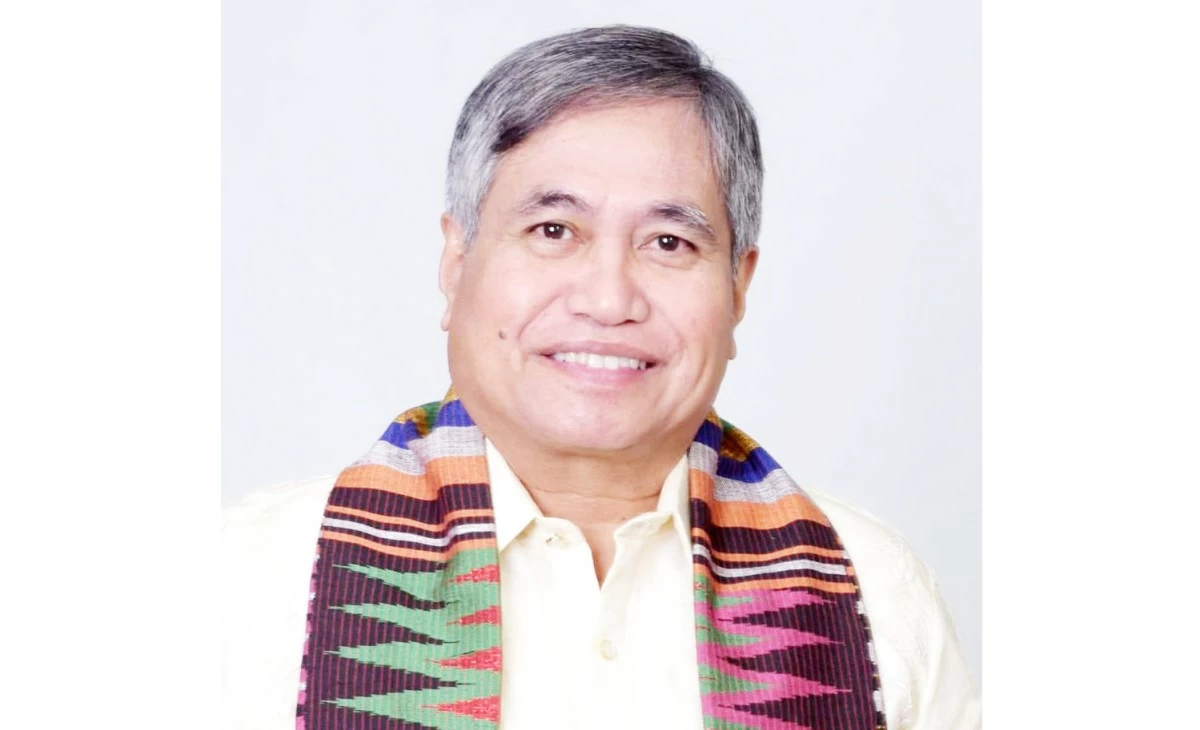
(Dr. Jaime Aristotle B. Alip is a poverty eradication advocate. He is the founder of the Center for Agriculture and Rural Development Mutually-Reinforcing Institutions (CARD MRI), a group of 23 organizations that provide social development services to eight million economically-disadvantaged Filipinos and insure more than 27 million nationwide.)