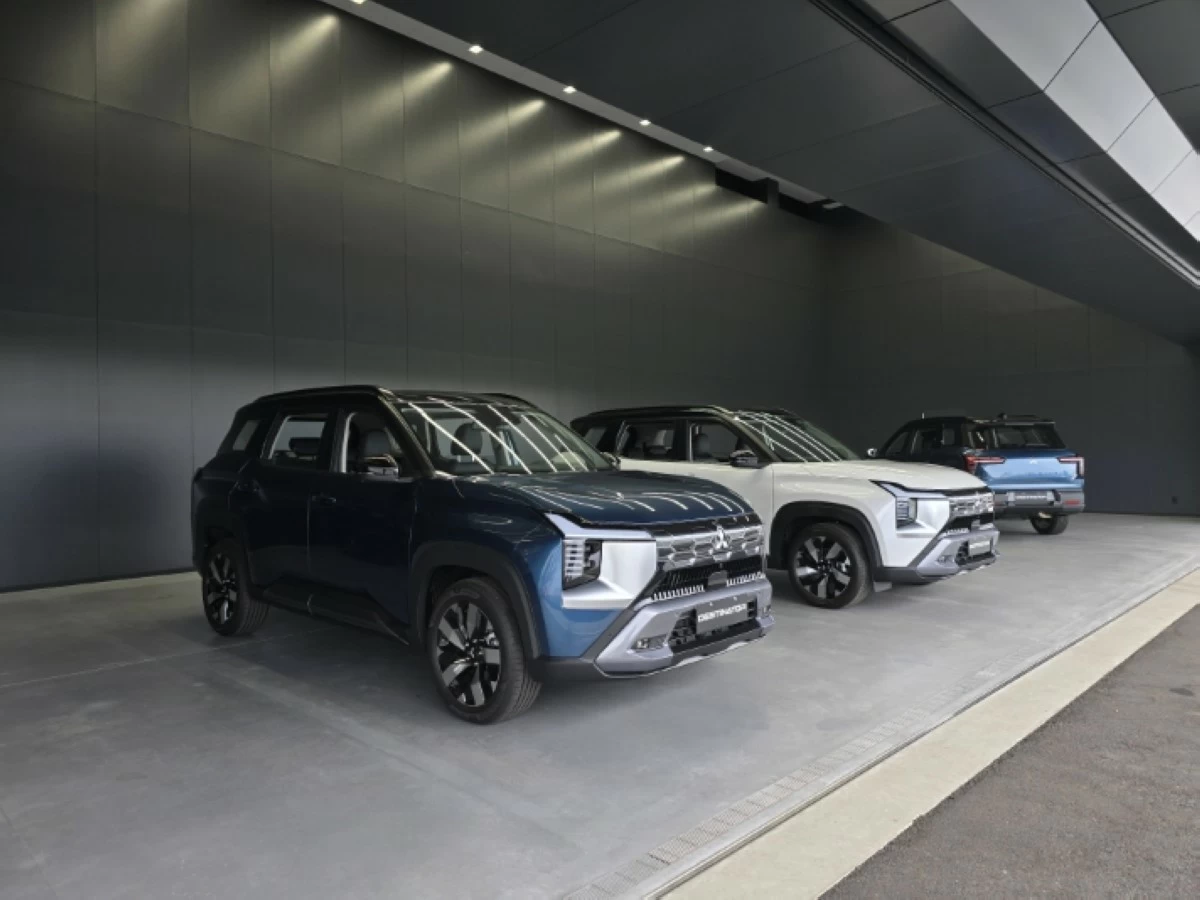
Mitsubishi Destinator tested hard, performs harder
Our in-depth drive of the newest 7-seater SUV
Published Dec 14, 2025 11:41 pm


At A Glance
- Early first drive in Japan shows the Destinator's engineering depth across wet, dry, gravel, mud, and high-speed courses.
- New 2nd-gen 4B40 turbo engine and watercooled intercooler improve response and real-world performance.
- Drive modes and chassis tuning demonstrate capability beyond typical Philippine road conditions.
- Designed for ASEAN with flood-ready features, reinforced suspension, and strong dynamic stability.
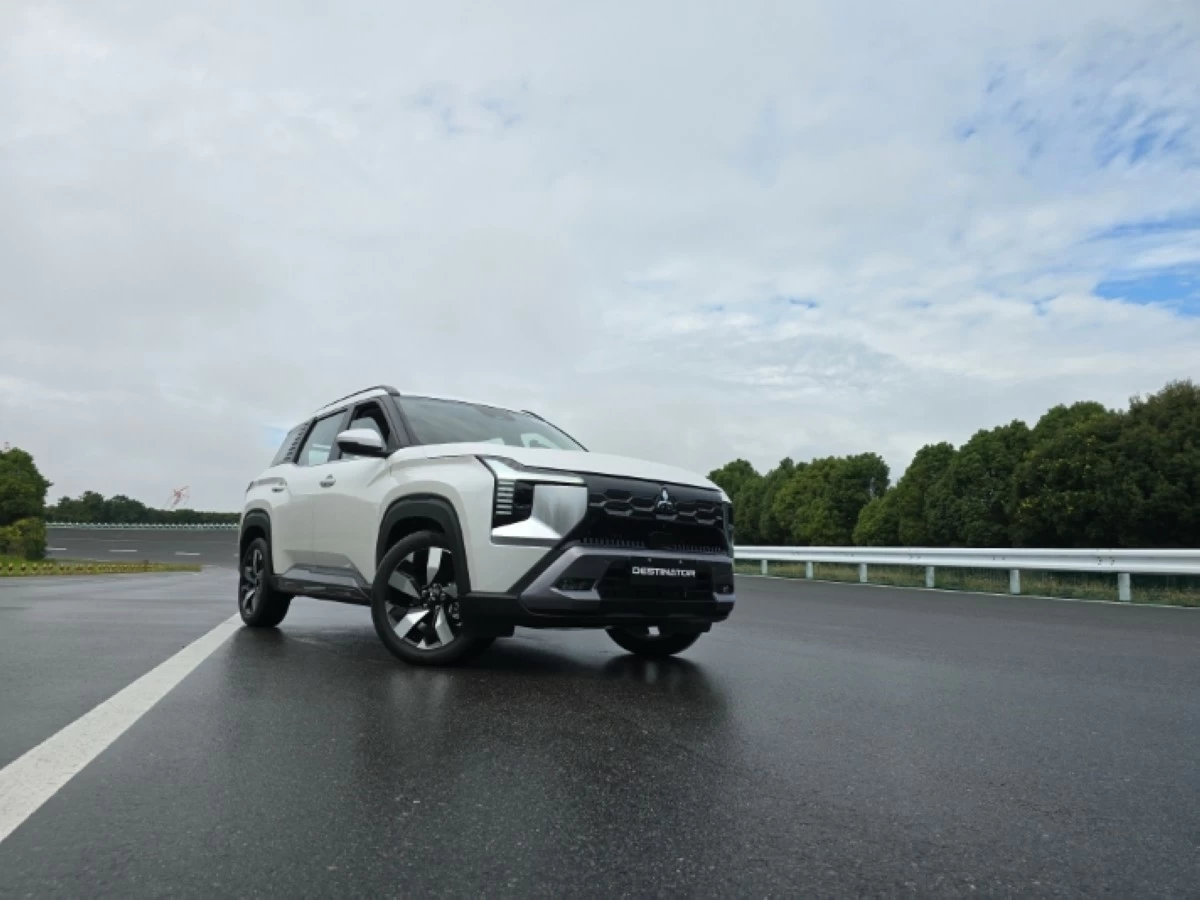
When Mitsubishi brought us to Japan for an early look at the Destinator, it provided the Philippine motoring media a rare chance to have a hands-on experience with their brand new SUV way ahead of its official Philippine launch. It was damp and drizzling when we arrived at Mitsubishi's Okazaki Proving Grounds in Aichi Prefecture, but it was the perfect weather for the engineers to fully demonstrate the amount of performance engineered into the vehicle.
Design
The Destinator reflects Mitsubishi’s evolving Kaku Tan Jun design philosophy, which focuses on geometric clarity and a stronger sense of gravitas and dynamism. The vehicle carries a clean two-box profile with short overhangs and a raised beltline. The Dynamic Shield face has been refined into a simpler, more technical presentation, supported by a lighting setup that emphasizes width. The rest of the exterior design follows clean surfacing that clearly communicates the vehicle’s mass and upright stance.
Rally-bred power
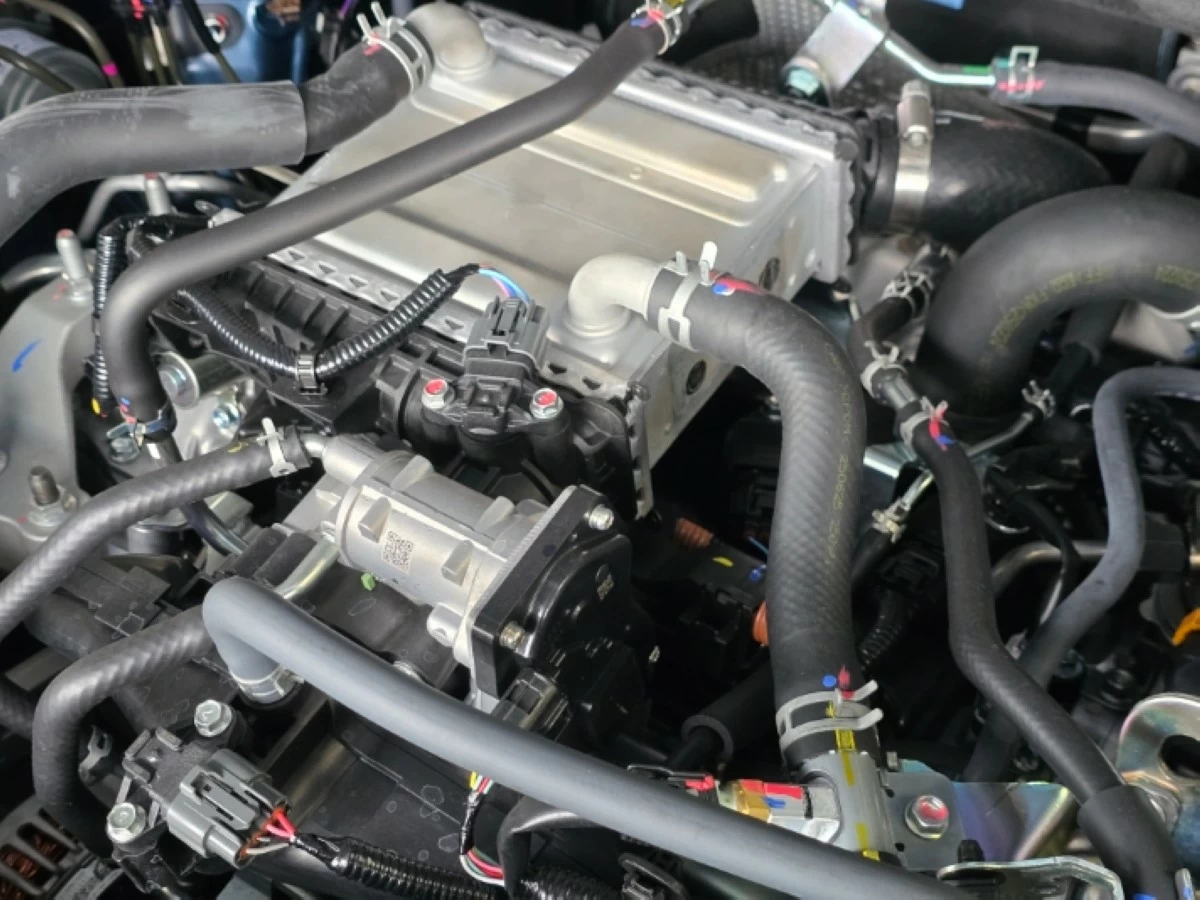
Beyond the mature and impressive design, the one thing that I found most interesting is the engine. This is only Mitsubishi's third turbocharged gasoline engine offering for the Philippine market, after the limited runs of the 1990’s Evolution V RS and the 2010 Lancer EX Ralliart. The Destinator’s 2nd-generation 4B40 1.5-liter turbocharged engine pushes 163 PS and is similar to the engine available on the Eclipse Cross (which we didn't get). However, a new top-mount watercooled intercooler reduces the turbocharger intake capacity from the previous 9.4 liters to just 2.7 liters. This shortens air travel, improves response, reduces lag, and maintains intake temperatures at around thirty degrees. The Destinator also uses a different CVT from the X-Force, which helps it handle the increased power and torque better.
Rigorous testing
To demonstrate what the hardware and software could do, Mitsubishi opened several parts of the proving grounds normally reserved for internal development. These are tests in conditions most buyers will likely encounter in the Philippines, but we were allowed to drive well beyond the limits of typical road use.
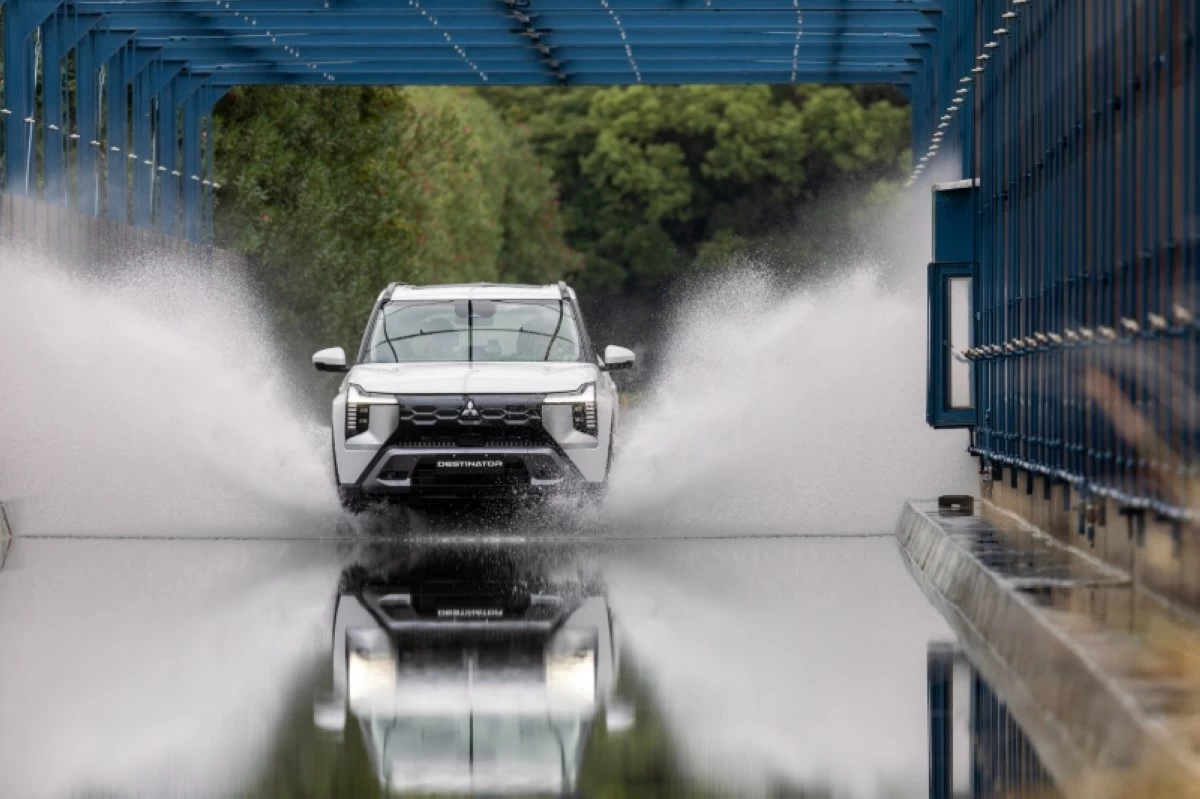
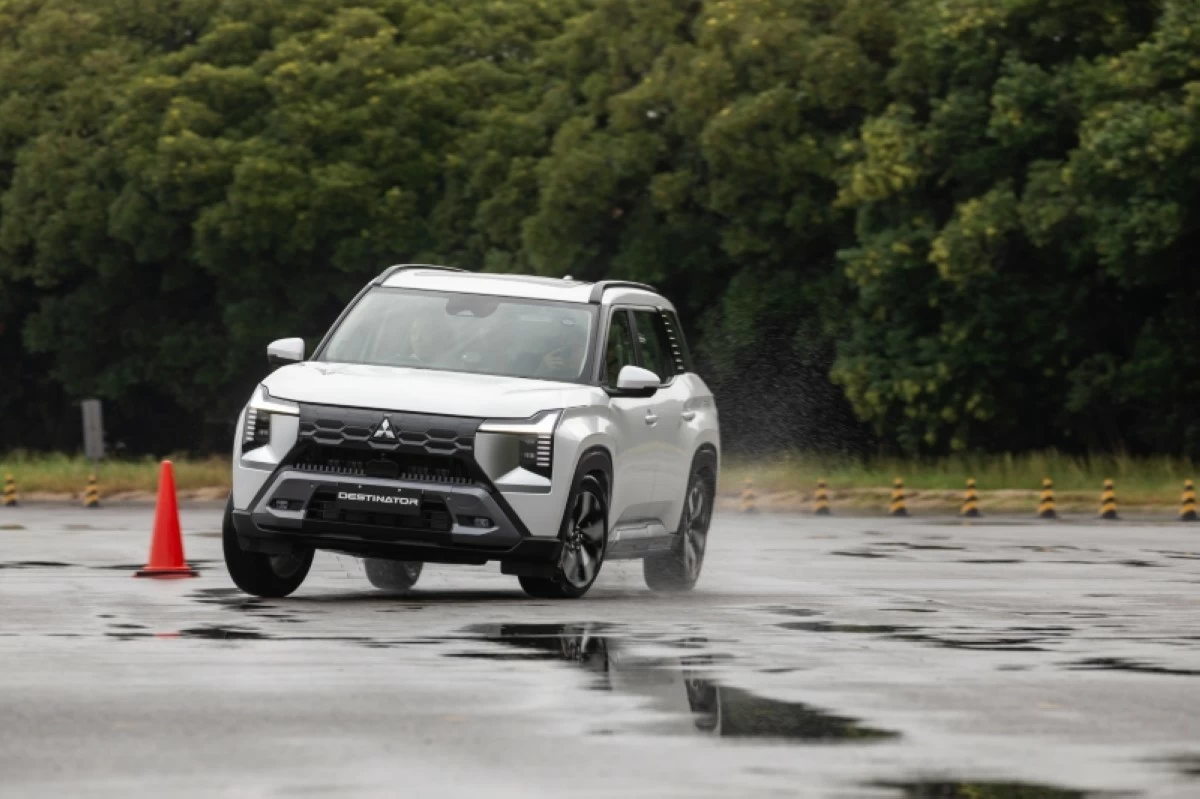
The wet tarmac test section began with a slalom leading into a compact roundabout that we were tasked to enter at 50 km/h in both Normal and Wet modes. In Normal mode, the car resisted tighter rotation at speed, but Wet mode allowed noticeably sharper turn-in and better throttle application without washing out into understeer. The course also included a controlled flood-fording run that showed how the front bumper prevents water from splashing onto the windshield, preserving forward visibility through deeper puddles.
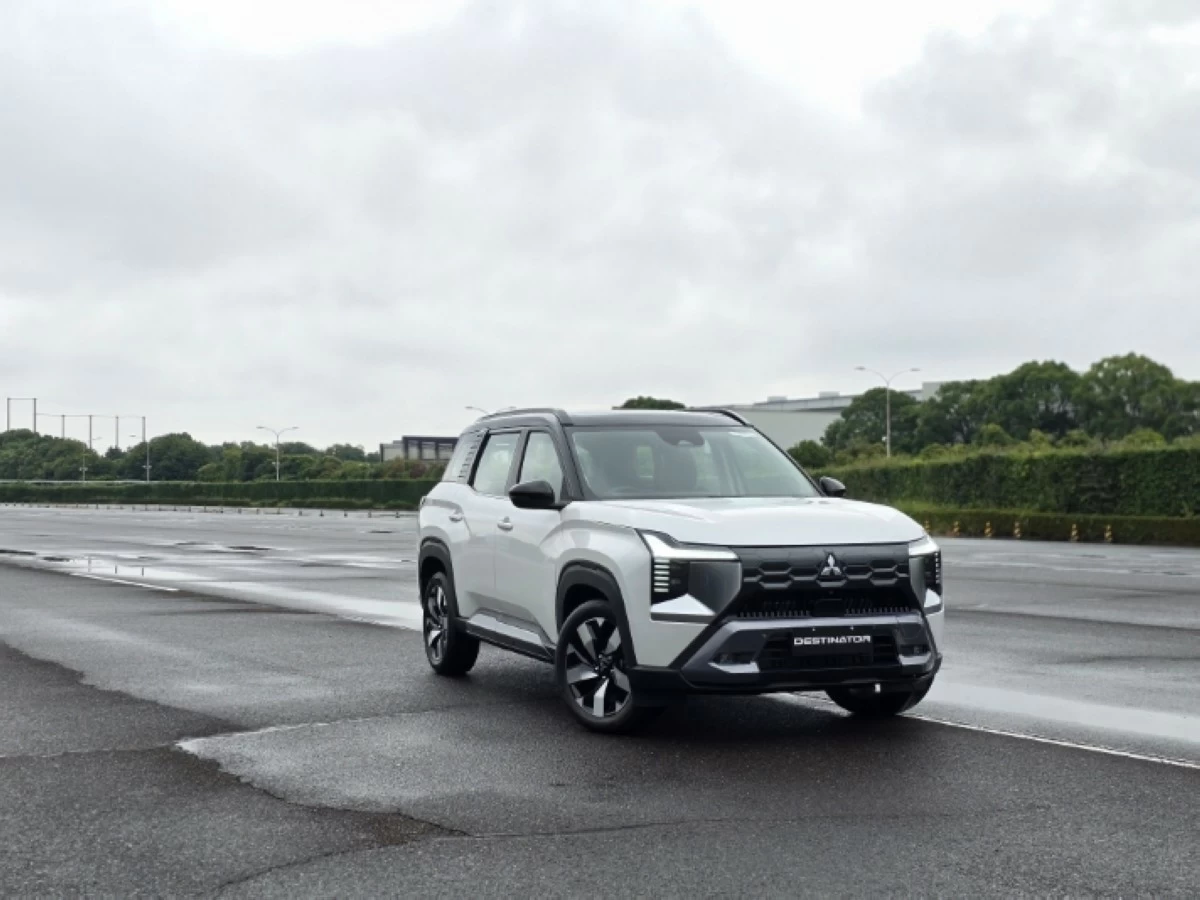
The damp tarmac test course focused on lateral and longitudinal body movement. Quick transitions showed how the chassis managed roll while straight-line acceleration and high-speed braking highlighted weight transfer through the platform. The runs were performed in Normal and Tarmac modes. The bridge section, followed by a fast downhill right and a tight left hairpin, revealed how quickly the body settled despite the vehicle’s high center of gravity. In Tarmac mode, the drivetrain felt more responsive, with better traction on corner exit.
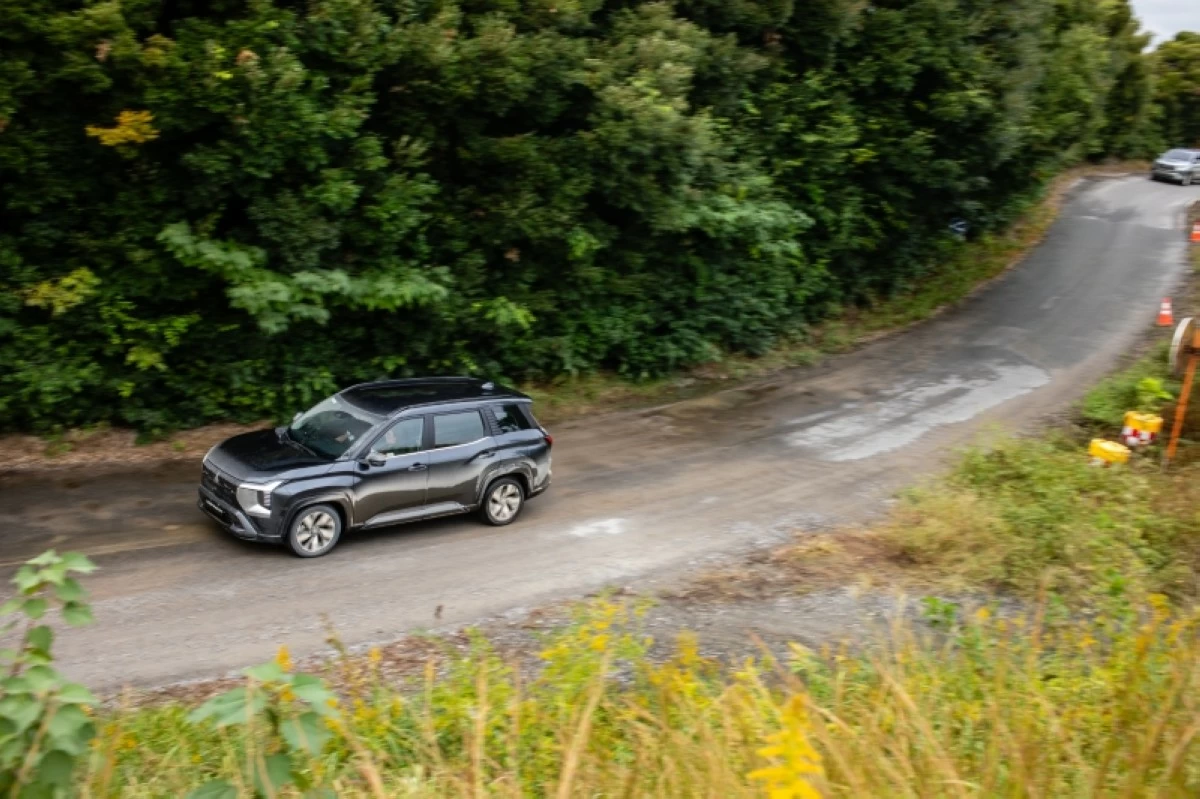
The cross-country test course introduced rougher conditions at higher speeds. The surface mixed wet broken asphalt, potholes, and loose gravel, taken through a fast S-bend at roughly 70 to 80 km/h. In Normal mode, the car required careful throttle modulation and clean weight transfer to maintain stability. Switching to Gravel mode transformed the behavior, giving more grip, quicker corrections, and steadier tracking even as grip levels shifted mid-corner. These tests stressed the traction systems far beyond anything encountered on public roads, yet the Destinator remained disciplined.


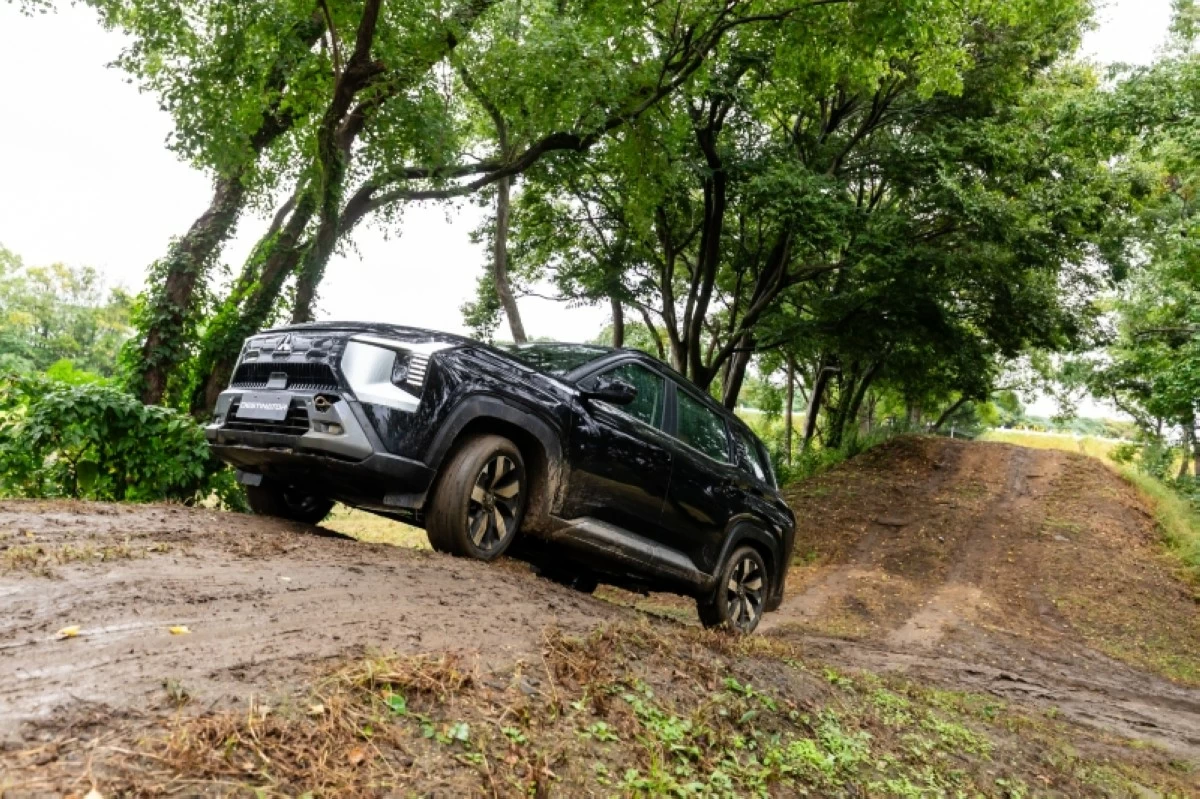
Engineers then moved us to a mud test course built with grass, soft soil, and a slippery hill climb. Mud mode managed wheel speed with accuracy, keeping the crossover composed as it climbed the incline with even torque delivery, and even at a side banking of 25 degrees. The vehicle never felt overwhelmed, which demonstrated how much off-pavement capability is available to owners who may only occasionally encounter muddy and slippery terrain.
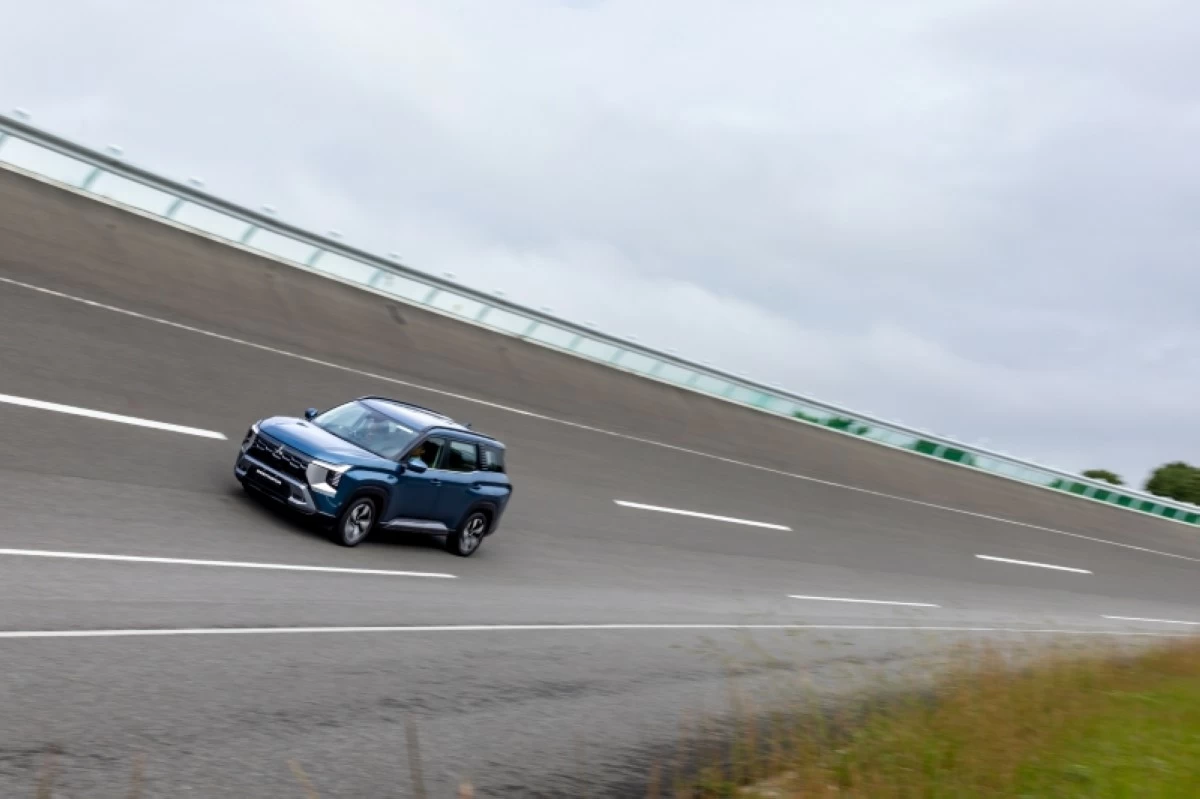
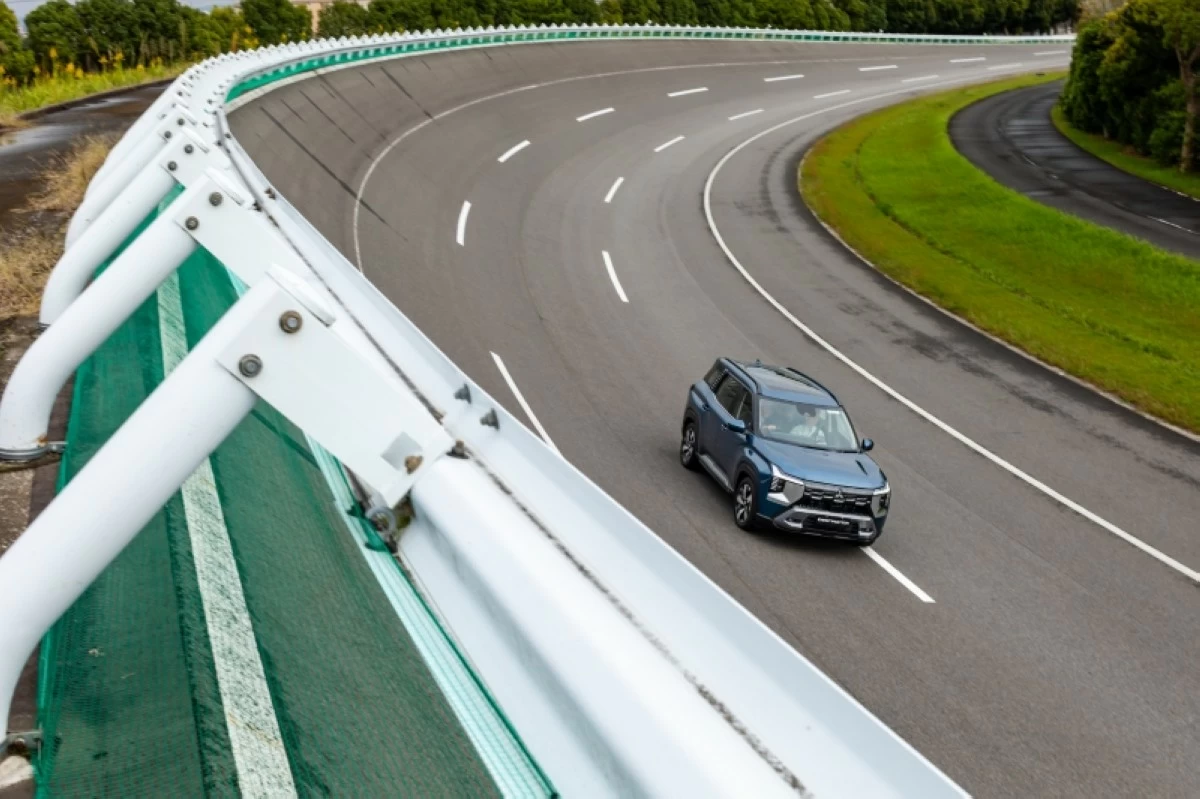
The final dynamic test was conducted on the banked, high-speed oval. Here, the Destinator was brought up to roughly 160 km/h to assess its stability at speed. The banked oval allowed sustained high-velocity running without wind funnels or uneven camber. The vehicle maintained a steady attitude through the banking, even as I inadvertently hit them at around 170 km/h. The platform’s rigidity, aerodynamic balance, and good NVH allowed it to track cleanly with confidence.
Across all five tests, what stood out was the Destinator’s capacity to withstand conditions that stretch well beyond its intended daily role. Most buyers will never encounter these conditions, but it is good to know that the vehicle is more than capable should the need arise.
Engineered for ASEAN
Masahiro Tamura from Mitsubishi’s Product Appeal Evaluation Department, lead engineer for the Destinator project, said the vehicle was engineered specifically for ASEAN markets. The multiport injection (MPI) plus direct injection (DI) turbo engine was calibrated for regional fuel quality. Mitsubishi prioritized drivability rather than peak output, which is why the CVT was selected for its efficiency and suitability to ASEAN driving conditions. To further aid fuel efficiency, an engine under cover was added for better aerodynamics. A flood countermeasure air duct placed 891 mm high and a front bumper designed to splash away from the windshield improve the vehicle’s flood-fording capability. Tamura added that the suspension was tuned for Philippine and ASEAN road conditions, using larger shock absorbers similar to those of the Montero Sport and delivering 214 mm of ground clearance.
Overqualified for the consumer
My initial impressions mainly center on the dynamics of the vehicle. This is the first time that Mitsubishi is giving us good, usable power in the form of the second-gen 4B40 turbo, and it is mated to one of the most engaging CVTs I have tested in a while. Coupled with the high-tech logic of the drive modes, the 163-PS of power is managed impressively. As a note, Masahiro Tamura is one of three original Mitsubishi engineers who worked on the development of the Lancer Evolution line. His work on the X-Force and Destinator's drive modes comes from decades of understanding how a car can best utilize its power and traction across multiple surfaces and conditions through their proprietary Active Yaw Control (AYC) and Active Stability Control (ASC).
The day at Okazaki made clear that this is more than a regional product filling a gap in Mitsubishi’s lineup. It represents a return to engineering discipline shaped by real-world conditions in the ASEAN market, with hardware and engineering work designed to cope with the extremes our roads routinely present. The tests exceeded what most owners will ever attempt, yet the vehicle met every challenge with composure. Built with Mitsubishi's rally engineering pedigree, the Destinator is positioned to offer buyers a 7-seater SUV that feels secure, responsive, and genuinely prepared for the demands of everyday use.