







Finding the Christmas spirit — even in holiday traffic
Published Dec 14, 2025 12:05 am
|
Updated Dec 13, 2025 04:33 pm


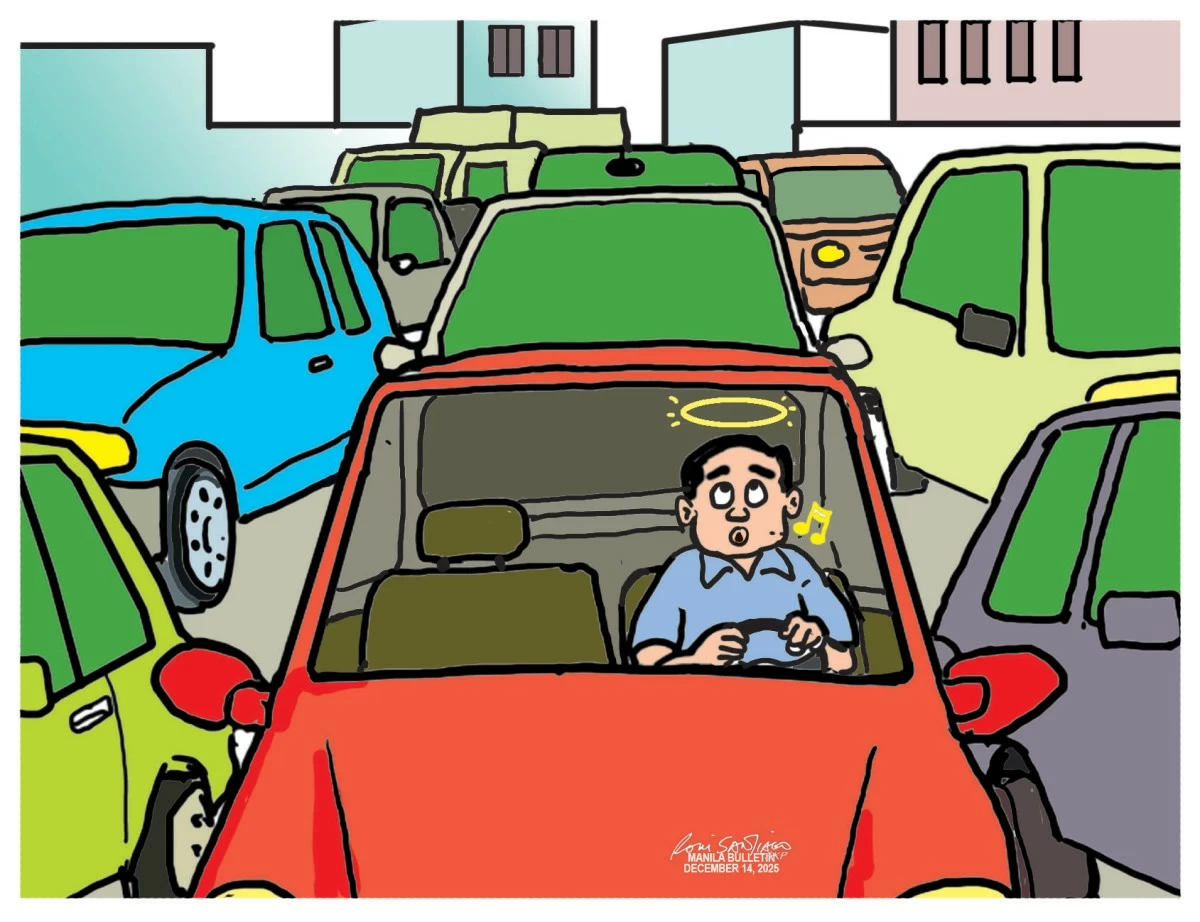
Every December, Metro Manila gears up for the familiar holiday rush: fuller roads, slower drives, and the chorus of horns echoing the season’s peak energy. Holiday traffic may test our patience, but this time of year also reminds us of what makes Christmas uniquely Filipino—our ability to bring warmth, cheer, and generosity into even the most challenging situations.
Yes, the congestion is predictable. Year after year, we brace for it, and year after year, it seems to grow tougher. Payday weekends merge with bonus season, malls brim with shoppers, and deliveries multiply by the hour. None of this comes as a surprise. And yet, our traffic responses still feel reactive—quick fixes rolled out like holiday decorations, just in time for the rush but never lasting long enough to create real change.
The truth is simple: holiday traffic is not tradition; it is the result of structural issues that have long needed attention. Our road network has not grown in proportion to the number of vehicles. Enforcement varies across local governments. Long-term planning often gives way to seasonal stopgaps. The MMDA reports around 450,000 vehicles on EDSA daily—far beyond the highway’s intended capacity. These pressures existed long before the first parol lit up the streets.
But Christmas is not the season for blame. It is the season for hope—and for all of us to do what we can, however small, to make our shared spaces more bearable, more cheerful, and more humane.
And there is much that individuals can do.
We can begin simply by practicing small courtesies on the road—gestures that lighten the load for everyone. Letting another car merge, avoiding the temptation to counterflow, keeping intersections open, parking responsibly, and following traffic rules even when enforcement officers aren’t around. These aren’t just good habits; they are acts of kindness, especially during the busiest time of year.
Pedestrians, too, play a role by keeping sidewalks clear and crossing responsibly, helping maintain a predictable, safer flow for all. Commuters and motorists can plan errands more wisely, carpool when possible, take P2P buses or trains, or choose non-peak hours for gift shopping.
These small choices may not erase gridlock, but they can prevent it from becoming the full-blown standstill we’ve all come to dread.
Still, the responsibility cannot fall solely on the public. Even with our best intentions, no amount of courtesy can replace long-term planning, continuous enforcement, and coordinated traffic management. Government must deliver solutions that last beyond the holiday season, addressing the long-standing gaps that make December feel like a yearly exam in patience.
But while we push for structural improvements, we can also choose to embrace the season with a bit more grace and generosity. After all, Christmas is about community. It is about sharing space—not just at home or at gatherings, but on the roads, in terminals, in parking lots, and along every crowded stretch of the city.
This year, instead of letting traffic dampen the spirit, we can meet it with the very values we celebrate during Christmas: patience, kindness, and goodwill. A courteous driver can change the tone of an entire intersection. A considerate pedestrian can make a commute safer. A small act of respect can ripple into a smoother, calmer journey for dozens of others.
Traffic may be predictable each year, but so is the Filipino capacity for cheerfulness and compassion. If anything, the holiday rush gives us daily opportunities to practice the very spirit of the season.
And that may be the sweetest Christmas gift we can give each other—no wrapping required.