







FAST Logistics bullish on supply chain growth
Published Dec 13, 2025 05:13 pm


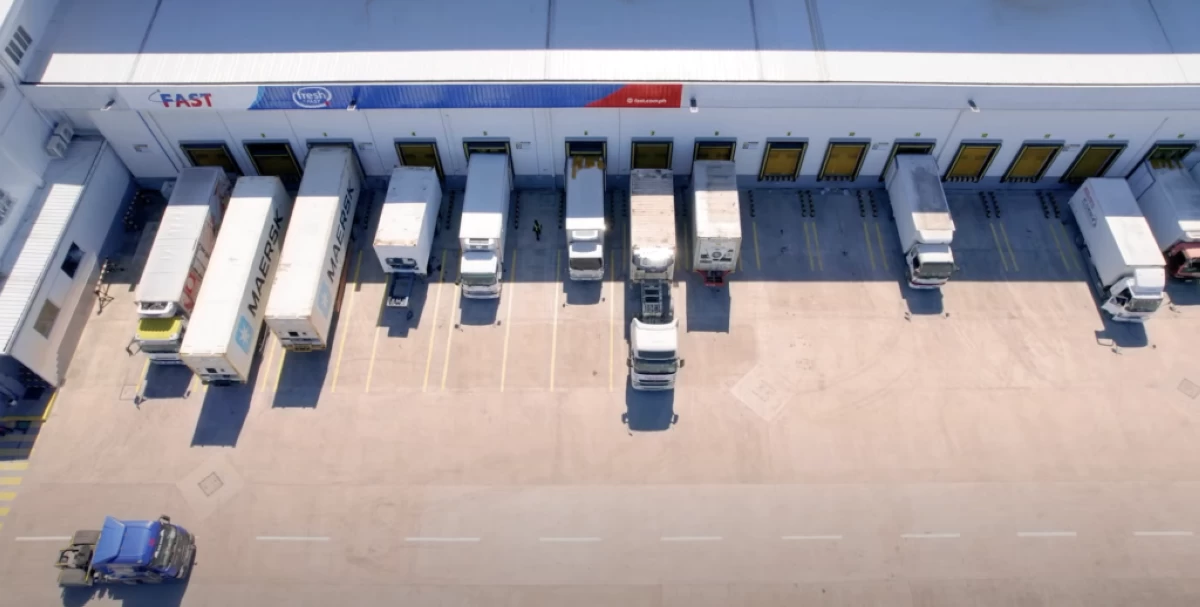
(FAST Logistics Group photo)
FAST Logistics Group expects the coming year to be a growth period for the country’s supply chain, banking on the sustained expansion of domestic businesses and the entry of foreign firms into the local market.
FAST Logistics, a leading player in end-to-end logistics solutions, is bullish on supply chain prospects next year despite major disruptions in the fourth quarter.
The company said successive typhoons, infrastructure challenges, and increased logistics costs during the quarter hampered the strong momentum seen in the first nine months.
Despite this, it noted that warehousing and transportation remain strong heading into the new year.
“2026 will be a year where agility and foresight separate market leaders from followers,” said FAST Logistics Group Chief Executive Officer (CEO) for logistics Manuel Onrejas Jr.
In particular, FAST Logistics sees a positive trend in the continued scaling of domestic businesses, coupled with increased participation by foreign players in the market, supported by a growing economy.
Citing a report from the World Bank, the logistics firm said the economy is expected to grow by around six percent next year on the back of stronger purchasing power across market segments.
“These trends are expected to drive higher demand for end-to-end logistics services, faster replenishment cycles, and broader regional coverage beyond Metro Manila, particularly across the Visayas and Mindanao,” it said.
FAST Logistics also anticipates a strong pickup in forward stocking and cargo consolidation, particularly among companies involved in fast-moving consumer goods (FMCG), pharmaceuticals, and home care.
In practice, companies that use both strategies are expected to see a significant reduction in delivery lead times and a notable improvement in service levels, especially during disruptions such as typhoons.
“Forward stocking is now a resilience strategy rather than a backup plan. 2026 will see increased investment in strategic regional distribution hubs,” said Onrejas.
“Strategic shipment consolidation is a powerful lever for both cost efficiency and sustainability, especially as an alternative to direct-to-store deliveries,” he added.
FAST Logistics also expects growing adoption of green logistics initiatives such as electric vehicles (EVs), energy-efficient facilities, and process optimization.
These efforts aim to support both regulatory compliance and long-term cost efficiency as businesses scale operations in the coming year.
The company earlier launched its environmental, social, and governance (ESG) strategy, with the goal of achieving net-zero carbon emissions by 2050.