ADVERTISEMENT

After 95 years, King Sue Ham remains a constant on Filipino Christmas tables

A family legacy rooted in craft, memory, and the flavors that define Noche Buena

By MBrand
Published Dec 13, 2025 06:23 pm
Anniversaries often look backward, but King Sue Ham’s 95th year feels firmly grounded in the present. At its milestone celebration, the brand marked nearly a century of shaping how Filipino families celebrate Christmas, not through spectacle, but through quiet reminders of familiarity and taste.
The story begins in the 1930s, when founder Cu Un Kay arrived with little more than skill and resolve. From those early years grew a product that would eventually define Filipino holiday tables. Displays at the celebration traced that journey, showing how one craftsman’s standards became a household name passed from generation to generation.
Today, that responsibility rests with the third generation. Richie Brian King, operations manager and a member of the King family, spoke of how the brand evolved while holding fast to its core principles. The second generation strengthened the company through science, innovation, and business resilience. Later decades introduced German craftsmanship, modernization, and stronger systems, all with the same goal of protecting the founder’s standards. “To keep King Sue Ham unmistakably Filipino while making sure every ham that reaches a family table meets the same integrity Cu Un Kay insisted on,” he said.

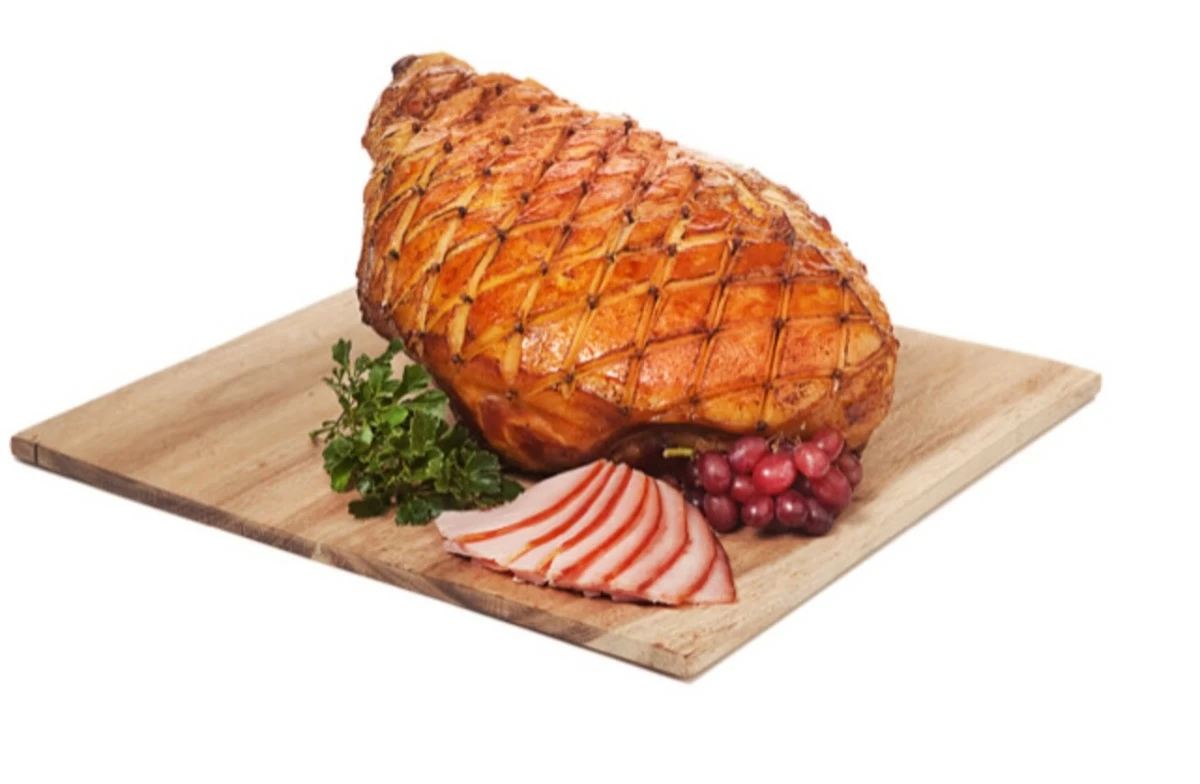
That philosophy is most evident not in speeches, but at the table. A tasting of the King Sue lineup reveals why the brand continues to anchor Filipino Christmas celebrations. The Chinese Ham, bone in and slow cured, remains the centerpiece, delivering the familiar balance of sweetness and salt that defines Noche Buena for many households. Piña Ham follows with a gentle fruitiness that complements its savory base, while the Sweet Ham offers a softer, juicier profile that feels deeply nostalgic.
For families looking for something lighter, the Hawaiian Ham presents a leaner and more modern option without losing the brand’s signature character. The Pear Shaped Ham caters to contemporary households seeking convenience, offering premium meat that is ready to serve while staying true to King Sue’s craftsmanship.
As the brand moves closer to its 100th year, its place in Filipino life feels secure. King Sue Ham has become more than a product. It is a fixture of memory, comfort, and tradition. The King family’s task now is not just to preserve that legacy, but to ensure it continues to find its way to future generations.
This Christmas, King Sue Ham remains widely available in major supermarkets across Luzon, continuing its long standing role as a centerpiece of Filipino celebrations.
ADVERTISEMENT
.most-popular .layout-ratio{ padding-bottom: 79.13%; } @media (min-width: 768px) and (max-width: 1024px) { .widget-title { font-size: 15px !important; } }

{{ articles_filter_1561_widget.title }}

.most-popular .layout-ratio{ padding-bottom: 79.13%; } @media (min-width: 768px) and (max-width: 1024px) { .widget-title { font-size: 15px !important; } }

{{ articles_filter_1562_widget.title }}

.most-popular .layout-ratio{ padding-bottom: 79.13%; } @media (min-width: 768px) and (max-width: 1024px) { .widget-title { font-size: 15px !important; } }

{{ articles_filter_1563_widget.title }}

{{ articles_filter_1564_widget.title }}

.mb-article-details { position: relative; } .mb-article-details .article-body-preview, .mb-article-details .article-body-summary{ font-size: 17px; line-height: 30px; font-family: "Libre Caslon Text", serif; color: #000; } .mb-article-details .article-body-preview iframe , .mb-article-details .article-body-summary iframe{ width: 100%; margin: auto; } .read-more-background { background: linear-gradient(180deg, color(display-p3 1.000 1.000 1.000 / 0) 13.75%, color(display-p3 1.000 1.000 1.000 / 0.8) 30.79%, color(display-p3 1.000 1.000 1.000) 72.5%); position: absolute; height: 200px; width: 100%; bottom: 0; display: flex; justify-content: center; align-items: center; padding: 0; } .read-more-background a{ color: #000; } .read-more-btn { padding: 17px 45px; font-family: Inter; font-weight: 700; font-size: 18px; line-height: 16px; text-align: center; vertical-align: middle; border: 1px solid black; background-color: white; } .hidden { display: none; }
function initializeAllSwipers() { // Get all hidden inputs with cms_article_id document.querySelectorAll('[id^="cms_article_id_"]').forEach(function (input) { const cmsArticleId = input.value; const articleSelector = '#article-' + cmsArticleId + ' .body_images'; const swiperElement = document.querySelector(articleSelector); if (swiperElement && !swiperElement.classList.contains('swiper-initialized')) { new Swiper(articleSelector, { loop: true, pagination: false, navigation: { nextEl: '#article-' + cmsArticleId + ' .swiper-button-next', prevEl: '#article-' + cmsArticleId + ' .swiper-button-prev', }, }); } }); } setTimeout(initializeAllSwipers, 3000); const intersectionObserver = new IntersectionObserver( (entries) => { entries.forEach((entry) => { if (entry.isIntersecting) { const newUrl = entry.target.getAttribute("data-url"); if (newUrl) { history.pushState(null, null, newUrl); let article = entry.target; // Extract metadata const author = article.querySelector('.author-section').textContent.replace('By', '').trim(); const section = article.querySelector('.section-info ').textContent.replace(' ', ' '); const title = article.querySelector('.article-title h1').textContent; // Parse URL for Chartbeat path format const parsedUrl = new URL(newUrl, window.location.origin); const cleanUrl = parsedUrl.host + parsedUrl.pathname; // Update Chartbeat configuration if (typeof window._sf_async_config !== 'undefined') { window._sf_async_config.path = cleanUrl; window._sf_async_config.sections = section; window._sf_async_config.authors = author; } // Track virtual page view with Chartbeat if (typeof pSUPERFLY !== 'undefined' && typeof pSUPERFLY.virtualPage === 'function') { try { pSUPERFLY.virtualPage({ path: cleanUrl, title: title, sections: section, authors: author }); } catch (error) { console.error('ping error', error); } } // Optional: Update document title if (title && title !== document.title) { document.title = title; } } } }); }, { threshold: 0.1 } ); function showArticleBody(button) { const article = button.closest("article"); const summary = article.querySelector(".article-body-summary"); const body = article.querySelector(".article-body-preview"); const readMoreSection = article.querySelector(".read-more-background"); // Hide summary and read-more section summary.style.display = "none"; readMoreSection.style.display = "none"; // Show the full article body body.classList.remove("hidden"); } document.addEventListener("DOMContentLoaded", () => { let loadCount = 0; // Track how many times articles are loaded const offset = [1, 2, 3, 4, 5, 6, 7, 8, 9, 10]; // Offset values const currentUrl = window.location.pathname.substring(1); let isLoading = false; // Prevent multiple calls if (!currentUrl) { console.log("Current URL is invalid."); return; } const sentinel = document.getElementById("load-more-sentinel"); if (!sentinel) { console.log("Sentinel element not found."); return; } function isSentinelVisible() { const rect = sentinel.getBoundingClientRect(); return ( rect.top < window.innerHeight && rect.bottom >= 0 ); } function onScroll() { if (isLoading) return; if (isSentinelVisible()) { if (loadCount >= offset.length) { console.log("Maximum load attempts reached."); window.removeEventListener("scroll", onScroll); return; } isLoading = true; const currentOffset = offset[loadCount]; window.loadMoreItems().then(() => { let article = document.querySelector('#widget_1690 > div:nth-last-of-type(2) article'); intersectionObserver.observe(article) loadCount++; }).catch(error => { console.error("Error loading more items:", error); }).finally(() => { isLoading = false; }); } } window.addEventListener("scroll", onScroll); });

Sign up by email to receive news.