ADVERTISEMENT

Proptech firm pushes for inclusive, data-driven housing access in multi-sector collaboration

Lhoopa calls for building an ecosystem where public and private players move together to deliver housing at scale

Published Dec 12, 2025 05:03 pm
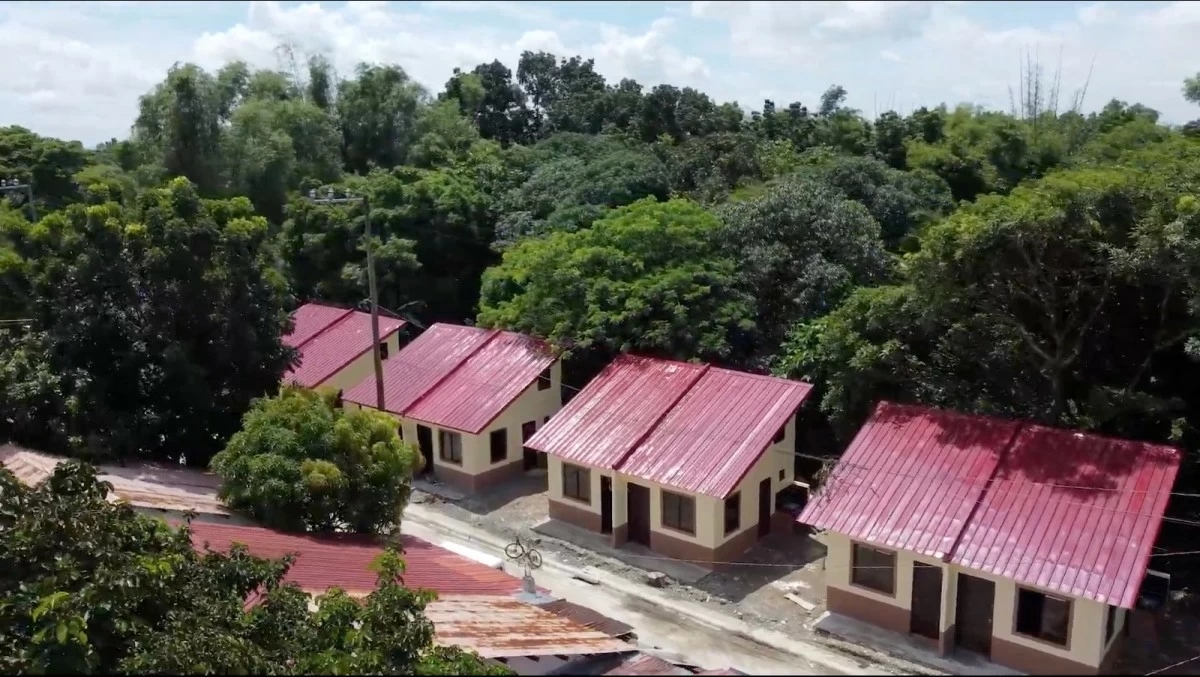
Affordable housing in Pandi, Bulacan
The current affordable housing backlog stands at 8.25 million, and UN-Habitat estimates that the number could reach 22 million by 2040. With the recent typhoons, flooding, and earthquakes damaging thousands of homes, the gap between housing supply and demand could be wider.
In its first white paper, “From Backlog to Breakthrough: New Blueprints for Unlocking Housing Access,” property tech firm Lhoopa argues that the problem is not only a lack of supply but a crisis of access, as most Filipinos remain excluded from financing and information systems that were designed for a different economic reality.  The paper also outlined data-backed insights and practical strategies to move the country’s housing agenda from chronic shortage to real solutions. 
“Most Filipino families can only afford homes in the affordable or socialized range, yet this (sector) is where supply and delivery remain most constrained. We believe that technology can help address this mismatch by streamlining information and coordination across land, permitting, construction, and financing, a system where affordable housing delivery can be more sustainable for businesses,” said Marc-Olivier Caillot, Lhoopa co-founder and CEO.
Marc-Olivier Caillot, Lhoopa co-founder and CEO
Lhoopa’s blueprint proposes three shifts: treating land as access infrastructure, empowering local frontliners with digital tools, and simplifying the homeownership journey through inclusive financing and information systems.
“These ideas align with ongoing government reforms and how technology allows us to solve old problems differently. By combining adaptive policy, real-time data, mobile technology, and trusted local delivery networks, we can connect the right land, people, and financing faster and more transparently. The goal is not just to build more homes, but to build a system where homeownership becomes a realistic path for every working family,” said Caillot.
He also recognized land as an access infrastructure, a resource that can support housing delivery in locations where the demand exists. “Families need homes in locations that are practical for daily life, yet the supply does not always match where the need is strongest.  Shifting land toward access starts with identifying sites that are workable for affordable development and bringing in developers and delivery partners like Lhoopa to build quality homes and support the families who qualify for them,” Calliot added.
In the collaborative effort of the private and public sectors, Lhoopa comes as an enabler to make the homeownership process more efficient and attainable. “As an example, we work closely with Pag-IBIG Fund to assist with our buyers’ home loan applications, ensuring borrower readiness so they move through the process with fewer errors and shorter turnaround times. We also partner with contractors, brokers, and developers to activate more locations and accelerate the process on the ground,” clarifies Calliot.
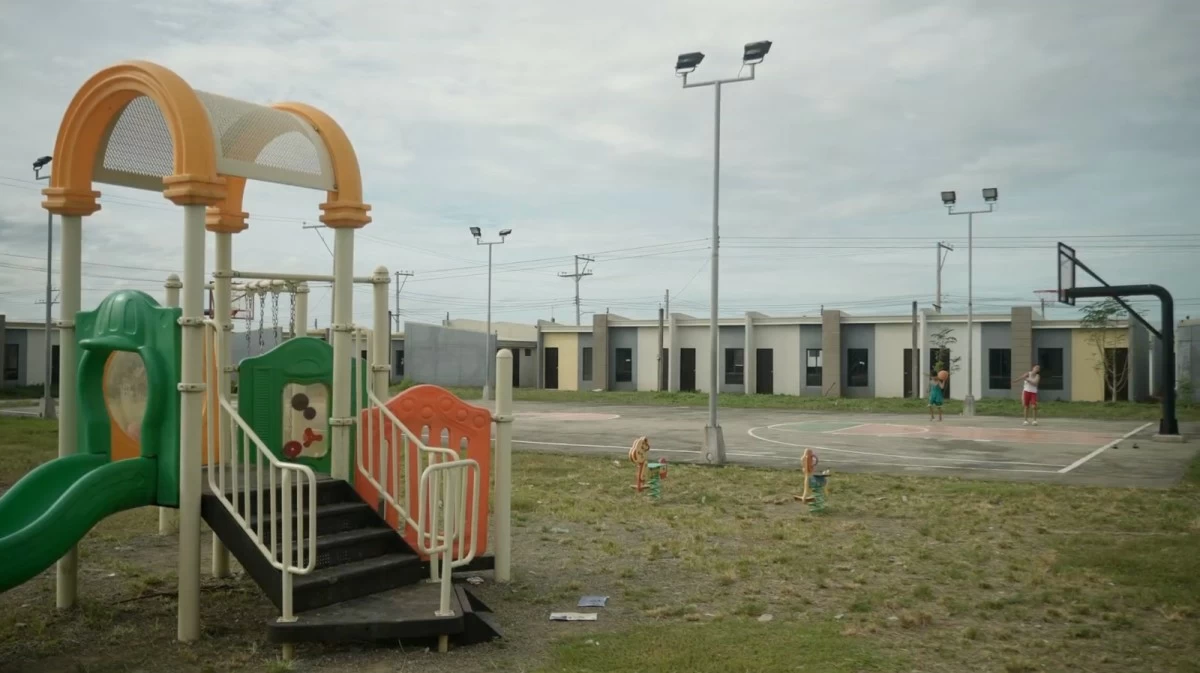
Housing units in Cabanatuan, Nueva Ecija
In the first half of 2025, Lhoopa recorded more than double in sales compared to the same period last year. In 2024, the company sold almost 2,000 housing units, mostly in areas located south of Manila. Calliot attributes this achievement to an expanded team and partner network, allowing faster processing and delivery of homes.
More than the numbers, Calliot underscores the impact of their operations to help ease the housing problem. “We have now passed 7,000 homes sold across more than 60 cities, which means thousands of working families now have a real path to ownership. This is the progress we want to keep building on.”
Moving forward to 2026, Lhoopa lists three priorities: expanding operations to more communities, especially in areas where demand is strong but supply is limited; widening the network of partner contractors and brokers to deliver and sell homes faster while supporting more local livelihoods in the process; and strengthening collaborative efforts with both the public and private housing sectors to align land, financing, and delivery.
“Our mission remains the same: to enable homeownership for more working families across emerging markets, starting with the Philippines,” concluded Calliot.

Related Tags

Lhoopa Marc Olivier Calliot
ADVERTISEMENT
.most-popular .layout-ratio{ padding-bottom: 79.13%; } @media (min-width: 768px) and (max-width: 1024px) { .widget-title { font-size: 15px !important; } }

{{ articles_filter_1561_widget.title }}

.most-popular .layout-ratio{ padding-bottom: 79.13%; } @media (min-width: 768px) and (max-width: 1024px) { .widget-title { font-size: 15px !important; } }

{{ articles_filter_1562_widget.title }}

.most-popular .layout-ratio{ padding-bottom: 79.13%; } @media (min-width: 768px) and (max-width: 1024px) { .widget-title { font-size: 15px !important; } }

{{ articles_filter_1563_widget.title }}

{{ articles_filter_1564_widget.title }}

.mb-article-details { position: relative; } .mb-article-details .article-body-preview, .mb-article-details .article-body-summary{ font-size: 17px; line-height: 30px; font-family: "Libre Caslon Text", serif; color: #000; } .mb-article-details .article-body-preview iframe , .mb-article-details .article-body-summary iframe{ width: 100%; margin: auto; } .read-more-background { background: linear-gradient(180deg, color(display-p3 1.000 1.000 1.000 / 0) 13.75%, color(display-p3 1.000 1.000 1.000 / 0.8) 30.79%, color(display-p3 1.000 1.000 1.000) 72.5%); position: absolute; height: 200px; width: 100%; bottom: 0; display: flex; justify-content: center; align-items: center; padding: 0; } .read-more-background a{ color: #000; } .read-more-btn { padding: 17px 45px; font-family: Inter; font-weight: 700; font-size: 18px; line-height: 16px; text-align: center; vertical-align: middle; border: 1px solid black; background-color: white; } .hidden { display: none; }
function initializeAllSwipers() { // Get all hidden inputs with cms_article_id document.querySelectorAll('[id^="cms_article_id_"]').forEach(function (input) { const cmsArticleId = input.value; const articleSelector = '#article-' + cmsArticleId + ' .body_images'; const swiperElement = document.querySelector(articleSelector); if (swiperElement && !swiperElement.classList.contains('swiper-initialized')) { new Swiper(articleSelector, { loop: true, pagination: false, navigation: { nextEl: '#article-' + cmsArticleId + ' .swiper-button-next', prevEl: '#article-' + cmsArticleId + ' .swiper-button-prev', }, }); } }); } setTimeout(initializeAllSwipers, 3000); const intersectionObserver = new IntersectionObserver( (entries) => { entries.forEach((entry) => { if (entry.isIntersecting) { const newUrl = entry.target.getAttribute("data-url"); if (newUrl) { history.pushState(null, null, newUrl); let article = entry.target; // Extract metadata const author = article.querySelector('.author-section').textContent.replace('By', '').trim(); const section = article.querySelector('.section-info ').textContent.replace(' ', ' '); const title = article.querySelector('.article-title h1').textContent; // Parse URL for Chartbeat path format const parsedUrl = new URL(newUrl, window.location.origin); const cleanUrl = parsedUrl.host + parsedUrl.pathname; // Update Chartbeat configuration if (typeof window._sf_async_config !== 'undefined') { window._sf_async_config.path = cleanUrl; window._sf_async_config.sections = section; window._sf_async_config.authors = author; } // Track virtual page view with Chartbeat if (typeof pSUPERFLY !== 'undefined' && typeof pSUPERFLY.virtualPage === 'function') { try { pSUPERFLY.virtualPage({ path: cleanUrl, title: title, sections: section, authors: author }); } catch (error) { console.error('ping error', error); } } // Optional: Update document title if (title && title !== document.title) { document.title = title; } } } }); }, { threshold: 0.1 } ); function showArticleBody(button) { const article = button.closest("article"); const summary = article.querySelector(".article-body-summary"); const body = article.querySelector(".article-body-preview"); const readMoreSection = article.querySelector(".read-more-background"); // Hide summary and read-more section summary.style.display = "none"; readMoreSection.style.display = "none"; // Show the full article body body.classList.remove("hidden"); } document.addEventListener("DOMContentLoaded", () => { let loadCount = 0; // Track how many times articles are loaded const offset = [1, 2, 3, 4, 5, 6, 7, 8, 9, 10]; // Offset values const currentUrl = window.location.pathname.substring(1); let isLoading = false; // Prevent multiple calls if (!currentUrl) { console.log("Current URL is invalid."); return; } const sentinel = document.getElementById("load-more-sentinel"); if (!sentinel) { console.log("Sentinel element not found."); return; } function isSentinelVisible() { const rect = sentinel.getBoundingClientRect(); return ( rect.top < window.innerHeight && rect.bottom >= 0 ); } function onScroll() { if (isLoading) return; if (isSentinelVisible()) { if (loadCount >= offset.length) { console.log("Maximum load attempts reached."); window.removeEventListener("scroll", onScroll); return; } isLoading = true; const currentOffset = offset[loadCount]; window.loadMoreItems().then(() => { let article = document.querySelector('#widget_1690 > div:nth-last-of-type(2) article'); intersectionObserver.observe(article) loadCount++; }).catch(error => { console.error("Error loading more items:", error); }).finally(() => { isLoading = false; }); } } window.addEventListener("scroll", onScroll); });

Sign up by email to receive news.