






Manila Bulletin
 Philippines
National
Transparency reforms pursued at start of 20th Congress led to 'open bicam'--Adiong
Philippines
National
Transparency reforms pursued at start of 20th Congress led to 'open bicam'--Adiong
Philippines
National
Transparency reforms pursued at start of 20th Congress led to 'open bicam'--Adiong
Transparency reforms pursued at start of 20th Congress led to 'open bicam'--Adiong
Published Dec 11, 2025 03:43 pm


At A Glance
- The first ever "open bicam" on the P6.793-trillion General Appropriations Bill (GAB) or proposed national budget for 2026 resulted from procedural reforms introduced during the early part of the 20th Congress.
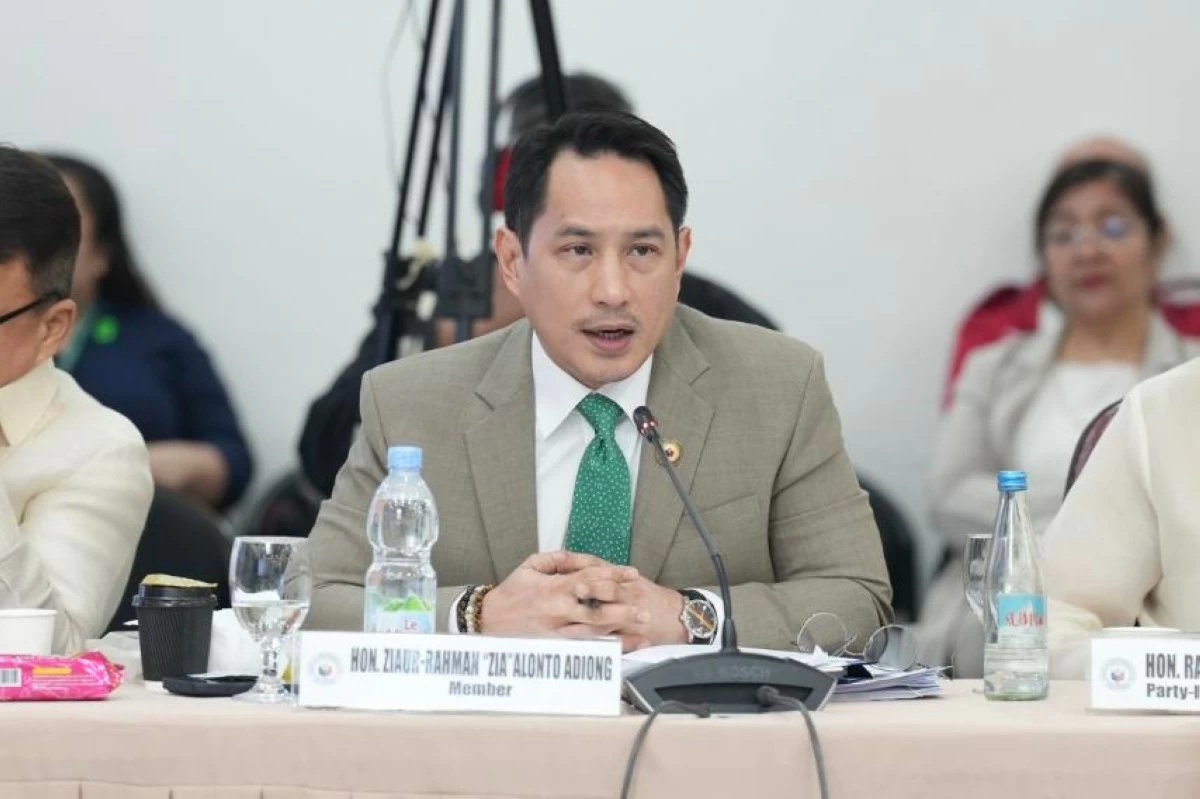
Lanao del Sur 1st district Rep. Zia Alonto Adiong (PPAB)
The first ever "open bicam" on the P6.793-trillion General Appropriations Bill (GAB) or proposed national budget for 2026 resulted from procedural reforms introduced during the early part of the 20th Congress.
Thus, said Lanao del Sur 1st district Rep. Zia Alonto Adiong, a vice chairman of the House Committee on Appropriations in a statement Thursday, Dec. 11.
According to Adiong, these procedural reforms can be traced to the time of Leyte 1st district Rep. Martin Romualdez, who was initially elected as House Speaker in July.
Adiong--Romualdez's party-mate over at Lakas-Christian Muslim Democrats (Lakas-CMD)--said the Romualdez leadership sought to make the national budget process easier for the public to follow and understand.
This position was adopted by Isabela 6th district Rep. Faustino "Bojie" Dy III, who took over the reins in the House of Representatives as Speaker last Sept. 17.
“These reforms were designed to make the budget more transparent, participatory, and accessible. They set the tone for how the House continues to improve the process today," Adiong said.
The assistant majority leader recalled key changes that helped establish the transparency framework for the 2026 budget deliberations:
• Abolition of the ‘small committee’, which previously finalized GAB amendments behind closed doors;
• Opening of House–Senate Bicameral Conference Committee meetings [through livestreaming] to allow real-time scrutiny by the public and the media;
• Formal participation of civil society groups, people’s organizations, and private sector representatives in House budget hearings;
• Strengthening the oversight mechanisms to ensure timely and proper implementation of appropriations; and
• Prioritization of investments that directly benefit communities and essential public services.
Adiong said these institutional reforms reflect the House’s ongoing commitment to a budget process that upholds transparency, accountability, and public engagement.
“These improvements are not merely procedural. They reinforce a culture of openness and help ensure that citizens can clearly see how national resources are allocated and used,” the Mindanaoan said.