






Manila Bulletin
 Philippines
National
Pangilinan warns of worsened hunger if agri sector remains undersupported
Philippines
National
Pangilinan warns of worsened hunger if agri sector remains undersupported
Philippines
National
Pangilinan warns of worsened hunger if agri sector remains undersupported
Pangilinan warns of worsened hunger if agri sector remains undersupported
By Dhel Nazario
Published Dec 11, 2025 11:42 am
|
Updated Dec 11, 2025 01:44 pm


Senator Francis "Kiko" Pangilinan has warned that Filipinos will continue to suffer from high food prices, prevalent hunger, and malnutrition if there is no adequate support for the agriculture sector.
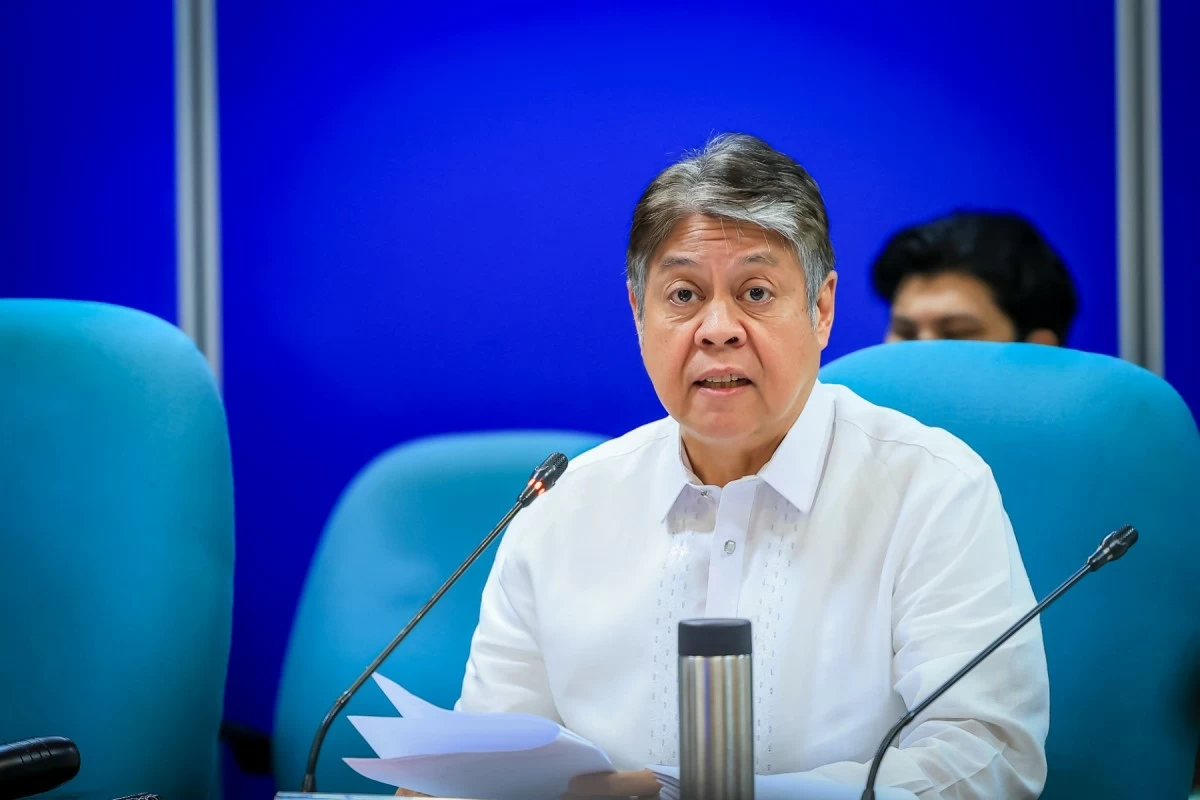
Senator Francis "Kiko" Pangilinan (Senate PRIB photo)
The senator emphasized that increased public investment was essential to ensuring food security, rural development, and long-term economic resilience.
“Mananatiling gutom ang ating mga kababayan at mananatiling hirap at naghihikahos ang ating mga magsasaka at mangingisda kung patuloy natin tatalikuran ang pangangailan ng sektor ng agrikultura (Our people will remain hungry, and our farmers and fisherfolk will continue to struggle and live in hardship if we continue to neglect the needs of the agriculture sector),” he said.
“Panahon na para umusad ang agriculture sector. Panahon na para pagsilbihan natin ng tama ang ating mga magsasaka at mangingisda sa pamamagitan ng pagbibigay ng tamang suporta. Panahon na para simulan natin tapusin ang kalam ng sikmura ng bawat Pilipino (It is time for the agriculture sector to move forward. It is time for us to properly serve our farmers and fisherfolk by giving them the support they deserve. It is time for us to begin putting an end to every Filipino’s hunger),” he added.
Pangilinan, who chairs the Senate Committee on Agriculture, Food, and Agrarian Reform has successfully defended the Department of Agriculture’s (DA) and the National Irrigation Administration’s (NIA) proposed 2026 budget in the Senate.
The senator lamented how the agriculture sector—despite being the backbone of the Philippine economy—has historically suffered from disproportionately low budget allocations compared to its indispensable role in national development.
Under the proposed 2026 national budget, the DA and NIA are set to receive a combined P214.02 billion in funding, which will be allocated for a comprehensive irrigation system, agri-extension services, and assistance for mechanization, seedlings, post-harvest facilities, cropping equipment, and many others.
To ensure the funds will be corruption- and abuse-free, Pangilinan introduced transparency mechanisms and digital governance initiatives for the DA and NIA.
Among these is a public online dashboard for irrigation projects, where timeline, status, finances (obligated/disbursed/source of funds), awarded contracts, contractors, and geo-tagged photos taken at key stages (start, mid, completion) will be displayed.
The senator also said that NIA will launch the Citizen Participatory Audit Program of the Commission on Audit (COA) and it will have a quarterly reporting requirement provision, mandating NIA to submit a quarterly report on all irrigation projects to the House Committee on Appropriations and the Senate Committee on Finance to detail the projects' status, implementation progress, financial and physical accomplishments, and any issues affecting completion.
In his manifestation during the budget debate for NIA’s proposed 2026 allocation, Senator Win Gatchalian, the chairman of the Senate Committee on Finance, said that Pangilinan has identified each irrigation project with the exact coordinates—instead of merely providing the lump sum amounts in the National Expenditure Program (NEP).
Pangilinan has previously highlighted that a well-funded agricultural program is key to addressing persistent issues such as low farmer income, climate-related threats, supply chain inefficiencies, and food import dependency.
He reiterated that strategic investments in infrastructure, research and development, crop insurance, post-harvest facilities, and market support systems are vital to boosting productivity and competitiveness.
“If we want farmers to succeed, if we want food prices to stabilize, and if we want our rural communities to thrive, then we must provide agriculture with the robust budget support it deserves,” he said.
Among the senator’s priorities when he assumed office in July 2025 is passing legislation and policies that would not only strengthen the agriculture sector, but also ensure that national food security is attainable.
His proposed measures include the renationalization of the DA’s extension services and strengthening agricultural cooperatives.
He also launched an investigation into the multi-million peso agricultural smuggling in the country that involves Chinese syndicates and their local partners, as well as lobbied for twin executive orders that set a floor price for palay and the full implementation of the 2019 Sagip Saka Act.
Pangilinan is also currently pushing for a Free Meals Program that will provide free meals for kinder to senior high school learners in public schools.
This program is aligned with the Sagip Saka Act as it will require national government agencies and local government units to purchase at least 50 percent of their food needs from local farmers and fisherfolk without public bidding.