






Manila Bulletin
 Philippines
National
LTFRB warns ride-hailing drivers vs booking cancellations, issues memo detailing penalties
Philippines
National
LTFRB warns ride-hailing drivers vs booking cancellations, issues memo detailing penalties
Philippines
National
LTFRB warns ride-hailing drivers vs booking cancellations, issues memo detailing penalties
LTFRB warns ride-hailing drivers vs booking cancellations, issues memo detailing penalties
Published Dec 11, 2025 02:56 pm


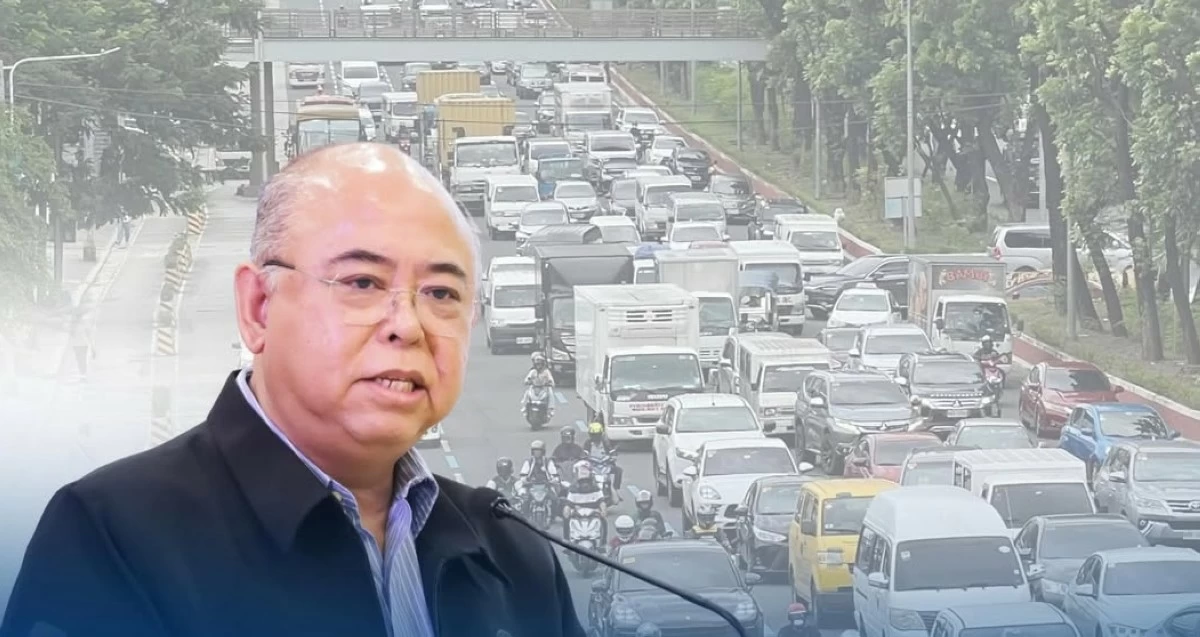
Following complaints of sudden booking cancellations for online ride-hailing services, the Land Transportation Franchising and Regulatory Board (LTFRB) issued a memorandum circular that penalizes Transport Network Vehicle Service (TNVS) for modus in time for the expected influx of passengers during the Christmas season.
LTFRB chairman Vigor D. Mendoza II said booking cancellations initiated by TNVS drivers are tantamount to refusal to convey passengers which is penalized of P5,000 to P15,000 fine and impounding of vehicle to cancellation of franchise.
“This is in response to the numerous complaints of commuters about the rampant booking cancellations in areas with traffic jams,” said Mendoza.
Mendoza said the issuance of the memorandum circular is part of the mandate of the LTFRB to promote the safety, convenience and protection of millions of Filipino commuters.
He explained that the cancellation of booking is deemed as tantamount to refusal to convey passengers when the TNVS driver unjustifiably cancel a booking already accepted and confirmed in the digital platform.
“This has a big impact on the part of the passenger because what is at stake here is the importance of time. This is also a matter of safety and welfare of the passengers because it involves hope of convenience and all of a sudden, the booking is cancelled. What if it also involves emergency situations?,” he said.
Under the memorandum circular, the cancellation of booking is penalized when it was done to avoid short distance trips or non-profitable trips in favor of higher fare charge; when it involves discrimination especially against senior citizens and PWDs, and other members of vulnerable sector; those that are already in transit without any valid reasons; booking cancellation behavior of TNVS drivers.
In the case of the pattern of behavior, Mendoza said it involves a look into the log systems of the Transport Network Companies that shows deliberate refusal to serve certain areas, time periods, or passenger profiles without just cause.
This is the reason, according to Mendoza, why they required the Transport Network Companies (TNCs) under the same memo to submit a monthly basis a report containing at least the number and/or percentage of cancellations categorized by: driver-initiated, passenger-initiated, system-initiated and list of drivers with unjustified cancellations and corresponding actions taken.
Mendoza said memorandum also provided some exception to booking cancellations that include natural calamities like flood, car maintenance issues and passenger behavior.
The memo also provides penalties of fines, suspension, or cancellation of accreditation if the TNCs would fail to monitor, control, and take corrective action against identified drivers with repeated unjustified cancellations, or that fail to comply with reporting and data-sharing obligations.
Mendoza, however, clarified that the memorandum will take effect immediately after its publication to at least one newspaper with general circulation.