







BSP's rate cut offers lifeline to slowdown-hit economy
Central bank signals end to easing cycle after policy rate reduction to 4.5%
By Derco Rosal
Published Dec 11, 2025 03:06 pm


At A Glance
- After a series of adjustments since 2024, the Bangko Sentral ng Pilipinas (BSP) said the cycle is nearing its end following its decision to reduce the key borrowing cost further by 25 basis points (bps) to 4.5 percent.
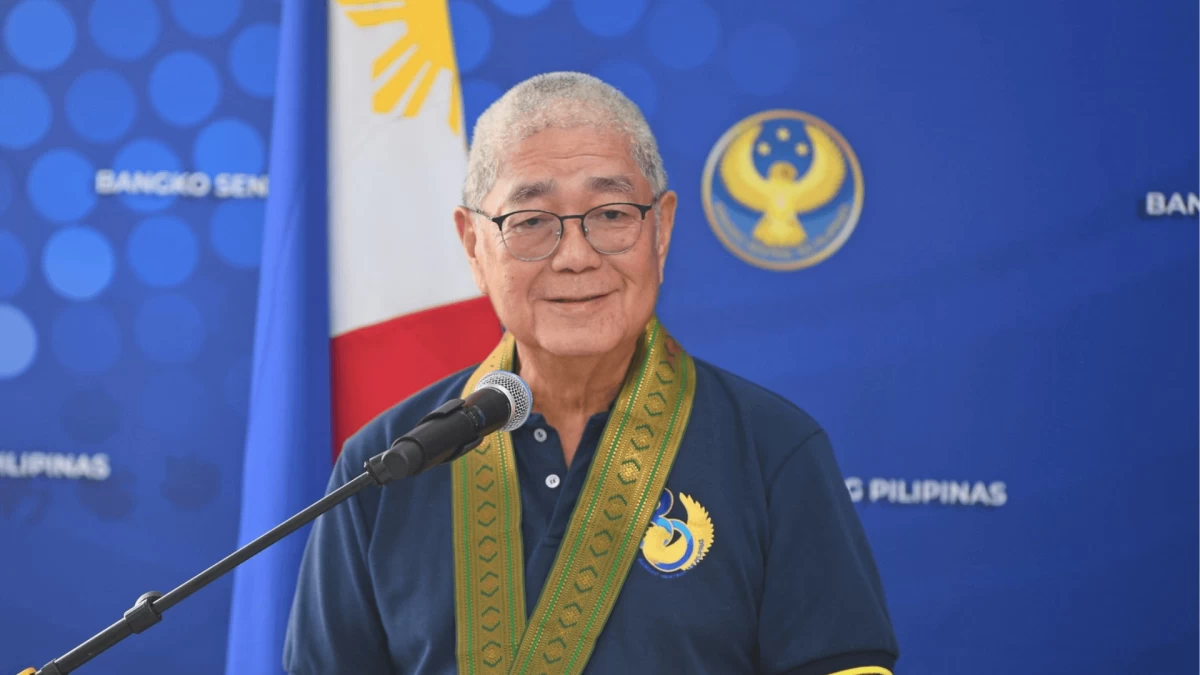
BSP Governor Eli M. Remolona Jr.
While the Bangko Sentral ng Pilipinas (BSP) cannot directly address flood-control graft, the central bank chief said its latest interest rate reduction in the ongoing monetary easing is expected to support the crestfallen economy, which has been hit by a spending slump and dampened investor confidence.
BSP Governor Eli M. Remolona Jr. told a press briefing on Thursday, Dec. 11, that “monetary policy cannot address the corruption scandal directly, but it can compensate for its effects on business sentiment and investor confidence.”
Remolona’s remarks come amid the central bank’s latest quarter-point reduction in key borrowing costs to 4.5 percent from 4.75 percent previously. This is the latest move in a series of adjustments that began in 2024.
This cut marks the fifth consecutive rate reduction this year and the eighth cut since August 2024, totaling two percentage points (ppt) from 6.5 percent prior to the start of the easing cycle in August last year.
“The cut will revive economic activity a bit at a time when painful governance issues around infrastructure investments, weakened government spending, business confidence, and domestic demand persist,” Remolona said.
BSP Deputy Governor Zeno Ronald R. Abenoja said interest rate cuts usually take at least a year to show their full impact.
“We are only now beginning to see the benefits of the previous accommodation. However, disentangling the impact of earlier monetary policy moves is becoming more challenging due to other factors affecting domestic demand,” Abenoja noted.
“It’s possible that the concerns on governance issues are the main driver right now of what we are observing as a slowdown in domestic demand,” he stressed.
Abenoja, however, argued that the recent reductions have supported output expansion and are expected to continue benefiting the economy in the coming quarters. Growth sharply slowed to four percent in the third quarter, owing to the unearthing of alleged corruption in flood control funds.
Economic managers, including the BSP, are currently reviewing the medium-term growth outlook.
For the BSP alone, gross domestic product (GDP) growth is expected to be slightly weaker than initially projected, possibly below five percent—significantly slower than the full-year target of 5.5 to 6.5 percent.
Abenoja said recovery in 2026 may gain momentum in the second half of the year, and by 2027, growth is expected to approach the original targets.
While the BSP has signaled the likelihood of the latest cut being the last easing, Remolona said other data could prompt the central bank to consider further adjustments.
“Another rate cut would be justified if things are worse than we thought, as the main consideration for a potential rate cut would be GDP growth,” Remolona said, referencing the recent slowdown in both inflation and output.
He said the latest rate cut acts as “insurance” to anchor the lackluster GDP expansion, “and we seem to have room for a cut given the inflation picture.”
Inflation, which has remained below two percent since February, is expected to stay benign, seen averaging 1.6 percent this year, lower than the previous BSP forecast of 1.7 percent.
Meanwhile, the BSP also revised its inflation forecasts for the next two years, but upward, adjusting 2026 to 3.2 percent from 3.1 percent and 2027 to three percent from 2.8 percent.