







AICS institutionalization bill gets penultimate House nod
Published Dec 11, 2025 07:38 pm


At A Glance
- The Assistance to Individuals in Crisis Situation (AICS) program of the Department of Social Welfare and Development's (DSWD) has moved one step closer to institutionalization in the 20th Congress.
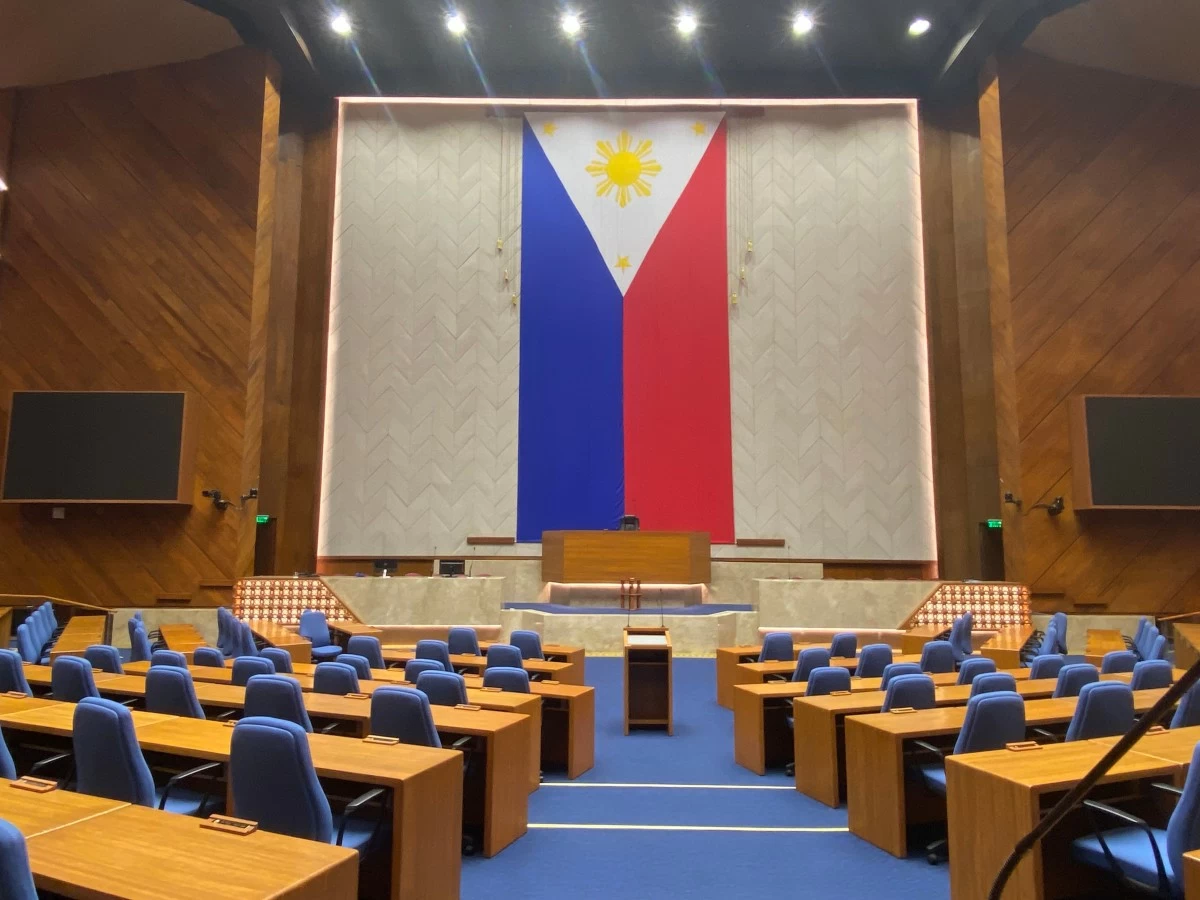
The House plenary (Contributed photo)
The Assistance to Individuals in Crisis Situation (AICS) program of the Department of Social Welfare and Development’s (DSWD) has moved one step closer to institutionalization in the 20th Congress.
This, after the House of Representatives approved House Bill (HB) No.6636 or the proposed AICS law on second reading during plenary session on Thursday night, Dec. 11.
A consolidation of various measures, HB No.6636 seeks to elevate the AICS program from a mere administrative mechanism to a permanent social protection mandate under the DSWD.
It was approved Thursday in plenary via simple voice vote (ayes vs. nayes). The congressmen have plenty of time to pass the measure on third and final reading before Dec. 22, the last session day of 2025.
The AICS institutionalization bill is a priority measure of the Legislative Executive Development Advisory Council (LEDAC).
The program provides each qualified beneficiary with financial, medical, transportation, food, material assistance, and other forms of assistance available in the DSWD, which include referral support, psychosocial support or intervention, and legal consultation, based on the assessment of the social workers of the DSWD.
HB No.6636 sets clear criteria for eligibility, streamlines coordination between agencies and local government units (LGUs), and establishes safeguards such as grievance mechanisms and centralized databases to prevent duplication or abuse.
The bill also includes the establishment of an integrated program delivery system, which concerned agencies and LGUs may access in order to identify the type of assistance available to qualified beneficiaries and for purposes of assistance augmentation.
Under the measure, a congressional oversight committee composed of five senators to be appointed by the Senate President and five representatives to be appointed by the House Speaker will be created to conduct a systematic evaluation of the program and the performance of the implementing agencies.