







House OKs estate tax amnesty extension bill on 2nd reading
Published Dec 10, 2025 04:49 pm


At A Glance
- The House of Representatives has approved on second reading House Bill (HB) No.6614 or the measure seeking to extend the coverage and period of availment of the Estate Tax Amnesty Program.
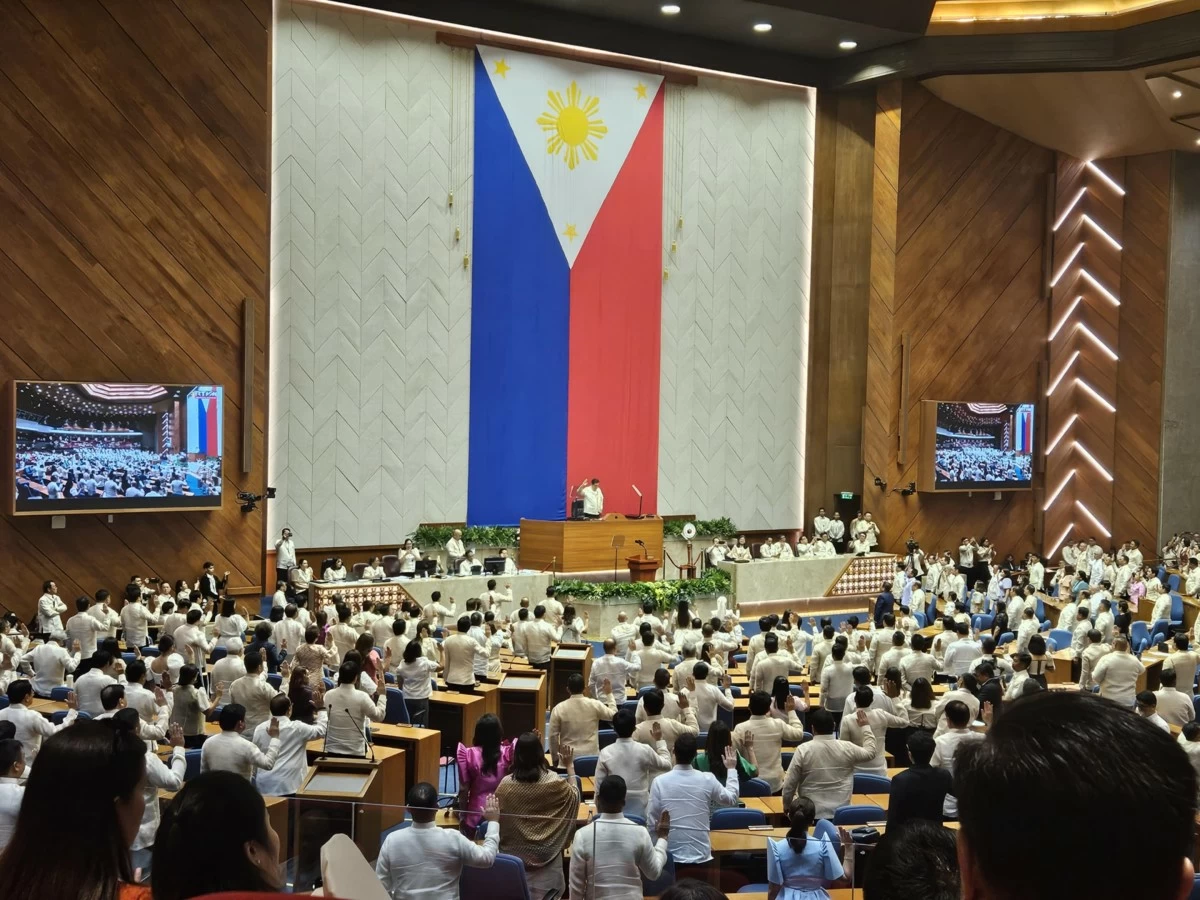
The House plenary (Ellson Quismorio/ MANILA BULLETIN)
The House of Representatives has approved on second reading House Bill (HB) No.6614 or the measure seeking to extend the coverage and period of availment of the Estate Tax Amnesty Program.
Contained in Committee Report (CR) No.31, HB No.6614 was sponsored by Committee on Ways and Means Chairman Marikina City 2nd district Rep. Miro Quimbo during plenary session Wednesday afternoon, Dec. 10.
Deputy Speaker Zambales 1st district Rep. Jay Khonghun, the presiding officer at that time, declared the measure as approved on second reading via simple voice vote (ayes vs nayes).
The Estate Tax Amnesty extension is included in the Legislative-Executive Development Advisory Council’s (LEDAC) priority measures under the Marcos administration.
The sought to give Filipino families a longer, simpler, and more affordable process to settle long-unpaid estate taxes and secure titles to inherited properties.
It expands the coverage to the estates of decedents who died on or before Dec. 31, 2024 and extends the filing period by four years or until Dec. 31, 2028. This will allow heirs, administrators, and beneficiaries to avail of the amnesty without penalties, surcharges, or interest, while paying significantly lower estate taxes.
The bill breezed through plenary Wednesday as none of the House members availed of the period of amendments.
The second reading approval paves the way for the bill's possible passage on third and final reading next week.
Quimbo, in his sponsorship speech, says HB No.6614 builds upon the success of Republic Act (RA) No.11213 as amended by RA No.11569 and RA No.11956.
"From 2019 until June 2025, the BIR (Bureau of Internal Revenue) has collected P15.5 billion in revenues under the Estate Tax Amnesty Program. These additional revenues have supported much-needed programs and projects of the government, helping ease the lives of our fellow Filipinos," he said.
"When allocated properly, earnings from estate tax amnesty alone could translate to more than 6,000 classrooms. 2,000 health centers all over the country wearing raising taxes or imposing new taxes, we can narrow our fiscal deficit and reduce our nation's debt," he said.
But Quimbo said the true success of the program were the 318,254 families that have benefited from it.
"Nakalaya na sa takot, takot sa multa, takot sa kaso, at takot na baka bawiin ang lupa at bahay na pinaghirapan ng pamilya dahil hindi sila nakapqg-asikaso ng kanilang mga ari-arian patungkol sa mga namatay sa mahal na buhay," the economist-solon said of the amnesty beneficiaries.
(They were finally freed from fear, fear of fines, fear of lawsuits, and fear that the land and house the family worked hard for might be taken away, simply because they were unable to take care of their properties in relation to their departed loved ones.)
'Yet despite this success, countless families remain unable to comply with the amnesty program, not out of willful neglect but because of genuine economic or financial hardship, because of bureaucratic complexity, or simple act of awareness," Quimbo said.
"We may even include the situation of heirs who failed to avail of the amnesty as they are still grappling with the legal and emotional burdens of settlng the estates of loved one who may have passed away years or even decades ago," he said.
"These are real and enduring barriers that need to be addressed," the Marikina lawmaker pointed out.
According to Quimbo, only Thailand and the Philippines still impose an estate or inheritance tax among the big five Association of Southeast Asian Nation (ASEAN) economies.
"Yet even then, with Thailand, it provides an exempt threshold equivalent to P200 million while the Philippines, the standard deduction remains at P5 million. The stark contract shows that our system remains comparatively stringent and can easily overwhelm the ordinary Filipino families who are already burdened emotionally and financially," he said.
"This bill responds directly to that need. It extends both the coverage of the estate tax amnesty to estates of decedents who died on or before Dec. 31, 2024, and secondly, the availment period to Dec. 31, 2028," Quimbo said.
He noted that HB No.6614 also sought to preserve all the existing immunities from civil, criminal, and administrative liabilities while allowing payment by instalment within two years, "with a reasonable downpayment of 25 percent as a minimum initial payment".
"The bill does not reward neglect. Rather, it unlocks trapped assets, ensures the smooth transfer of ownership, and brings more Filipinos into the tax system," Quimbo further said.