






Manila Bulletin
 Environment and Sustainability
ARTHALAND launches the Philippines' first commercial-scale bamboo structure
Environment and Sustainability
ARTHALAND launches the Philippines' first commercial-scale bamboo structure
Environment and Sustainability
ARTHALAND launches the Philippines' first commercial-scale bamboo structure
ARTHALAND launches the Philippines' first commercial-scale bamboo structure
Published Dec 10, 2025 03:42 pm


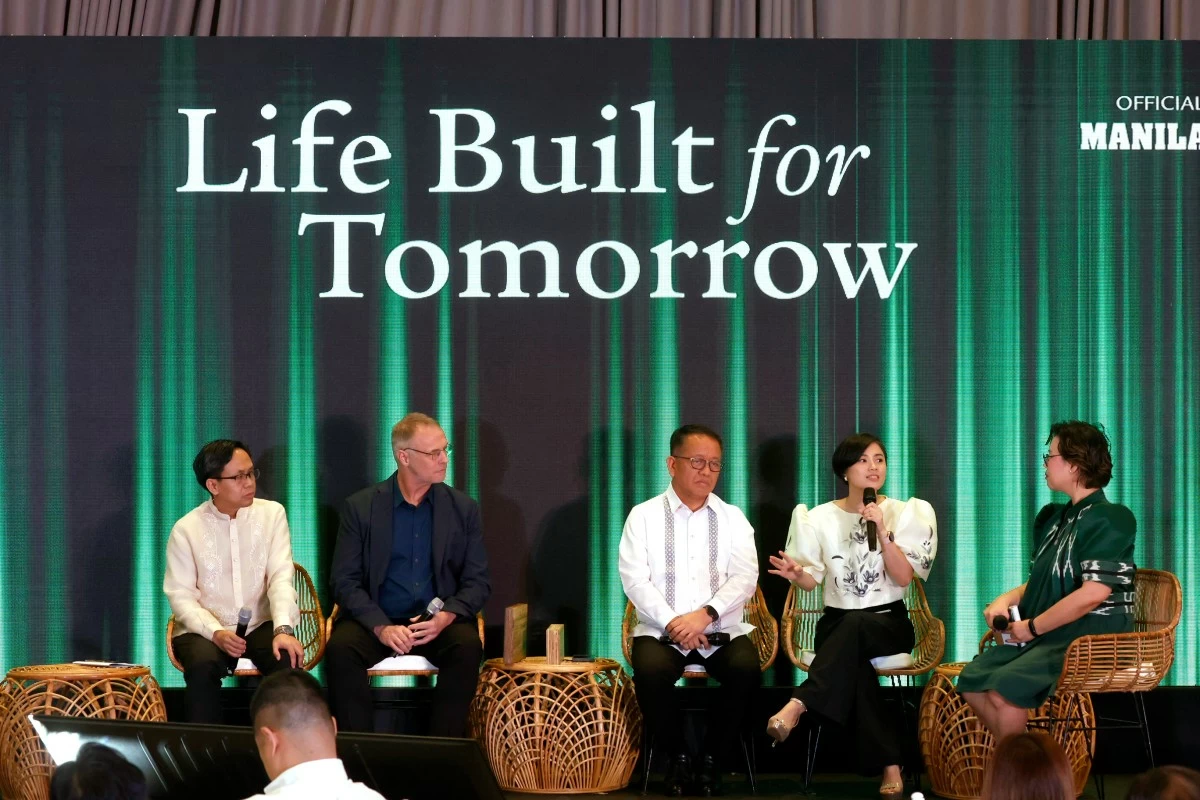
ARTHALAND proudly unveiled Project BEAM (Bamboo for Ecological Architecture and Materials), the Philippines’ First Commercial-scale Bamboo Structure, a landmark initiative that underpins their long-term vision, ensuring the "Life Built for Tomorrow" they deliver is fundamentally sustainable, one innovation at a time.
The event brought together leaders and experts who shared insights on the use of bamboo in construction. Here’s a glimpse of the conversations that came to light during the event.
Bamboo has always been part of our daily lives growing up. We sit on it, cook with it, weave it into our banigs, and many Filipinos live in homes made from it. It is part of our stories long before sustainability became a headline. That may be the reason why, when ARTHALAND unveiled Project BEAM on November 25 at The Blue Leaf Events Pavilion in Taguig, the moment felt more like a rediscovery of something we have always known.
The celebration showcases bamboo's role as a nature-based solution that supports circular construction, enabling the decarbonization of the built environment while driving livelihood opportunities and inclusive economic growth.
Project BEAM is ARTHALAND’s latest step in its steady sustainability journey. As the only developer in the country with a 100% certified portfolio as sustainable by local and international bodies, ARTHALAND has built its name on consistency. Manila Bulletin joined the launch as the media partner committed to delivering news and raising sustainability awareness. Together, we have witnessed how this new chapter brings a familiar material back to the center of how the country builds.
Seeing bamboo in a new light
“Project BEAM demonstrates that we can build modern, high-performing infrastructure with renewable, circular, and low-carbon materials, harvested by our own locally sourced communities. All of that started with meeting with a few people by accident, and it’s by faith.” Arthaland Senior Vice President and Chief Sustainability Officer Oliver Chan said during the unveiling.
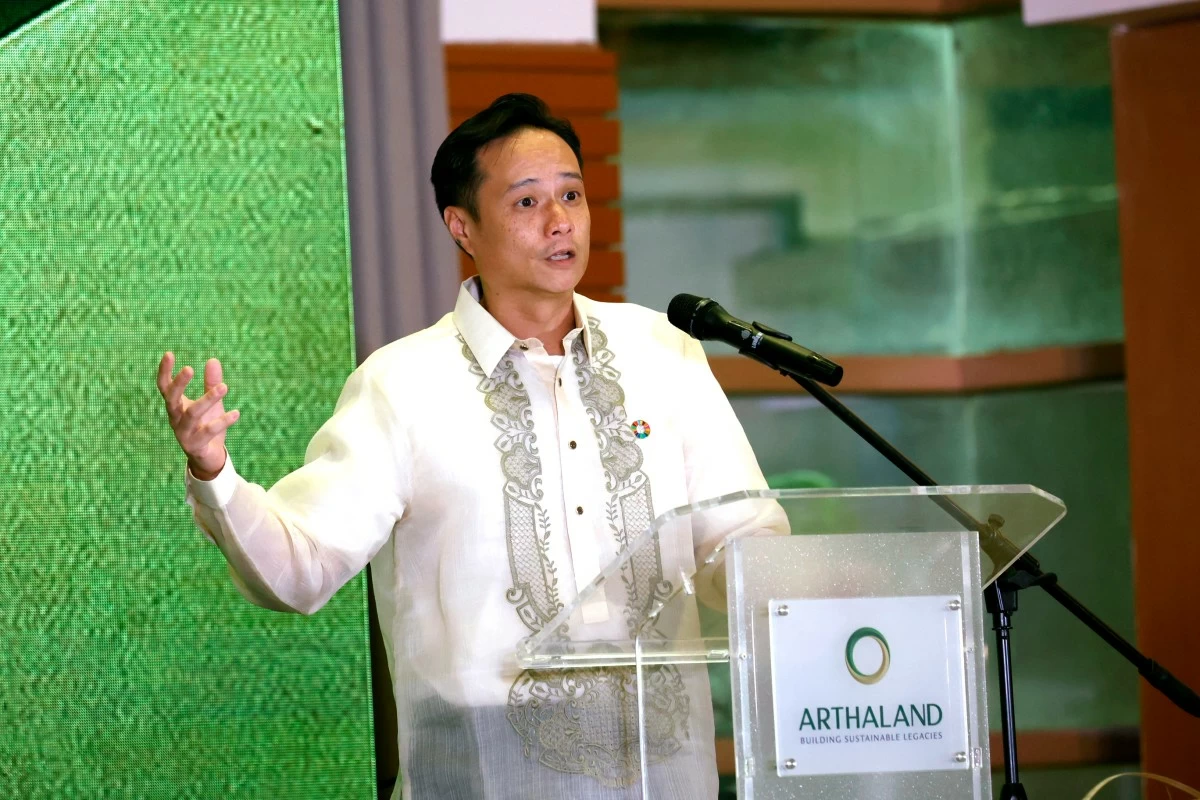
Arthaland Senior Vice President and Chief Sustainability Officer Oliver Chan.
He also mentioned that this 600 sqm clinic in Biñan, designed to achieve at least 20 percent reduction in energy and water consumption, will structurally be made of engineered bamboo from ground up. “Now, instead of adding about 25 thousand kilograms of carbon dioxide [using traditional construction materials], we are now taking away and absorbing about 24 thousand kilograms.” he added.
Project BEAM pushes bamboo from the familiar corners of tradition to the center of sustainable construction. It grows quickly, absorbs carbon at notable rates, and regenerates without exhausting the land. Bamboo forests can sequester 100 to 400 tons of CO₂ per hectare over a ten-year period, yet less than 3.5 percent of the country’s 1.5 million hectares suitable for cultivation is currently utilized. Bamboo also offers a rare combination of resilience and renewal. Its potential to replace traditional wood positions it as a significant force in building greener cities.
Representatives from government agencies and global institutions also shared their thoughts on the possibilities of using bamboo for commercial building. DOST-Forest Products Research and Development Institute Director IV Dr. Rico Cabangon delivered a special address commending Arthaland’s initiative that aligns with the government’s mission to build more sustainable infrastructure in the country.
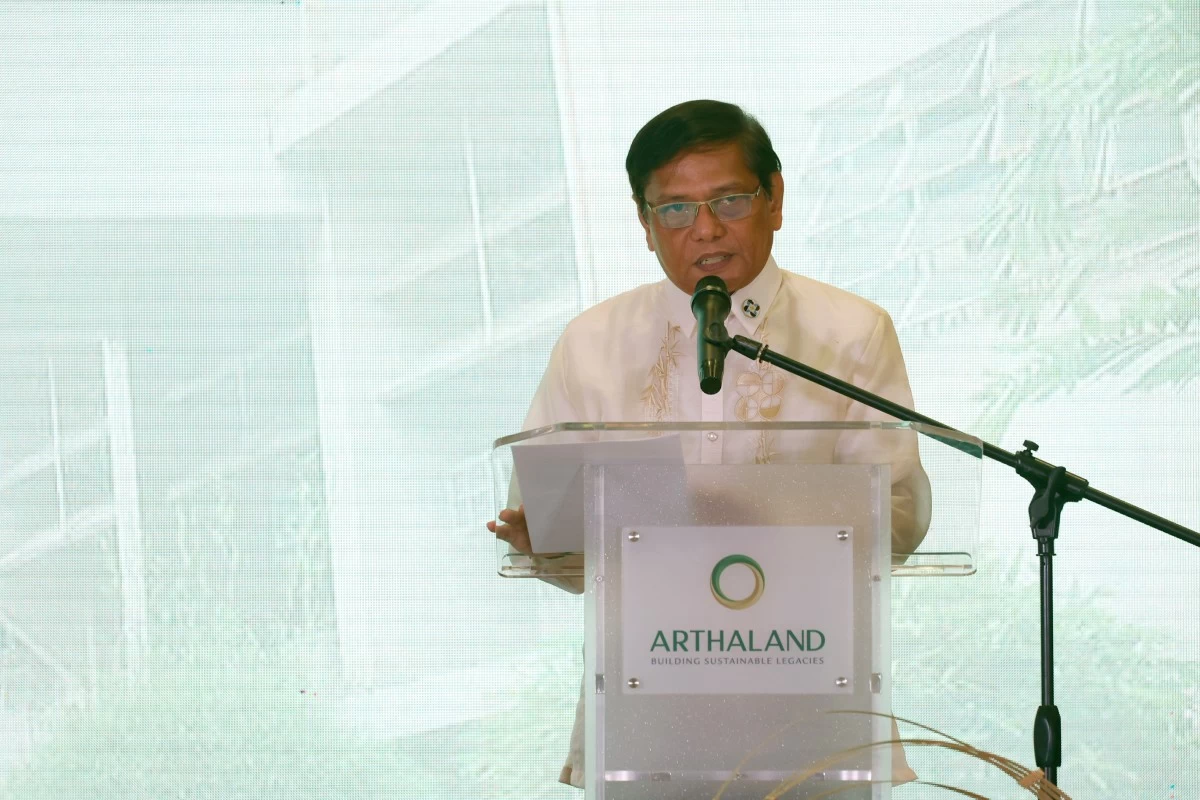
DOST-Forest Products Research and Development Institute Director IV Dr. Rico Cabangon.
United Nations Economic and Social Commission for Asia and the Pacific Economic Affairs Officer Marta Pérez Cusó echoed the importance of amplifying conversations and initiatives on the national level and promoting collaboration. “ESCAP champions inclusive business models that integrate low-income communities into value chains, creating jobs, improving livelihoods, and reducing inequality.” she said. “The future that we want is within reach. But only if we act boldly, like with the BEAM Project, and act together."
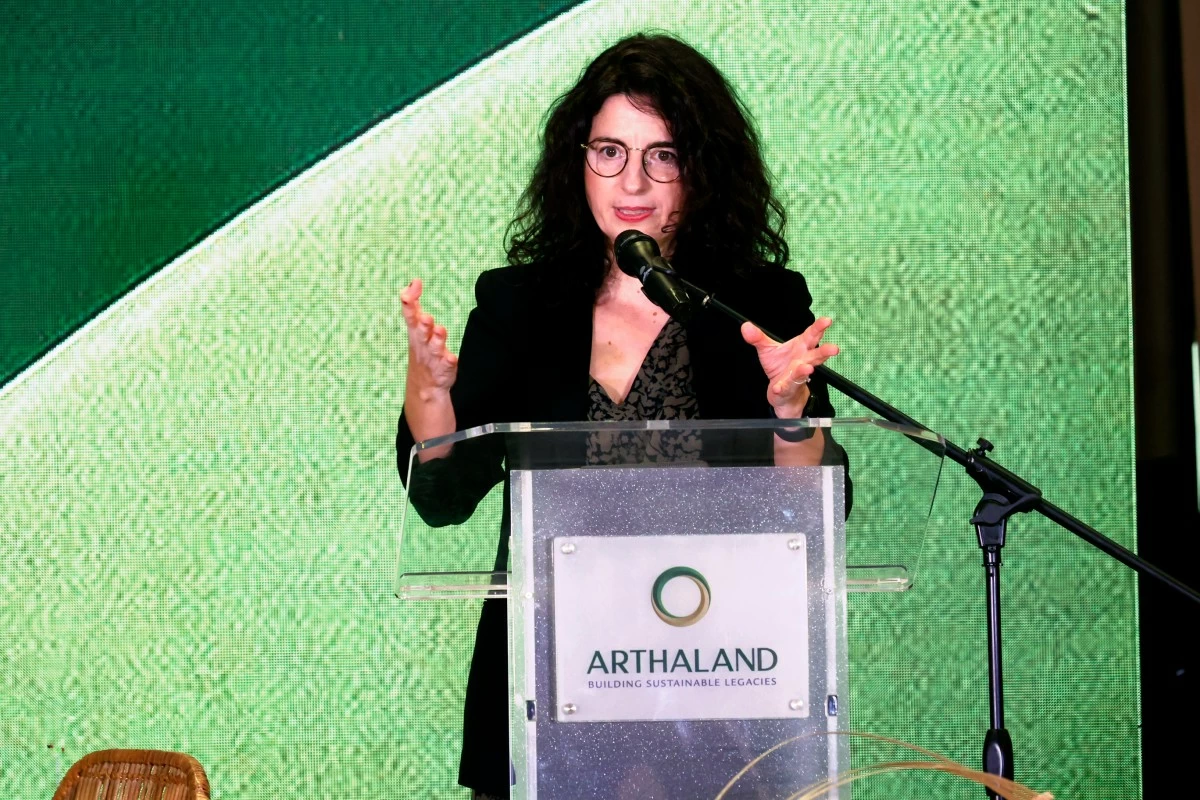
United Nations Economic and Social Commission for Asia and the Pacific Economic Affairs Officer Marta Pérez Cusó.
A conversation shaped by experts’ voices
The panel discussion gathered experts across disciplines and sectors. Their perspectives converged into a clear truth that sustainability flourishes only through collaboration. The science behind bamboo’s strength, the engineering required to prepare it for construction, the policies that can promote its adoption, and the economic structures that can support its growth all necessitate a shared effort.
Arthaland Head of Sustainability Architect Kristina Samantha Pobre stressed bamboo’s feasibility as a resilient construction material and how it can benefit Filipinos and their economy through the country’s resources. “We have the experts, the designers, and the engineers who can actually help develop the cross-laminated bamboo. We have the plants and manufacturers here [Philippines] as well.” she said.
From an environmental and academic perspective, UP College of Forestry and Natural Resources Associate Professor Ronniel Manalo discussed bamboo’s impressive carbon sequestration capacity and its role in land restoration.
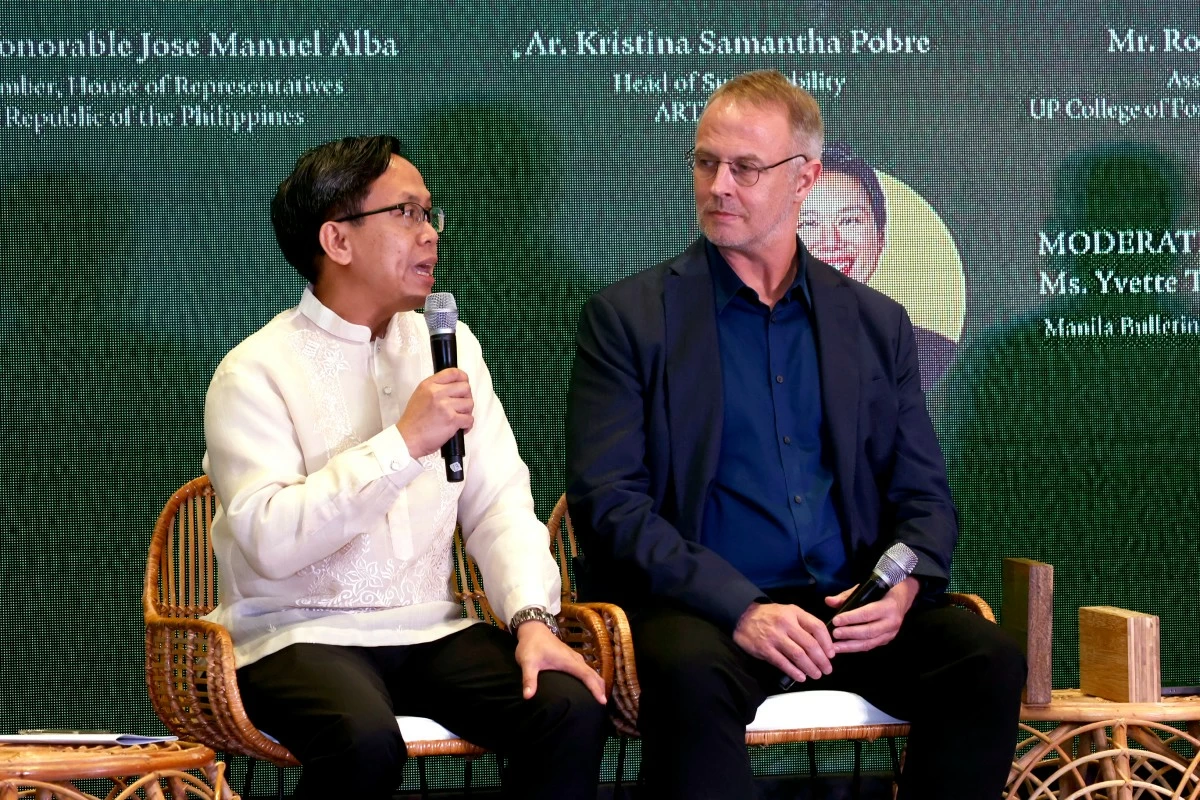

A voice from one of the Philippines’ bamboo material suppliers came from Rizome CEO Russell Smith, who highlighted the proven performance of engineered bamboo in terms of structural integrity, durability, and safety during the panel discussion.
Congressman Jose Manuel Alba of the first district of Bukidnon was also one of the panelists, offering insights on how upcoming legislation can help mainstream the use of bamboo in the Philippine construction sector.
The panel generally emphasized how bamboo plantations can support rural communities by creating jobs, reviving local economies, and helping restore degraded landscapes.
A symbolic beginning
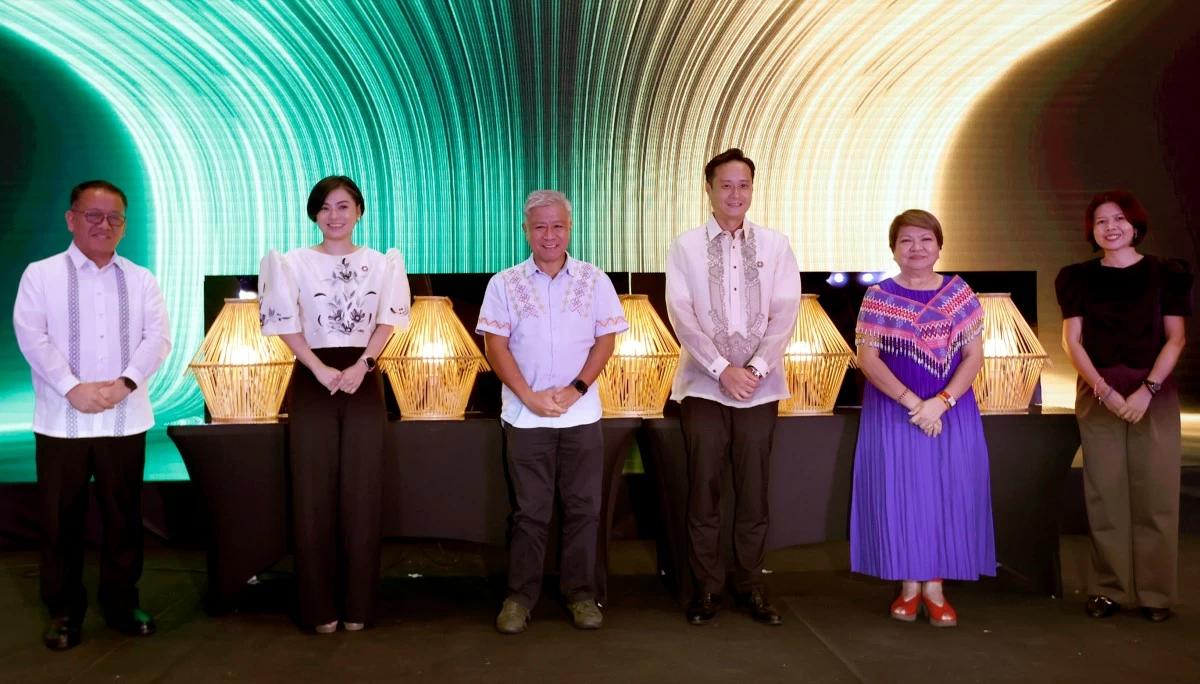
One of the key moments of the event was the ceremonial lighting activity, during which bamboo hut lamps were lit to symbolize what Project BEAM aims to accomplish. The use of concrete and steel has long characterized construction in the Philippines. Introducing bamboo into this landscape is not a minor shift but a deliberate reimagining of what our cities can become. The structure unveiled that afternoon was a reminder that the idea is not theoretical. It stands in full view, under open light.
Why this shift matters now
Cities will continue to expand, and every building will leave an imprint. The choices made today will determine whether future generations inherit challenges or possibilities.
Arthaland’s leadership anchors this initiative. Its alignment with the Science Based Targets initiative (SBTi) and its engagement with the United Nations ESCAP Sustainable Business Network support a broader vision for responsible development. Project BEAM is part of an ongoing effort to create spaces that lower carbon emissions while uplifting communities.
Manila Bulletin ensures that the momentum does not fade. Sustainability thrives when conversations remain alive in households, schools, businesses, and communities. Stories build awareness, and awareness builds change.
Bamboo and the future ahead
There is something quietly beautiful in the idea that the next chapter of Filipino architecture may rise from bamboo. It suggests that progress sometimes means returning to what we have always had and seeing it with clearer, more purposeful eyes.
Project BEAM extends that invitation. It calls on the country to envision cities that grow with care, using materials that honor both the land and the culture that shapes it.
Stay tuned to Manila Bulletin’s Environment and Sustainability platforms and Arthaland’s channels for more updates on Project BEAM and the unfolding story of sustainable building in the Philippines.