






Manila Bulletin
 Business
Banking & Finance
ADB clears $400-million loan to boost Philippine business reforms
Business
Banking & Finance
ADB clears $400-million loan to boost Philippine business reforms
Business
Banking & Finance
ADB clears $400-million loan to boost Philippine business reforms
ADB clears $400-million loan to boost Philippine business reforms
Published Dec 10, 2025 02:57 pm


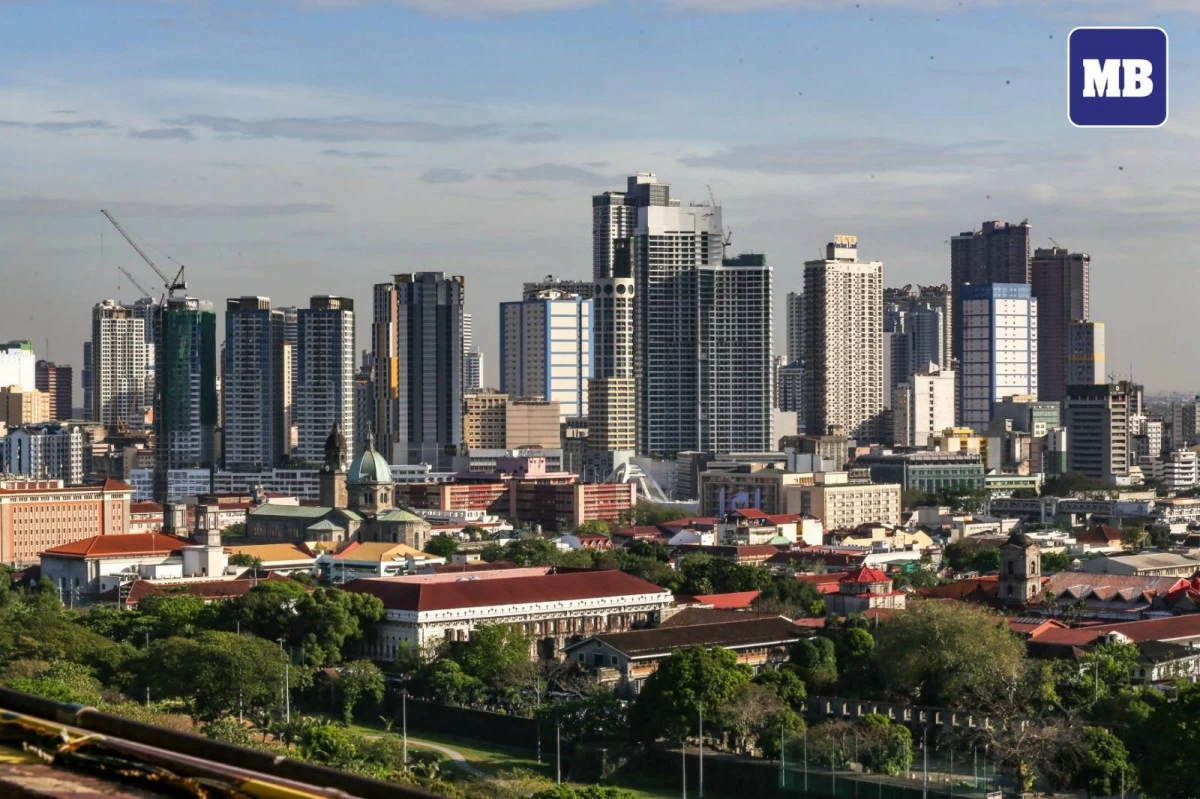
The Manila-based Asian Development Bank (ADB) has approved a $400-million (about ₱24-billion) policy-based loan for its host country, the Philippines, to support government reforms aimed at improving the ease of doing business and strengthening the country’s position as a top investment destination in Asia-Pacific.
In a statement on Wednesday, Dec. 10, the ADB said the approved Business Environment Strengthening with Technology (BEST) Program (Subprogram 1) will back private sector-focused reforms aimed at streamlining regulatory requirements and enhancing transparency in business processes.
The BEST Program also “seeks to facilitate investment in priority sectors with strong development impact and strengthen digital delivery of government services to businesses and investors.”
“The private sector is an important engine of growth and job creation. Their role in the country’s overall economic development cannot be overstated,” said ADB country director for the Philippines Andrew Jeffries.
He added that, “We are committed to assisting the Philippines in finding innovative ways to create an enabling environment that would spur a more dynamic business sector—one that will help drive faster economic growth.”
The ADB cited that in 2024, the Philippines ranked 52nd out of 67 economies in the International Institute for Management Development’s (IMD) World Competitiveness Ranking, and 36th out of 50 economies under the operational efficiency pillar of the World Bank’s (WB) Business Ready (B-READY) framework, noting that “the rankings point to regulatory and bureaucratic frictions that hinder new businesses and slow productivity and innovation, particularly for micro-, small-, and medium-sized enterprises (MSMEs).”
“The government has prioritized addressing existing barriers in doing business to boost the country’s competitiveness and drive increased investments and job creation,” the ADB added.
The ADB emphasized that the program loan aims to strengthen legal, regulatory, and institutional frameworks to make it easier to start and run a business, including speeding up permits, licensing processes, and government approvals for new enterprises.
“The program supports whole-of-government solutions to raise investments and support sustainable economic growth in the country,” the ADB noted, adding that it is designed to enhance the investor experience by strengthening investment facilitation.
The ADB added that the program will also offer clear, updated, and reliable information through online investor guidebooks and a digital database of business regulations, provided through the Philippine Business Regulations Information System (PBRIS) launched by the Anti-Red Tape Authority (ARTA).
“The program also focuses on facilitating investments in priority sectors such as renewable energy (RE) and digital infrastructure. These sectors are crucial for development, as greater investment in RE generation and enhanced digital infrastructure both help reduce greenhouse gas emissions,” the ADB said.
It added that the program builds on the strong ADB-Philippine government partnership in advancing reforms to strengthen public sector management, including initiatives such as the Public Financial Management Reform Program, Domestic Resource Mobilization Program, and Business and Employment Recovery Program.
(Ricardo M. Austria)