






Manila Bulletin
 Business
Trade & Industry
Tatak Pinoy, education reforms seen reviving manufacturing sector
Business
Trade & Industry
Tatak Pinoy, education reforms seen reviving manufacturing sector
Business
Trade & Industry
Tatak Pinoy, education reforms seen reviving manufacturing sector
Tatak Pinoy, education reforms seen reviving manufacturing sector
Published Dec 9, 2025 11:11 pm
|
Updated Dec 10, 2025 10:35 am


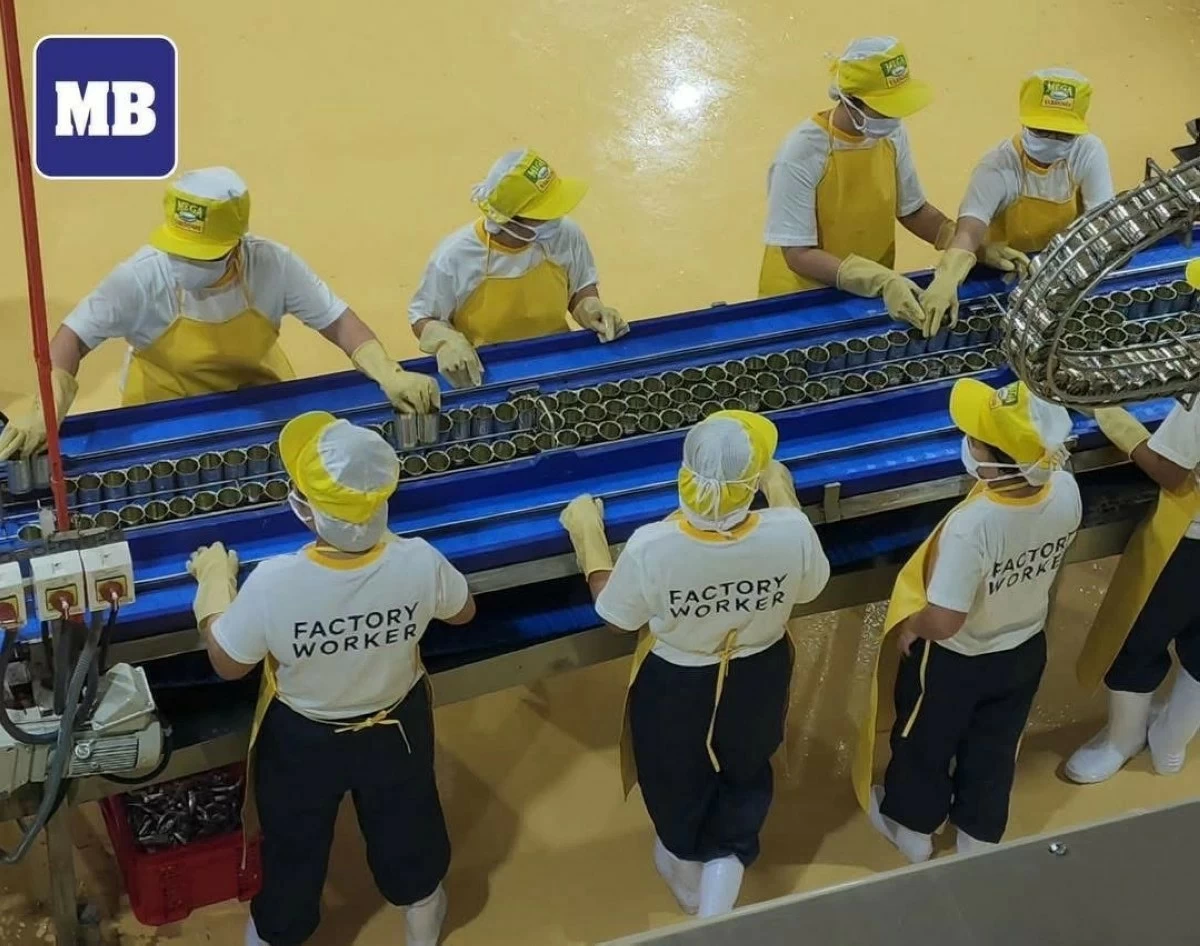
(Manila Bulletin file photo)
The country’s umbrella group of manufacturers and producers sees the potential of reviving the local manufacturing sector through the full implementation of the Tatak Pinoy Strategy (TPS) and the ongoing efforts to reform the education sector.
The Federation of Philippine Industries (FPI) said the country risks slipping further behind its regional peers that are undergoing an industrial boom “unless education reform and industrial policy advance together.”
The industrial strategy embodied under the TPS and education reforms enforced by Education Secretary Sonny Angara are critical to rebuilding national competitiveness, according to the group.
“Education and industry are mutually reinforcing engines of growth,” the FPI said in a statement penned by its chairman, Elizabeth Lee.
“Tatak Pinoy provides the blueprint for upgrading Philippine industries. Angara’s reforms ensure we have the skilled workforce to power that transformation. Without both, we cannot close the widening gap with Asia,” it said.
The TPS, as mandated by Republic Act (RA) No. 11981 or the Tatak Pinoy Act, outlines the government’s roadmap to empower domestic manufacturers to compete in the global market.
Among the most salient features of the law is the mandated preference for domestic products for government procurement.
Last week, government officials said the provision will likely strengthen domestic manufacturing, especially as government procurement plays a crucial role in the economy.
Citing a report from the United Nations Conference on Trade and Development (UNCTAD), the FPI noted that industrialization has been driving rapid gains across the continent, with Southeast Asia recording around $230 billion in foreign direct investment (FDI) in 2023.
The group said this has cemented the region’s position as the “largest developing region magnet thanks to robust manufacturing hubs in Indonesia, Malaysia, Thailand, and Vietnam.”
In contrast, the FPI said the country’s service sector continues to post growth, which it said remains limited in terms of wages and innovation compared to industrialization that is seen to create high-value jobs and better incomes.
“Services provide stability, but industry delivers prosperity. That’s the leap our neighbors have made, and it’s the leap we have to take,” it said.
In addition, the FPI is also pushing for the successful implementation of education reforms under Angara, including the upgrading of teacher training, modernizing curricula, and strengthening technical vocational education.
The group said these efforts can help temper the country’s shortage of industry-ready talent with updated skills, and increased innovation capacity.
The FPI sees the TPS and education reforms as the “twin engines” that can power the country into a globally competitive growth.
“With Tatak Pinoy setting the direction and education reforms supplying the talent, the Philippines has a chance to catch up with Asia’s industrial boom,” it said.