






Manila Bulletin
 Business
Trade & Industry
NFA's aging rice auction succeeds, frees space to boost farmgate prices
Business
Trade & Industry
NFA's aging rice auction succeeds, frees space to boost farmgate prices
Business
Trade & Industry
NFA's aging rice auction succeeds, frees space to boost farmgate prices
NFA's aging rice auction succeeds, frees space to boost farmgate prices
Published Dec 9, 2025 04:16 pm


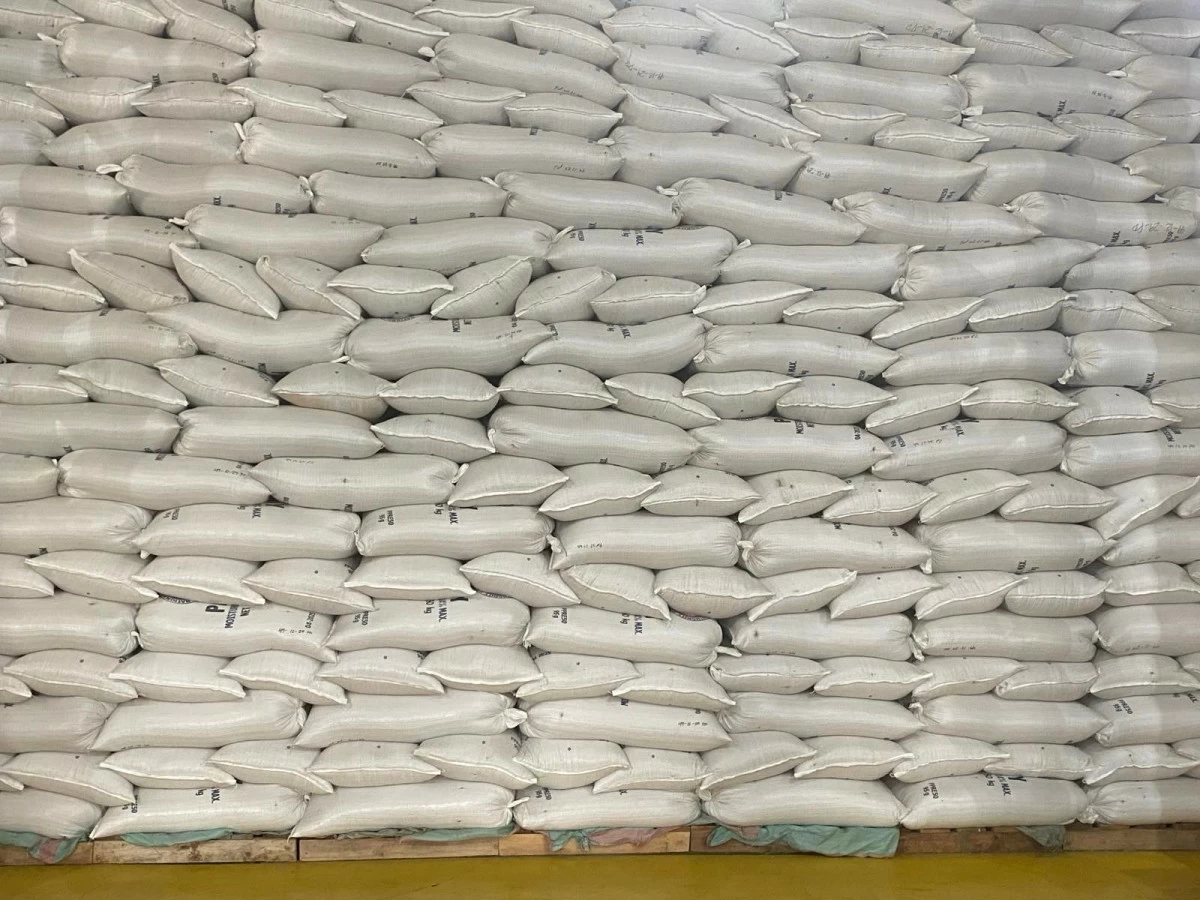
(Dexter Barro II/MANILA BULLETIN)
The National Food Authority (NFA) successfully tendered nearly 16,000 metric tons (MT) of aging rice at an auction, freeing up critical warehouse space to purchase rice from local farmers to help lift farmgate prices.
NFA administrator Larry Lacson said the auction last week allowed the agency to award 315,000 50-kilo bags of rice to 13 bidders with 25 lots.
Lacson said the demand for the NFA’s latest attempt to auction off aging rice was more “fierce” this time around, with 27 bidders submitting bid documents to participate.
Only 13 bidders advanced and were recommended for award, after the remaining were dropped for a wide range of reasons, including low offer, insufficient bid bonds, or faulty documents.
The winning prices at the auction fell within the ₱22.52 to ₱25.16 per kilo range.
This was the same pricing scheme released last month, after it had been revised from the original range of ₱25.01 to ₱27.96 per kilo.
Lacson earlier said that the high floor price discouraged buyers from participating in the initial auction last October.
“The agency needed this win badly. The first auction had failed, bringing the NFA to the brink of a negotiated sale,” he said.
The administrator cautioned against a negotiated sale as it typically forces the government to settle for lower prices.
Based on initial estimates, the NFA plans to bid out a total of 58,000 MT of rice stocks, or around 1.16 million 50-kilo bags.
“When these stocks move quickly, consumers feel the relief,” said Lacson.
By freeing up warehouse space, the NFA can once again purchase rice from local farmers, majority of whom are struggling with low farmgate prices from private traders.
The rice grains agency currently purchases dry palay or unmilled rice at ₱23 per kilo and wet palay for ₱17 per kilo.
Agriculture Secretary Francisco Tiu Laurel, who chairs the NFA Council, said the auction is a critical move to keep palay prices firm, but he noted that the government should not rely solely on it.
“We will continue finding ways to dispose of aging rice to bolster palay prices and farmers’ incomes,” he said.
Since NFA’s role has been reduced to buffer stocking, it can now only dispose of stocks by selling to government agencies and programs, or through auctions.
Tiu Laurel said pending legislative measures aimed at returning NFA’s power to sell directly to the public could make the agency “far more effective in supporting rice farmers and lowering rice prices for consumers.”