






Manila Bulletin
 Drive
Nearly half of public utility vehicles that underwent vehicle inspection failed brake tests
Drive
Nearly half of public utility vehicles that underwent vehicle inspection failed brake tests
Drive
Nearly half of public utility vehicles that underwent vehicle inspection failed brake tests
Nearly half of public utility vehicles that underwent vehicle inspection failed brake tests
Vehicle Inspection Center Operators Association of the Philippines (VICOAP) reveals alarming statistic
Published Dec 9, 2025 01:44 pm


At A Glance
- Nearly half of all PUVs inspected from January to September 2025 failed brake safety standards.
- Advocates warn that unsafe braking systems place millions of daily commuters at risk.
- VICOAP and road safety groups call for mandatory brake testing aligned with the DOTr Road Safety Action Plan.
- Forum highlights the need for stronger collaboration between policymakers, transport operators, and the public.
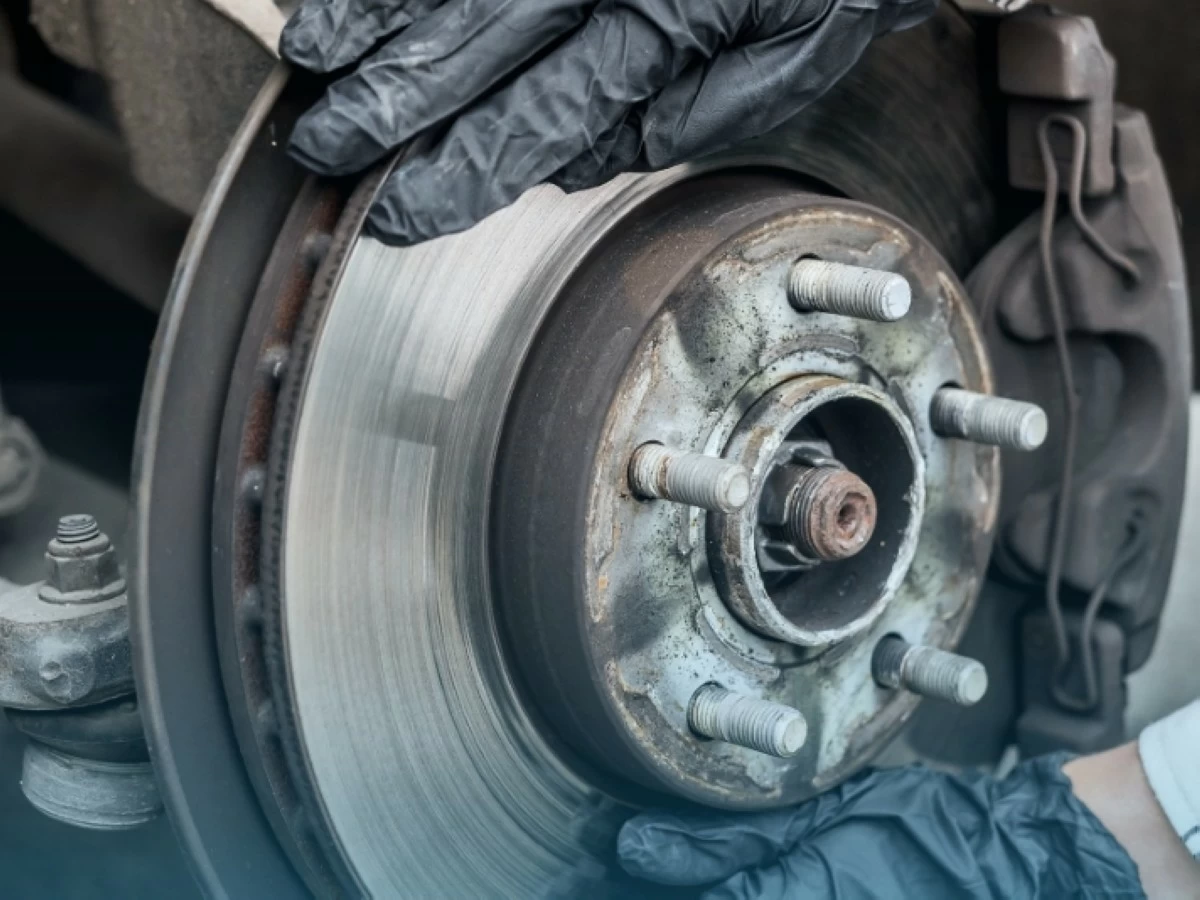
Filipino commuters rely heavily on public transport, and the condition of the vehicles that serve them continues to shape everyday road safety. During a recent roundtable in Taguig City, the Vehicle Inspection Center Operators Association of the Philippines (VICOAP) and several advocacy groups urged stronger policies that would require routine brake testing for public utility vehicles.
The discussion was held as the country prepares to mark the World Day of Remembrance for Road Traffic Victims. VICOAP presented national brake test results from January to September 2025, showing that an alarming 47.3 percent of all inspected PUVs failed to meet brake safety standards, a 2.3 percent increase from a similar study done in 2024. The figure raised concern among those present, who pointed out that inspections often catch issues long before they lead to crashes.
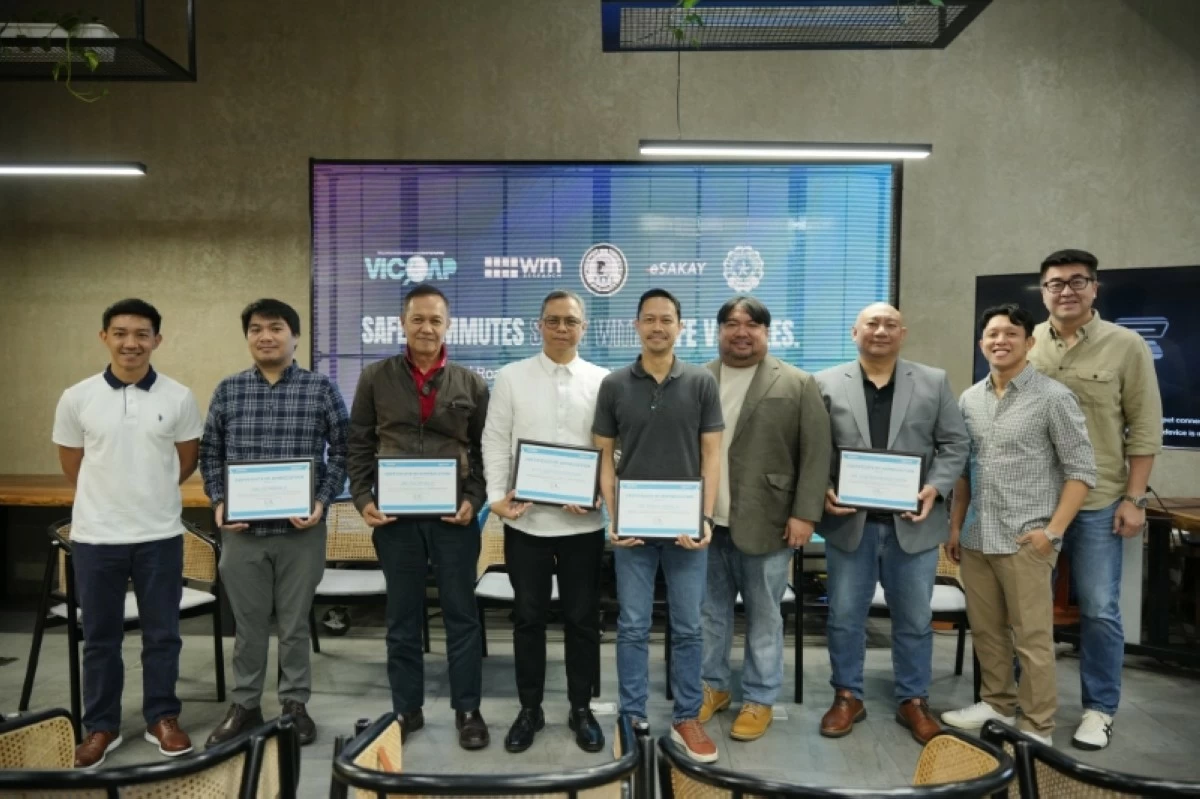
From left: Chase Lomibao, Executive Director, VICOAP; Cid Manalo, Senior Researcher, WRNumero; Jun Estallo, Philippine Advocates for Road Safety (PARS); Atty. Lester Cavestany, VICOAP Spokesperson; Mikael Degilla, e-Sakay; Aaron Cabiltes, President, VICOAP; Dr. Jose Bienvenido Biona, DLSU Manila; Ton Uy, Board Secretary, VICOAP.
Representatives from the Philippine Advocates for Road Safety, e‑Sakay, De La Salle University, WRNumero, and VICOAP participated in the forum. Their goal was to look at how data can guide reforms and create safer conditions for the millions of passengers who ride buses, jeepneys, UV Express shuttles, and other public transport services every day.
“Behind every crash is a preventable failure, and many of them start with the brakes,” said Atty. Lester Cavestany, spokesperson for VICOAP. “Our goal is to offer solutions backed by data. We want to support government agencies like the Department of Transportation and the Land Transportation Office in developing standards that make vehicle safety a shared responsibility.”
The event also discussed findings from the WRNumero Surveys for Good 2025. The data showed that eight in ten Filipinos fear road crashes, with the most heightened concern coming from lower‑income commuters who rely on public transport daily. This helped reinforce the focus on PUVs and the need for stringent inspection procedures.
“What makes this issue urgent is that it affects the everyday Filipino commuter,” said Mikael Degilla, head of Public Affairs and Compliance of e-Sakay. “As roads get busier toward the holidays, we need to ensure that PUVs on the road are fit to carry passengers safely home.”
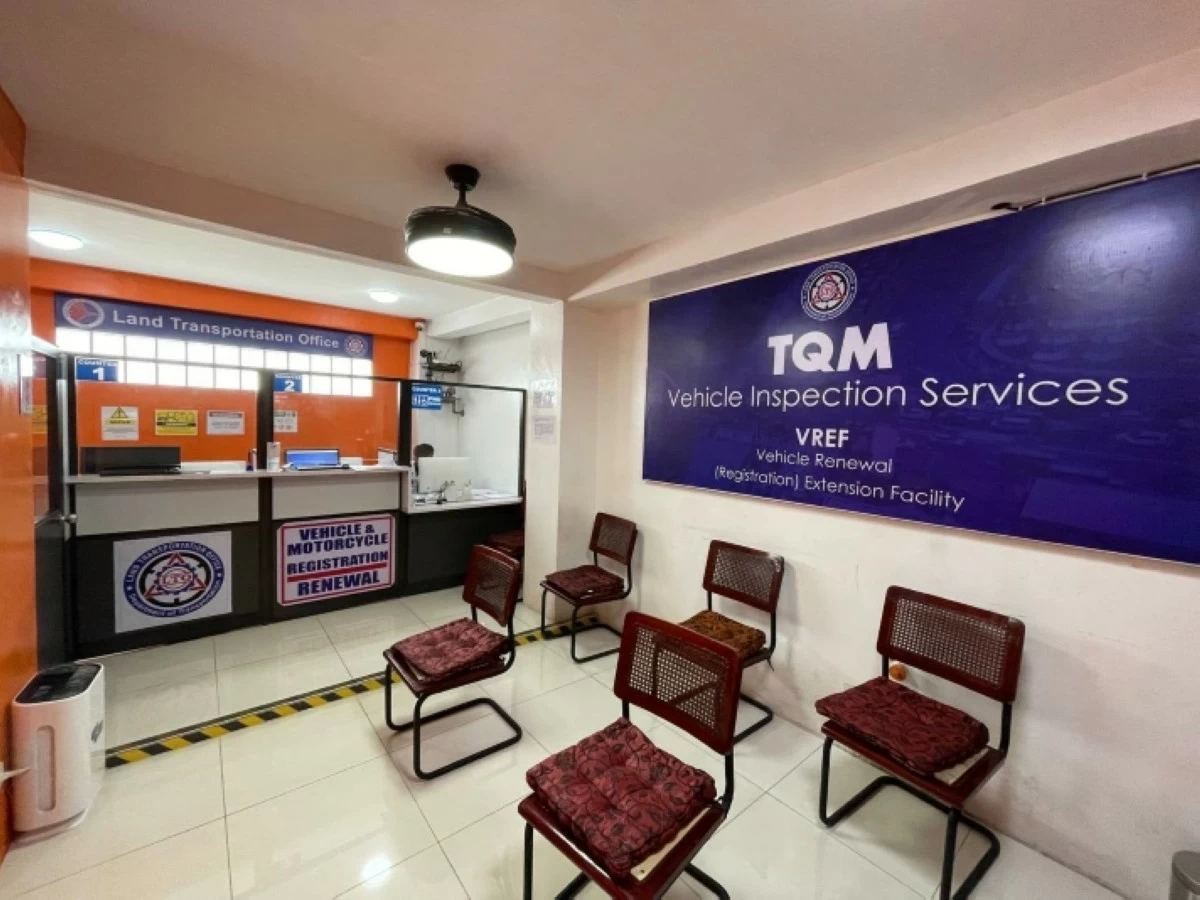
VICOAP said the push for mandatory brake testing supports the DOTr’s Road Safety Action Plan. The program aims to reduce traffic‑related fatalities by 35 percent by the year 2028. The association noted that stronger inspection rules form a vital part of meeting this target.
The forum closed with participants calling for more consistent coordination between policymakers, transport operators, and the public. All groups agreed that inspection standards should be rooted in evidence to reduce preventable crashes.
“Every unsafe vehicle on the road is a risk we can prevent,” Atty. Cavestany said. “Brake testing isn’t bureaucracy—it’s a life-saving measure. Every data point we collect represents a family that gets home safely.”
As the observance of the World Day of Remembrance draws near, VICOAP said it would continue to work toward greater transparency and cooperation in the broader effort to build safer roads nationwide.