







Building peace through dialogue
Published Dec 8, 2025 12:05 am
|
Updated Dec 7, 2025 03:35 pm


PEACE BY PEACE
I have always believed in the power of dialogue. These can range from high-level talks between heads of state to address pressing security concerns to a discreet gathering held in a barangay hall to de-escalate tension between two families.
It is these conversations that allow people to express their views, listen to the other party, and eventually come up with a consensus. I have witnessed and taken part in these talks as a former military officer and now as presidential peace adviser.
Last Dec. 1, public servants, peacebuilders, and policymakers from across Southeast Asia converged in Manila for a five-day training workshop on interreligious and intercultural dialogue.
Each of the delegates shared their personal stories as well as their perspectives on peace and development challenges being faced by their communities. Their narratives had a common thread, and that is, how dialogue has helped de-escalate tension and foster peace.
Organized by the ASEAN Institute for Peace and Reconciliation and the King Abdullah Bin Abdulaziz International Centre for Interreligious and Intercultural Dialogue (KAICIID), the training sought to deepen our collective understanding of dialogue as a tool for regional stability.
As I entered the venue and saw representatives from various ASEAN member-states exchanging views and experiences, I was reminded of how the simple act of listening can lead to lasting peace.
As a young officer, I witnessed how tribal and religious leaders were able to bring together members of two families who were engaged in a decades-long conflict, and convince them to talk and reach a peaceful settlement.
This is why the ASEAN meeting held in Manila was deeply meaningful. Executive Director I Gusti Agung Wesaka Puja of the ASEAN-IPR noted that the training aimed to “bridge the gap between policymakers and local communities.”
That simple but powerful message deeply resonated within me and my fellow peace workers. For years, the OPAPRU has worked to ensure that policies crafted in conference rooms are translated into concrete interventions that are felt by people on the ground.
Executive Director Puja emphasized that the Philippines was chosen as the venue because of our comprehensive, inclusive, and community-centric peace process. Hearing this made me reflect on how far we have come in our peace journey.
Our nation, once marked by deep-seated conflict, is now being seen as a model of dialogue-driven peacebuilding. This view brings great responsibility, which we have taken to heart at OPAPRU to ensure that all our peacebuilding initiatives are anchored on dialogue.
KAICIID Senior Program Manager Mitra Modaressi also reminded participants that the Philippines’ long history of interfaith collaboration offers lessons not only for ASEAN but for the whole world.
Across our archipelago, especially in Mindanao, we are seeing how once conflict-affected communities rise, transforming into zones of peace and development through conversation that are grounded in respect, humility, and shared humanity.
The training’s participants explored the root causes of conflict and the complexities of culture and religion. But what resonated the most was the recognition that no society is immune to conflict or misunderstanding. And the key to resolving this is through dialogue.
This year’s theme for the Mindanao Week of Peace, “Multi-Faith in Families and Youth: Hand-In-Hand for Peace, Harmony, and Justice in our Homeland,” aligns with the goal of the ASEAN-IPR training.
The Filipino family is the bedrock of our society. The family bears the responsibility not only of providing for the needs of its members, but most importantly, teaching children the values, principles and beliefs that will lead them to becoming responsible and peaceful citizens.
Regardless of our tribe or religion, whether we are a Christian, Muslim, or Lumad, we have the power to make a difference in our communities by becoming instruments of peace, mutual understandin,g and dialogue.
This is why the OPAPRU, through the Philippine Peace Institute (PPI) and Social Healing and Peacebuilding Office (SHAPEO), has focused on carrying out initiatives that seek to foster and strengthen interfaith and intercultural collaboration.
We have seen how dialogue softens hardened views, how shared meals can break down the walls of prejudice, and how a handshake can dissolve long-held animosity, heal the wounds of the past, and unite people of different faiths.
In 2026, the Philippines will serve as chair of both the ASEAN-Institute for Peace and Reconciliation Governing Council and Advisory Board, coinciding with our country’s assumption of the ASEAN Chairship. This dual responsibility places us at the forefront of regional peacebuilding.
We intend to bring with us the lessons taught to us by Mindanao’s communities. These are the lessons that were borne out of the courage, forgiveness, and unshakeable faith of the island-region’s people.
As I reflect on the ASEAN gathering, I am reminded that peacebuilding is never-ending. It must be carried on from one generation to the next like a torch. And in a region as diverse as ours, it is our ability to talk to one another that will serve as fuel to that torch.
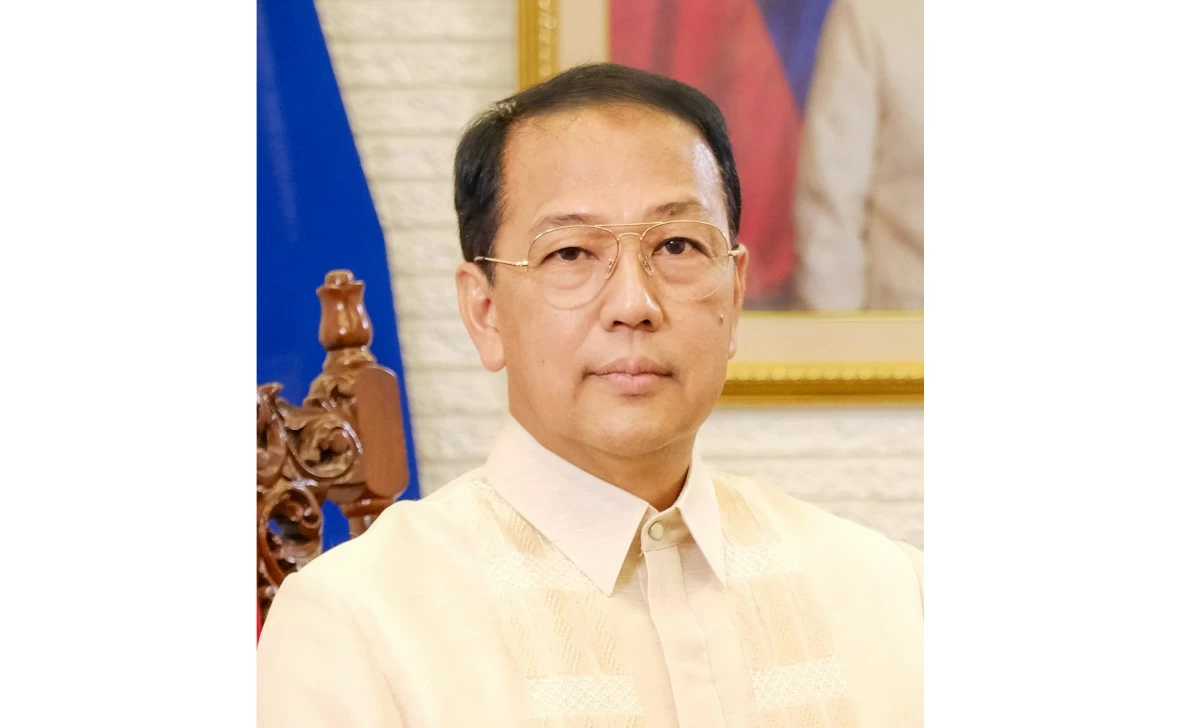
(Secretary Carlito G. Galvez, Jr., is the presidential adviser on peace, reconciliation and unity.)